
Common Causes of Mold in Toronto Basements and How to Fix Them
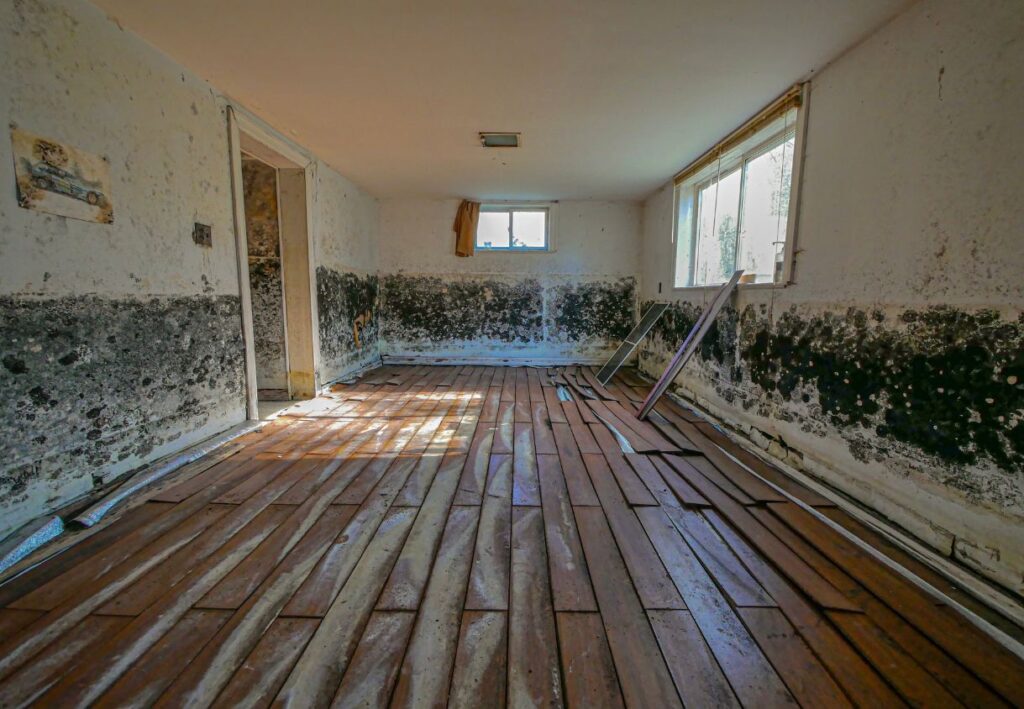
Basements in Toronto are notorious for mold problems, and for good reason. The combination of humid summers, cold winters, and often poor ventilation creates an ideal environment for mold growth. Mold in basements not only damages your property but can also lead to serious health concerns for you and your family. At Mold Removal Remediation, we specialize in identifying the root causes of basement mold and offering effective solutions to keep your home safe and dry. Why Are Toronto Basements Prone to Mold? Toronto’s climate features fluctuating temperatures and humidity levels that often lead to moisture buildup in basements. Basements are typically cooler than the rest of the house, and they may be prone to water seepage or leaks due to their location below ground level. Without proper moisture control and ventilation, mold spores can quickly settle and thrive. Common Causes of Mold in Toronto Basements 1. Water Intrusion from Exterior Sources Heavy rainfall or melting snow can lead to water seeping through basement walls or floors, especially if your home’s foundation lacks proper waterproofing. Cracks in the foundation or poor grading around your property can allow moisture to penetrate and create damp conditions favorable for mold growth. 2. High Humidity Levels Basements often have higher humidity than the rest of the house due to poor air circulation and moisture from soil or plumbing leaks. Humidity levels above 50% provide an ideal breeding ground for mold spores to multiply rapidly. 3. Plumbing Leaks and Drainage Issues Hidden leaks from pipes or sump pump failures can cause water to accumulate unnoticed, encouraging mold growth. Slow drainage or clogged gutters can also direct water towards your foundation, increasing moisture risks. 4. Poor Ventilation Basements are frequently sealed tight to conserve heat in the winter, but this can trap moisture inside. Without adequate ventilation or dehumidification, moist air stagnates and encourages mold development on walls, ceilings, and stored items. 5. Condensation on Cold Surfaces When warm, moist air comes into contact with cold basement walls or floors, condensation forms. This moisture buildup can saturate surfaces and materials like drywall, wood, and insulation — perfect for mold colonization. How to Fix Mold Problems in Your Basement Waterproof Your Foundation Ensure your basement foundation is properly sealed and waterproofed. Consider professional waterproofing services to repair cracks and improve drainage away from your home’s foundation. Control Humidity with Dehumidifiers Use a high-quality dehumidifier in your basement to keep humidity levels below 50%. Regularly monitor humidity with a hygrometer and adjust as needed to prevent mold-friendly conditions. Repair Plumbing and Drainage Issues Fix any leaks immediately, and maintain gutters and downspouts to direct water away from your home. Regular inspections can prevent small problems from becoming major mold issues. Improve Ventilation Install vents or fans to increase airflow in your basement. Opening windows or installing air exchangers can help reduce stagnant, moist air and improve overall air quality. Insulate and Seal Cold Surfaces Proper insulation on basement walls and pipes can reduce condensation. Use vapor barriers on floors and walls to prevent moisture seepage and protect building materials. When to Call the Experts If mold growth is widespread, persistent, or causing health issues, it’s crucial to call professional mold inspectors and remediation specialists like Mold Removal Remediation. Our certified team uses advanced tools like thermal imaging and air quality testing to detect hidden mold and moisture problems. We provide safe, effective mold removal and help implement preventive measures tailored for Toronto homes.
Top Signs You Need a Professional Mold Inspection in Toronto
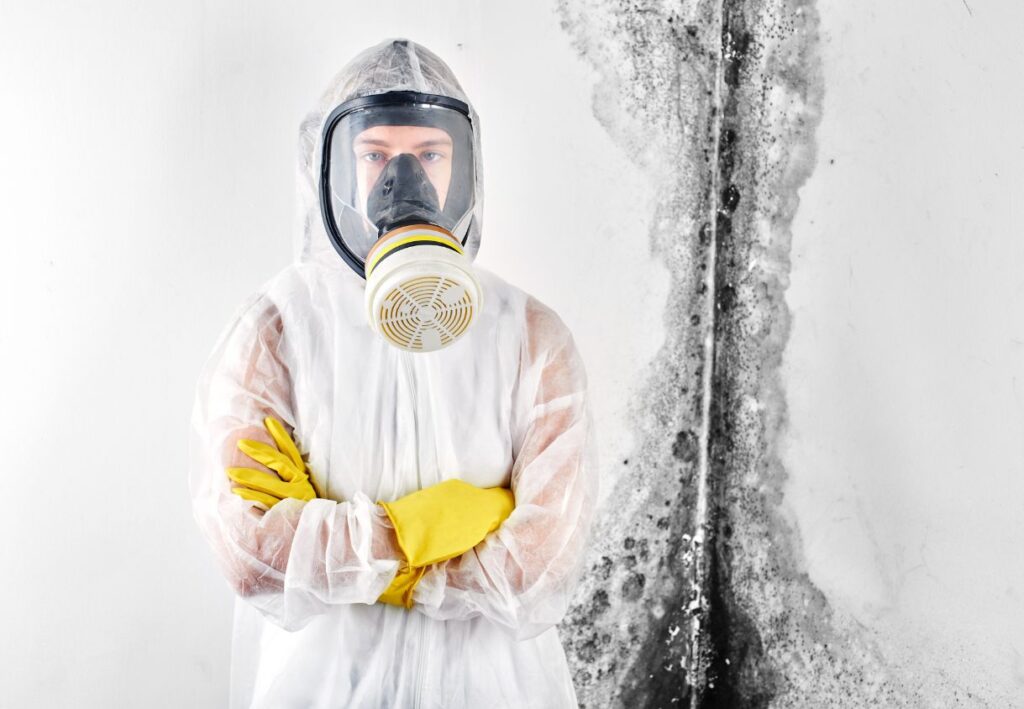
Mold is more than just an unsightly nuisance — it can pose serious health risks and damage your property if left unchecked. In Toronto, where humid summers and cold winters create the perfect conditions for mold growth, knowing when to call in a professional mold inspection is essential for every homeowner. But how can you tell if mold is hiding in your home, especially when it’s not always visible? At Mold Removal Remediation, Toronto’s trusted mold inspection experts, we’ve helped countless homeowners detect and address mold problems early, protecting their health and property. Here are the top signs that indicate you need a professional mold inspection in Toronto — don’t wait until it’s too late! 1. Unexplained Musty or Damp Odors One of the earliest and most common signs of mold is a persistent musty smell. Even if you can’t see mold patches, a damp, earthy odor often signals hidden mold behind walls, under floors, or in HVAC systems. If your home smells musty or damp, it’s time to schedule a thorough mold inspection. 2. Visible Mold Growth If you spot mold spots — usually black, green, or white — on walls, ceilings, windows, or in bathrooms, don’t ignore it. Visible mold is a clear indication of a moisture problem that needs to be addressed immediately. Professional mold inspectors can assess the extent of the infestation and recommend proper remediation. 3. Recent Water Damage or Flooding Water damage from leaks, floods, or burst pipes creates the perfect environment for mold growth. Even if the water appears cleaned up, moisture can linger in drywall, insulation, or flooring, leading to hidden mold colonies. After any water incident, a mold inspection can prevent long-term damage. 4. Health Symptoms That Improve When Away From Home If you or your family experience unexplained allergy-like symptoms — such as sneezing, coughing, headaches, or respiratory issues — that improve when you leave your home, mold could be the culprit. Professional air quality testing combined with mold inspections can pinpoint hidden mold sources affecting your health. 5. Increased Allergy or Asthma Flare-Ups Toronto’s seasonal allergies are tough enough without mold making things worse. If your allergy or asthma symptoms worsen indoors or at specific locations in your home, it may be due to mold spores circulating in your air or growing on surfaces. 6. Condensation on Windows or Walls Condensation indicates excessive humidity, which is a leading cause of mold growth. Persistent water droplets on windows, walls, or pipes can mean your home is at risk, and mold could be developing in hidden areas. A professional inspection can identify moisture sources before mold spreads. 7. Peeling or Bubbling Paint and Wallpaper Mold can grow behind paint and wallpaper, causing bubbling, peeling, or discoloration. If you notice these signs, it’s important to investigate further with a mold inspection to prevent structural damage. Why Choose Mold Removal Remediation for Your Mold Inspection in Toronto? With Toronto’s unique climate challenges, you need a mold inspection company that knows the local environment and uses cutting-edge technology. At Mold Removal Remediation, we combine certified expertise with advanced thermal imaging, moisture detection, and air quality testing to find mold even where it’s invisible to the naked eye. Our detailed inspection reports explain the mold type, contamination levels, and recommend clear next steps, whether it’s mold removal or preventive measures. Thousands of Toronto homeowners trust us for our professionalism, accuracy, and customer care. Don’t Wait — Protect Your Home and Health Today Mold problems only get worse with time. Early detection through a professional mold inspection saves you money, stress, and health issues down the line. If you notice any of the signs above, contact Mold Removal Remediation for a free consultation. Let our experts help you breathe easy again in your Toronto home.
How To Keep Your Bathroom Mold Free: Essential Tips for Toronto Homes
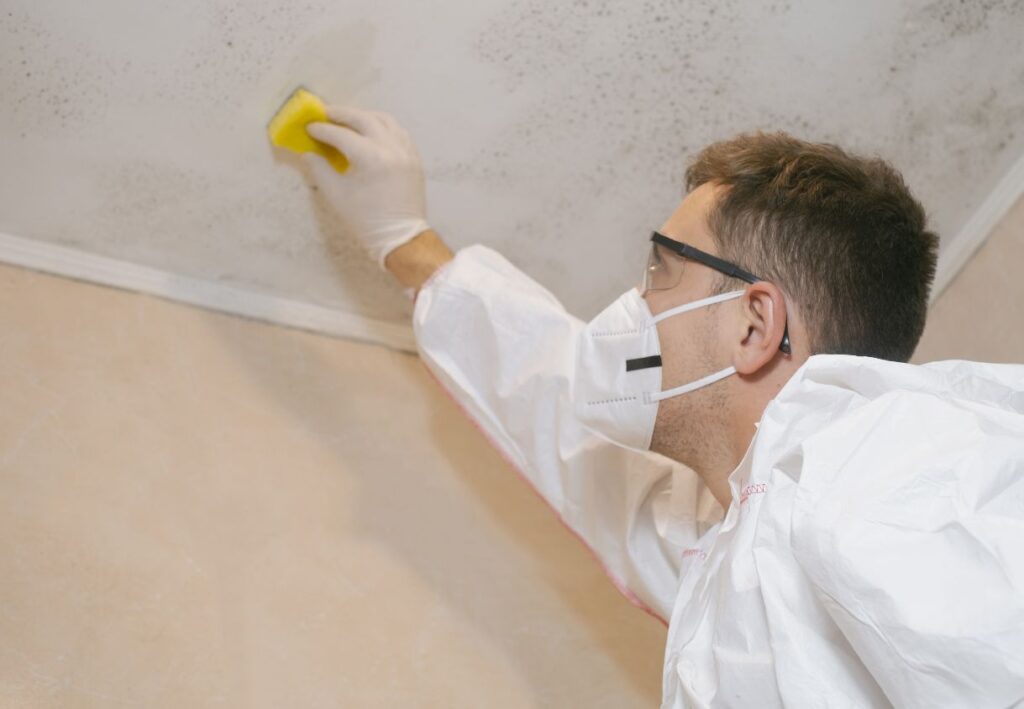
Bathrooms are one of the most common places for mold growth in Toronto homes. The combination of frequent moisture, humidity, and warm temperatures creates the perfect environment for mold spores to thrive. Mold in bathrooms not only causes unsightly stains and odors but can also lead to health issues like allergies and respiratory problems. At Mold Removal Remediation, we understand how important it is to keep your bathroom clean, safe, and mold-free. Here’s a detailed guide on how you can prevent mold growth in your bathroom and protect your home’s indoor air quality. Why Bathrooms Are a Mold Hotspot in Toronto Toronto’s climate, with its humid summers and cold winters, contributes to moisture buildup inside bathrooms. Frequent use of showers, baths, and sinks raises humidity levels, especially in bathrooms with poor ventilation. Mold spores can settle on damp surfaces such as grout lines, tiles, shower curtains, and ceilings — and multiply quickly if not managed properly. Essential Tips to Keep Your Bathroom Mold Free 1. Improve Ventilation Proper ventilation is the key to controlling moisture in your bathroom. Always use an exhaust fan during and after showers to remove humid air. If your bathroom doesn’t have a fan, consider installing one, or open a window if weather permits. 2. Regular Cleaning and Maintenance Clean your bathroom regularly to prevent mold spores from settling. Pay special attention to grout lines, caulking, shower curtains, and under sinks. Use mold-killing cleaners or natural alternatives like vinegar and baking soda. 3. Fix Leaks Immediately Check faucets, pipes, and toilet seals for leaks. Even a slow drip can create persistent dampness that encourages mold growth. Address plumbing issues promptly to prevent hidden water damage. 4. Keep Surfaces Dry After using the shower or bath, wipe down wet surfaces such as walls, doors, and counters. Use a squeegee on glass doors and tiles to remove excess water and reduce moisture buildup. 5. Use Mold-Resistant Products When renovating or repairing, opt for mold-resistant drywall, paint, and grout. These products contain additives that inhibit mold growth and help maintain a healthier bathroom environment. 6. Control Bathroom Humidity Use a dehumidifier if your bathroom remains humid despite ventilation. Keeping relative humidity below 50% makes it harder for mold spores to grow. 7. Avoid Carpet and Fabric in Bathrooms Carpets and fabric materials retain moisture and are difficult to dry thoroughly, making them prime locations for mold. Use washable bath mats instead and dry them regularly. Signs of Mold in Your Bathroom Watch for these common signs of mold growth: When to Call a Professional Mold Inspector If you notice persistent mold growth or experience health symptoms related to mold exposure, it’s important to call Mold Removal Remediation for a thorough bathroom mold inspection in Toronto. Our certified experts use advanced tools to detect hidden mold and moisture problems and provide effective remediation solutions to restore your bathroom’s safety and comfort.d, persistent, or causing health issues, it’s crucial to call professional mold inspectors and remediation specialists like Mold Removal Remediation. Our certified team uses advanced tools like thermal imaging and air quality testing to detect hidden mold and moisture problems. We provide safe, effective mold removal and help implement preventive measures tailored for Toronto homes.