

A wall can look perfectly fine on the surface and still hide an active mold problem behind the drywall. That is what makes the early signs of mold in walls so easy to miss and so expensive to ignore. By the time staining spreads or drywall starts to crumble, moisture has often been present for weeks or months.
For homeowners, landlords, property managers, and business owners, the real risk is not just the visible damage. Hidden mold can affect indoor air quality, trigger complaints from occupants, and keep spreading as long as moisture remains. Knowing what to watch for can help you act before a small issue becomes a full remediation project.
Why mold inside walls is harder to spot
Mold needs moisture, an organic food source, and time. Drywall paper, wood framing, insulation backing, and dust inside wall cavities can all support growth once water gets in. The moisture source might be obvious, like a burst pipe, or it might be slow and intermittent, like condensation, a roof leak, or water intrusion around windows.
Because the growth often starts behind finished surfaces, you may not see black or green patches right away. Instead, you notice secondary symptoms first – a musty smell, peeling paint, a soft spot, or worsening allergy-like reactions in one part of the building. That is why a professional mold inspection usually focuses as much on moisture detection as visible growth.
Common signs of mold in walls
Some warning signs are subtle, and some are unmistakable. What matters is the pattern. One isolated cosmetic flaw may be harmless. Several signs appearing together usually mean it is time for a closer assessment.
1. A persistent musty odor
A stale, earthy smell is one of the most common clues that mold is growing where you cannot see it. If a room smells musty even after cleaning, opening windows, or changing HVAC filters, the source may be inside a wall cavity, under baseboards, or above a ceiling line.
Odor alone does not confirm mold, but it does suggest microbial activity or moisture problems that need investigation. Stronger odor after rain, humidity, or running the heat can be especially telling.
2. Discoloration or staining on walls
Brown, yellow, gray, or dark blotches on painted drywall often point to past or ongoing moisture exposure. In some cases, the stain is from water only. In others, mold begins to develop around the damp area, especially if the wall stayed wet for more than 24 to 48 hours.
Stains near windows, exterior walls, plumbing lines, or below bathrooms deserve prompt attention. Paint can hide the problem temporarily, but it does not stop growth behind the surface.
3. Bubbling paint or peeling wallpaper
When moisture builds up inside a wall, finishes start to lose adhesion. Paint may bubble, crack, or peel. Wallpaper can lift at the seams or curl away from the wall.
This does not always mean mold is present, but it does mean moisture has been trapped where it should not be. Once that happens, mold growth becomes much more likely.
4. Warped drywall or soft spots
Drywall should feel solid. If it has become spongy, swollen, warped, or unusually fragile, water has likely compromised the material. That damage can create an ideal environment for hidden mold.
A wall that feels soft around a shower, under a window, near a laundry area, or behind a sink should never be dismissed as normal wear. The structure may still be intact, but the interior materials may already be contaminated.
5. Visible mold around trim, outlets, or baseboards
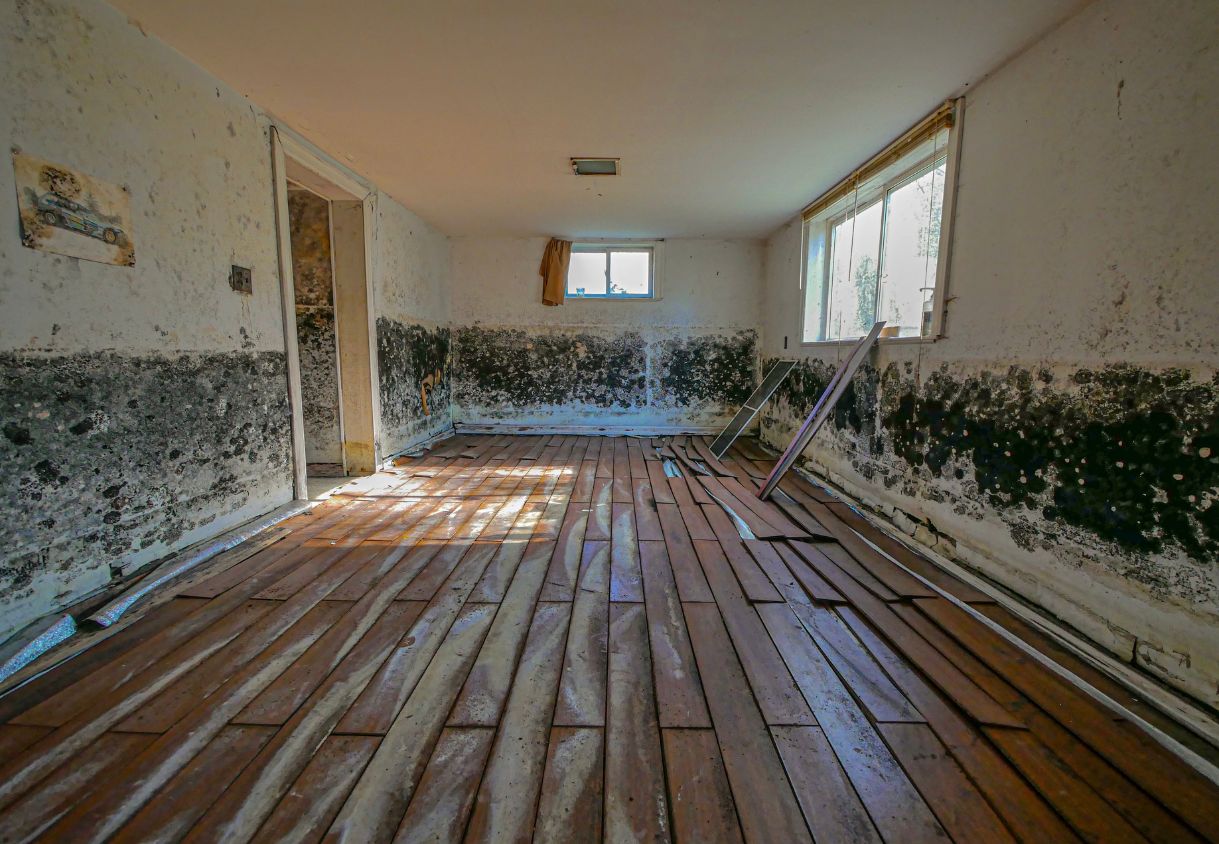
Mold often becomes visible at the edges first. You might see spotting near baseboards, around window trim, beside electrical outlets, or where the wall meets the ceiling. Those areas can act like exit points for moisture and air movement from inside the wall cavity.
Even a small amount of visible growth can indicate a larger hidden problem. Surface cleaning may remove the stain you see, but it does not address contamination inside the wall.
6. Recent water damage or a history of leaks
One of the strongest predictors of mold is previous water intrusion. If the property has had a roof leak, plumbing leak, sewer backup, flooded basement, ice damming, or repeated condensation, mold may already be present behind the wall even if everything appears dry now.
This is especially true when wet materials were not dried quickly and professionally. Mold does not need a major flood. A slow drip behind a wall can do plenty of damage over time.
7. Condensation on walls or cold surfaces
Frequent condensation is a warning sign that indoor humidity and temperature differences are creating moisture buildup. Exterior walls, corners, and areas with poor insulation are common trouble spots.
If you regularly see dampness, especially in bathrooms, basements, or poorly ventilated rooms, mold may be forming inside the wall where moisture is collecting repeatedly. In these cases, the problem is not always a leak. Sometimes it is a building envelope or ventilation issue.
8. Allergy or respiratory symptoms that worsen indoors
When occupants notice coughing, sneezing, congestion, eye irritation, headaches, or asthma symptoms that improve when they leave the property, indoor air quality needs to be considered. Mold is not the only possible cause, but hidden growth inside walls is a common one.
This sign matters even more in homes or buildings with children, seniors, immunocompromised individuals, or tenants who have existing respiratory conditions. Health complaints should never be used as the only proof of mold, but they should not be ignored either.
9. A problem that keeps coming back
If the same wall keeps staining, the same corner keeps smelling musty, or the same area shows repeated peeling or spotting after cleaning, there is usually an unresolved moisture source. Recurring symptoms often mean the issue was treated cosmetically instead of properly diagnosed.
That is where professional testing and moisture mapping become important. Reappearance is a signal that the root cause is still active.
When the signs of mold in walls point to a bigger issue
Not every moisture mark means full-scale contamination, and not every mold issue requires major demolition. Still, there are situations where hidden wall mold is more likely to be widespread.
The risk goes up in basements, older properties, buildings with poor ventilation, units with long-term tenant complaints, and spaces affected by delayed leak repairs. Commercial buildings can be more complicated because mold may spread through shared wall cavities, HVAC pathways, and high-traffic areas before anyone notices.
It also depends on what is inside the wall. Drywall, insulation, wood studs, and dust accumulation can all support mold growth, but the extent of contamination varies based on how long the moisture has been present and whether the wall has had a chance to dry fully.
What not to do if you suspect mold behind a wall
It is tempting to scrub the surface, repaint the stain, or cut into drywall to see what is there. That can make things worse. Disturbing contaminated material may spread spores into occupied areas, especially if there is no containment or air filtration in place.
Bleach is also widely misunderstood. It may lighten staining on some hard surfaces, but it is not a reliable solution for porous building materials like drywall. If the mold is inside the wall system, surface cleaning will not remove the source.
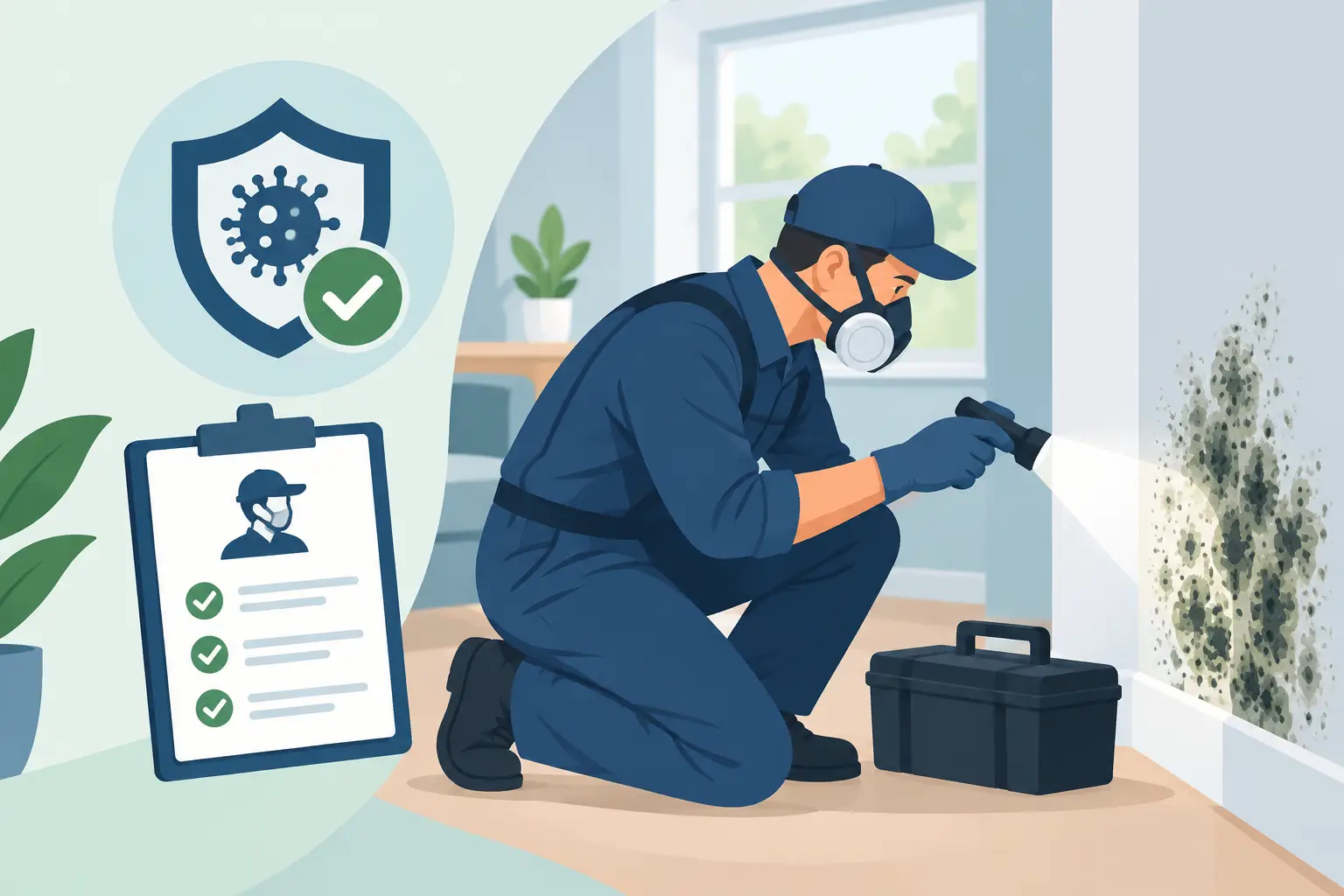
A better first step is to document what you are seeing, note any odor or health complaints, and have the area evaluated. Certified professionals use moisture meters, thermal imaging, containment methods, and air quality testing when needed to determine whether the issue is cosmetic, localized, or more extensive.
When to call a professional
If you see multiple signs at once, if the affected area is growing, or if the property has a history of leaks, it is time to bring in a qualified mold remediation specialist. The same applies when mold may affect tenants, employees, customers, or sensitive occupants.
A proper inspection should do more than confirm visible mold. It should identify the moisture source, assess hidden spread, determine whether materials can be cleaned or need removal, and outline a safe remediation plan. That is the difference between a short-term patch and a long-term fix.
For property owners in Toronto and the GTA, companies like Mold Removal Remediation approach wall mold as an environmental issue, not just a stain-removal job. That means inspection, containment, certified removal, cleaning, and post-remediation verification when needed.
The earlier you act, the more options you usually have. A musty smell or a soft patch of drywall may not seem urgent today, but mold rarely stays contained on its own. If something about a wall feels off, trust that instinct and get it checked before the damage moves further than the surface.