


A pipe can leak for weeks behind a finished wall, under a kitchen cabinet, or above a ceiling before water becomes visible. By the time paint bubbles, flooring warps, or a musty odor appears, moisture may already be feeding mold growth inside building materials. Proper pipe leak remediation means more than stopping a drip. It requires finding the source, controlling moisture, assessing contamination, and restoring affected areas safely.
For homeowners, landlords, property managers, and business owners, a quick response can limit repair costs and protect indoor air quality. The right approach depends on the location of the leak, how long materials have been wet, and whether mold has begun to grow.
Why Pipe Leaks Become Indoor Air Quality Problems
Clean water from a supply line may seem harmless, but it becomes a concern when it soaks drywall, insulation, wood framing, carpet, or subflooring. Porous materials can retain moisture long after the visible water has been removed. In warm indoor conditions, mold can begin developing within 24 to 48 hours.
A slow leak is often more damaging than a sudden burst because it stays hidden. A pinhole leak in a copper line, a loose fitting behind a shower wall, or a failed refrigerator water connection can create a damp environment without causing an obvious flood. The result may be staining, peeling finishes, warped materials, elevated humidity, and persistent odors.
Drain and sewage leaks require additional caution. Water from a drain line may contain bacteria and other contaminants, particularly if the leak involves wastewater. These situations need professional containment, cleaning, and disposal procedures rather than surface-level drying.
Signs You May Have a Hidden Pipe Leak
Not every leak announces itself with a puddle. Watch for a water bill that rises without explanation, damp or discolored drywall, soft baseboards, buckling floors, peeling paint, or condensation in an unusual area. A persistent musty smell is also a warning sign, especially in basements, bathrooms, kitchens, mechanical rooms, and beneath sinks.
In commercial properties, tenant reports of odors, damp ceiling tiles, recurring mold, or unexplained respiratory discomfort should be taken seriously. Water can travel along pipes, framing, and ceiling cavities, so the visible stain is not always directly below the failed connection.
If you can safely access the area, turn off the local fixture valve or the main water supply when active leaking is present. Move valuables away from standing water, but do not open walls or remove suspected mold-contaminated materials without proper protection and a clear plan. Disturbing hidden mold can spread spores into occupied areas.
What Professional Pipe Leak Remediation Includes
Effective pipe leak remediation follows a sequence designed to stop ongoing damage and avoid leaving moisture behind. Repairing the pipe is essential, but it is only the first stage of the work.
1. Locate and stop the moisture source
The affected water line, fitting, drain, appliance connection, or plumbing fixture must be repaired by a qualified plumbing professional. If the cause is not obvious, moisture meters and thermal imaging can help identify damp areas behind walls, beneath flooring, or above ceilings without unnecessary demolition.
The source must be fully corrected before restoration begins. Drying a wall while a pipe continues to drip wastes time and increases the risk of recurring mold.
2. Assess the extent of water damage
A professional assessment determines which materials can be dried and which need removal. Non-porous surfaces may often be cleaned and dried successfully. Wet drywall, insulation, particleboard, carpeting, and other absorbent materials may require removal if they have been saturated, contaminated, or remain damp after drying efforts.
The timeline matters. A small leak discovered immediately may need limited drying and targeted repairs. A concealed leak that has persisted for months may require opening wall cavities, removing affected insulation, and inspecting framing for mold growth.
3. Contain affected areas when mold is present
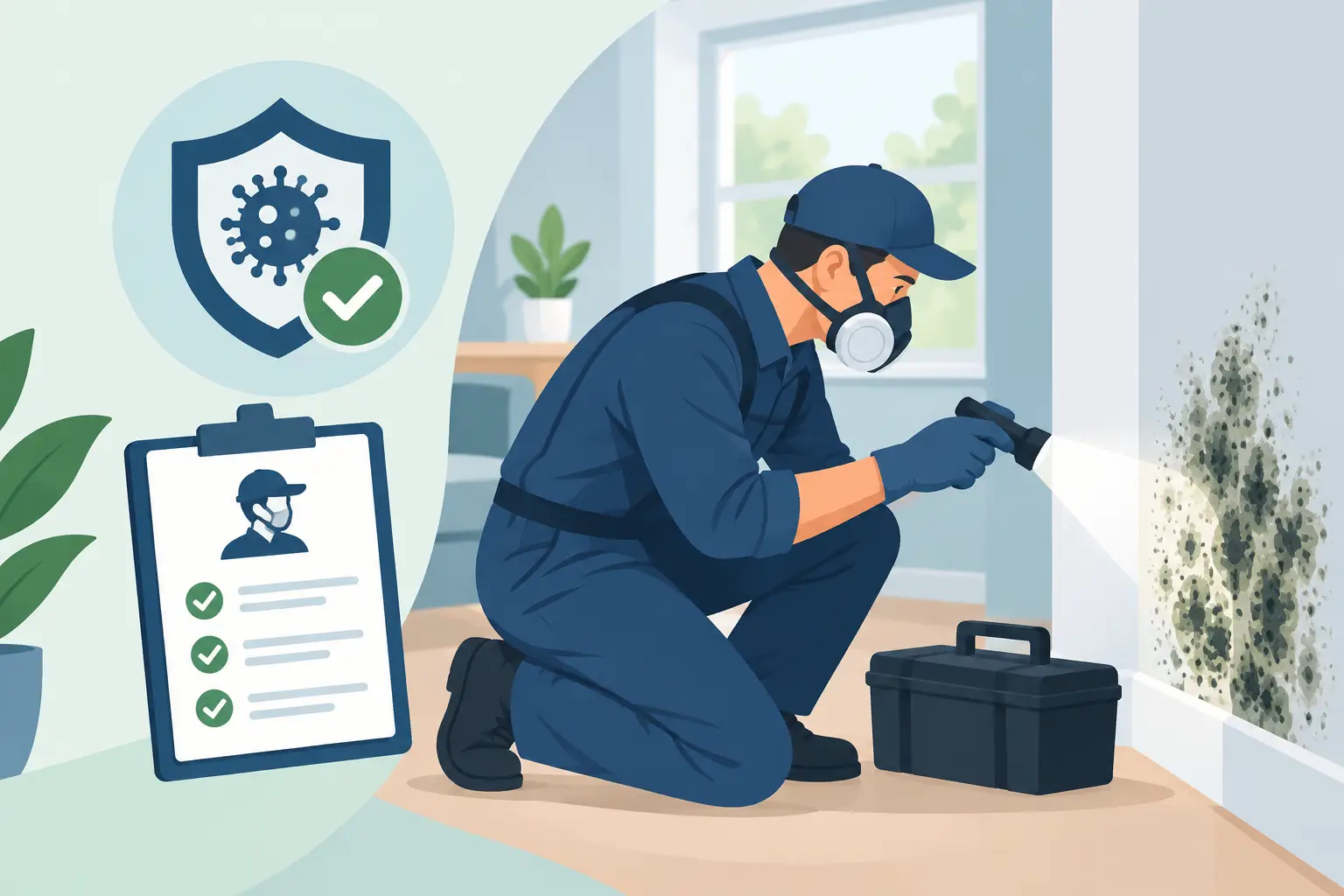
If mold is visible or suspected behind damaged materials, containment helps prevent spores and dust from moving into clean rooms. Certified remediation teams use sealed work areas, negative air pressure, and HEPA-filtered equipment to control airborne particles during removal.
This is especially important in occupied homes, apartment buildings, offices, schools, and retail spaces. Simply tearing out wet drywall without containment can spread contamination through HVAC pathways and adjacent rooms.
4. Remove contaminated materials and dry the structure
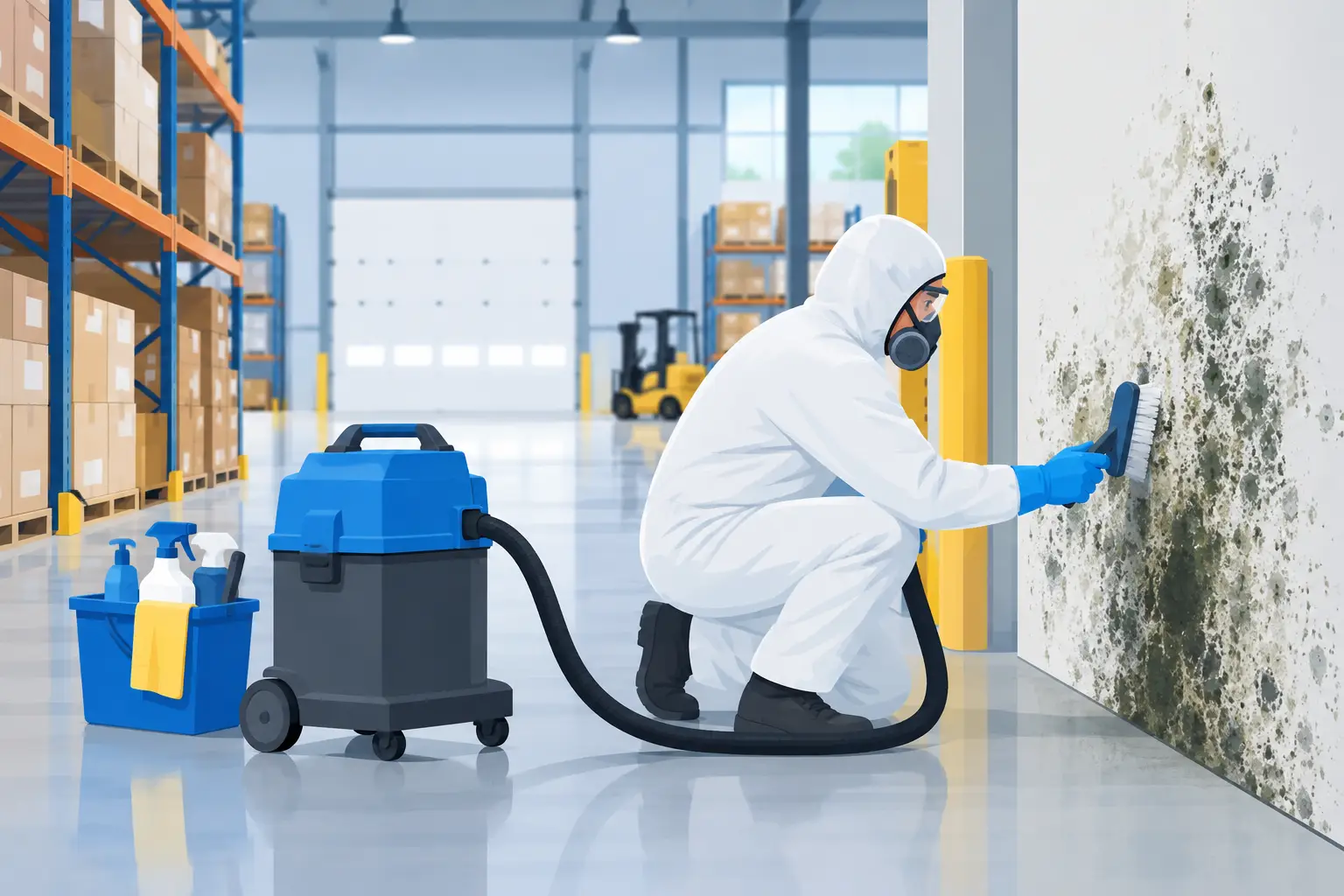
Materials that cannot be safely cleaned or fully dried are removed under controlled conditions. Remaining structural surfaces are cleaned using methods appropriate to the material and level of contamination. HEPA vacuuming and detailed cleaning are used to capture fine particles that ordinary shop vacuums and household cleaning cannot contain.
Drying is not based on how a surface feels to the touch. Moisture readings should confirm that framing and other retained materials have returned to acceptable dry conditions. Dehumidification and air movement may be necessary, but equipment must be positioned correctly to avoid spreading contaminants from an uncontained mold area.
5. Validate the area before rebuilding
Before new drywall, flooring, cabinets, or insulation are installed, the affected area should be visually inspected and tested for remaining moisture. Where mold contamination was significant, post-remediation verification or indoor air quality testing may provide added confidence that the work area is clean and ready for reconstruction.
This final step protects against a common and expensive mistake: closing a wall before the cavity is dry. A fresh coat of paint does not solve a moisture problem concealed behind it.
When a Simple Repair Is Not Enough
A plumber may repair a pipe quickly, and that repair is necessary. However, plumbing repair and environmental remediation serve different purposes. The plumber stops the water. Remediation addresses what the water did to the building materials and indoor environment.
Professional remediation is strongly recommended when the leak has affected a large area, water has been present for more than a day or two, mold is visible, there is a strong odor, sewage or contaminated water is involved, or occupants have health sensitivities. Properties with infants, older adults, people with asthma, or immunocompromised individuals deserve particular care.
Landlords and property managers should also document the inspection, repair, drying, and remediation process. Clear records can support maintenance planning, tenant communication, insurance claims, and future property transactions.
Avoid These Common Mistakes After a Leak
The most common mistake is drying only what can be seen. Water often spreads behind baseboards, under flooring, and through insulation. Another mistake is applying bleach or paint over visible mold without removing the moisture source or damaged material. This may mask staining temporarily while contamination continues in the wall cavity.
Running fans can help with a minor, clean-water spill in an open, dryable area. It is not a substitute for an assessment when water has entered enclosed spaces or mold is already present. Likewise, a strong fragrance may cover a musty odor, but it does not improve air quality.
Waiting can be costly. A small repair that could have been limited to a cabinet base or a section of drywall can become a larger project involving flooring, insulation, framing, and adjacent rooms.
Protect Your Property Before the Next Leak
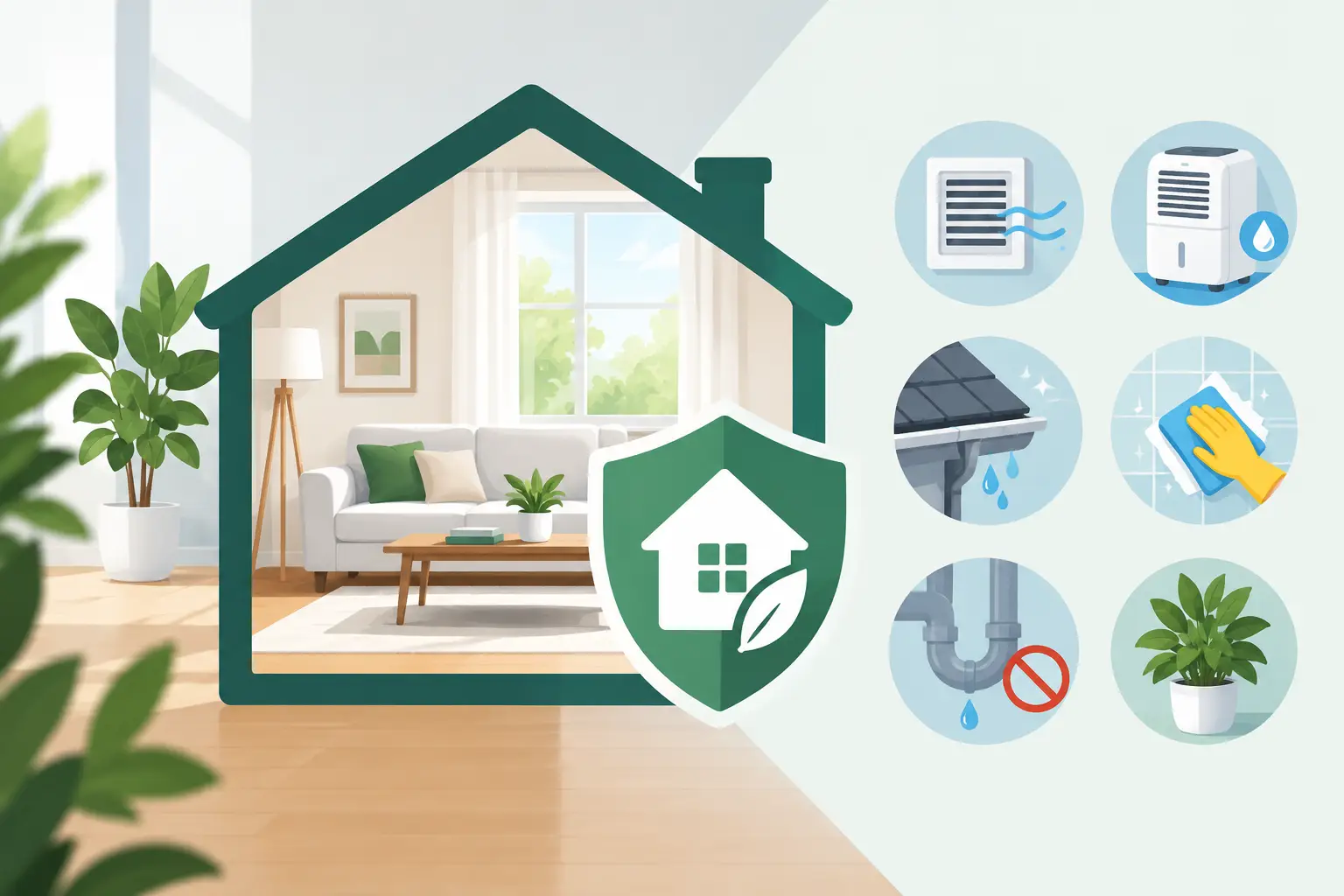
Preventive maintenance reduces risk, although no property is completely immune to plumbing failures. Inspect supply hoses at washing machines, dishwashers, refrigerators, and toilets regularly. Watch for corrosion around exposed valves and fittings, maintain proper indoor humidity, and address slow drains before they become backup problems.
For multi-unit and commercial buildings, routine inspections of mechanical rooms, risers, vacant suites, and plumbing access areas can catch warning signs early. Moisture monitoring is particularly valuable after freezing weather, renovations, roof work, or plumbing repairs.
When a leak has affected walls, ceilings, flooring, or indoor air, treat it as a building health issue rather than a cosmetic cleanup. A careful inspection and properly controlled remediation can protect the people inside your property and prevent a hidden moisture problem from becoming the next emergency.