
12 Best Mold Prevention Tips for Safer Homes
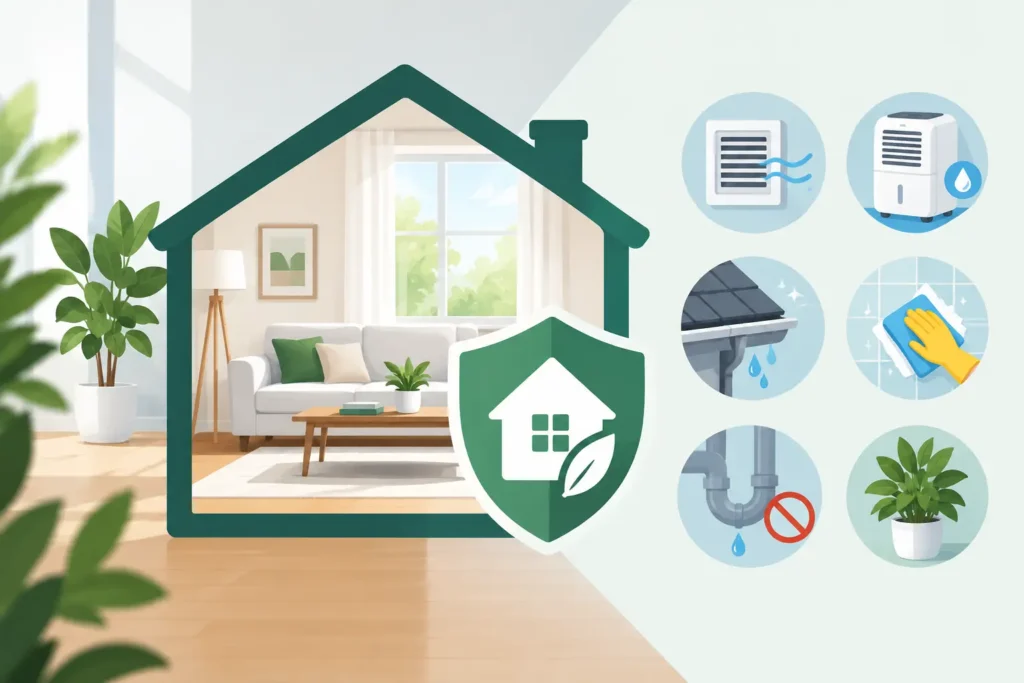
Use these best mold prevention tips to control moisture, protect indoor air quality, and know when a certified inspection is the safest next step at home today.
Warehouse Mold Cleanup for a Safer Facility
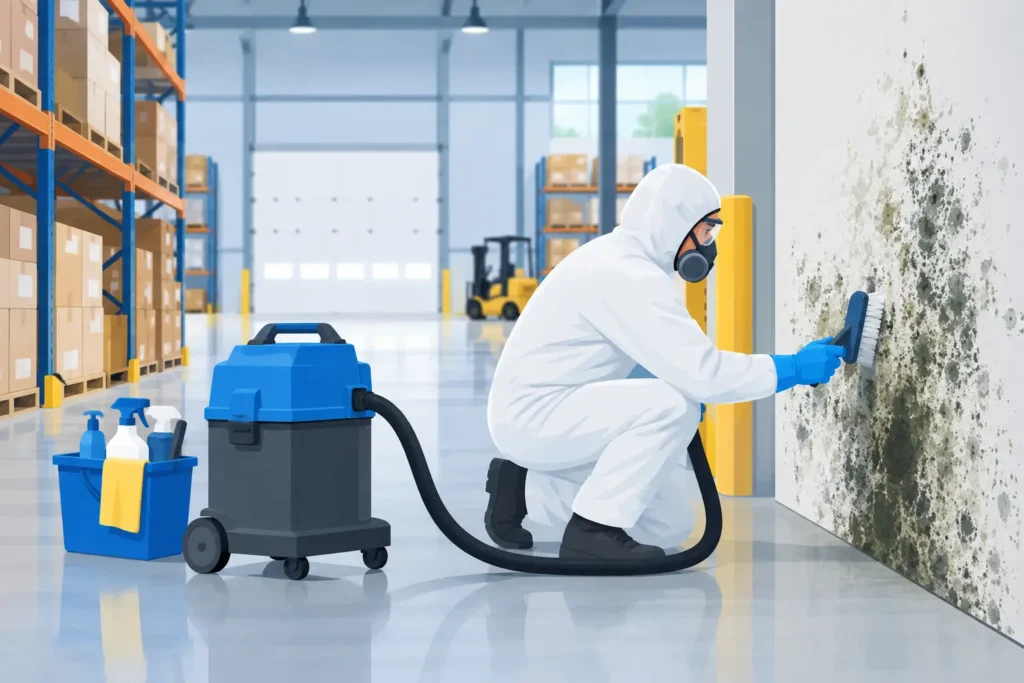
Warehouse mold cleanup requires more than surface cleaning. Learn how inspection, containment, removal, and verification protect facilities and staff.
Top Causes of Indoor Mold and How They Start
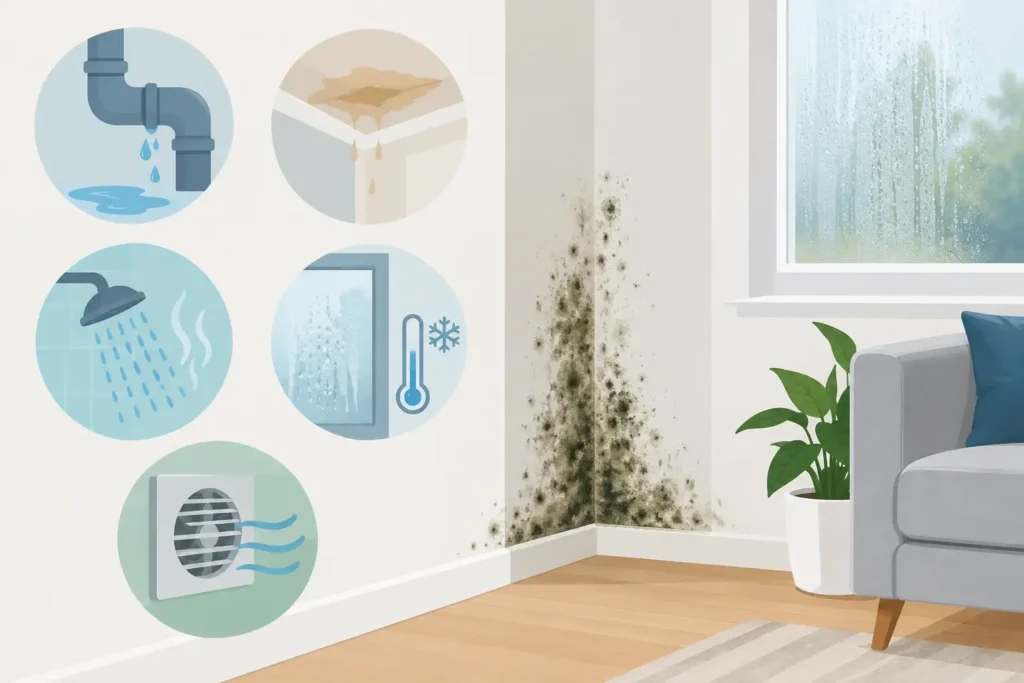
Learn the top causes of indoor mold, from leaks and humidity to poor ventilation, and when professional inspection can protect your property and health.
Is Air Quality Testing Worth It for Your Home?

Is air quality testing worth it? Learn when testing protects your home, health, tenants, and renovation plans, plus what professional results can reveal.
Four HVAC Mold Warning Signs You Shouldn’t Ignore
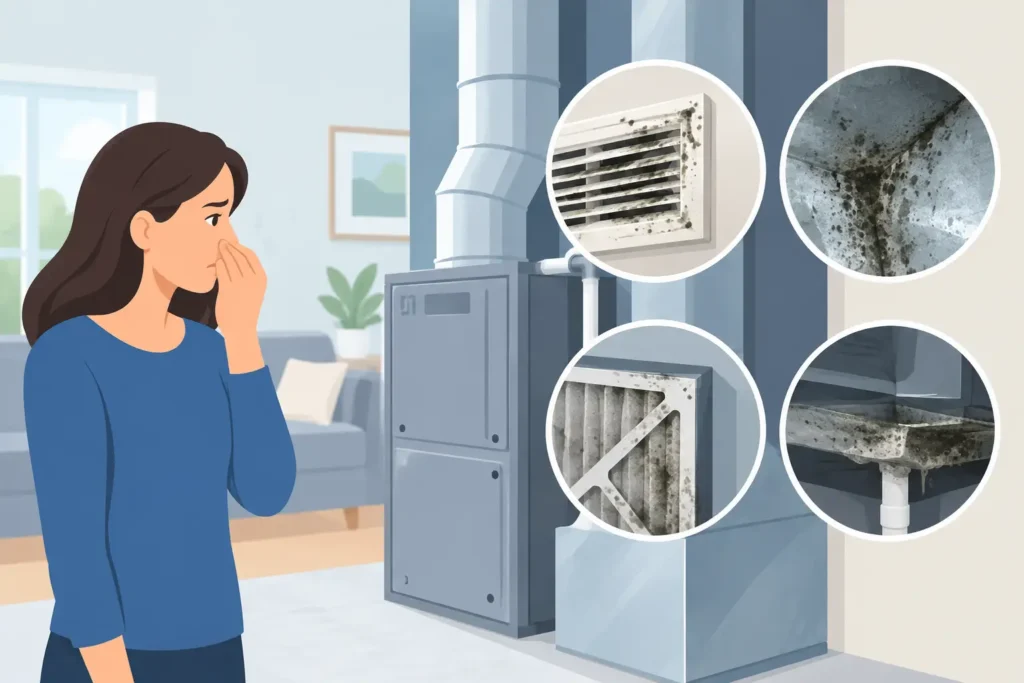
Learn four HVAC mold warning signs, what causes contamination, and when professional inspection protects your home, tenants, staff, and air quality daily.
Can Air Purifiers Remove Spores? What They Miss

Can air purifiers remove spores? Learn what HEPA units capture, why moisture control matters, and when professional mold remediation is needed indoors.
Where Asbestos Containing Materials May Hide
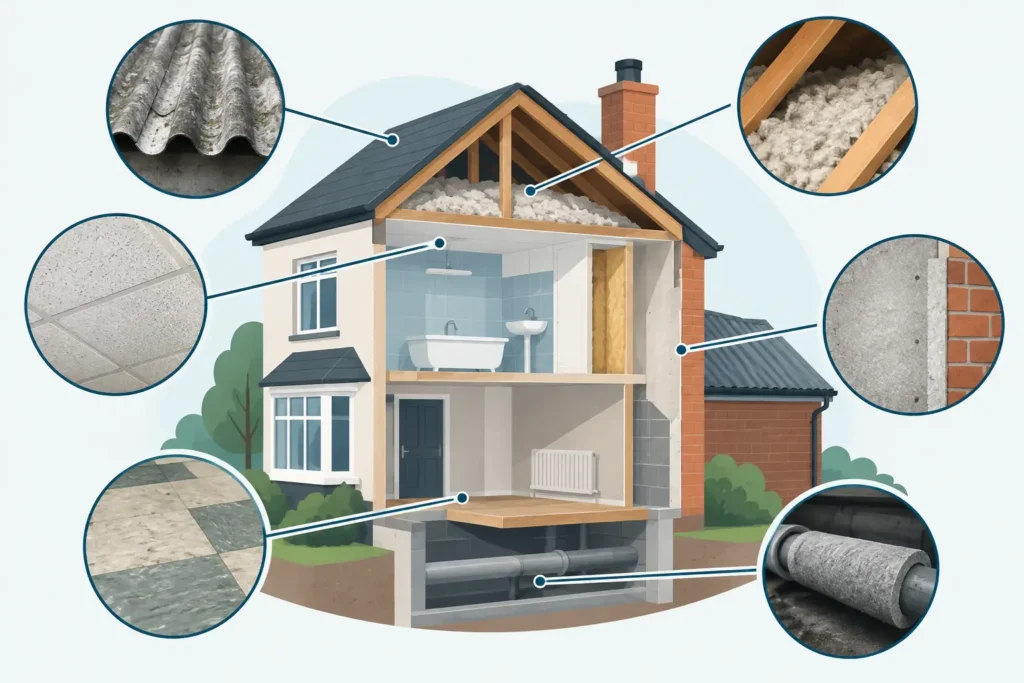
Learn where asbestos containing materials may be found, why damage raises risk, and how certified testing helps protect your property and occupants safely.
How to Read Mold Air Test Results Correctly

Learn how to read mold air test results, compare indoor and outdoor samples, spot warning signs, and decide when a certified inspection is needed promptly.
Mold Remediation Before and After Results
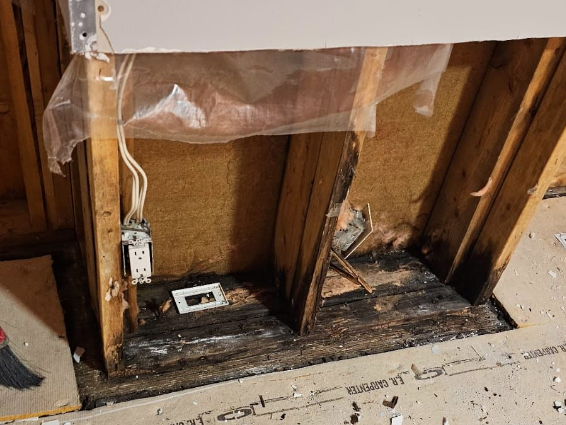
A dark patch on drywall can disappear in an afternoon. That does not mean the problem has gone away. We measure true mold remediation by the changes behind walls, under floors, and in the air. Not just about stains that you can no longer see. For homeowners, landlords, property managers, and business owners, the difference matters. Surface cleaning may make a room look better temporarily, while hidden moisture continues feeding mold growth. Certified remediation addresses the contamination, the moisture source, and the conditions that allow spores to spread. Before Mold Remediation The starting point is not always dramatic. Visible mold can look like black, green, gray, or white spots. It may appear near windows, on bathroom ceilings, in basements, or in crawl spaces. It can also grow in areas with leaks. In other properties, the first warning may be a musty odour. It can also be peeling paint or warped baseboards. You may see recurring condensation. Tenants may complain about irritated eyes and breathing discomfort. What you can see is often only part of the affected area. Mold can grow inside wall cavities after a plumbing leak. It can also grow under laminate flooring after a flood. Mold may form behind cabinetry or above a drop ceiling. This can happen when a roof leak goes unnoticed. That is why a proper pre-remediation assessment uses more than a visual check. Moisture meters, thermal imaging, targeted inspections, and indoor air quality tests can find moisture and contamination patterns. These patterns may not be obvious in the room. Before work starts, a qualified team should confirm three things. They should find the moisture source. They should check how far the damage extends. They should decide whether they can clean the materials or must remove them. Mold needs moisture to grow. If you do not fix the leak, humidity problem, foundation seepage, or ventilation failure, mold can return after cleaning. Before Removal: Containment Protects the Rest of the Property One of the clearest differences in mold remediation before and after is the control of cross-contamination. Disturbing moldy drywall, insulation, carpeting, or wood can release spores into the surrounding space. Without containment, those spores can settle in clean rooms, HVAC components, furnishings, and adjacent units. Professional remediation begins by isolating the affected work area. Depending on the scope of the work, technicians may install key barriers. They may seal openings. They may set up a controlled entry point. They may also use negative air pressure with HEPA-filtered equipment. This setup helps prevent airborne particles from moving into unaffected areas while workers remove materials. The level of containment depends on the size and location of the affected area. It also depends on the materials involved and any occupant health concerns. A small, isolated surface issue may need a different approach than major water damage in a finished basement. It can also differ from damage in a commercial building with nearby occupied offices. The process should match the risk, not follow a one-size-fits-all cleanup plan. What Happens During Certified Mold Remediation Remediation is not simply spraying a chemical and wiping the wall. You can clean some nonporous materials when they remain structurally sound and contamination stays limited. Porous materials, however, may hold mold growth beneath the surface. Mold-damaged drywall, insulation, carpet padding, ceiling tiles, and particleboard often need removal. Surface treatment alone cannot reliably restore them. Technicians remove compromised materials within containment, bag and dispose of them appropriately, and HEPA-vacuum remaining surfaces. Detailed cleaning may include damp wiping, HEPA vacuuming, and treatment methods selected for the surface and the remediation plan. The goal is to remove contamination residues, not cover them with paint or deodorizer. Air filtration remains active during the project to reduce airborne particulate levels. Then, dry the work area thoroughly. Drying is not a cosmetic step. Moisture readings should confirm that structural materials have returned to an acceptable condition before rebuilding begins. If a water event affects electrical systems, check them separately. Handle them properly. If it affects structural parts, assess them separately. Handle them properly. If it affects suspect materials like asbestos flooring or insulation, assess them separately. Handle them properly. Cutting into unknown materials without testing can create another avoidable exposure risk. The “After” Should Be Clean, Dry, and Verifiable After remediation, a space should look clean, but appearance alone is not the finish line. There should be no visible dust or demolition debris. There should be no visible mold growth. There should be no persistent musty odour. There should be no wet building materials. More importantly, you should repair or control the underlying moisture source. For a basement, that could mean addressing foundation seepage, plumbing leaks, poor drainage, or inadequate dehumidification. In a bathroom, it may mean correcting an exhaust fan problem or recurring condensation. In a commercial property, it may involve repairing a roof leak, insulating a cold pipe, or improving ventilation practices. The right solution depends on what created the moisture in the first place. A well-managed project keeps clear records. It notes the findings. It lists the materials that the team removed. It explains what you need to do before rebuilding. This documentation is valuable for landlords, condo managers, and business owners. It helps show that you handled a complaint or water-damage event responsibly. Clearance Testing Can Add Confidence People also call post-remediation verification clearance testing. It adds an extra check before you remove containment. It also helps confirm the space is ready for normal use. A visual inspection confirms that the site meets cleanup standards. It also confirms that surfaces are free of visible dust and debris. When appropriate, air or surface sampling can provide supporting information about conditions after the work is complete. Testing is especially useful after larger projects, repeated mold concerns, significant water damage, or remediation in sensitive settings. It can also help property managers demonstrate due diligence before reopening a unit or workspace. Results should be read in context. Mold spores occur naturally outdoors. Testing does not replace fixing moisture problems. Why
What an Asbestos Renovation Discovery Means
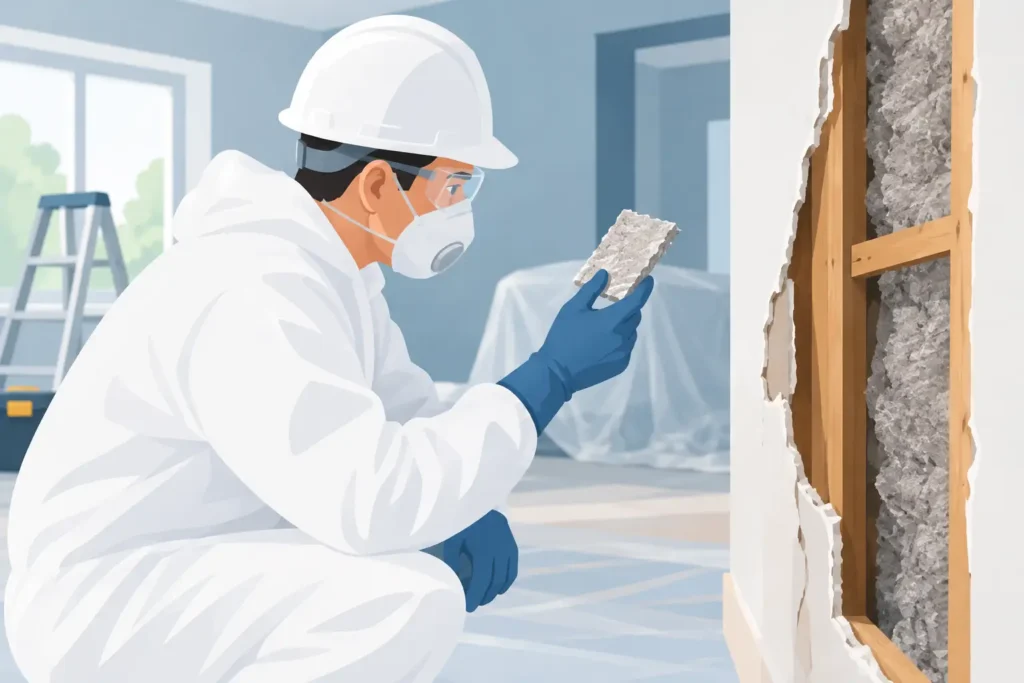
An asbestos renovation discovery can stop a project fast. Learn the safe steps for testing, containment, removal, and restarting work without risk.