

You notice it when you open the basement door, walk into a vacant unit, or turn on the heat after a damp week. That stale, earthy odor is not just unpleasant. In many cases, musty smell in house causes point to a moisture problem that can lead to mold growth, damaged materials, and declining indoor air quality.
A musty smell is usually a symptom, not the root issue. Air fresheners, candles, and surface cleaners may cover it briefly, but they do not stop the source. If the odor keeps returning, the real problem is often hidden behind drywall, under flooring, inside HVAC components, or in poorly ventilated spaces where moisture stays trapped.
What a musty odor usually means
That familiar musty smell is commonly produced when moisture collects in building materials and organic matter starts to break down. Mold and mildew are frequent contributors, but they are not the only ones. Wet wood framing, damp insulation, soaked carpet padding, dirty evaporator coils, and stagnant air in crawl spaces can all create the same type of odor.
The key issue is excess moisture. Mold needs water, a food source, and time. Most homes and commercial buildings already provide dust, drywall paper, wood, and fabric. When humidity rises or water enters the structure, the conditions become ideal for microbial growth.
The most common musty smell in house causes
Hidden water leaks
One of the most common musty smell in house causes is a slow leak that goes unnoticed for weeks or months. Plumbing leaks behind walls, under sinks, around tubs, or beneath appliances can keep materials damp long enough for mold to form out of sight.
These leaks are especially problematic because the smell often appears before visible staining does. By the time drywall softens or paint bubbles, contamination may already be spreading inside the wall cavity. In multi-unit properties and commercial spaces, the source may even be coming from an adjacent area rather than the room where the smell is strongest.
Basement and crawl space moisture
Basements are a prime source of musty odors because they naturally hold more humidity and are more vulnerable to groundwater intrusion. Cracks in foundation walls, poor drainage, sump pump failure, or condensation on cold surfaces can all leave the space persistently damp.
Crawl spaces create similar conditions, especially when they are poorly sealed or ventilated. Wet soil, standing water, and saturated insulation can send musty air upward into the rest of the building. If the house smells worse after rain, this area deserves close attention.
Roof leaks and attic condensation
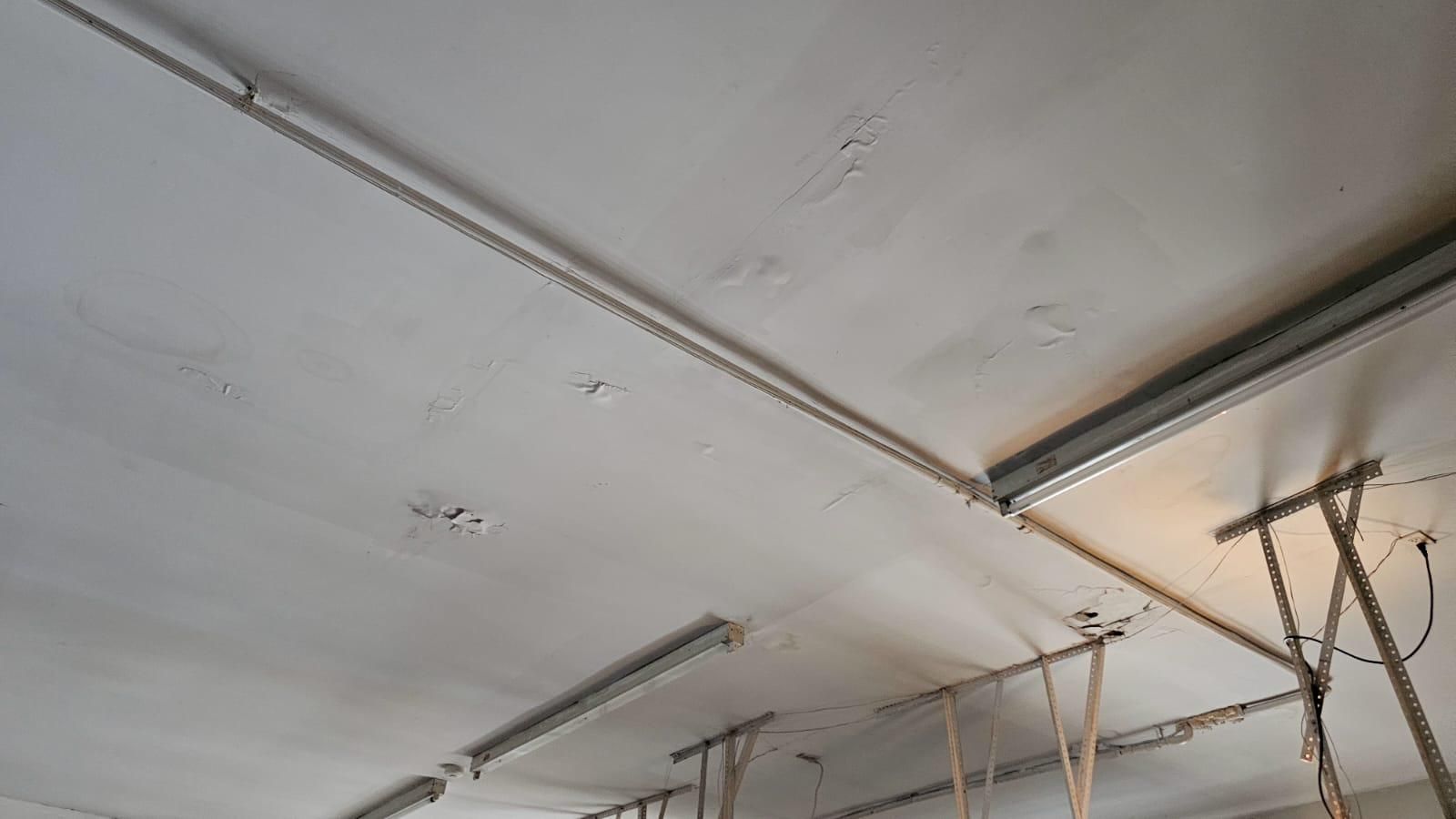
A roof leak does not always drip into plain view. Water can enter around flashing, vents, chimneys, or damaged shingles and soak insulation or wood framing in the attic. In colder months, poor ventilation can also cause condensation to build up under the roof deck.
Attic mold often goes undetected because homeowners rarely spend time there. The first clue may be a musty odor entering through ceiling fixtures, attic hatches, or HVAC ductwork routed through the space.
HVAC contamination
Your heating and cooling system can spread odors throughout the entire building. Dirty air handlers, clogged condensate drains, wet duct insulation, and mold growth on evaporator coils can all produce a musty smell when the system runs.
This is one of the more confusing scenarios because the odor may come and go with the thermostat. If the smell gets stronger when air conditioning starts, there may be moisture buildup inside the system. If it appears when heat first turns on, dust and microbial growth in ducts or around vents may be contributing.
High indoor humidity
Sometimes there is no single leak. Instead, the house stays too humid for too long. Bathrooms without proper exhaust, laundry rooms with poor ventilation, overcrowded storage, and tightly sealed buildings with limited air exchange can all trap moisture indoors.
Relative humidity above 60 percent raises the risk of mold growth on surfaces and inside hidden cavities. Even if visible mold is not obvious, porous materials like carpet, upholstery, ceiling tiles, and cardboard boxes can absorb moisture and develop a stale odor.
Previous water damage that was never fully dried
A property may smell musty long after a flood, pipe burst, sewer backup, or appliance overflow if drying was incomplete. This is common when water damage is treated as a simple cleanup issue instead of a structural drying problem.
Materials that look dry on the surface can still hold moisture internally. Subfloors, insulation, framing, and wall cavities often need professional moisture testing. If they were sealed up too soon, odor and microbial growth can continue behind finished surfaces.
Damp contents and stored materials
Not every odor source comes from the structure itself. Stored clothing, books, furniture, paper files, and boxes in damp rooms can absorb moisture and begin to smell musty. In rental units, offices, and basements, this can confuse the diagnosis because the odor seems to belong to the room rather than the items in it.
The trade-off here is that removing the contents may reduce the smell, but if the room remains humid, the problem usually returns. Contents contamination is often a sign of a wider moisture issue.
When a musty smell means mold is likely present
A musty odor does not automatically confirm active mold growth, but it is a strong warning sign when paired with water history or humidity problems. If you also notice staining, peeling paint, warped trim, recurring condensation, or allergy-like symptoms indoors, mold becomes much more likely.
The difficult part is that mold is often hidden. It can grow behind baseboards, under vinyl flooring, above ceiling tiles, inside insulation, or inside duct systems. Wiping visible spots with household cleaner may make the area look better while leaving the actual contamination untouched.
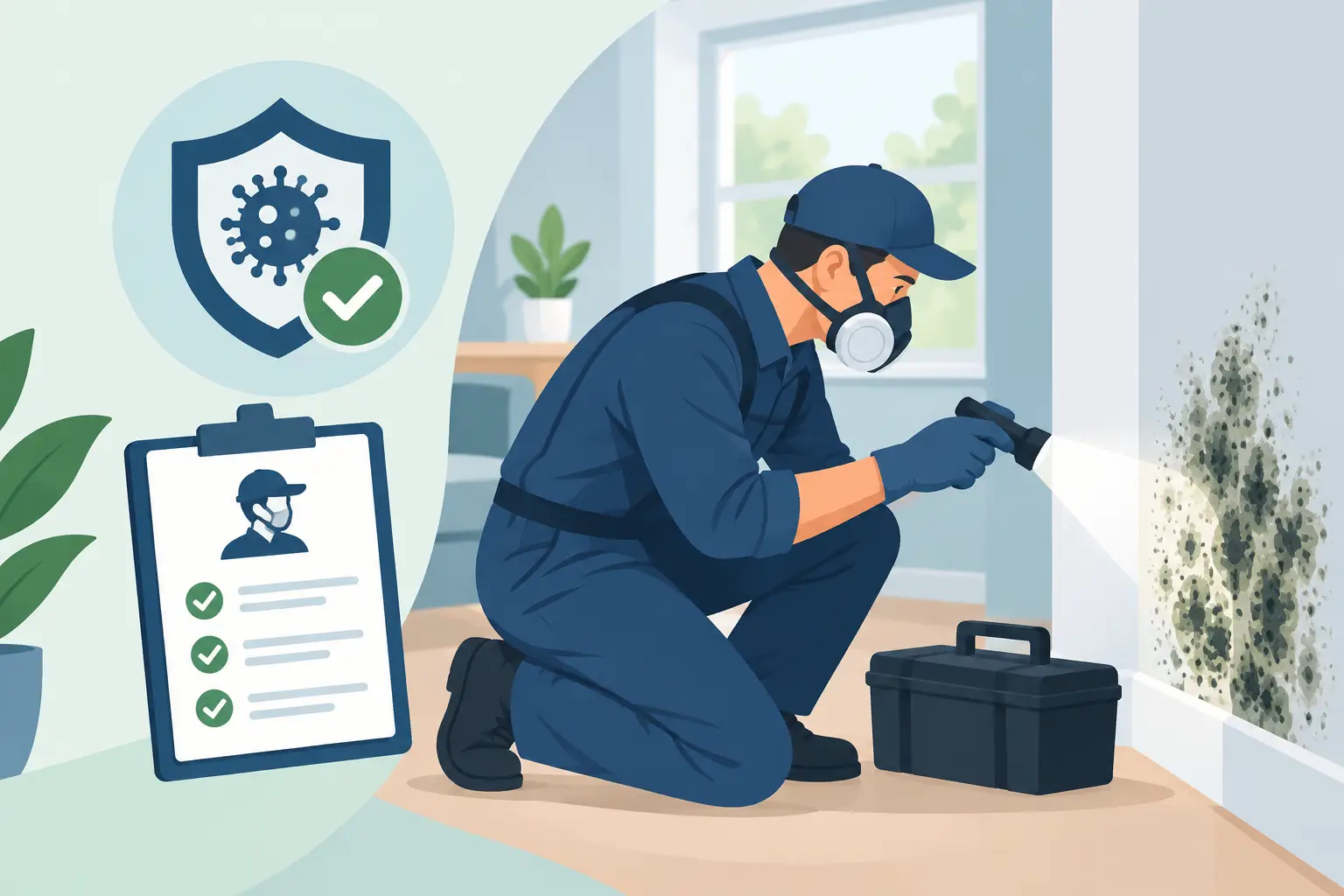
That is why professional inspection matters when the smell persists. Certified mold specialists use moisture meters, thermal imaging, and indoor air quality testing to identify whether the odor is tied to active hidden growth or another moisture-related issue.
Areas of the property that deserve immediate attention
Start with the spaces where moisture is most likely to collect. Basements, attics, crawl spaces, bathrooms, laundry rooms, utility closets, and mechanical rooms are common odor zones. Around windows, under sinks, behind dishwashers, near water heaters, and around HVAC equipment are also high-risk areas.
In commercial properties, check vacant suites, storage rooms, janitorial closets, and areas near rooftop units or plumbing risers. In rental properties, tenant complaints about a stale smell should never be dismissed as housekeeping alone, especially if multiple units are affected.
What not to do if your house smells musty
Do not paint over stained drywall, shampoo carpet without identifying the water source, or rely on deodorizers as a fix. These steps can delay proper diagnosis and allow contamination to spread further.
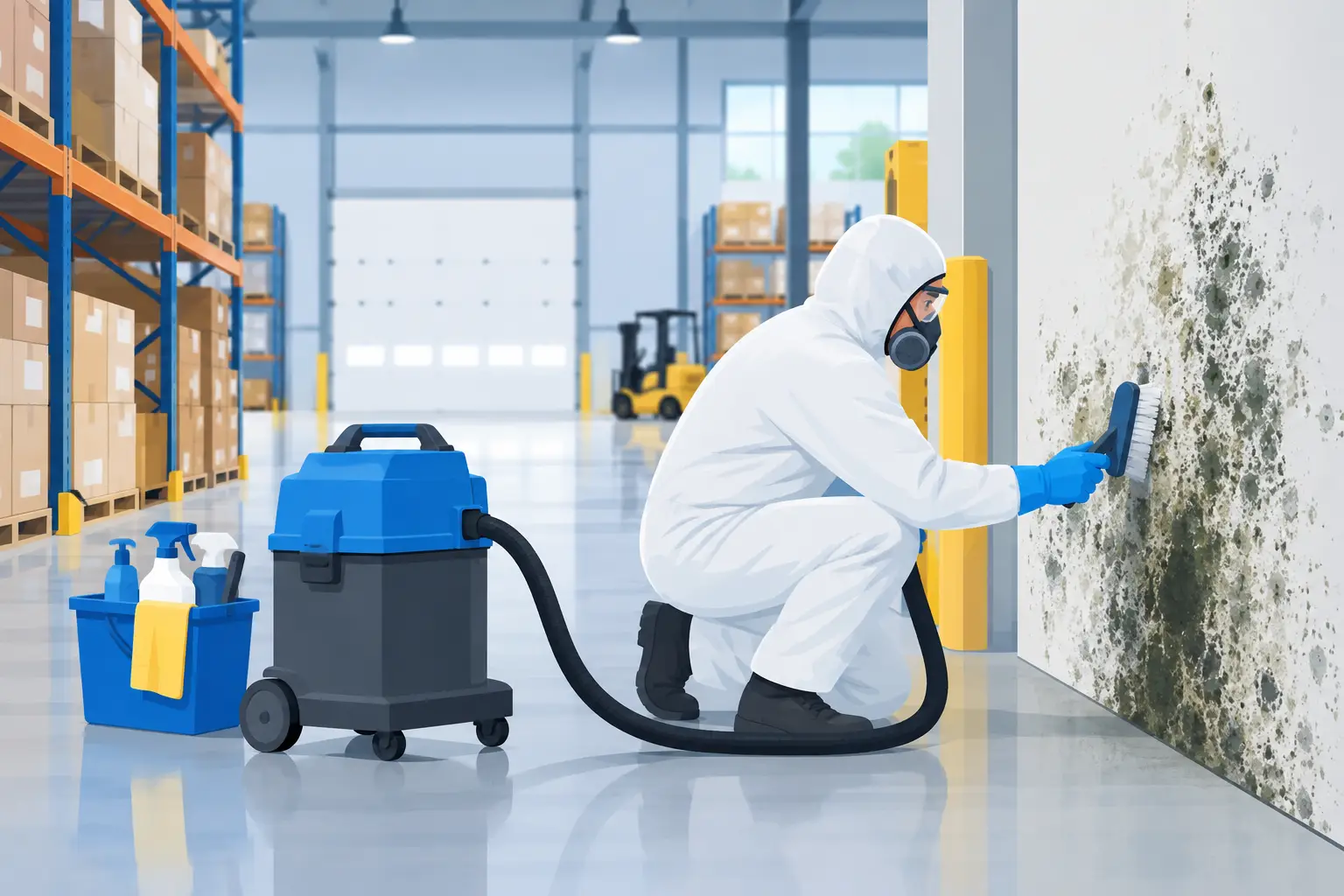
It is also risky to tear into suspected mold areas without containment, especially if the affected material is extensive. Disturbing contaminated drywall, insulation, or ceiling material can release spores into adjacent rooms. In older properties, there may also be asbestos-containing materials that require a controlled approach before demolition begins.
How professionals identify the real cause
A proper assessment is more than a visual check. The goal is to find the moisture source, determine how far contamination has spread, and verify whether indoor air quality has been affected.
This often includes moisture mapping, thermal imaging to locate hidden damp areas, humidity measurement, inspection of HVAC components, and targeted air or surface sampling when conditions call for it. In a service-based remediation model, the next step is not just removing odor-producing material. It is correcting the water source, containing affected zones, using HEPA filtration and negative air pressure when needed, and confirming the space is dry and safe.
For property owners who need certainty, that process matters. A quick cleaning may lower the smell for a week. Certified remediation is what addresses the cause.
When to call for expert help
If the odor lasts more than a few days, gets worse after rain or HVAC use, returns after cleaning, or is affecting multiple rooms, professional inspection is the safer move. The same is true if occupants are reporting headaches, respiratory irritation, or worsening allergy symptoms indoors.
For homeowners, landlords, property managers, and business owners, time matters. Small moisture issues are easier and less expensive to correct before they spread into structural materials or trigger tenant complaints and health concerns. Companies such as Mold Removal Remediation approach this as a full environmental issue, not a cosmetic one, which is exactly what persistent musty odors require.
A musty smell is your property telling you something is staying wet where it should not. The sooner you trace that moisture to its source, the sooner you can protect the building, the air inside it, and the people who depend on both.