

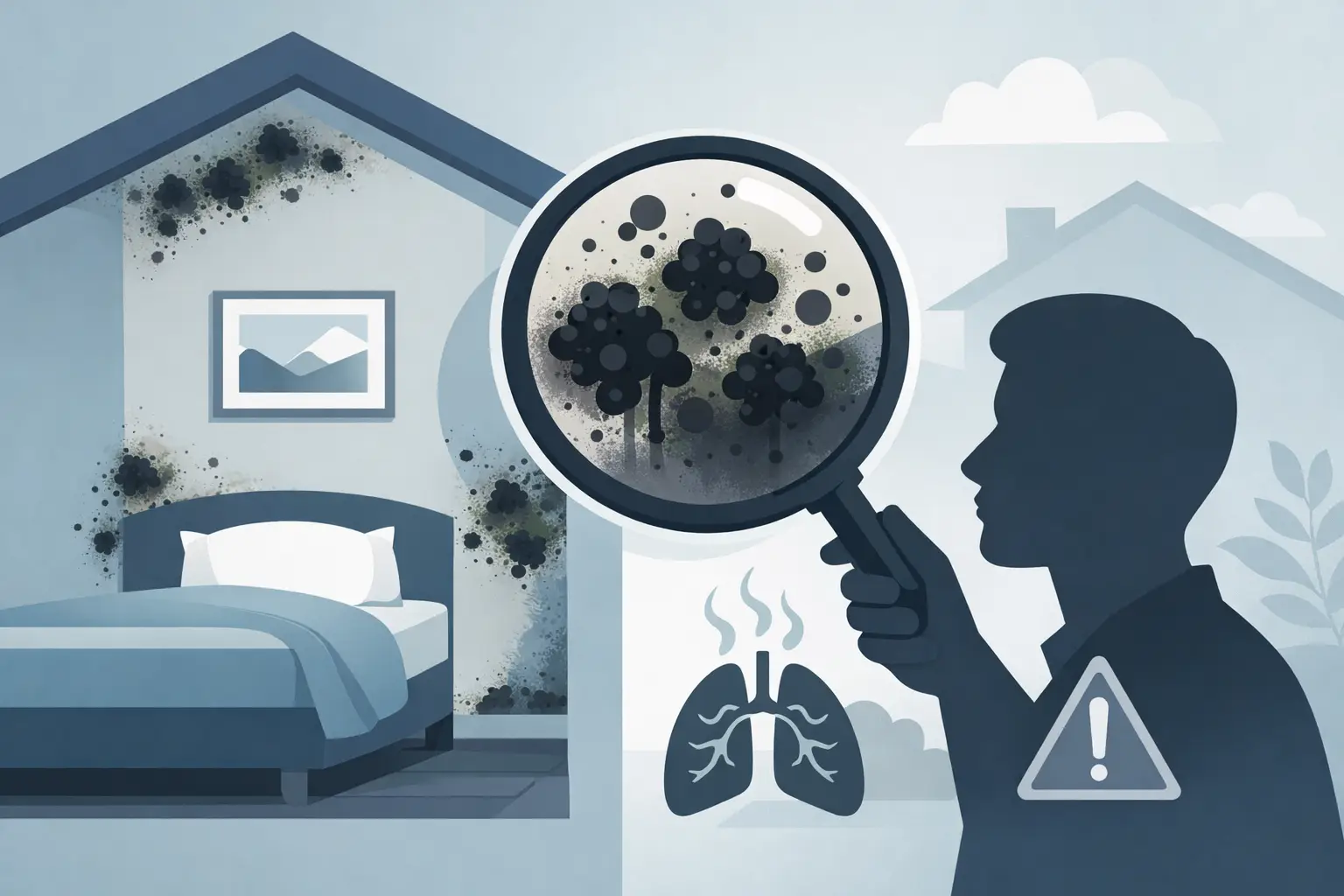
A dark patch spreading along a basement wall or around a bathroom ceiling can turn into a serious concern fast. If you are asking, is black mold dangerous, the short answer is yes – but the real risk depends on where it is growing, how extensive the contamination is, and who is being exposed.
Black mold is not just a cosmetic issue. It can affect indoor air quality, trigger health symptoms, damage building materials, and point to a larger moisture problem behind walls, under flooring, or inside HVAC systems. For homeowners, landlords, property managers, and business owners, the biggest mistake is assuming that if you wipe away the visible staining, the problem is solved.
Is black mold dangerous or just overhyped?
The term black mold is often used broadly, and that creates confusion. Not every dark-colored mold is the same species, and not every black-looking patch is equally harmful. In many cases, people are referring to Stachybotrys chartarum, a mold that can grow on damp drywall, wood, insulation, and other cellulose-rich materials after prolonged moisture exposure.
That said, the color alone does not determine the hazard. What matters is active mold growth indoors. Whether the mold is black, green, brown, or white, indoor contamination should be taken seriously because mold releases spores and fragments into the air. Some molds can also produce mycotoxins under certain conditions, which adds another layer of concern.
So yes, black mold can be dangerous, but the real issue is not just the label. The issue is an active moisture-driven contamination problem inside a space where people live, work, or sleep.
Why black mold becomes a health concern
Mold exposure affects people differently. Some individuals may notice mild symptoms, while others react quickly and more severely. In buildings with hidden contamination, exposure can continue for weeks or months before anyone connects symptoms to indoor mold.
Common symptoms associated with mold exposure include coughing, sneezing, throat irritation, sinus congestion, headaches, itchy eyes, skin irritation, and worsening asthma. People with allergies, respiratory conditions, weakened immune systems, or chronic health issues are often more vulnerable. Young children and older adults may also be more sensitive.
One of the biggest problems with black mold is that it often grows where moisture has been present for a long time. That means the contamination may be more extensive than what is visible on the surface. When mold is disturbed during cleaning, renovation, or even normal airflow, spores can spread further through the property.
This is why a musty smell should never be ignored, even if the affected area looks small. Odor often signals hidden growth inside wall cavities, under baseboards, beneath carpeting, or around plumbing leaks.
Who faces the highest risk?
A healthy adult may not experience the same symptoms as a child with asthma or a tenant with chronic respiratory issues. Risk is not one-size-fits-all. In residential and commercial settings, the people most likely to be affected include anyone with asthma, mold allergies, immune suppression, recurring sinus issues, or long-term exposure in poorly ventilated areas.
For landlords and property managers, this matters beyond health alone. Mold complaints can escalate into habitability concerns, insurance complications, and disputes over maintenance responsibilities if the moisture source is not corrected properly.
What black mold does to your property
Even when health symptoms are mild, structural damage can become expensive. Mold feeds on organic materials such as drywall paper, wood framing, ceiling tiles, and insulation. Over time, moisture and microbial growth weaken these materials and can lead to staining, warping, soft spots, and deterioration.
In a commercial space, this can affect more than walls and ceilings. It can disrupt operations, create concerns among employees or tenants, and damage stored inventory or equipment. In a residential property, delayed action can turn a small leak behind a vanity or washing machine into a larger remediation project involving demolition, containment, and post-remediation verification.
Mold is often a symptom of another issue, not the root problem itself. Roof leaks, plumbing failures, condensation, poor ventilation, basement seepage, and flood damage all create the conditions mold needs. If the moisture source remains, mold usually returns.
Is black mold dangerous if it is only in one small area?
Sometimes yes, sometimes no. A small visible patch around a window frame may reflect a localized condensation issue. But a small patch can also be the surface clue to hidden contamination inside the wall or ceiling cavity. Size matters, but so do location, material type, and moisture history.
If mold appears after a one-time spill that was dried immediately, the risk profile is different from mold found in a chronically damp basement or after a slow plumbing leak that went unnoticed for months. A tiny amount of visible mold in a sensitive environment, such as a nursery, medical office, or occupied rental unit with vulnerable tenants, may still require urgent professional attention.
This is where proper inspection matters. Visual cleanup without moisture testing can miss the real extent of damage.
Why DIY cleaning often falls short
Many people try bleach or store-bought sprays first. That may remove surface staining on non-porous materials, but it does not address hidden growth, contaminated porous materials, or airborne spread. On drywall, insulation, and unfinished wood, surface cleaning is rarely a complete solution.
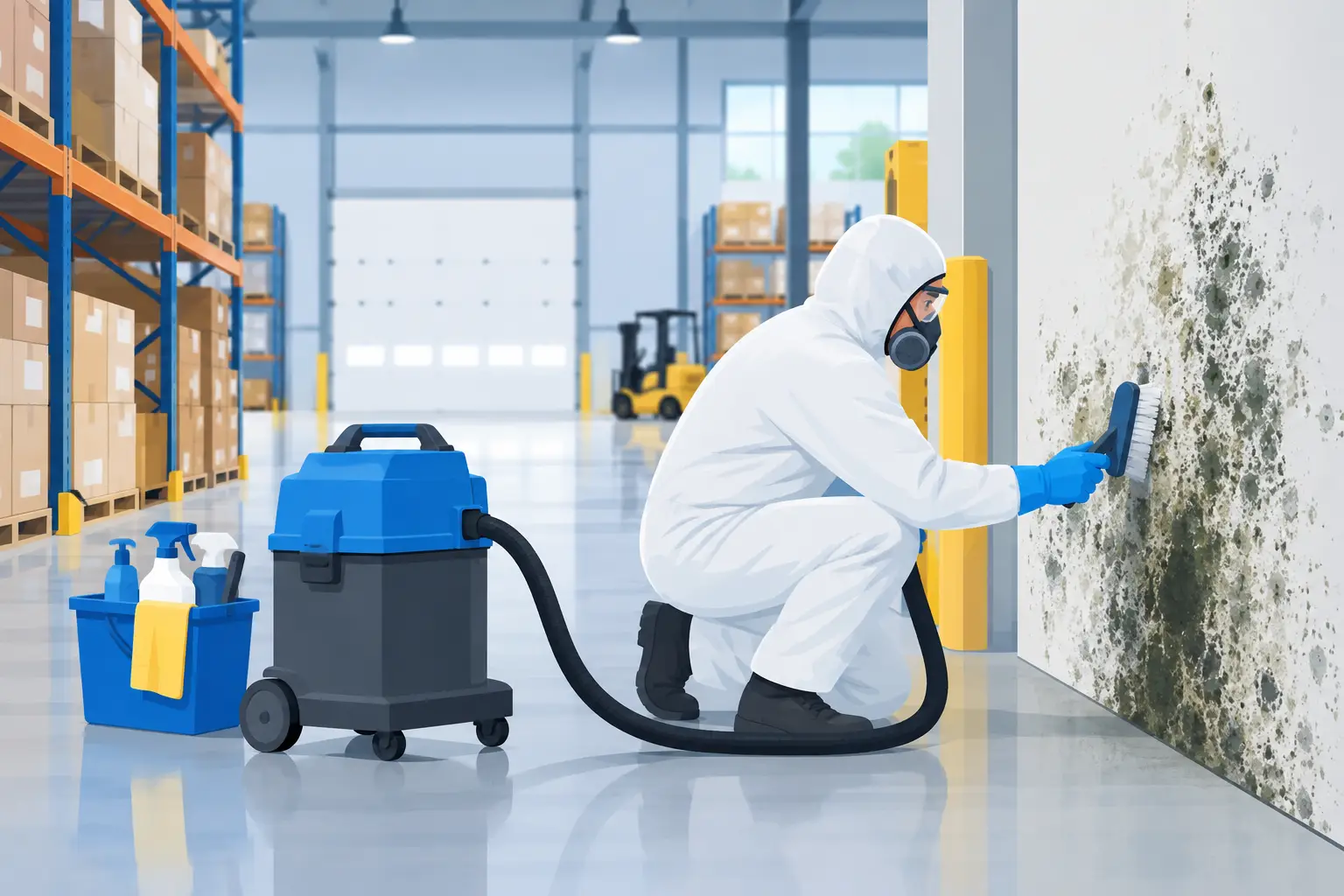
There is also a safety issue. Scrubbing mold without containment can release spores into surrounding rooms. Using fans, tearing out drywall, or dry-brushing contaminated surfaces can make things worse if the area has not been isolated properly.
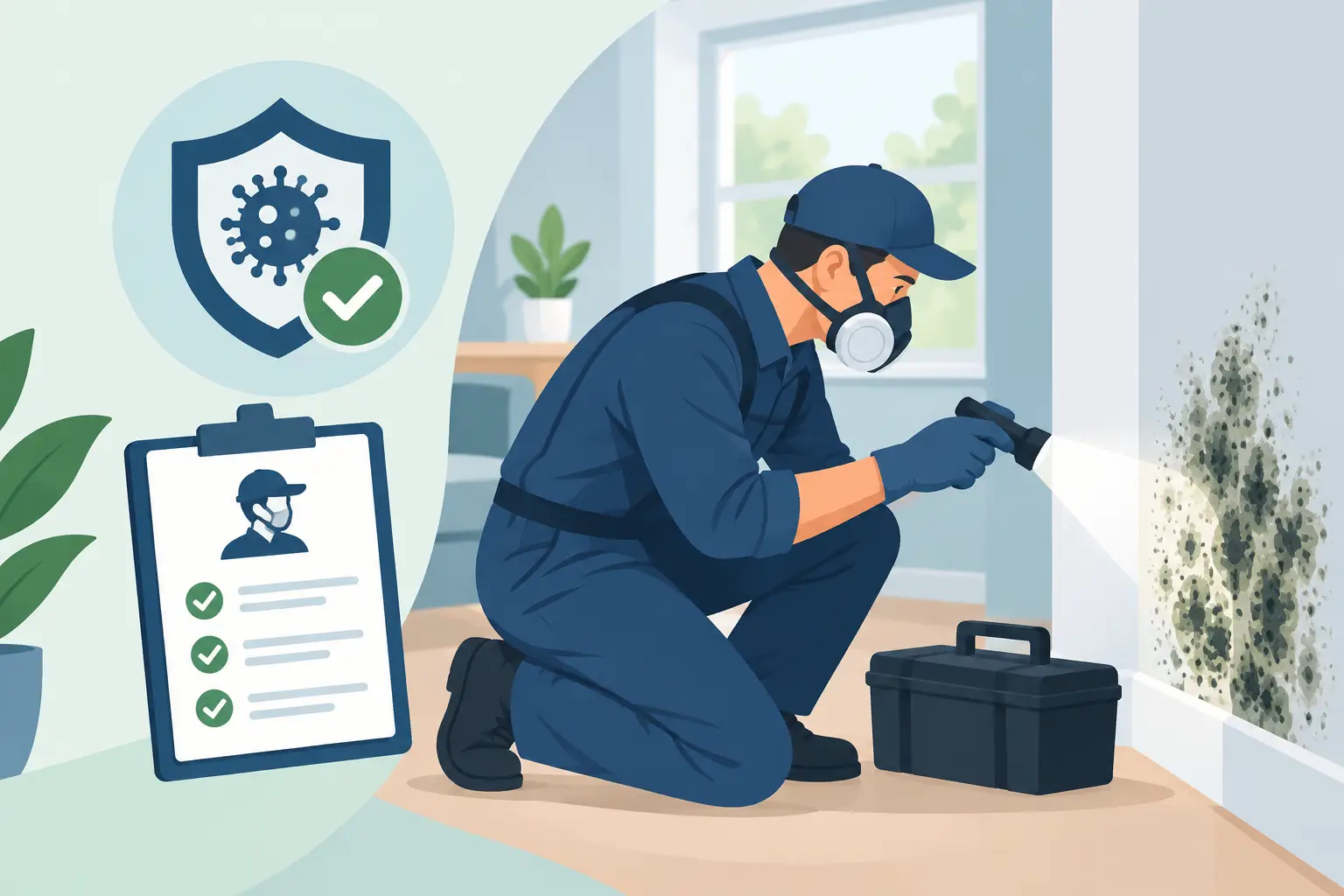
Professional remediation is different from basic cleaning. A certified remediation process typically includes inspection, moisture mapping, source identification, containment, negative air pressure, HEPA filtration, controlled removal of contaminated materials, cleaning of adjacent surfaces, and post-remediation testing when needed. That process is designed to solve the problem at its source and prevent cross-contamination.
How professionals determine the real danger
When a property owner asks whether black mold is dangerous, the most accurate answer comes from a site-specific assessment. Certified inspectors and remediation professionals look beyond what is visible.
That usually includes checking moisture levels in walls and floors, using thermal imaging to identify concealed damp areas, evaluating odors and airflow patterns, and determining whether the growth is active and spreading. In some cases, indoor air quality testing or surface sampling may be appropriate, especially when occupants report symptoms but the source is hidden.
The goal is not to create alarm. It is to define the actual scope of contamination and build a safe remediation plan based on evidence.
For example, mold around a bathroom ceiling caused by poor ventilation may require targeted removal and airflow correction. Mold after a flood or pipe break may involve a much larger response, including multiple rooms, damaged insulation, and subfloor drying. The remediation strategy should match the problem.
Signs you should not wait
Some mold problems can escalate quickly. If you notice persistent musty odors, visible dark staining that keeps returning, bubbling paint, warped drywall, recent water damage, or worsening respiratory symptoms indoors, it is time to act. The same is true if tenants, employees, or family members are complaining about air quality.
Urgency matters most when contamination is spreading, when sensitive occupants are involved, or when the source is a hidden leak. Waiting rarely makes remediation simpler or cheaper.
For property owners in Toronto and the GTA, Mold Removal Remediation handles these cases with certified inspection, containment, removal, and air quality-focused remediation designed for long-term results rather than quick cosmetic cleanup.
The right question is not just “is black mold dangerous”
A better question is this: how dangerous is the mold situation in this specific property, and what is causing it to persist? That shift matters because mold problems are rarely solved by appearance alone. Two rooms can look similar on the surface and require very different responses.
If the moisture source is corrected early and the contamination is handled properly, the risk can usually be brought under control. If the issue is ignored or treated as a simple cleaning job, health complaints, property damage, and repeat growth become much more likely.
If you suspect black mold, treat it as a building safety issue, not a stain. The right next step is a professional inspection that identifies the moisture source, measures the extent of contamination, and determines whether safe remediation is needed before the problem spreads further.
Protecting indoor air and protecting the structure usually start with the same decision – taking the first signs seriously.