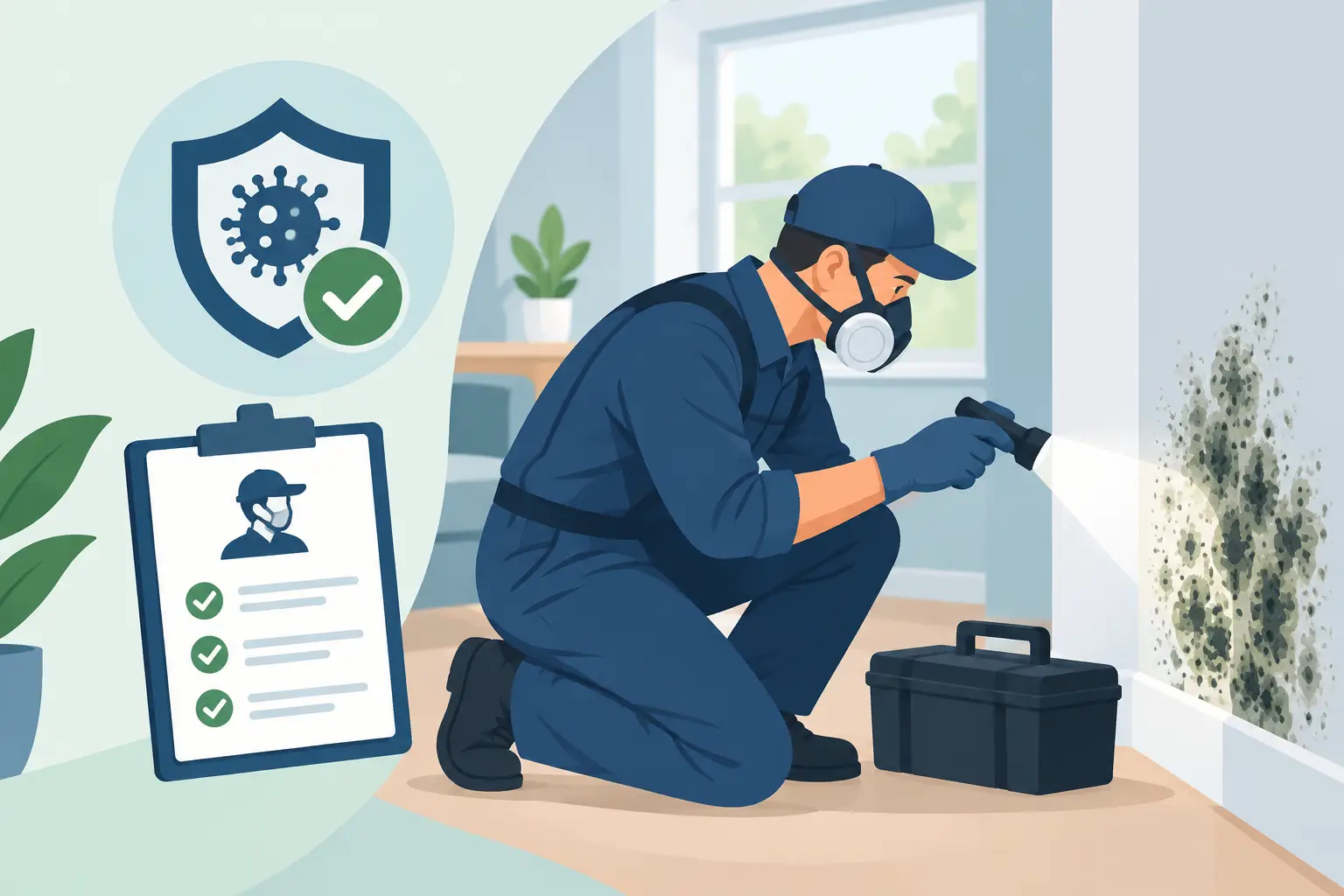



A musty odor after a leak, dark growth under a sink, or tenant complaints about indoor air can create pressure to hire the first company that answers the phone. But mold work done poorly can spread contamination, leave the moisture problem untouched, and create a second, more expensive cleanup. Knowing how to choose a mold contractor helps protect the people in the building as well as the value of the property.
The right contractor does more than spray, wipe, or paint over visible staining. They investigate where moisture is coming from, determine the extent of affected materials, isolate the work area, remove contamination safely, and explain how the work will be verified. For homes, rental properties, offices, and commercial facilities, that full process matters.
How to Choose a Mold Contractor With Confidence
Start by looking for specialized remediation experience and credentials that relate directly to mold and indoor environmental work. A general contractor may be skilled at rebuilding drywall or repairing a bathroom, but mold remediation requires separate knowledge of contamination control, moisture behavior, worker protection, and HEPA cleaning.
Ask what training and certifications the company holds and whether its technicians follow recognized remediation standards. Credentials such as IICRC certification, along with qualifications in mold inspection and indoor air quality, indicate that a contractor has invested in professional procedures. Certifications alone do not guarantee quality, but a company should be able to explain what its credentials mean and how they guide the work.
Insurance and workplace coverage should also be straightforward to verify. Mold projects can involve demolition, contained work zones, and potentially hazardous building materials. A legitimate contractor should carry appropriate liability coverage and protect its employees. If a provider avoids these questions or gives vague answers, treat that as a serious warning sign.
Insist on an Inspection Before a Removal Quote
No contractor can responsibly promise a complete mold removal price after seeing one photo or hearing that a basement smells damp. Surface growth may be the visible symptom of moisture behind a wall, under flooring, inside ductwork, or around a roof or plumbing penetration. The scope must be assessed before a meaningful plan can be written.
A thorough inspection may include a visual review, moisture meter readings, thermal imaging, and evaluation of nearby materials. Thermal imaging can identify temperature differences that suggest hidden moisture, while moisture meters help confirm whether materials remain wet. Neither tool is magic on its own. Used together with building knowledge and targeted investigation, they help identify where the real problem begins.
Ask the contractor to explain whether mold sampling or indoor air testing is useful in your situation. Testing can be valuable when contamination is hidden, occupants report health concerns, a commercial facility needs documentation, or clearance verification is required. However, visible mold and obvious moisture damage do not always need a lab result before action begins. The key is that the contractor explains the reason for testing rather than using it as an automatic add-on.
Evaluate the Written Scope, Not Just the Price
Two estimates can have very different prices because they describe very different jobs. One may include proper containment, removal of damaged drywall, HEPA air filtration, detailed cleaning, and clearance testing. Another may only include surface treatment. Comparing the final number without comparing the scope can lead to an unsafe decision.
A clear written proposal should identify the affected area, the materials to be removed or cleaned, the containment method, equipment to be used, and the expected steps after removal. It should also state who is responsible for correcting the moisture source. Remediation and repair are often connected, but they are not always performed by the same contractor. For example, a mold company may remove wet materials and clean the area, while a plumber repairs the leaking pipe and a restoration contractor rebuilds the wall.
Be cautious with guarantees that promise mold will never return under any circumstances. Mold cannot grow without moisture, so long-term results depend on correcting leaks, humidity, condensation, drainage, or ventilation problems. A dependable contractor will explain that trade-off clearly and provide practical recommendations for preventing recurrence.
Ask How the Work Area Will Be Contained
Containment separates the affected zone from cleaner parts of the building. This is especially important when contaminated drywall, insulation, carpeting, or other porous materials must be removed. Without proper controls, disturbed spores and dust can travel through rooms, hallways, and HVAC pathways.
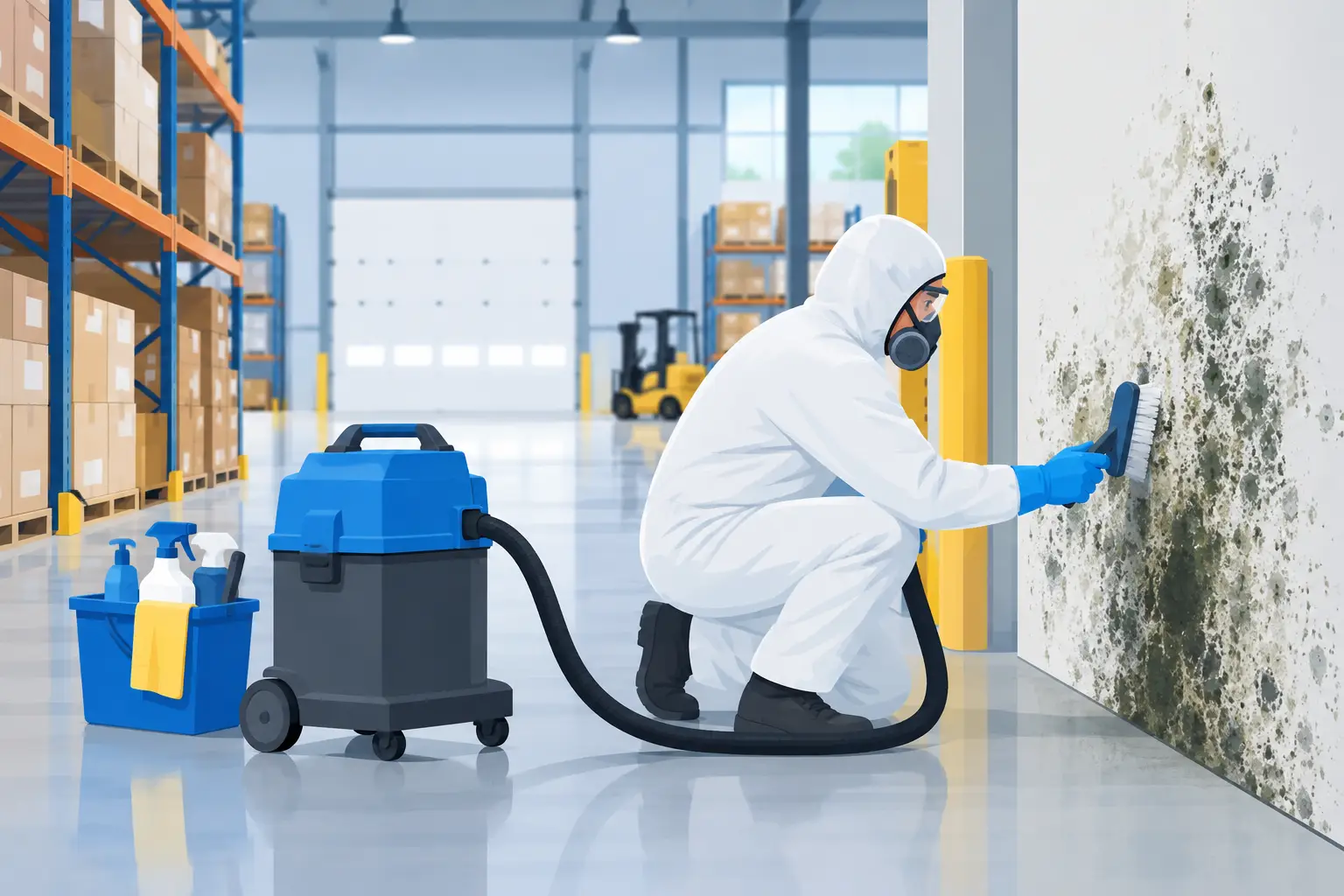
For anything beyond a small, isolated area, ask whether the contractor will use plastic barriers, sealed access points, negative air pressure, and HEPA-filtered air scrubbers. Negative air systems help direct air into the contained workspace rather than allowing particles to escape into occupied areas. Workers should also use appropriate protective equipment and follow clean work practices when entering and leaving the area.
The required level of containment depends on the size of the affected area, the type of materials involved, the building layout, and whether occupants have heightened sensitivity. A small patch of surface mold on a nonporous bathroom tile wall may not require the same controls as a water-damaged apartment bedroom or a commercial office with contamination above a suspended ceiling. What matters is that the plan matches the risk.
Confirm That Cleaning Includes More Than Chemicals
A contractor should never present chemical spraying as the entire solution. Antimicrobial products may be used in specific situations, but they do not remove mold-damaged porous material, correct water intrusion, or replace detailed cleaning. In fact, excessive reliance on fogging or fragrances can mask an odor while leaving the contamination source in place.
Professional remediation often involves controlled removal of unsalvageable materials, HEPA vacuuming of remaining surfaces, damp wiping where appropriate, and disposal practices that prevent cross-contamination. The contractor should tell you which materials can be cleaned and which must be removed. Drywall, insulation, particleboard, and carpet padding commonly need removal when significantly affected because mold can grow within their porous structure.
If the property was built or renovated before modern material standards, ask about asbestos and lead considerations before demolition begins. Suspect materials should be tested when appropriate and not disturbed casually. Mold remediation and asbestos testing are separate services, but a qualified environmental contractor recognizes when one issue may affect the safety of the other.
Ask Who Performs Post-Remediation Verification
The work is not necessarily complete when the visible mold is gone. The affected materials should be dry, the area should be visibly clean, and the underlying moisture condition should be addressed. Depending on the project, post-remediation verification may include a final visual inspection, moisture readings, and air quality or surface testing.
For larger losses, sensitive occupants, landlord-tenant disputes, real estate transactions, or commercial properties, independent clearance testing can offer added assurance. An independent assessor has no financial incentive to pass remediation work they performed themselves. For smaller, straightforward projects, documented visual and moisture verification may be appropriate. A trustworthy contractor will explain the options instead of claiming that one method fits every job.
Request documentation of the completed work, including the initial findings, scope, photos when relevant, moisture readings, materials removed, and any test results. These records can support insurance discussions, property management files, future maintenance, and communication with tenants or buyers.
Watch for Warning Signs Before You Sign
Fast response is valuable when water damage or active moisture is present, but urgency should not replace due diligence. Be skeptical of a contractor who diagnoses a major hidden mold problem without inspecting the property, pressures you to sign immediately, refuses to provide a written scope, or cannot explain how containment will work.
Other concerns include cash-only demands, unusually low bids with no detail, promises to solve the issue with a single spray treatment, and recommendations to remove large areas of material without evidence. You should also question estimates that do not address the moisture source. The goal is not simply to make the room look clean. It is to return the area to a dry, safe, and properly cleaned condition.
Choosing a certified remediation provider is ultimately about asking for evidence: evidence of training, evidence of the moisture source, evidence of a safe work plan, and evidence that the job is complete. If answers are clear and documented, you can move forward with far more confidence and give your property the conditions it needs to stay healthy.