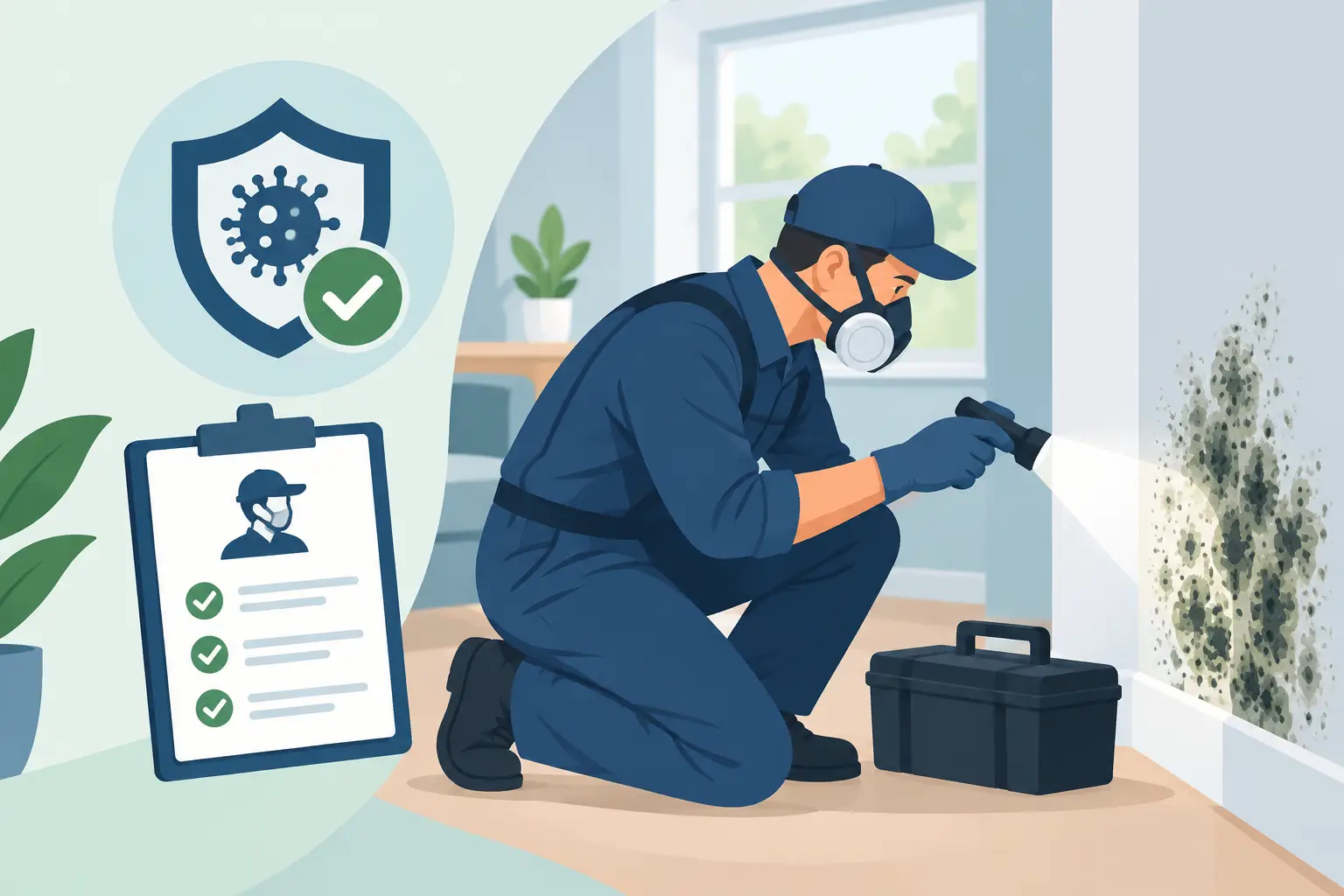



A musty basement, a spreading patch behind drywall, or a tenant complaint after a leak creates one urgent question: how long does mold remediation take? For many homes and small commercial properties, the active remediation work takes one to five days. Larger, hidden, or moisture-related problems can take one to several weeks when drying, reconstruction, and post-remediation verification are included.
The right timeline is not based on how quickly visible mold can be wiped away. It depends on the size of the affected area, the materials involved, the source of moisture, and whether contamination has spread behind walls, under flooring, or through HVAC components. A professional remediation plan focuses on removing contamination safely and correcting the conditions that allowed it to grow.
How Long Does Mold Remediation Take From Start to Finish?
A small, contained mold issue may be inspected, remediated, and cleared within a few days. For example, limited growth beneath a bathroom vanity caused by a repaired plumbing leak may require one day of containment and removal, followed by drying and verification.
A moderate issue involving a finished basement, a wall cavity, or wet carpeting often takes three to seven days of active work. The crew may need to establish containment, remove affected porous materials, clean structural surfaces, run HEPA air filtration, and monitor moisture levels before the area can be cleared.
Extensive mold caused by flooding, a long-term roof leak, repeated plumbing failures, or hidden moisture inside multiple rooms can take two weeks or longer. This is especially true when drywall, insulation, flooring, cabinetry, or framing must be removed and the property needs structural drying before reconstruction begins.
Remediation and rebuilding are separate stages. Removing mold-damaged materials may be completed quickly, but replacing drywall, painting, reinstalling flooring, or rebuilding cabinets can extend the total project timeline. A clear scope of work should distinguish remediation from repairs so there are no surprises.
What Determines the Mold Remediation Timeline?
The most significant factor is the extent of contamination. Mold on a small, accessible section of nonporous material is very different from mold growing behind finished walls or beneath a floating floor. What looks like a minor stain may be connected to a larger hidden moisture problem.
The source of water also matters. If the leak, condensation issue, foundation seepage, or roof intrusion is still active, remediation cannot be considered complete. The moisture source must be corrected or controlled before the area is closed back up. Otherwise, mold can return and the property owner may face the same disruption again.
Material type affects both removal and drying time. Porous materials such as drywall, insulation, ceiling tiles, carpeting, and particleboard often need to be removed when mold growth is established. Solid framing, concrete, metal, and some hard surfaces can often be cleaned when they remain structurally sound, though they may require detailed treatment and moisture verification.
Access can also change the schedule. Mold in an open utility room is faster to address than contamination inside a ceiling cavity, beneath built-in cabinetry, or in an occupied commercial space where work must be scheduled around employees, tenants, customers, or business operations.
The Typical Remediation Process and Timing
A professional project begins with inspection and moisture investigation. Depending on the property and the available access, this can take several hours to a full day. Specialists use visual assessment, moisture meters, thermal imaging, and, when appropriate, air or surface sampling to understand where moisture and contamination are present.
Once the scope is confirmed, the affected area is contained. For small projects, this may take a few hours. Larger areas can require one or more days to build critical barriers, seal openings, protect unaffected spaces, and set up negative air pressure. Containment is not a cosmetic step. It prevents disturbed spores and debris from moving into clean areas during removal.
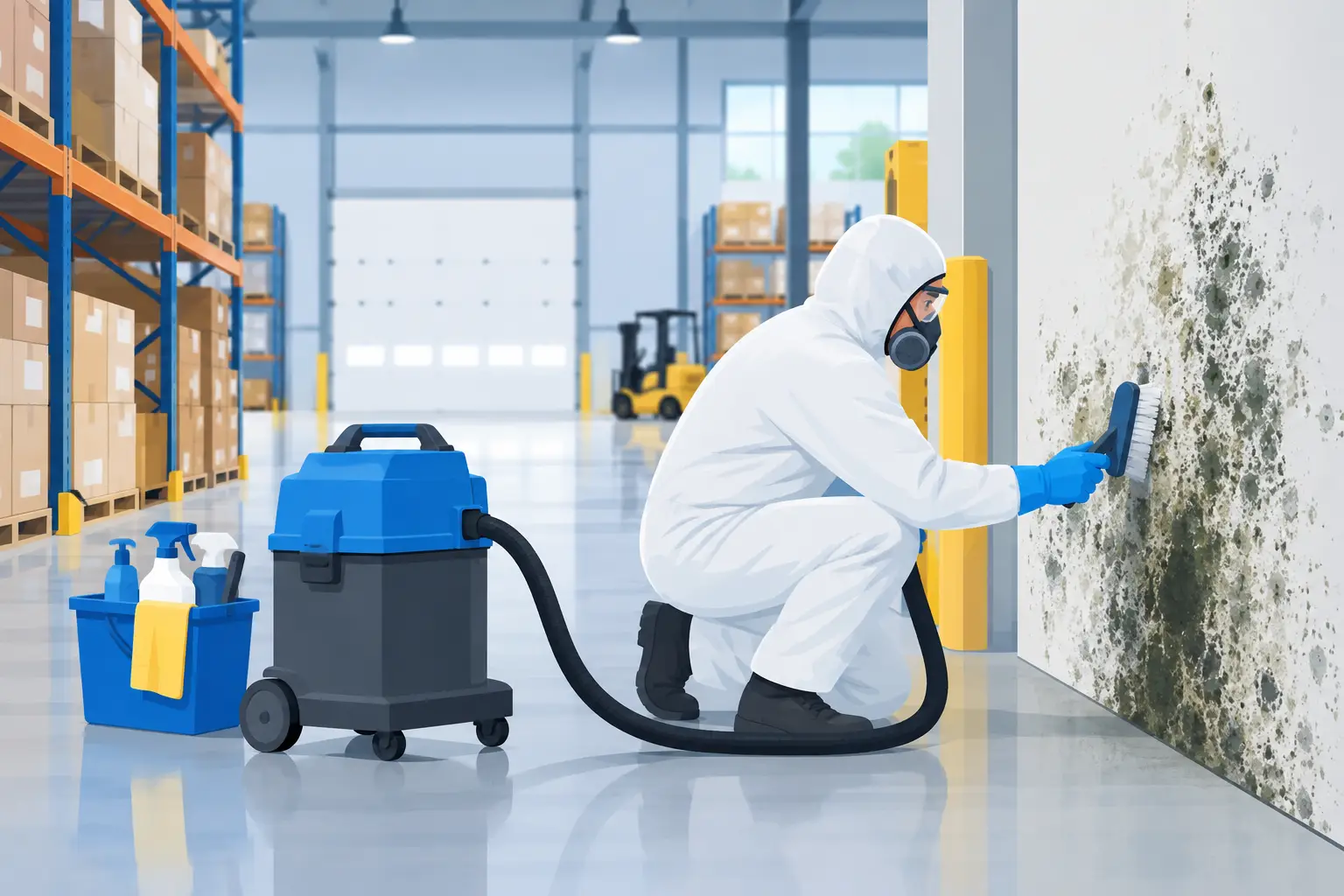
The removal and cleaning phase commonly takes one to three days for standard residential work. Damaged porous materials are carefully removed, bagged, and disposed of. Remaining surfaces are HEPA vacuumed and cleaned using methods appropriate for the material and level of contamination. Air scrubbers with HEPA filtration may run throughout the project and afterward to help control airborne particles within the contained work zone.
Drying can be the longest variable. A recently repaired leak may leave building materials damp even after visible water is gone. Dehumidifiers, air movers, and moisture monitoring may be needed for several days. The area should meet acceptable dry standards before new drywall, insulation, or flooring is installed.
Finally, post-remediation verification may be performed. A visual inspection confirms that affected materials have been removed and the work area is clean. Depending on the project, clearance testing can add time because samples may need to be analyzed by a laboratory. This step provides additional confidence for property owners, tenants, buyers, and managers who need documented results.
Why Fast Is Not Always Better
When mold is discovered, it is understandable to want the work completed immediately. Fast response is valuable because it can limit further moisture damage and reduce disruption. However, rushed work that skips containment, fails to locate the water source, or closes wet materials behind new finishes is not a solution.
A proper remediation team balances urgency with control. They isolate the work area, remove materials safely, use professional-grade HEPA filtration, and verify that moisture conditions are suitable before the project moves forward. This approach may add a day or two compared with superficial cleaning, but it reduces the risk of repeated mold growth and unnecessary repair costs.
For occupied properties, scheduling also deserves attention. Residents may need to avoid the contained work area, while businesses may need phased work to maintain operations. A qualified contractor can explain what spaces will be inaccessible, whether belongings need to be moved, and how occupants can be protected during the project.
Can You Stay in the House During Mold Remediation?
In many cases, yes. If the contamination is limited and the work zone is properly isolated, occupants can often remain in unaffected parts of the home or building. Negative air machines and containment barriers are used to help keep the remediation area separated from occupied spaces.
Temporary relocation may be advisable when contamination is extensive, multiple rooms are affected, the HVAC system is involved, or an occupant has heightened sensitivity to poor indoor air conditions. Families with young children, older adults, or people with respiratory concerns should discuss their situation with the remediation professional and their healthcare provider when appropriate.
How to Avoid Delays in Your Project
The fastest path to a complete result is early action. Do not wait for a small stain or persistent odor to become a larger demolition project. If water damage is visible, dry the area promptly and arrange an inspection when moisture, staining, or odor remains.
Property owners can also help by providing access to affected rooms, utility areas, crawl spaces, and maintenance records related to leaks or flooding. Let the inspection team know about prior repairs, recurring condensation, roof issues, plumbing problems, or tenant reports. That information can help identify the root cause sooner.
Avoid painting over mold, applying fragrance products to cover odors, or removing moldy materials without containment. These actions can make the inspection less clear, spread debris, and delay an effective remediation plan.
When Professional Mold Remediation Is Worth the Time
Professional help is especially appropriate when mold covers more than a small isolated area, returns after cleaning, follows water damage, appears in hidden locations, or is connected to a musty odor with no visible source. It is also the safer choice for rental properties, commercial spaces, and situations requiring documentation for tenants, insurers, or future property transactions.
Mold Removal Remediation approaches each project as an indoor environmental issue, not simply a surface-cleaning task. Certified assessment, moisture detection, containment, removal, HEPA filtration, and post-remediation validation help protect the property and the people using it.
A few extra days spent finding the moisture source and completing the work correctly can prevent months of recurring odors, damaged finishes, tenant concerns, and avoidable repairs. The goal is not merely to make mold disappear from view, but to return the space to a clean, dry condition you can trust.