

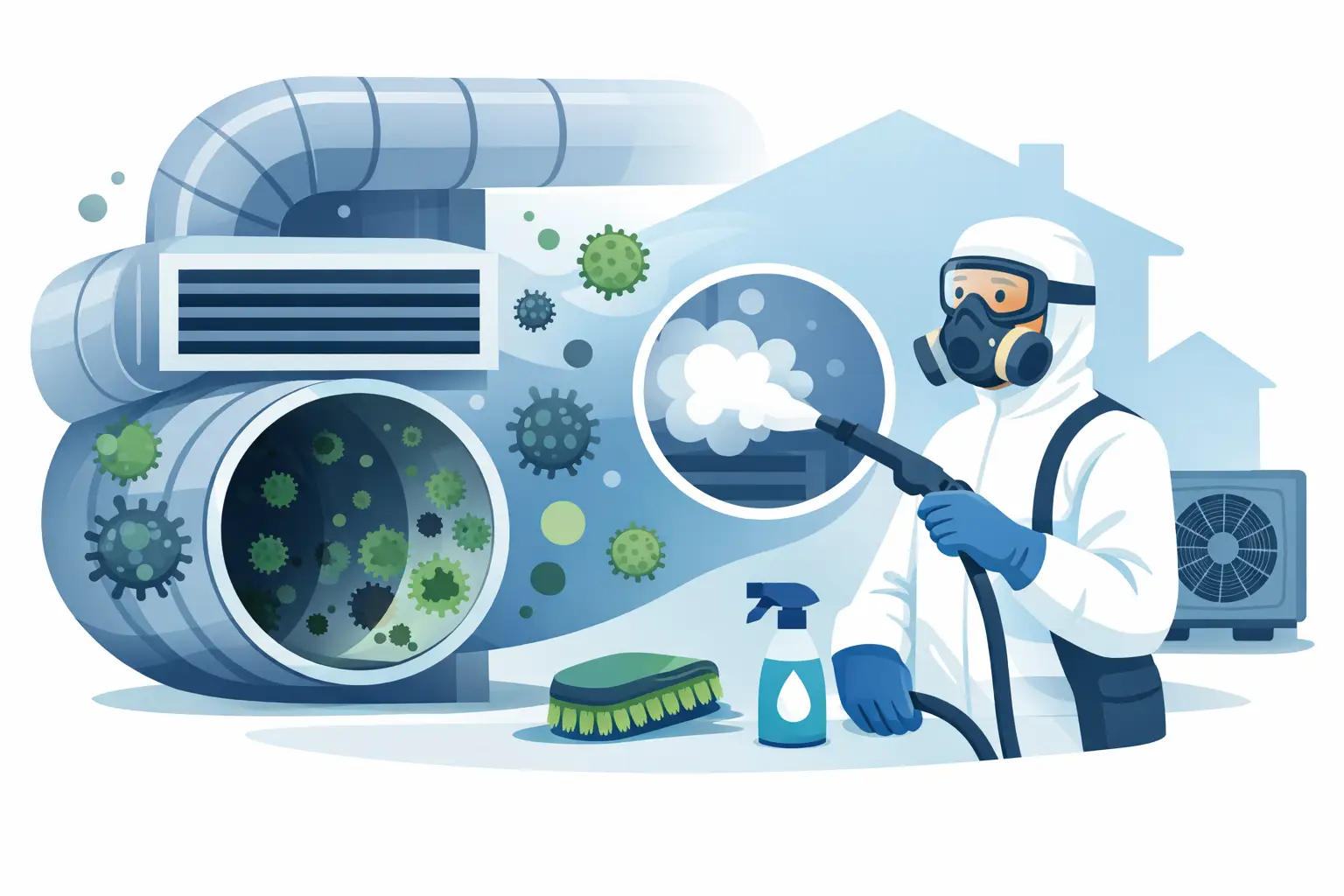
A musty odor that starts when the air conditioner or furnace turns on is not something to mask with air freshener. Mold in HVAC system components can circulate spores, fragments, and odors through the same equipment meant to make your property comfortable. For homeowners, landlords, property managers, and business owners, the right response is to identify the moisture source, determine how far contamination has spread, and correct both problems safely.
Why Mold Grows in HVAC Equipment
Heating, ventilation, and air conditioning systems create conditions mold needs: moisture, dust, organic debris, and limited airflow in certain areas. Cooling coils remove humidity from indoor air, which produces condensation. That water should drain through a clean, properly sloped condensate line and pan. When the drain is clogged, the pan overflows, insulation stays wet, or water remains around the coil, microbial growth can begin.
Dirty filters and neglected maintenance add another layer of risk. Dust can collect on coils, blower components, drain pans, supply registers, and duct liners. Dust alone is not mold, but it can provide food for mold when moisture is present. High indoor humidity, roof leaks near ductwork, plumbing leaks, flooding, and poorly insulated ducts can also create hidden contamination.
Not every dark mark inside a vent is mold. It may be dust, soot, or residue. However, a visible stain combined with moisture damage or a persistent odor deserves a professional assessment. Guessing can lead to unnecessary cleaning in one case and missed contamination in another.
Signs of Mold in HVAC System Components
The first clue is often an odor that appears only when the system runs. People commonly describe it as musty, earthy, stale, or similar to wet cardboard. The smell may lessen when the system shuts off, then return during cooling or heating cycles.
Other warning signs include visible spotting around vents, wet or rusted drain pans, recurring moisture around air handlers, and discoloration on duct insulation. A clogged condensate drain can also cause water stains on ceilings, walls, or flooring near HVAC equipment. If tenants or employees report that odors or respiratory irritation are worse in one area of a building, that pattern can help narrow the investigation.
Health symptoms are not a reliable mold test on their own. Allergies, respiratory illnesses, dust, pet dander, and dry air can cause similar concerns. Still, people with asthma, allergies, compromised immune systems, or respiratory sensitivities may react more strongly to poor indoor air conditions. If symptoms appear to worsen when the HVAC system operates, treat the concern seriously and investigate the environment rather than assuming it is harmless.
Why Surface Cleaning Is Often Not Enough
Wiping a vent cover may remove dust or visible growth from that one surface, but it does not address contamination on coils, inside an air handler, beneath wet insulation, or in a duct section affected by a leak. Sprays and fragrances can also create a false sense of resolution while the moisture source remains active.
The correct scope depends on what is affected. Mold on a small, accessible nonporous component may require targeted cleaning after the moisture issue is fixed. Wet fiberglass insulation, deteriorated duct liner, porous materials, or widespread contamination may need controlled removal and replacement. A qualified inspection helps distinguish between these situations.
How a Professional HVAC Mold Inspection Works
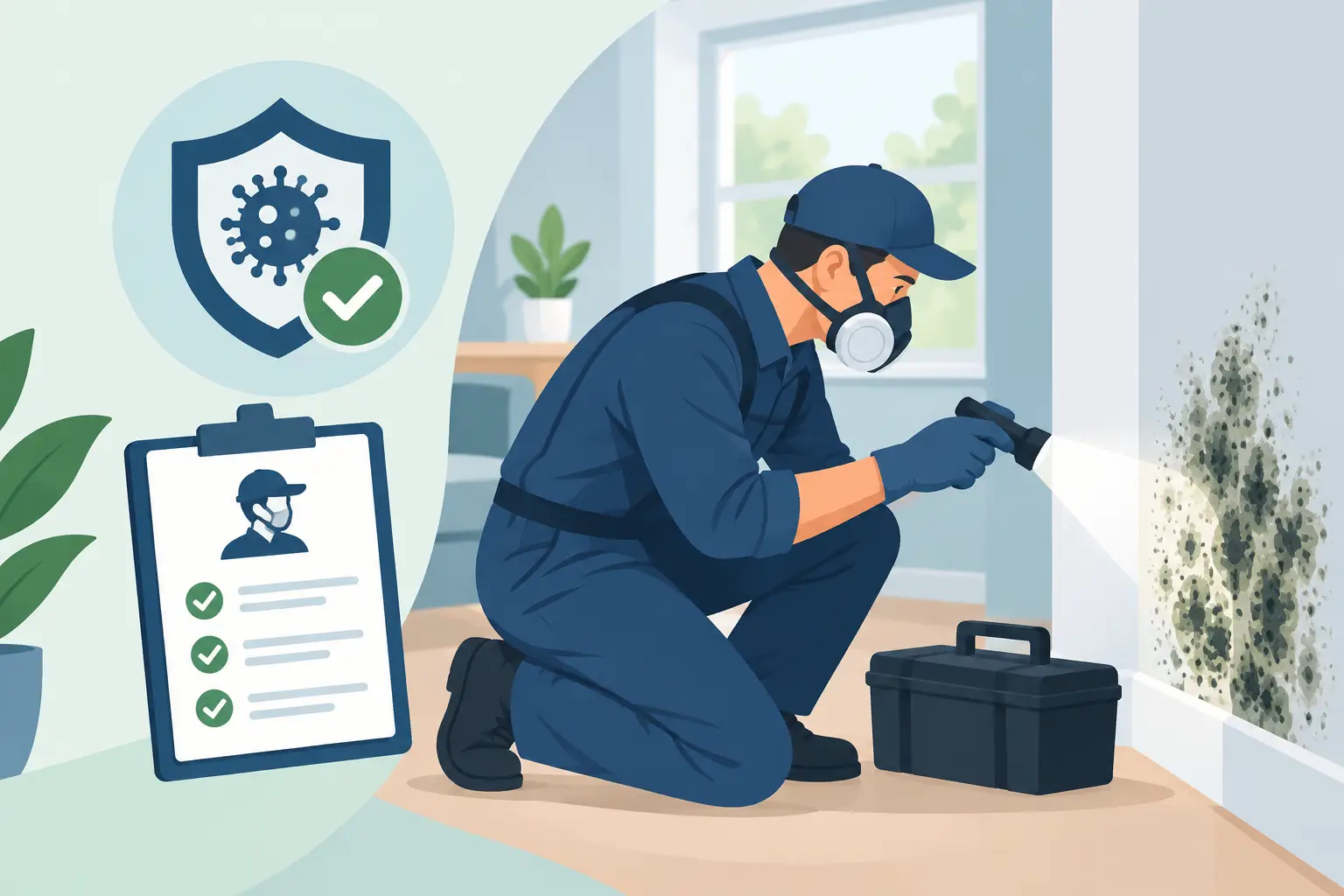
A thorough inspection begins with the building, not just the vent. A certified remediation professional looks for moisture pathways and conditions that allow growth to continue. This may include checking the air handler, evaporator coil area, drain pan, condensate line, filters, duct connections, insulation, nearby ceilings and walls, and any history of leaks or flooding.
Professional tools can make hidden conditions easier to locate. Moisture meters help identify damp materials, while thermal imaging may reveal temperature differences associated with concealed moisture. Visual inspection is still essential because thermal imaging identifies a condition to investigate, not mold itself.
Air or surface sampling may be appropriate in certain cases, such as unclear contamination, sensitive commercial environments, post-remediation verification, or a dispute involving a tenant or insurer. Testing is not always the first or only answer. A visible mold problem with an obvious moisture source generally needs correction, and testing should support a clear remediation decision rather than delay it.
For larger or concealed issues, an inspection should produce a practical scope: where contamination is located, what materials are affected, how the area will be contained, how moisture will be corrected, and how cleanliness will be verified after the work.
Safe Removal of Mold From an HVAC System
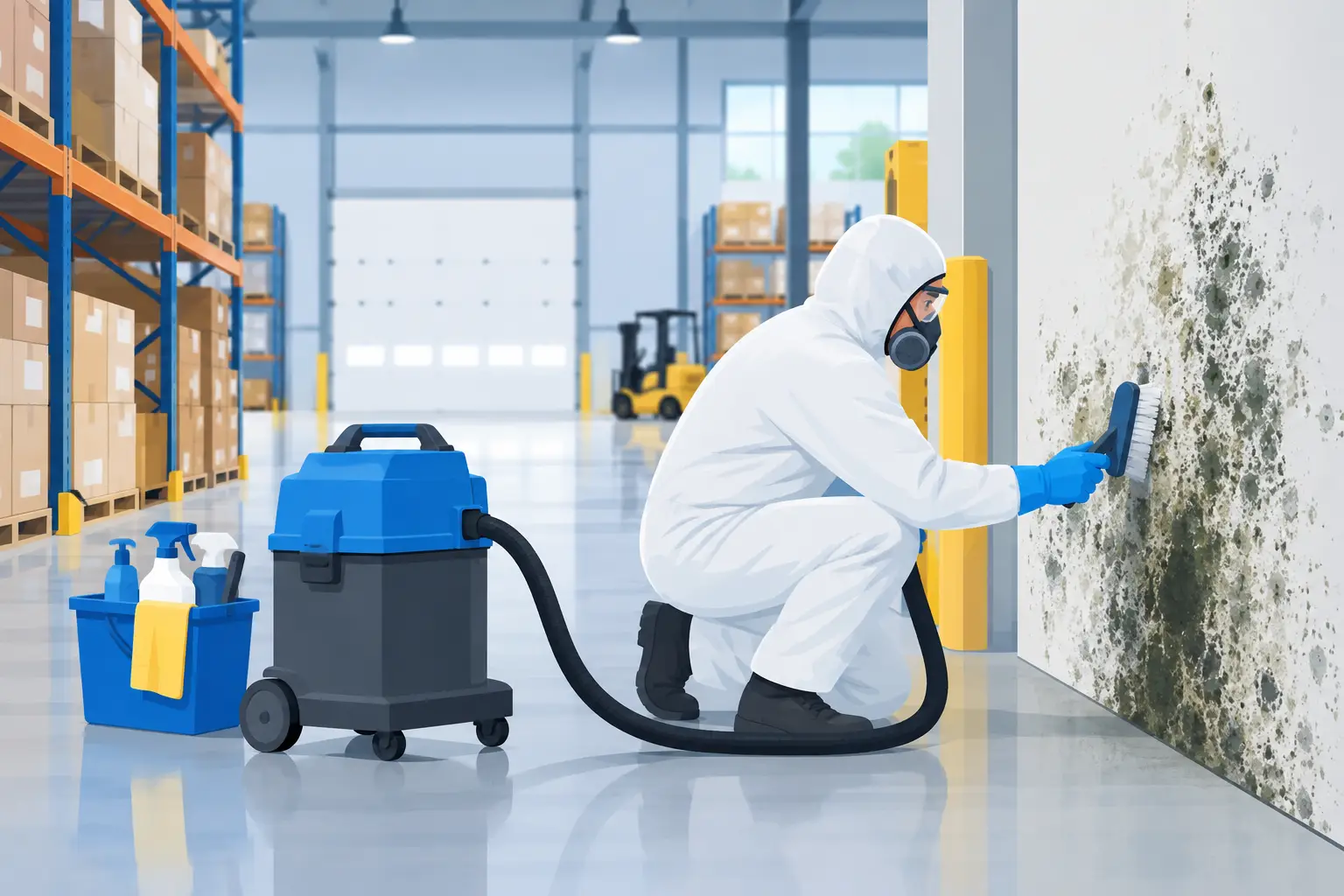
HVAC mold remediation is not the same as routine duct cleaning. The priority is to prevent disturbed material from spreading through occupied areas or being drawn further into the system. Depending on the scope, trained technicians may isolate the work area, establish negative air pressure, use HEPA-filtered equipment, and protect unaffected rooms.
The system may need to be shut down during active remediation so it does not distribute particles while contaminated components are being handled. Technicians then remove or clean affected materials according to their condition and material type. Nonporous components can sometimes be cleaned using appropriate methods. Heavily contaminated porous insulation, flex duct, or duct liner may need replacement because mold can grow into the material rather than only on the surface.
The condensate system must also be corrected. That can mean clearing and repairing a drain line, correcting the drain pan, addressing improper equipment installation, repairing a leak, or improving humidity control. Without this step, even an excellent cleanup can be followed by regrowth.
After physical removal and detailed cleaning, HEPA vacuuming helps capture settled debris. In more extensive projects, post-remediation inspection or air quality testing can provide added confirmation that the affected area has been properly addressed. For commercial properties, documentation is particularly valuable for maintenance records, tenant communication, and risk management.
When to Avoid DIY HVAC Mold Cleanup
Changing a dirty filter and cleaning a dry supply register are reasonable maintenance tasks. Opening an air handler, disturbing wet insulation, applying chemicals inside ducts, or attempting to clean a contaminated coil without proper containment is different. Those actions can damage equipment, create chemical exposure concerns, and spread particles through the property.
DIY efforts are especially risky when there is visible growth beyond a small area, water damage, sewage exposure, flooding, ongoing leaks, vulnerable occupants, or a strong odor throughout multiple rooms. Property managers should also avoid treating a tenant complaint as a simple cleaning issue before investigating the source. A quick surface wipe does not satisfy the responsibility to address a recurring moisture condition.
Preventing HVAC Mold From Returning
Prevention is mainly moisture control paired with regular maintenance. Replace filters on the schedule recommended for the equipment and building conditions. Ensure condensate pans drain freely and that drain lines are inspected before heavy cooling seasons. Keep indoor humidity under control, especially in basements, mechanical rooms, and buildings with frequent door traffic or ventilation challenges.
Ductwork in attics, crawl spaces, or other unconditioned areas should be properly insulated and sealed to reduce condensation. Water leaks near ducts or air handlers should be repaired promptly, even if the leak seems minor. After a flood or major water event, HVAC equipment and nearby building materials should be evaluated before the system is returned to normal operation.
For rental and commercial properties, keep maintenance records and respond quickly to odor or moisture reports. Early action usually limits the affected area, reduces disruption, and protects the condition of the building.
A clean-smelling system is reassuring, but the goal is more than odor control. When HVAC moisture is managed and contamination is professionally evaluated, the building can return to providing the clean, dependable airflow occupants expect.