

Renovation can turn a hidden mold problem into an indoor air quality emergency in a single day. Knowing how to contain mold during renovation protects occupants, prevents spores from reaching clean rooms, and keeps a localized repair from becoming a whole-property remediation project. The key is to stop disturbing the affected material until the work area is properly isolated.
Mold spores are microscopic and easily released when workers open walls, remove flooring, pull insulation, or sand damaged surfaces. Once airborne, they can settle in HVAC systems, furniture, clothing, and adjacent rooms. A plastic sheet taped across a doorway is not always enough. Effective containment requires a controlled work zone, proper airflow, and cleaning procedures designed for fine contamination.
Stop Work and Identify the Moisture Source
Before setting up containment, pause demolition in the affected area. Visible mold is often only part of the problem. A stained drywall section may be hiding growth inside a wall cavity, beneath flooring, behind cabinets, or in wet insulation.
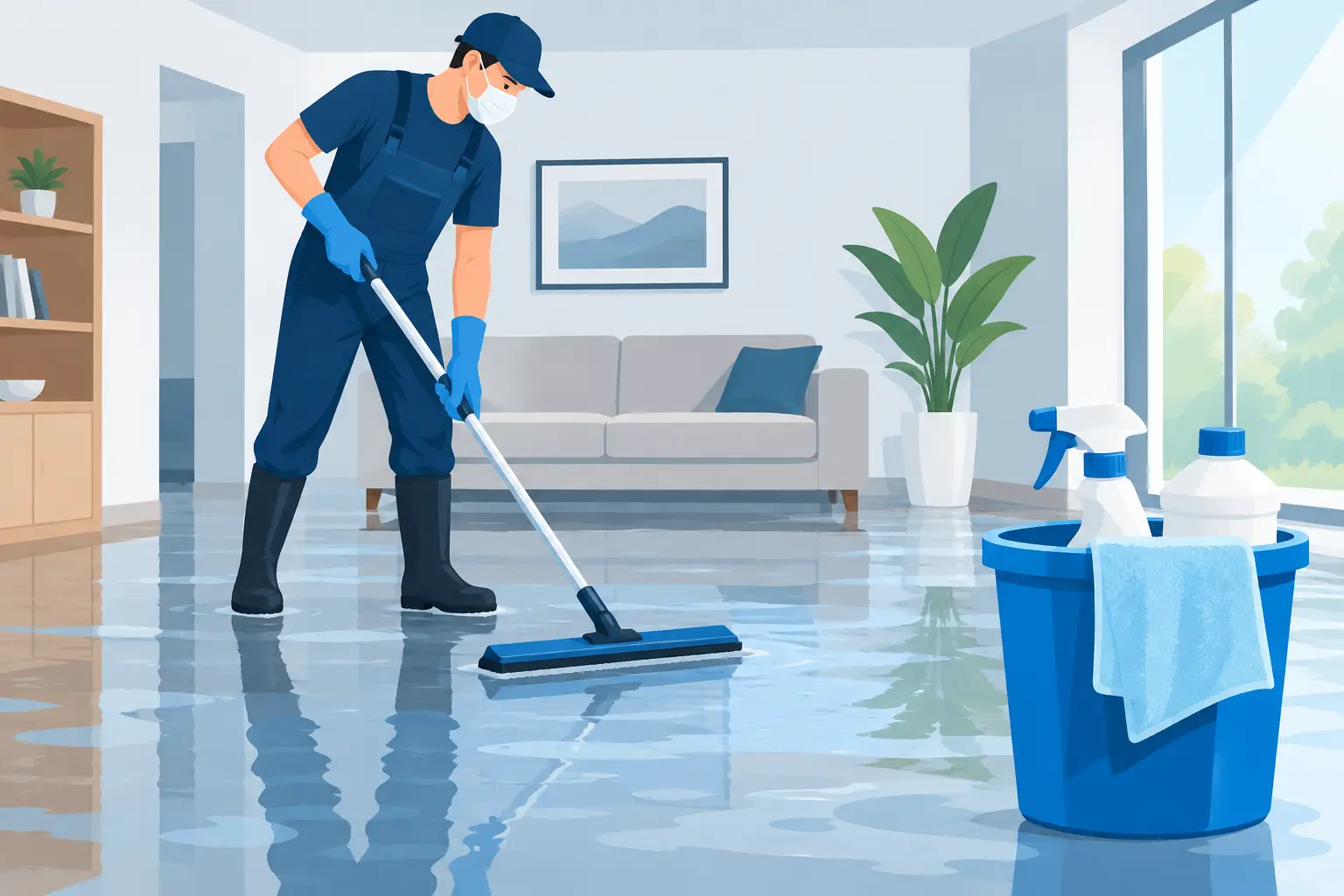
The source of moisture must be identified first. Common causes include plumbing leaks, roof leaks, foundation seepage, condensation, poor bathroom ventilation, flooded basements, and water-damaged building materials. If moisture continues entering the space, mold can return after cleanup.
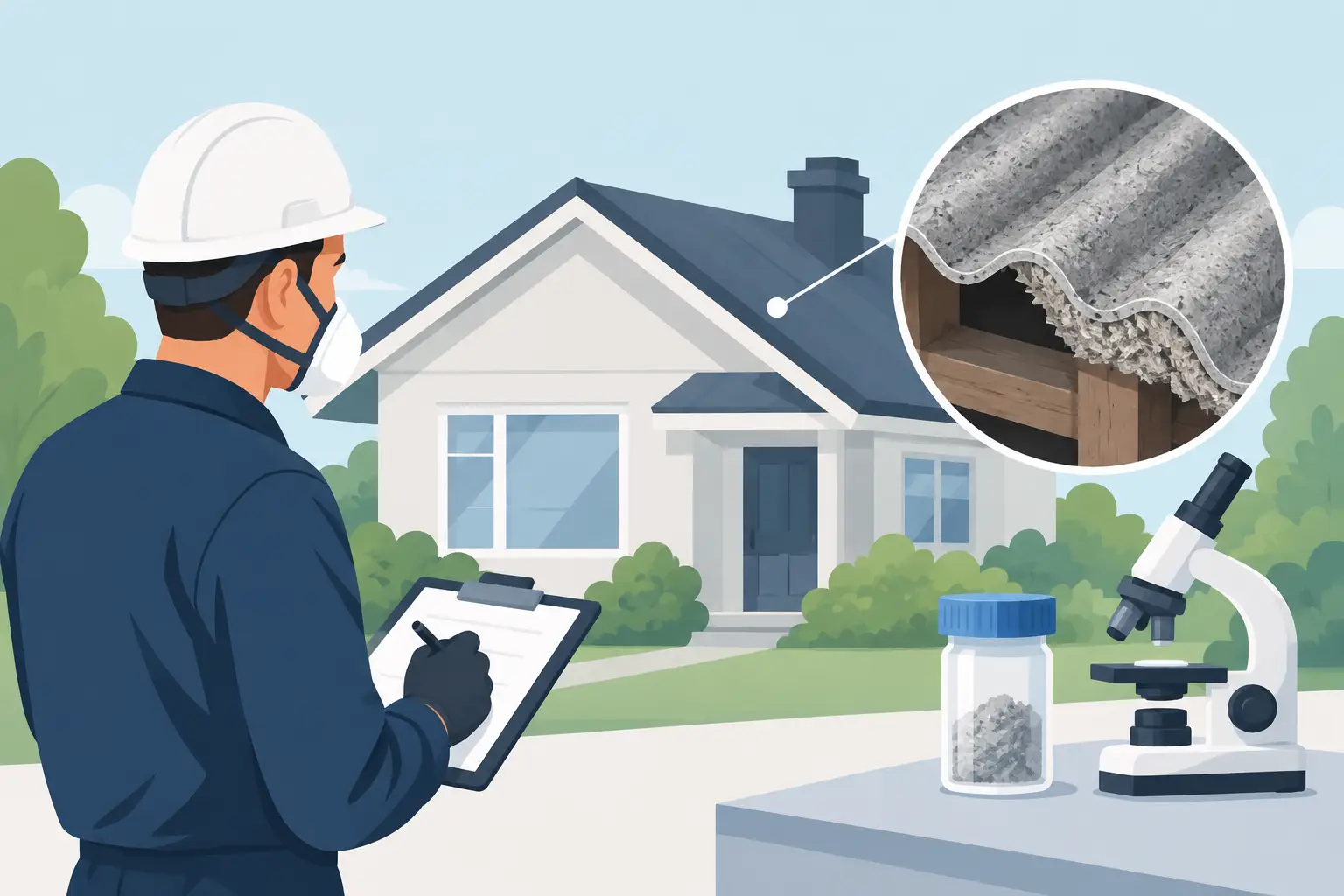
A qualified inspection uses moisture meters and thermal imaging to locate damp materials that may not look wet. This is particularly valuable after a slow leak or when there is a persistent musty odor without obvious visible growth. In older properties, avoid cutting or sanding suspect materials until asbestos-containing materials have been considered and tested where appropriate. Renovation disturbance can create a separate hazardous dust issue.
How to Contain Mold During Renovation
The right containment approach depends on the size of the affected area, the materials involved, and who occupies the property. A small, isolated spot on a nonporous surface may be handled differently than mold in a finished basement, behind kitchen cabinets, or across multiple units in a commercial building.
For significant contamination, porous materials, recurring water damage, or any situation where walls and ceilings must be opened, professional containment is the safer choice. Certified remediation teams establish a controlled area before removal begins.
Build a sealed work area
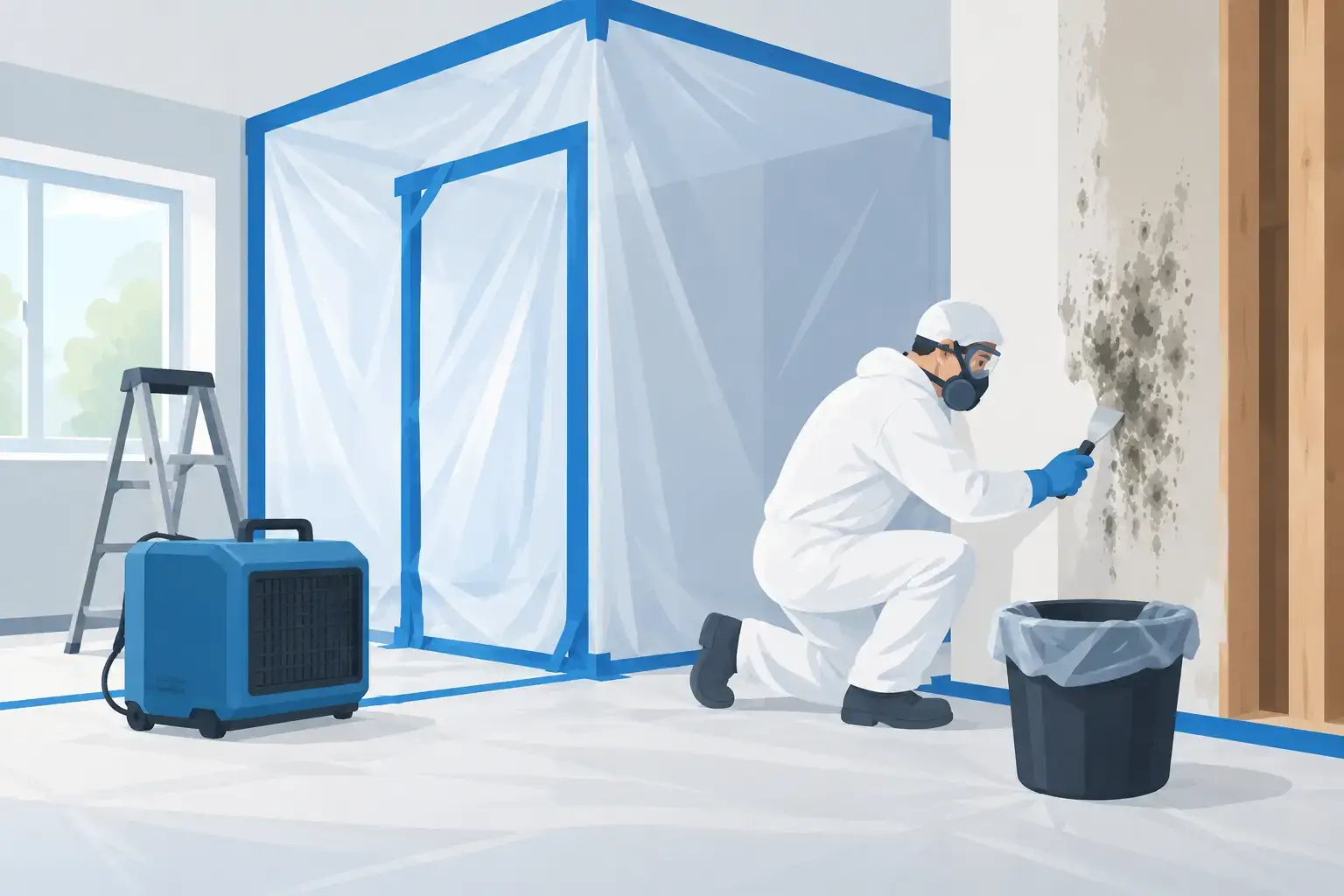
Containment begins by separating the affected work zone from occupied areas. Contractors typically use heavy-duty polyethylene sheeting to create floor-to-ceiling barriers around the workspace. Seams, edges, electrical openings, and other gaps must be sealed so dust and spores cannot move around the barrier.
Entry points need special attention. A zipper door or staged entry system helps workers enter and exit without opening the containment area directly into the home or business. For larger projects, a decontamination chamber provides a place to remove disposable protective equipment and clean tools before leaving the work zone.
Protect or remove nearby contents before construction begins. Upholstered furniture, paper files, area rugs, and other porous items can hold spores and are difficult to clean thoroughly after exposure. Hard-surface items may be moved out of the room, covered, or cleaned using appropriate HEPA vacuuming and damp-wiping procedures.
Control airflow with negative pressure
Sealed barriers control physical movement between rooms, but airflow control prevents airborne particles from escaping through small openings. A negative air machine fitted with HEPA filtration pulls air from the contained space and exhausts it safely outdoors or through an approved filtration setup.
This creates lower air pressure inside the work area than in adjacent rooms. Air moves into the containment rather than out of it, helping keep mold spores confined while materials are removed. The equipment must be properly sized for the room and monitored throughout demolition and cleanup.
Do not rely on box fans, open windows, or a household air purifier as substitutes for professional negative-air containment. Fans can spread spores farther through the property, and most consumer units are not designed to manage active remediation work.
Isolate HVAC systems
HVAC systems can carry mold spores far beyond the renovation area. Turn off heating and cooling that serves the contained space before demolition begins, unless an indoor environmental professional directs otherwise. Supply and return vents inside the work zone should be sealed to prevent contamination from entering ductwork.
If mold growth is near air handlers, ducts, or ceiling returns, the scope may need to include HVAC inspection and cleaning. Reopening a contaminated system too soon can undermine an otherwise careful remediation project.
Remove Materials Without Spreading Contamination
Containment is only effective if removal practices are controlled. Workers should wear appropriate personal protective equipment, which may include gloves, protective clothing, eye protection, and properly selected respiratory protection. The level of protection should match the scale and conditions of the work.
Porous materials with established mold growth, such as drywall, insulation, ceiling tiles, carpet padding, and particleboard, often need removal rather than surface cleaning. These materials can allow mold to grow below the surface, where wiping cannot reach it.
During removal, materials should be handled gently, bagged or wrapped inside the containment area, and sealed before transport through the building. Throwing debris into an open hallway, dragging contaminated carpet through clean rooms, or using a standard shop vacuum can spread contamination quickly.
Some materials can be cleaned and retained, especially nonporous or semi-porous surfaces such as metal, glass, plastic, and certain solid wood components. The decision depends on the condition of the material, the depth of contamination, and whether it can be effectively cleaned and dried. A remediation professional can determine what should be removed and what can be restored safely.
Clean the Area in Stages
Mold remediation is not complete when the visible growth is gone. Fine dust and spores can remain on surfaces throughout the containment zone. Professional cleaning generally involves repeated HEPA vacuuming, damp wiping, and detailed cleaning of framing, ledges, tools, and containment barriers.
HEPA vacuums are designed to capture very small particles without blowing them back into the room. Ordinary household vacuums can exhaust fine debris into the air, even when the floor looks clean. Avoid dry sweeping because it can re-aerosolize settled particles.
After the first cleaning, the area should be allowed to dry fully and inspected again. If moisture readings remain elevated, the property has not reached a condition suitable for rebuilding. Drying equipment may be needed, but it must be used in a way that does not push unfiltered air from the work zone into clean areas.
Know When DIY Containment Is Not Enough
A homeowner may be able to address a very small, surface-level area of mold if the moisture source has been corrected and the material is nonporous. Even then, the work should be approached cautiously. The risk changes quickly when demolition is involved.
Professional help is strongly recommended when mold covers more than a small area, returns after cleaning, follows a flood or major leak, involves sewage or contaminated water, affects HVAC systems, or is present in multiple rooms. It is also prudent to bring in certified professionals when occupants have respiratory concerns, immune system conditions, severe allergies, or when a landlord or business owner needs documented remediation.
For multi-unit properties and commercial spaces, containment also protects neighboring tenants, staff, customers, and operations. A poorly isolated renovation area can trigger complaints, disrupt business, and create a much larger cleanup obligation.
Verify Conditions Before Rebuilding
Do not close walls, reinstall cabinets, or put down new flooring simply because the space looks clean. The moisture source must be repaired, affected materials removed or cleaned, and the remaining structure dried to acceptable moisture levels.
A final visual inspection and moisture assessment are essential. In higher-risk situations, post-remediation air quality testing or clearance verification can provide additional confirmation that containment and cleaning were successful. This is especially useful after extensive water damage, in sensitive occupied buildings, or when hidden mold was discovered during renovation.
Mold Removal Remediation approaches renovation-related contamination as a full process: identify the moisture, isolate the area, remove affected materials safely, clean with professional HEPA methods, and verify that the space is ready to rebuild. Fast action at the first sign of mold can protect the people inside the property and prevent a renovation from becoming a larger health and property damage problem.