

A basement renovation, damaged pipe insulation, or crumbling ceiling texture can turn a routine home project into a health concern. This asbestos testing guide homeowners can rely on explains how to recognize possible asbestos-containing materials, when testing is necessary, and why professional sampling is the safest first step.
Asbestos is not usually a danger simply because it is present. The risk begins when fibers become airborne and can be inhaled. Cutting, sanding, drilling, scraping, or removing suspect material without knowing what it contains can release microscopic fibers into the home. A calm, informed response protects your household, your property, and anyone working in the affected area.
Why asbestos testing matters before repairs
Asbestos was widely used in residential construction because it resisted heat, fire, and wear. It may be found in homes built before the 1980s, though the age of a property alone cannot confirm whether asbestos is present. Materials can also remain in later renovations, additions, garages, and utility spaces.
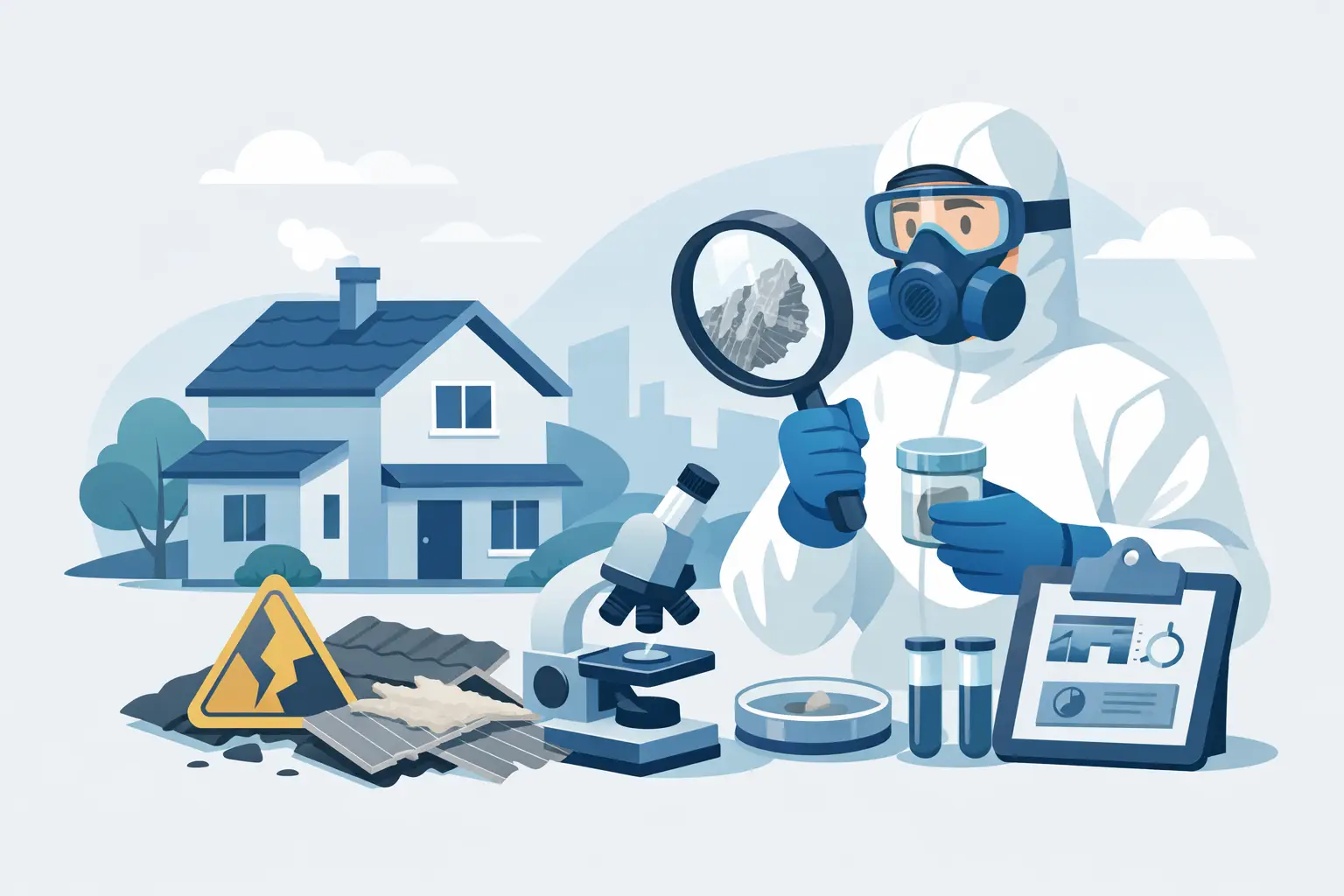
Visual inspection cannot identify asbestos with certainty. Many suspect materials look like ordinary insulation, cement board, floor tile backing, or textured coating. Only laboratory analysis of a properly collected sample can confirm whether asbestos is present and, if it is, what type and concentration has been found.
Testing is especially valuable before renovation work. A contractor may need to cut into a wall, remove flooring, replace a furnace duct, or open a ceiling. If asbestos-containing material is disturbed during that work, contamination can spread beyond the immediate project area through dust, foot traffic, or HVAC airflow. Testing early gives you time to plan the work safely instead of reacting after a potentially hazardous disturbance.
Where asbestos may be hiding in a home
Asbestos can occur in many older building products. It is often associated with aging insulation, but it is not limited to basements or mechanical rooms. Common suspect materials include:
- Pipe, boiler, furnace, and duct insulation, especially wrap or corrugated paper-like material
- Vermiculite attic insulation, which may appear as loose gray, brown, or silver granules
- Vinyl floor tiles, sheet flooring backing, and the black adhesive beneath older flooring
- Textured ceiling coatings, patching compounds, plaster, and drywall joint compound
- Cement siding, roofing shingles, chimney flues, and cement pipe
- Heat-resistant materials near wood stoves, fireplaces, electrical panels, and older appliances
A material does not need to look damaged or dusty to warrant caution. Some asbestos-containing materials remain stable for years when intact and left undisturbed. Others become a priority when they are fraying, cracked, water-damaged, deteriorating, or located where planned work will affect them.
Damaged material changes the urgency
If a suspect material is in good condition and will not be disturbed, testing may be scheduled as part of planned maintenance or a future renovation assessment. If it has been damaged by a leak, impact, aging, or prior work, do not touch or clean it yourself. Keep people away from the area, avoid running fans or HVAC equipment that could move dust, and arrange a professional assessment promptly.
When homeowners should arrange asbestos testing
The right time to test is before you disturb a suspect material. Waiting until demolition has started may make containment more difficult and can increase the area that requires cleaning.
Arrange testing when you are planning a kitchen, bathroom, basement, attic, or flooring renovation in an older property. Testing is also appropriate after water damage affects insulation, ceiling texture, plaster, flooring, or wall materials. If you are buying an older home, an asbestos inspection can clarify risks before you budget for repairs or negotiate renovation work.
Tenant complaints, visible deterioration, or unexplained dust after a project are also reasons to seek an assessment. In these cases, an experienced environmental professional can determine whether sampling, air testing, containment, or further investigation is appropriate. Air testing is not a substitute for material sampling when the question is whether a specific building product contains asbestos. The two services answer different questions.
What a professional asbestos inspection involves
A proper inspection begins with a discussion of the property, its age, recent water damage, renovation plans, and areas of concern. The inspector evaluates accessible suspect materials and identifies where samples can be collected with the least disruption.
Sampling should be controlled. The professional uses appropriate protective equipment, takes a small representative sample, limits dust, and seals the sample for laboratory analysis. The area is then cleaned using methods suited to the task. This is very different from breaking off a piece of ceiling texture or insulation and carrying it through the house in an unsealed bag.
Laboratory results identify whether asbestos is present. The report should connect each result to a specific location and material, allowing you to make a practical decision about repair, encapsulation, monitoring, or removal. If removal is needed, the work plan should address containment, negative air pressure where appropriate, HEPA filtration, controlled disposal, and post-removal cleaning.
Why DIY sampling is a poor trade-off
DIY mail-in kits may appear convenient, but the main hazard is not the lab analysis. It is the act of collecting the sample. A homeowner can easily disturb more material than necessary, create airborne dust, or contaminate clothing and nearby surfaces.
Professional sampling costs more than a kit, but it reduces the chance of turning a small question into a larger contamination problem. It also produces clearer documentation for contractors, insurers, property managers, and future buyers. For projects involving friable insulation, damaged ceiling coatings, or large renovation areas, professional testing is the safer and more defensible choice.
What to do while you wait for results
Treat the area as though it may contain asbestos until testing confirms otherwise. Do not sweep, vacuum with a standard household vacuum, sand, drill, scrape, or pressure wash the suspect material. Do not attempt to cover damaged insulation with tape or plastic unless you have been instructed to do so by a qualified professional, as contact can release fibers.
Keep children, pets, and unnecessary foot traffic away from the area. If the concern involves a utility room or basement, avoid storing items against the material or moving boxes through the space. For a leak affecting a suspect material, stop the water source if it can be done without touching the material, then contact a qualified professional for direction.
If renovation work has already begun, pause the work. Ask contractors to avoid further disturbance until the material has been assessed. A short delay before demolition is far less disruptive than addressing a contaminated work area afterward.
Understanding your options after a positive result
A positive result does not automatically mean every asbestos-containing material must be removed immediately. The best response depends on the material’s condition, location, accessibility, and likelihood of disturbance.
Intact material in a protected location may sometimes be managed in place. This can include documenting its location and avoiding future disturbance. Encapsulation may be considered in certain situations, but it must be selected carefully. Covering a material does not remove the need for future caution, especially if later repairs will require access behind or around it.
Removal is often the right choice when material is damaged, friable, repeatedly exposed to moisture, located in an active work area, or likely to be disturbed during renovation. Professional asbestos abatement should follow applicable local, state, and federal requirements. The scope should be based on the confirmed material and the conditions inside the property, not a one-size-fits-all approach.
Questions homeowners often ask
Can I tell if a material contains asbestos by looking at it?
No. Age, texture, color, and location can make a material suspicious, but laboratory analysis is required for confirmation.
Is asbestos dangerous if it is behind a wall or under flooring?
It may not present an immediate exposure risk when intact and undisturbed. The concern rises when renovation, water damage, deterioration, or repairs could release fibers. Knowing it is there helps you plan future work safely.
Should I test every older material in my home?
Not necessarily. Testing is most useful when material is damaged, accessible, or likely to be disturbed. A qualified inspection can prioritize the areas connected to your renovation plans or visible concerns.
Can mold and asbestos concerns happen in the same area?
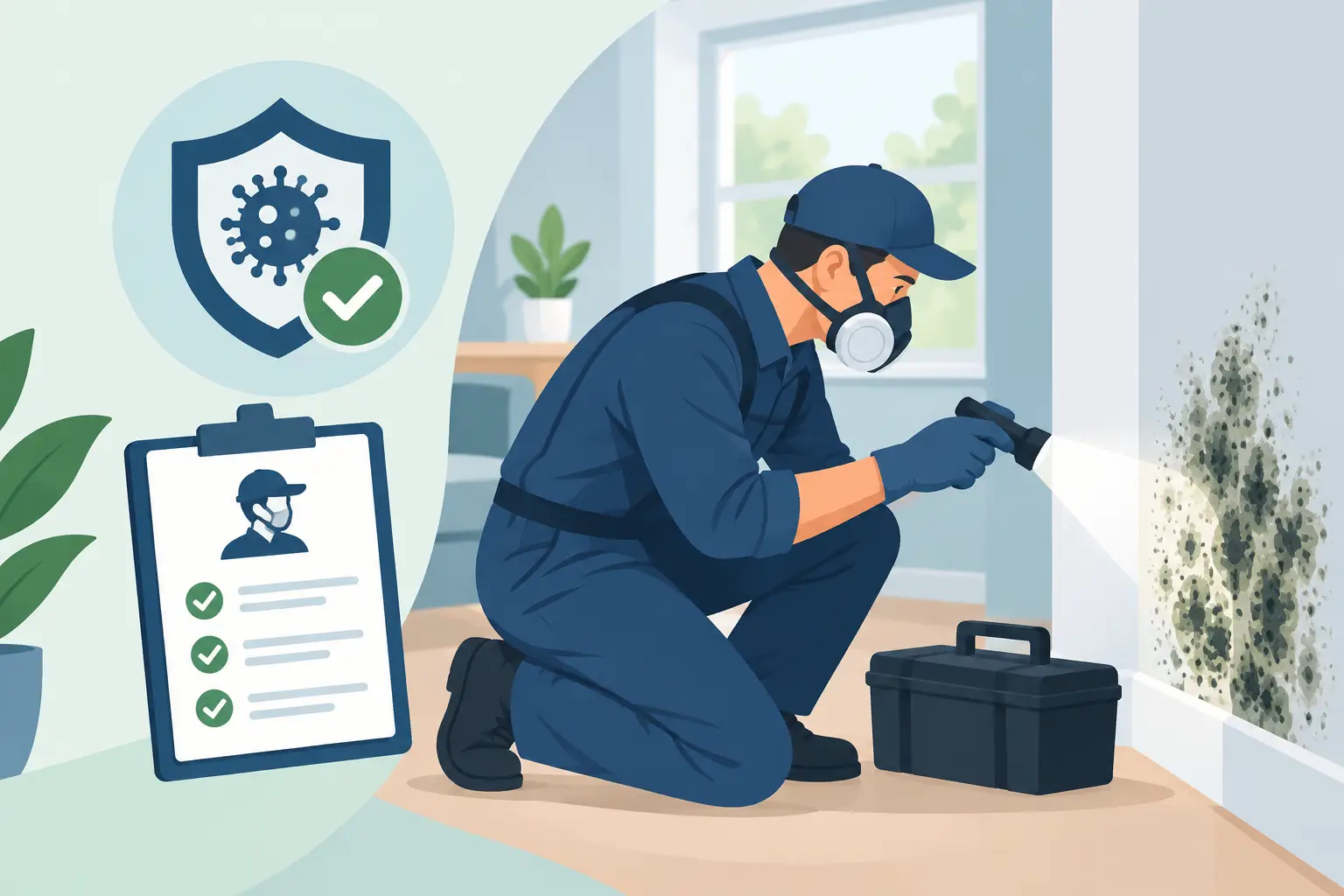
Yes. Water damage can create mold growth while also deteriorating older insulation, ceiling materials, or flooring products that may contain asbestos. The area should be assessed carefully so one hazard is not overlooked while addressing the other.
When a home contains an unknown material, the safest decision is usually to pause before disturbing it. Clear test results and a controlled plan give homeowners the confidence to repair, renovate, or remove materials without gambling with indoor air quality.