


A musty smell in the basement, a recurring cough at home, or dark staining near a window can leave property owners asking the same question: is air quality testing worth it? When there is a credible concern about mold, water damage, dust, or other indoor contaminants, professional testing can replace guesswork with evidence. It can also help you decide whether cleaning is enough or whether your property needs a controlled remediation plan.
For homeowners, landlords, property managers, and business owners, the value is not simply a lab report. The real value is understanding what may be affecting the air, where the source is located, and what needs to happen next to protect people and the property.
When Air Quality Testing Is Worth It
Air quality testing is most useful when it answers a specific question. Testing every home without a reason is not always necessary. But when signs point to a potential indoor contamination issue, it can be a smart investment.
Testing is often worth considering after a flood, plumbing leak, roof leak, sewage backup, or appliance overflow. Even when surfaces look dry, moisture can remain behind drywall, under flooring, inside insulation, or in ceiling cavities. That hidden moisture can support mold growth and release spores into the indoor environment.
It is also valuable when occupants report persistent symptoms that improve when they leave the building. These may include throat irritation, coughing, wheezing, sinus discomfort, headaches, or worsening allergy and asthma symptoms. Air testing cannot diagnose a medical condition, but it can help identify whether an indoor environmental issue deserves closer attention.
For landlords and commercial property managers, testing can provide documentation when responding to tenant complaints, maintenance disputes, or concerns after water damage. A professional assessment shows that the issue was evaluated methodically rather than dismissed or handled with a surface-level cleaning.
What Professional Testing Can Reveal
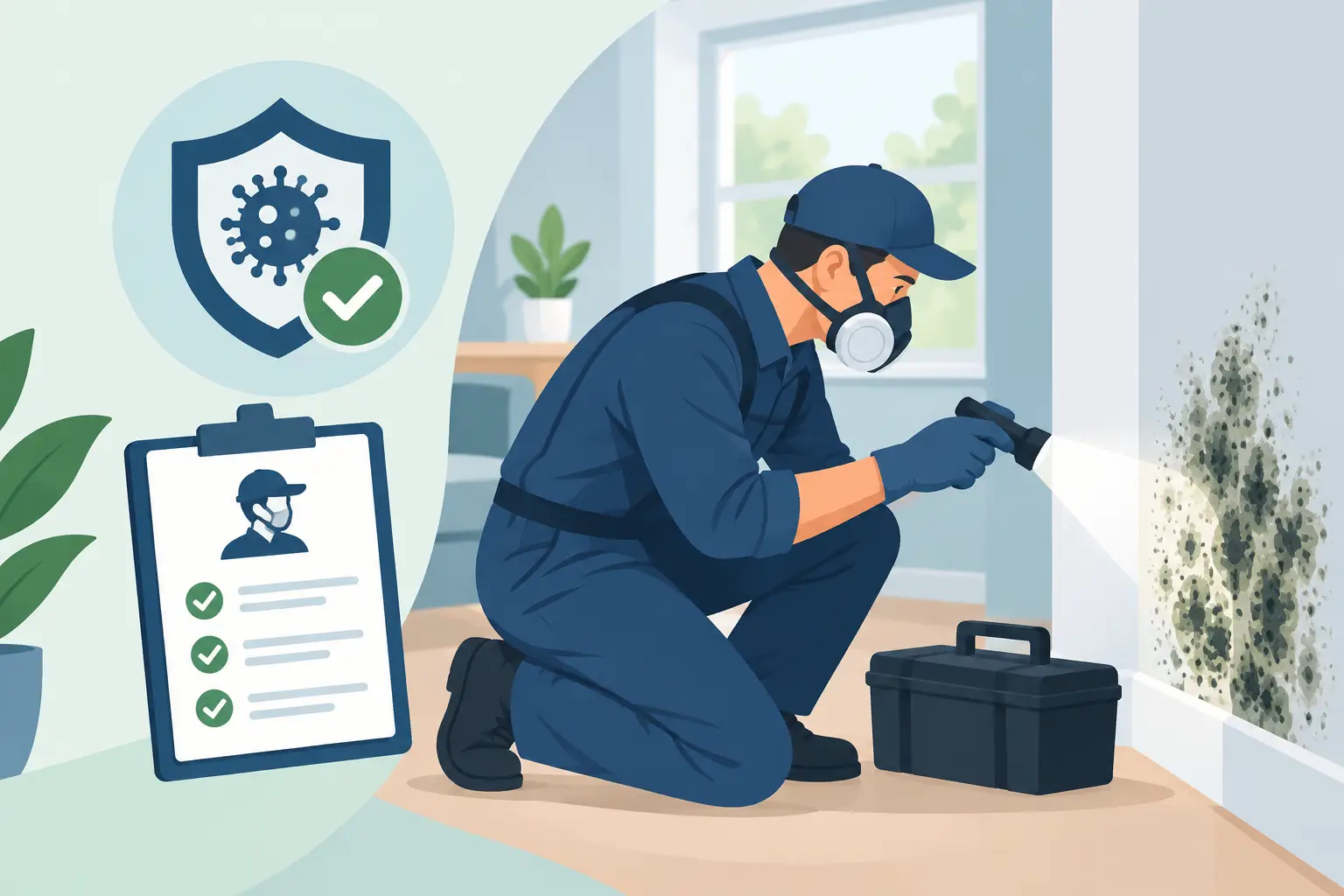
Indoor air quality testing may involve air samples, surface samples, moisture readings, visual inspection, thermal imaging, and a review of the building’s history. The right approach depends on the concern. A property with a recent leak requires a different investigation than an office with recurring odors and no visible damage.
Air samples can help compare indoor conditions with outdoor conditions and identify elevated levels or unusual types of airborne mold spores. Surface sampling may help confirm suspected growth on materials or in hard-to-reach areas. Moisture meters and thermal imaging are equally important because mold needs moisture to grow. Finding the moisture source is often more important than simply identifying a spore type.
A qualified inspection may uncover problems such as hidden mold behind baseboards, condensation around windows, wet insulation, poorly vented bathrooms, HVAC contamination, or moisture beneath finished flooring. These findings allow remediation work to focus on the actual source instead of treating only what is visible.
Testing also has limits. A single air sample is a snapshot of conditions at one moment. Airflow, weather, cleaning activity, open windows, and HVAC operation can affect results. That is why results should never be interpreted in isolation. A reliable assessment combines sampling with a thorough visual inspection, moisture investigation, and an understanding of the building’s history.
When Testing May Not Be Necessary
Not every minor mold issue requires air sampling. If a small area of visible mold is clearly caused by surface condensation and the source can be corrected, testing may add little value. The priority is still to address the moisture, safely remove affected material if needed, and prevent the problem from returning.
Testing may also be unnecessary when extensive visible mold growth and ongoing water damage are already obvious. In that situation, the building needs remediation regardless of whether a sample confirms the presence of mold. Waiting for laboratory results can delay necessary containment and removal work.
The important distinction is this: visible mold tells you there is a problem, while professional testing and inspection can define the scope of a problem that may be hidden. If there is uncertainty about how far contamination has spread, testing becomes far more valuable.
The Cost of Guessing Wrong
Skipping an assessment can seem like a way to save money, especially if the issue appears small. However, guesswork can create larger costs later. A homeowner may paint over staining, use household cleaners on mold, or run a dehumidifier without repairing the leak. The appearance improves temporarily while moisture and contamination continue behind walls.
For rental and commercial properties, an incomplete response can lead to repeated complaints, damaged finishes, lost rental income, and disputes over whether the building was properly maintained. For businesses, poor indoor conditions can affect employee comfort, customer confidence, and operational continuity.
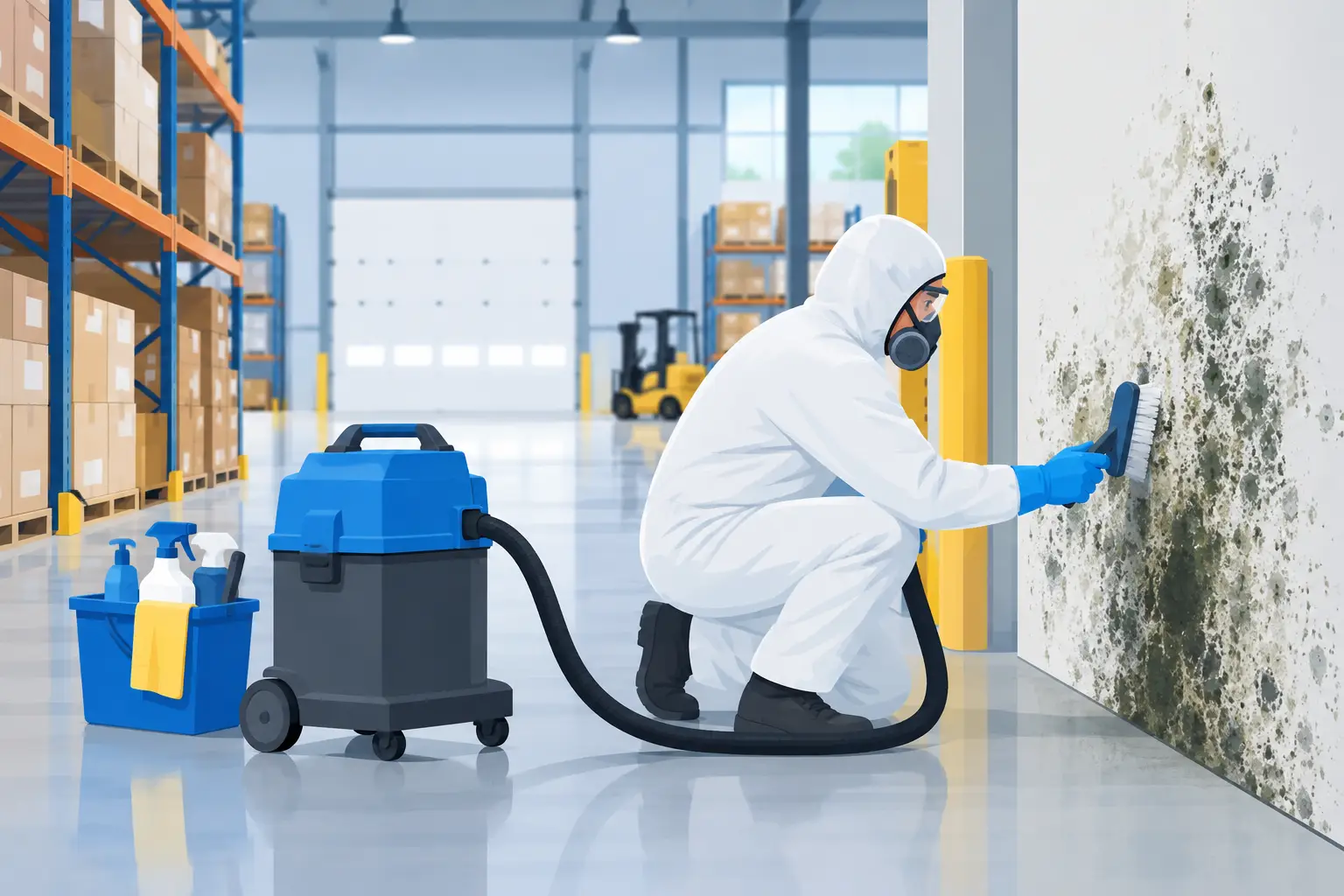
There is also a safety concern. Disturbing mold-contaminated materials without proper containment can spread spores into other rooms. Professional remediation uses controlled work areas, HEPA filtration, negative air pressure, and careful cleaning practices to limit cross-contamination. Testing can help determine whether those measures are warranted before demolition begins.
Is Air Quality Testing Worth It After Mold Remediation?
Post-remediation testing can be especially worthwhile when the affected area was large, contamination was hidden, occupants are sensitive to indoor air conditions, or the property needs documented clearance for a tenant, buyer, insurer, or property manager.
A proper post-remediation assessment is not merely a quick air sample. The remediated area should be visually inspected for dust, debris, and remaining damaged materials. Moisture conditions should be checked to confirm that the underlying source was corrected. When clearance sampling is appropriate, it should be performed only after the area is clean and dry.
This final verification provides confidence that remediation was completed properly. It does not mean a building will never have mold again. Any property can develop mold after a new leak or humidity issue. It does mean that the completed work can be evaluated against measurable conditions rather than assumptions.
Choosing the Right Air Quality Professional
The quality of the inspection matters as much as the test itself. A meaningful assessment begins with questions: When did the odor start? Has there been water damage? Which rooms are affected? Are there ventilation concerns? Have occupants noticed symptoms only in certain areas?
Look for a company that investigates the full picture and explains the findings in clear terms. Certified professionals should use appropriate diagnostic tools, identify moisture sources, and recommend only the work the property actually needs. A report full of technical terms is not helpful if it does not explain the next step.
For properties in Toronto and the GTA, Mold Removal Remediation approaches air quality concerns as part of a complete process: inspect, identify the source, contain contamination when necessary, remove affected materials safely, and verify the results. This prevents the common mistake of treating odors or visible staining while leaving the cause behind.
A Practical Way to Decide
Air quality testing is generally worth it when there is a real concern but no clear answer. Consider an assessment if you have recurring moisture, unexplained odors, past water damage, visible mold beyond a small isolated area, tenant complaints, or plans to buy, sell, renovate, or reopen a property after contamination.
If the issue is obvious and minor, direct correction may be more sensible than testing. If the issue is hidden, widespread, disputed, or connected to health and safety concerns, professional testing can save time and prevent an inadequate repair.
A safe indoor environment starts with finding the cause, not covering the symptoms. When something about your property does not feel right, a qualified inspection can give you the clarity to act before a manageable issue becomes a larger remediation project.