

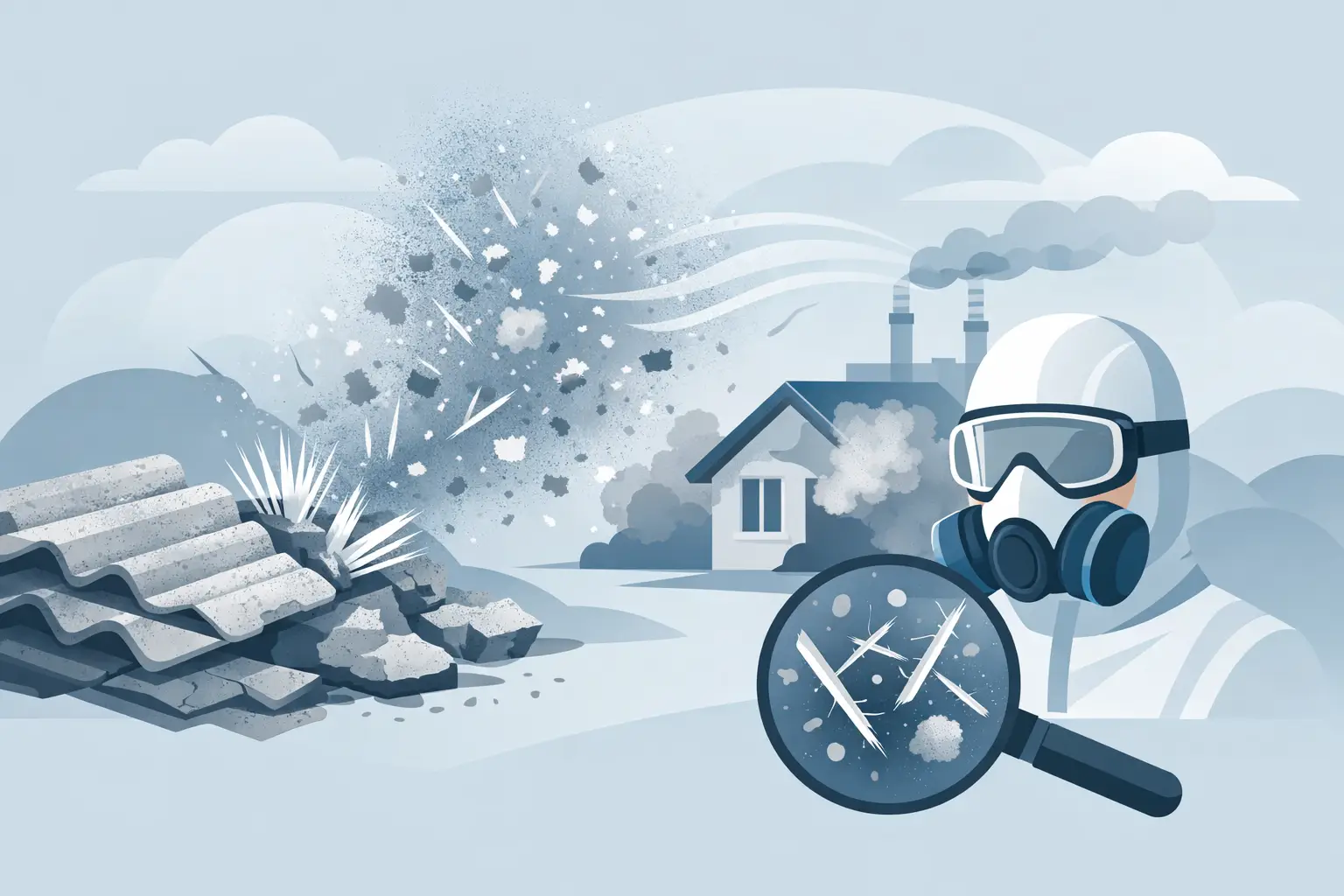
A basement renovation, damaged ceiling tile, or crumbling pipe wrap can turn a hidden building material into a serious indoor air concern. Can asbestos become airborne? Yes. When asbestos-containing materials are disturbed, deteriorating, or improperly handled, microscopic fibers can be released into the air and remain there long enough to be inhaled.
That does not mean every older material containing asbestos is actively hazardous. The level of risk depends on the material’s condition, its location, and whether it is likely to be disturbed. The safest response is to stop work, limit access to the area, and arrange professional asbestos testing before cutting, sanding, drilling, or removing anything.
When Can Asbestos Become Airborne?
Asbestos is made up of tiny mineral fibers. These fibers are durable, heat-resistant, and too small to reliably see without specialized analysis. Once loose, they can enter the breathing zone, settle on surfaces, and become airborne again when dust is disturbed.
The greatest concern is friable asbestos-containing material. “Friable” means it can be crumbled, pulverized, or reduced to powder by hand pressure when dry. Examples can include deteriorated pipe insulation, sprayed-on fireproofing, vermiculite attic insulation, old boiler insulation, and some acoustic ceiling textures.
Non-friable materials, such as certain vinyl floor tiles, roofing products, cement board, or siding, may hold fibers more tightly in a solid binder. They can still release asbestos if they are cut, broken, ground, sanded, demolished, or badly weathered. A material that appears stable can become a contamination issue in minutes when a renovation crew uses power tools without confirming what is present.
Common Events That Release Asbestos Fibers
Asbestos exposure is often associated with major demolition, but smaller jobs can create the same problem. Drilling through an older ceiling, removing a section of drywall near insulated pipes, scraping old flooring adhesive, or pulling down damaged duct wrap can disturb suspect materials.
Water damage can also change the risk. A roof leak, burst pipe, or flood may cause older insulation, ceiling material, or wall systems to deteriorate. As material dries, flakes, tears, or breaks apart, fibers may be released. Cleanup that involves sweeping, vacuuming with a standard household vacuum, or using a fan can spread contaminated dust beyond the original area.
Fire damage and storm damage require particular caution. Emergency repairs often involve opening walls, removing wet debris, and restoring mechanical systems quickly. Those actions may be necessary, but they should be performed only after the affected materials have been assessed for asbestos where applicable.
Where Asbestos May Be Found in Older Properties
Age alone does not confirm asbestos, and newer buildings can contain legacy materials after repairs or additions. Still, properties built or renovated before modern asbestos restrictions deserve careful evaluation before invasive work begins.
Potential locations include pipe and boiler insulation, furnace and duct insulation, floor tile and mastic, popcorn ceilings, textured wall coatings, ceiling tiles, drywall joint compound, roofing felt, siding, window caulking, and fireproofing materials. Some materials look identical to non-asbestos products. Visual inspection cannot confirm whether a product contains asbestos.
That uncertainty is why sampling should be done by qualified professionals using appropriate controls. Testing provides a clear basis for the next decision: leave stable material in place, repair or encapsulate it, or plan controlled removal.
Why Airborne Asbestos Is a Health Concern
Airborne asbestos fibers can be inhaled without any obvious warning. They have no reliable odor, color, or immediate taste. A room may look clean while contaminated dust remains on ledges, flooring, tools, clothing, or inside ventilation pathways.
Health effects associated with asbestos exposure can take years to develop. The risk is influenced by the amount of exposure, how often it occurs, the type of asbestos, and other factors, including smoking history. Because there is no practical way for a homeowner or building manager to judge fiber concentration by sight, the proper focus is prevention and controlled handling.
For landlords and commercial property managers, the issue also extends beyond personal health. Uncontrolled disturbance can expose tenants, employees, contractors, and visitors. It can delay renovations, complicate insurance claims, and create costly cleanup requirements if fibers spread to occupied areas.
What to Do If You Suspect Asbestos Has Been Disturbed
Do not continue the project to “finish the job.” Further activity can release more fibers and track dust through the property. Keep people and pets out of the affected area, close the door if possible, and avoid running fans or central HVAC systems that could move particles.
Do not sweep, dust, shop-vac, or use a regular vacuum on the debris. Do not attempt to bag and remove suspect material yourself. These steps can turn a contained problem into a larger one.
Instead, document the location from a safe distance and contact a qualified asbestos professional. A proper response may include material sampling, air testing when appropriate, containment, negative air pressure equipment, HEPA filtration, controlled removal, detailed cleaning, and post-remediation verification. The exact scope depends on what was disturbed and whether dust could have migrated.
Testing Comes Before Assumptions
An asbestos inspection is not simply a walk-through. A qualified inspector evaluates the building area, identifies suspect materials, considers planned work, and collects samples using methods designed to avoid unnecessary release. Samples are then analyzed by an accredited laboratory.
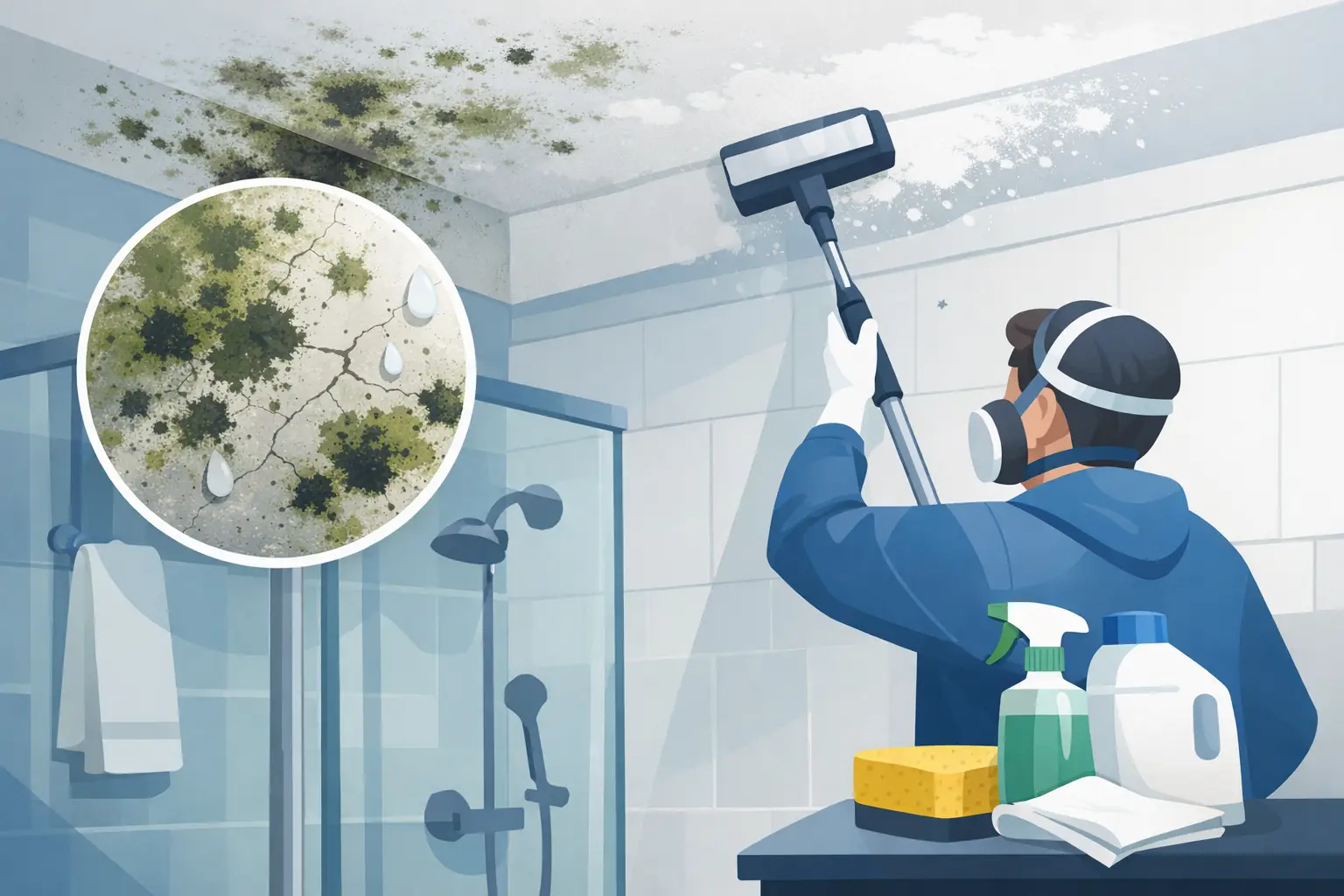
Testing is particularly valuable before renovation, demolition, plumbing work, electrical work, or mold remediation that requires opening walls or ceilings. Mold and asbestos concerns can overlap after water damage. A contractor may need to remove damp building materials to address mold growth, but suspect materials should be assessed first so that mold cleanup does not disturb asbestos-containing components.
At Mold Removal Remediation, the goal is to identify indoor environmental hazards before they spread. Certified assessment and containment help property owners make informed decisions rather than relying on guesswork during a stressful repair.
Removal, Encapsulation, or Leaving It Alone?
Removal is not automatically the best answer. If asbestos-containing material is intact, inaccessible, and unlikely to be disturbed, professional management or encapsulation may be safer and more cost-effective than removal. Encapsulation involves applying a protective coating or barrier to prevent fibers from being released.
Removal may be recommended when material is damaged, friable, located in an active work area, or likely to be disturbed during repairs. The work should be planned around the material type, condition, area size, occupancy, and local requirements. Proper containment prevents fibers from moving into clean parts of the property, while negative air systems help control airflow inside the work zone.
After removal, specialized HEPA vacuuming and wet cleaning address settled dust. Depending on the project, clearance testing or visual verification may be used before the area is returned to normal use. This final step matters. Removing the source without confirming the area has been properly cleaned leaves an avoidable question mark.
Can Asbestos Become Airborne From Normal Daily Use?
Usually, intact non-friable asbestos-containing material does not release meaningful fibers during ordinary use. For example, walking on undamaged older floor tile is different from breaking tile during demolition. A stable material behind an intact wall is different from opening that wall for a repair.
However, deterioration changes the situation. Cracked insulation, peeling ceiling texture, water-damaged walls, loose debris around mechanical equipment, and repeated vibration near aging materials should be assessed. If you are planning to alter an older area of the building, treat uncertainty as a reason to test, not as a reason to proceed carefully but blindly.
Frequently Asked Questions
Can I tell if dust contains asbestos?
No. Asbestos fibers cannot be reliably identified by appearance, and ordinary dust may contain many different materials. Laboratory analysis of a material sample is the dependable way to determine whether asbestos is present.
Does opening a window make an asbestos problem safer?
No. Ventilation is not a substitute for containment. Opening windows or using fans can spread loose fibers outside the immediate work area or into other parts of the property.
Should I leave the building after accidental disturbance?
It depends on the material, how much was disturbed, and whether dust spread beyond the immediate area. Restrict access, stop work, and seek professional guidance promptly. A qualified assessment can determine whether containment, cleanup, or additional testing is needed.
If a material is damaged or a renovation has uncovered something you cannot identify, pause before the next cut or cleanup step. Acting early protects the people in the building and keeps a manageable concern from becoming a widespread contamination event.