

You scrub the wall, the stain fades, the smell seems lighter, and a few weeks later the mold is back. That cycle is exactly why homeowners and property managers ask how to stop mold coming back – because surface cleaning rarely solves the real problem.
Mold does not return because it is stubborn in the ordinary sense. It returns because moisture is still present, hidden growth was missed, or contaminated materials were never properly removed. If you want a lasting result, you have to treat mold as a moisture and air quality problem, not just a housekeeping issue.
Why mold keeps returning
Mold needs three things to grow: moisture, a food source, and enough time. Drywall, wood, insulation, ceiling tiles, carpet backing, and dust can all feed it. In most buildings, the deciding factor is water.
That water may come from an obvious source, like a roof leak or flooded basement, but recurring mold is often tied to less visible conditions. Bathroom exhaust fans may be too weak or venting incorrectly. Condensation can form behind furniture placed against cold exterior walls. HVAC systems may spread humid air or fail to control it. Slow plumbing leaks inside walls can keep materials damp for months before anyone notices.
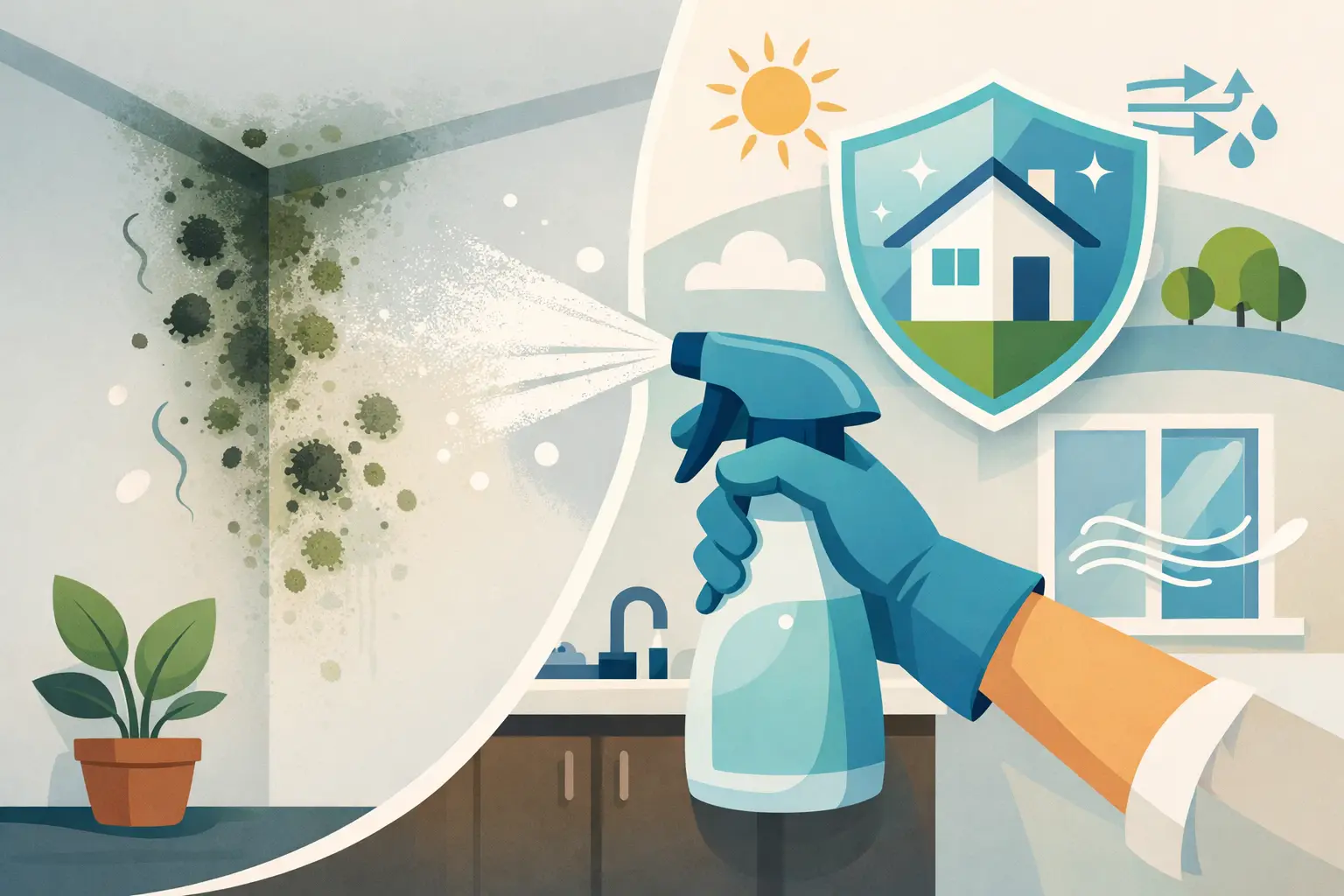
This is why wiping mold with bleach or a store-bought spray often gives a false sense of progress. You may lighten the stain, but the spores and root-like growth can remain inside porous materials. If the area stays damp, regrowth is likely.
How to stop mold coming back starts with moisture control
The most reliable way to stop recurring mold is to find and correct the moisture source first. If that step is skipped, even a professionally cleaned surface can become contaminated again.
Start by asking where water is entering or collecting. In bathrooms, look at ventilation, shower grout failure, and pipe connections. In basements, check foundation seepage, sump performance, and relative humidity. Around windows, inspect for condensation, failed seals, or water intrusion from outside. In attics, look for roof leaks, poor insulation, and blocked ventilation.
Humidity matters just as much as direct leaks. Many indoor spaces feel dry enough to occupants while still staying humid enough for mold to grow behind walls, under flooring, or around vents. As a rule, indoor humidity should generally stay below 60 percent, and many properties do better closer to 30 to 50 percent depending on the season and building conditions.
If the source is not obvious, this is where professional diagnostics make a real difference. Moisture meters, thermal imaging, and targeted inspection help locate damp materials and hidden cold spots that basic visual checks miss.
Surface cleaning is not the same as remediation
One of the biggest reasons mold returns is that cleaning was never enough for the material involved. Non-porous surfaces such as metal, glass, and some sealed tile can sometimes be cleaned effectively if contamination is limited and the moisture issue is resolved quickly.
Porous materials are different. Drywall, insulation, carpet pad, ceiling tiles, and unfinished wood can hold mold below the surface. In those cases, the affected materials may need to be removed, contained, and replaced. Trying to save everything can seem cheaper at first, but it often leads to repeat contamination, more property damage, and higher costs later.
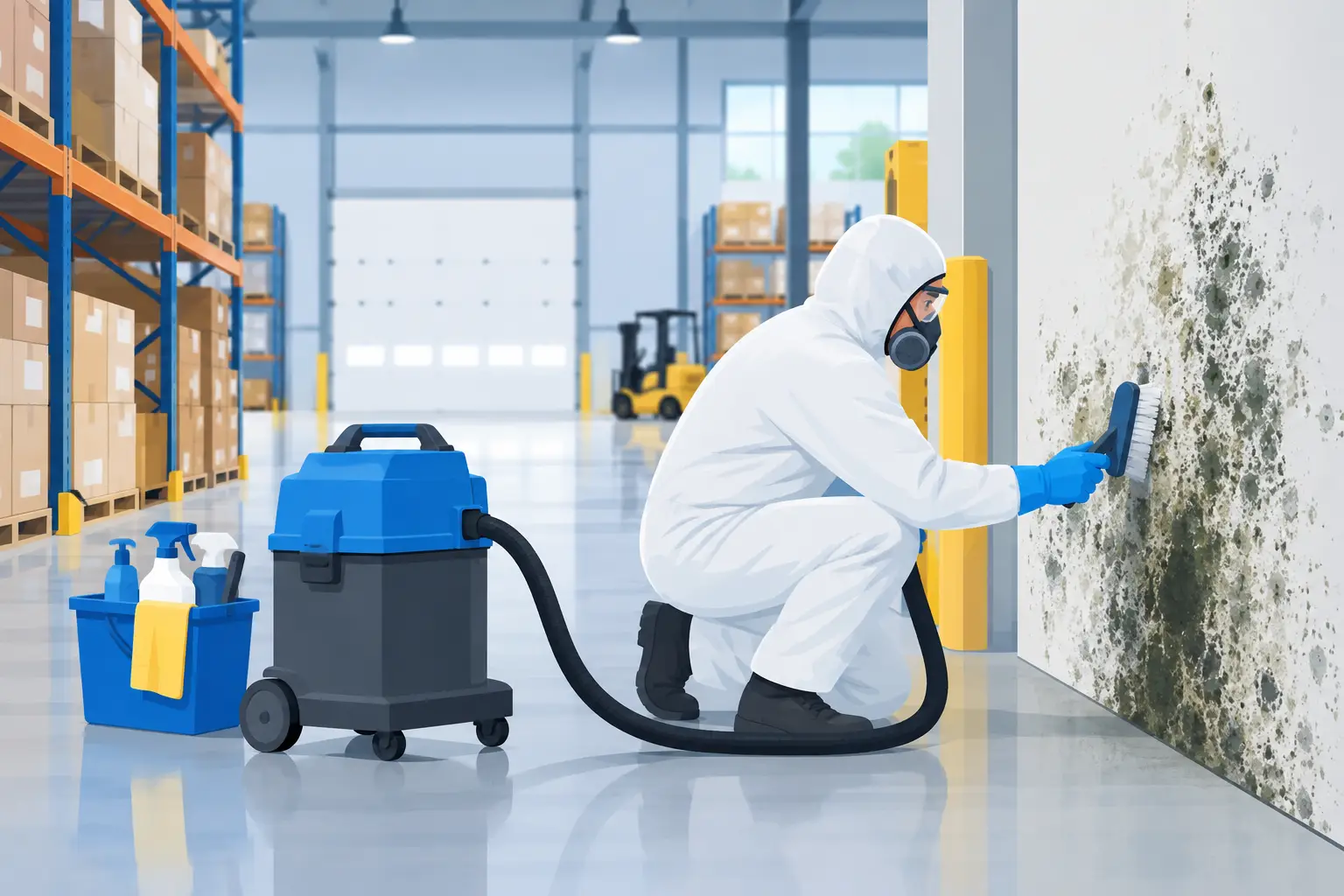
There is also a safety issue. Disturbing mold without containment can spread spores to adjacent rooms through air movement and foot traffic. That is why proper remediation typically includes isolation of the affected area, negative air pressure, and HEPA filtration. The goal is not only to remove visible mold, but to keep contamination from traveling through the property during the process.
Hidden mold is often the reason it comes back
If mold reappears in the same spot, assume the visible growth may be only part of the problem. Staining around baseboards, bubbling paint, warped drywall, musty smells, or repeated tenant complaints can point to contamination behind walls, under flooring, inside cabinets, or above ceilings.
This matters in both homes and commercial properties. In multi-unit buildings, the source may not even be inside the affected unit. A plumbing issue from an adjacent suite, poor ventilation in a common area, or building envelope failure can keep feeding mold in the same location.
A thorough inspection should look beyond the stain itself. It should assess nearby materials, surrounding moisture patterns, and airflow conditions. If the investigation stops at what is easy to see, the same issue can reappear after the first humid week or the next small leak.
How to stop mold coming back in bathrooms, basements, and attics
Some areas are more vulnerable than others because they combine moisture, limited airflow, and organic materials.
Bathrooms
Bathrooms are a top problem area because steam accumulates daily. A fan that is noisy but weak may not be doing enough. If mirrors stay fogged long after showers, ventilation may be inadequate. Use the exhaust fan during bathing and for a period afterward, repair failed caulking and grout, and dry wet surfaces that stay damp. If mold keeps returning on ceilings or around tubs, there may be insulation, ducting, or hidden leak issues above or behind the finished surfaces.
Basements
Basements often deal with both humidity and water intrusion. Even without standing water, cooler surfaces can collect condensation. Dehumidification, foundation repairs, drainage correction, and sealing around penetrations can all help, but the right fix depends on the source. If mold is growing on framing, stored contents, or behind finished basement walls, the area should be assessed carefully before simple repainting or panel replacement.
Attics
Attic mold is frequently tied to poor ventilation, roof leaks, or warm interior air escaping upward. Bath fans vented into the attic instead of outdoors are a common cause. So are insulation gaps that create uneven temperatures and condensation. Because attic contamination can affect roof decking and indoor air pathways, it should not be dismissed as cosmetic.
Prevention depends on the building and the material
There is no single product that guarantees mold will never return. Paints marketed as mold-resistant can help in the right setting, but they are not a substitute for drying the structure and correcting airflow. Dehumidifiers are useful, but they have to be sized properly and maintained. Air purifiers can support indoor air quality, but they do not fix wet drywall or hidden leaks.
That is the trade-off property owners need to understand. Quick cosmetic fixes cost less upfront, but they usually do not address the full chain of conditions that allowed mold to grow. Full remediation takes more planning and may involve selective demolition, containment, filtration, and post-remediation verification, but it is designed for long-term control.
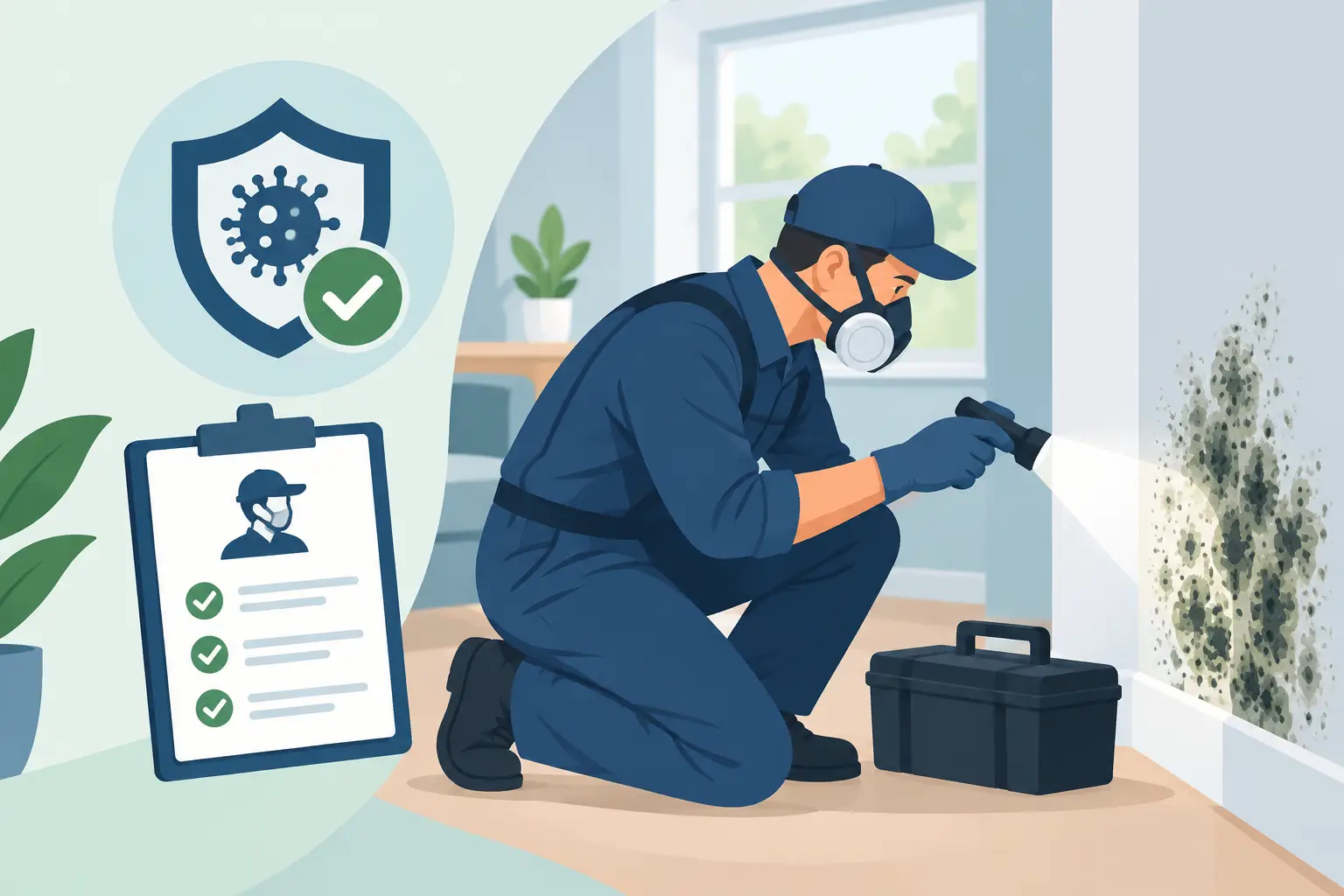
For larger contamination, recurring issues, tenant-occupied spaces, or situations involving health complaints, certified remediation is the safer path. A qualified team can identify the moisture source, contain the work area, remove affected materials correctly, clean the environment with HEPA methods, and confirm whether the area is dry and safe to rebuild. For property owners in Toronto and the GTA, Mold Removal Remediation approaches the problem that way because recurring mold is rarely solved by surface treatment alone.
Signs you need expert help instead of another DIY attempt
If mold covers a large area, keeps returning after cleaning, appears inside HVAC components, follows water damage, or is affecting occupants with respiratory symptoms, it is time to escalate the response. The same is true if the mold appears in a rental unit, commercial property, or any setting where liability, documentation, or occupant safety matters.
Professional help is also important when asbestos-containing materials may be present, since older building materials can create an additional hazard during demolition or disturbance. In those cases, testing and controlled work practices are essential.
The goal is not to make every mold issue sound like a crisis. Small, isolated spots from a short-term humidity event may be manageable if dried quickly and cleaned appropriately. But when mold is recurring, spreading, or tied to hidden moisture, the cost of underreacting is usually higher than the cost of doing it correctly.
If you want mold gone for more than a few weeks, stop focusing on the stain and start focusing on the condition behind it. Dry the structure, correct the source, remove what cannot be saved, and verify the result. That is how you stop mold from becoming a repeat problem instead of a resolved one.