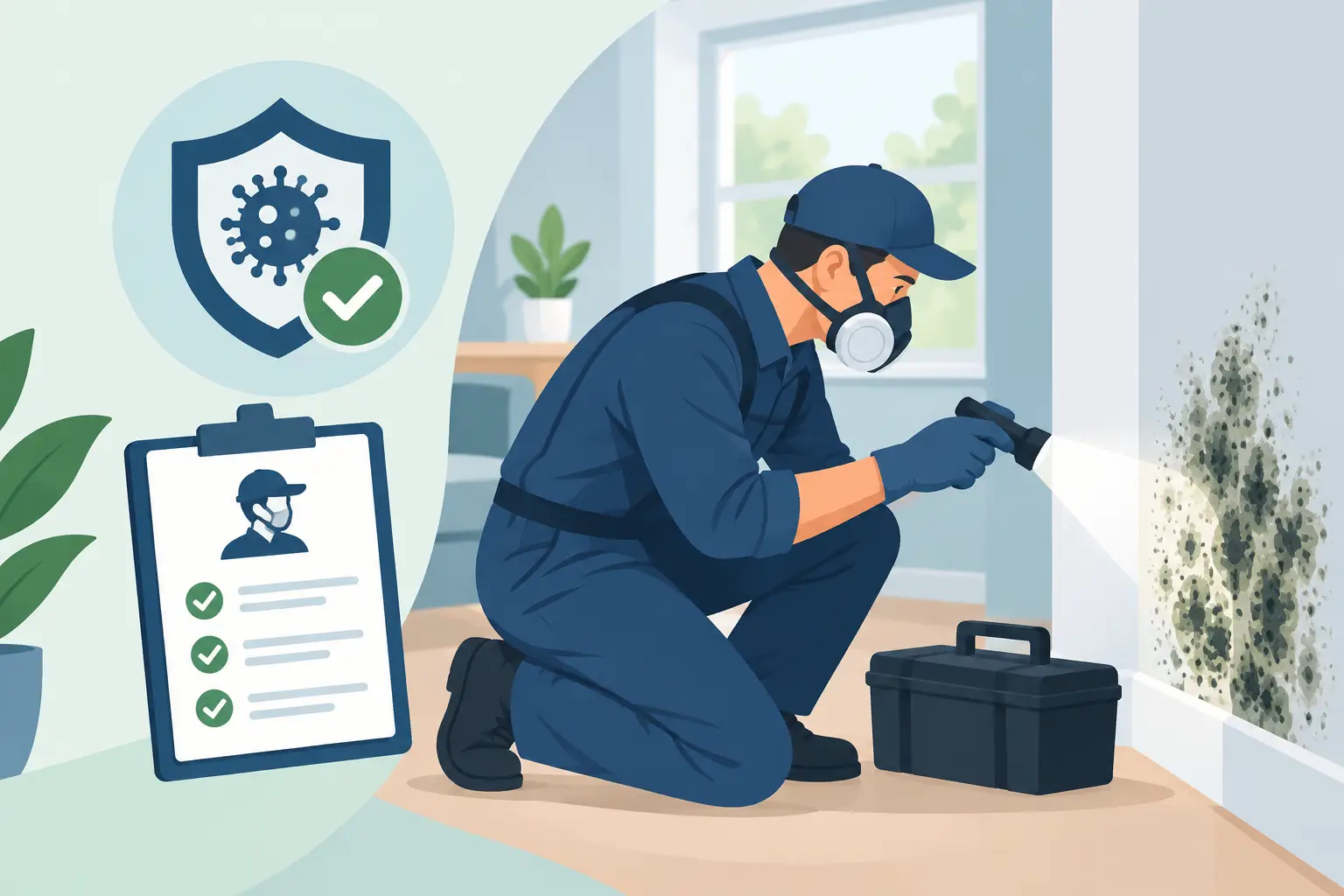



A musty smell in the basement, recurring condensation around windows, or a leak that never fully dried can turn into more than a property issue. Mold exposure symptoms at home often show up quietly at first – a stuffy nose that improves when you leave, a cough that lingers, headaches, irritated eyes, or worsening asthma indoors. When those patterns keep repeating, it is worth taking the environment seriously.
What mold exposure symptoms at home can feel like
For many people, mold exposure does not cause one dramatic reaction. It causes a cluster of symptoms that are easy to blame on allergies, dust, weather changes, or a seasonal cold. The most common complaints include sneezing, nasal congestion, throat irritation, coughing, watery eyes, sinus pressure, skin irritation, and fatigue.
People with asthma, allergies, compromised immune systems, or existing respiratory conditions often react more strongly. In those cases, indoor mold can aggravate wheezing, trigger chest tightness, or make breathing feel more difficult in certain rooms. Young children and older adults may also be more sensitive to poor indoor air quality.
That said, symptoms vary. One person in a household may feel fine while another reacts quickly. Sensitivity depends on the person, the type of mold present, how much contamination exists, and whether spores are being circulated through air movement, HVAC systems, or disturbed materials.
Why symptoms often get missed
The biggest reason mold problems go undetected is that visible growth is not always present. Mold can spread behind drywall, under flooring, above ceiling tiles, inside insulation, around window frames, and inside crawl spaces after even a minor moisture issue. If the source is hidden, people focus on their symptoms and not the building.
Timing is another clue that often gets overlooked. If symptoms improve at work, outdoors, or while traveling, then return after a few hours back inside the property, the home environment may be contributing. The same pattern can happen in offices, rental units, and commercial spaces.
Not every cough or headache points to mold. Dry winter air, dust, pet dander, cleaning products, and poor ventilation can create similar discomfort. But when there is a known water event, a persistent musty odor, visible staining, or repeated moisture intrusion, mold should move higher on the list of likely causes.
Room-by-room warning signs that matter
Bathrooms are a common starting point because steam, poor ventilation, and plumbing leaks create ideal conditions for growth. Black spotting on caulking or ceilings may seem minor, but surface growth can also signal moisture trapped behind walls.
Basements are another frequent problem area, especially after flooding, seepage, or foundation moisture. If the air feels damp, stored items smell musty, or drywall shows discoloration, there may be hidden contamination. Bedrooms can also become a source of symptoms if there is condensation around windows, past roof leaks, or mold inside closets on exterior walls.
In kitchens, leaks under sinks, behind dishwashers, and around refrigerators can support mold long before visible damage appears. In attics, poor ventilation and roof leaks can create growth that affects air quality throughout the home. Commercial properties face similar risks around HVAC systems, plumbing lines, restrooms, and any area with recurring humidity.
When symptoms suggest more than a small surface issue
A little mildew on grout is not the same as widespread hidden contamination. The concern grows when symptoms are ongoing, multiple occupants are affected, or the property has a history of water damage. If you notice health complaints alongside bubbling paint, warped materials, ceiling stains, peeling drywall tape, or a strong earthy odor, the issue may be deeper than what is visible.
Another red flag is repeated cleaning with no lasting improvement. If discoloration keeps returning, the moisture source has not been corrected or mold is growing inside the material itself. Wiping the surface may make it look better temporarily, but it does not solve contamination behind walls or under porous finishes.
This is where homeowners and property managers can lose time and money. A superficial cleanup may miss the actual source, allowing spores and moisture problems to continue affecting the space.
What to do if you suspect mold exposure symptoms at home
Start with observation. Note where symptoms seem strongest and whether they improve when you leave the property. Pay attention to musty odors, water stains, condensation, and any history of leaks, flooding, plumbing failures, or roof issues. That information helps narrow down where hidden growth may be present.
It also makes sense to control what you can safely control right away. Reduce indoor humidity, use exhaust fans, avoid disturbing suspicious materials, and do not run fans directly over visible mold. Agitating contaminated areas can spread spores into the air and into adjacent rooms.
If the affected area is small and clearly limited to a non-porous surface, cleaning may help. But if drywall, insulation, carpeting, wood, or ceiling materials are involved, caution is warranted. Porous materials can hold contamination beyond what the eye can see.
For larger, recurring, or hidden issues, professional inspection is the safer path. A proper assessment does more than confirm that mold exists. It helps determine how far it has spread, what moisture source is feeding it, whether containment is needed, and what remediation approach will actually solve the problem.
Why professional inspection matters
Mold problems are rarely just about the visible patch on the wall. A certified inspection looks for the conditions that support growth and the concealed areas where contamination often spreads. Moisture meters, thermal imaging, and indoor air quality testing can help identify what a visual check misses.
That matters because remediation should be based on evidence, not guesswork. Removing drywall in the wrong area creates unnecessary cost. Missing the real affected zone creates repeat contamination. In occupied homes and businesses, proper containment and HEPA filtration are also critical to prevent cross-contamination during the cleanup process.
For landlords and property managers, documentation matters too. Tenant complaints about odors, respiratory irritation, or repeated moisture issues should not be brushed off. A thorough inspection protects occupants, supports maintenance decisions, and reduces the risk of a small problem becoming a larger liability.
Who should be especially cautious
Some occupants should treat possible mold exposure with greater urgency. Anyone with asthma may experience more frequent flare-ups indoors. People with mold allergies can develop stronger upper respiratory symptoms. Infants, seniors, and individuals with weakened immune systems may also be less able to tolerate poor indoor air conditions.
Businesses should also pay attention when staff report irritation, coughing, or persistent odors in a specific area of the building. The issue may not only affect comfort. It can point to hidden moisture damage that threatens materials, operations, and indoor environmental safety.
If symptoms are severe, seek medical advice promptly. Environmental evaluation and medical evaluation serve different purposes, and both may be necessary.
The real goal is not cleanup – it is correction
The safest long-term outcome comes from solving the full chain of the problem: identify the moisture source, define the extent of contamination, contain the work area, remove affected materials properly, clean the environment, and verify that conditions are back under control. Anything less leaves room for recurrence.
That is why certified remediation is different from cosmetic cleaning. A professional team should be able to explain where the moisture came from, what materials are affected, how the area will be isolated, what equipment will be used, and whether post-remediation verification or air testing is recommended. Companies such as Mold Removal Remediation build that process around inspection, containment, removal, and validation rather than a quick surface treatment.
If something in your home keeps making people feel worse indoors, trust the pattern. Mold symptoms are not always obvious, but the combination of health complaints, moisture history, and indoor warning signs is often enough to justify a closer look. Acting early protects both the people in the property and the structure itself.