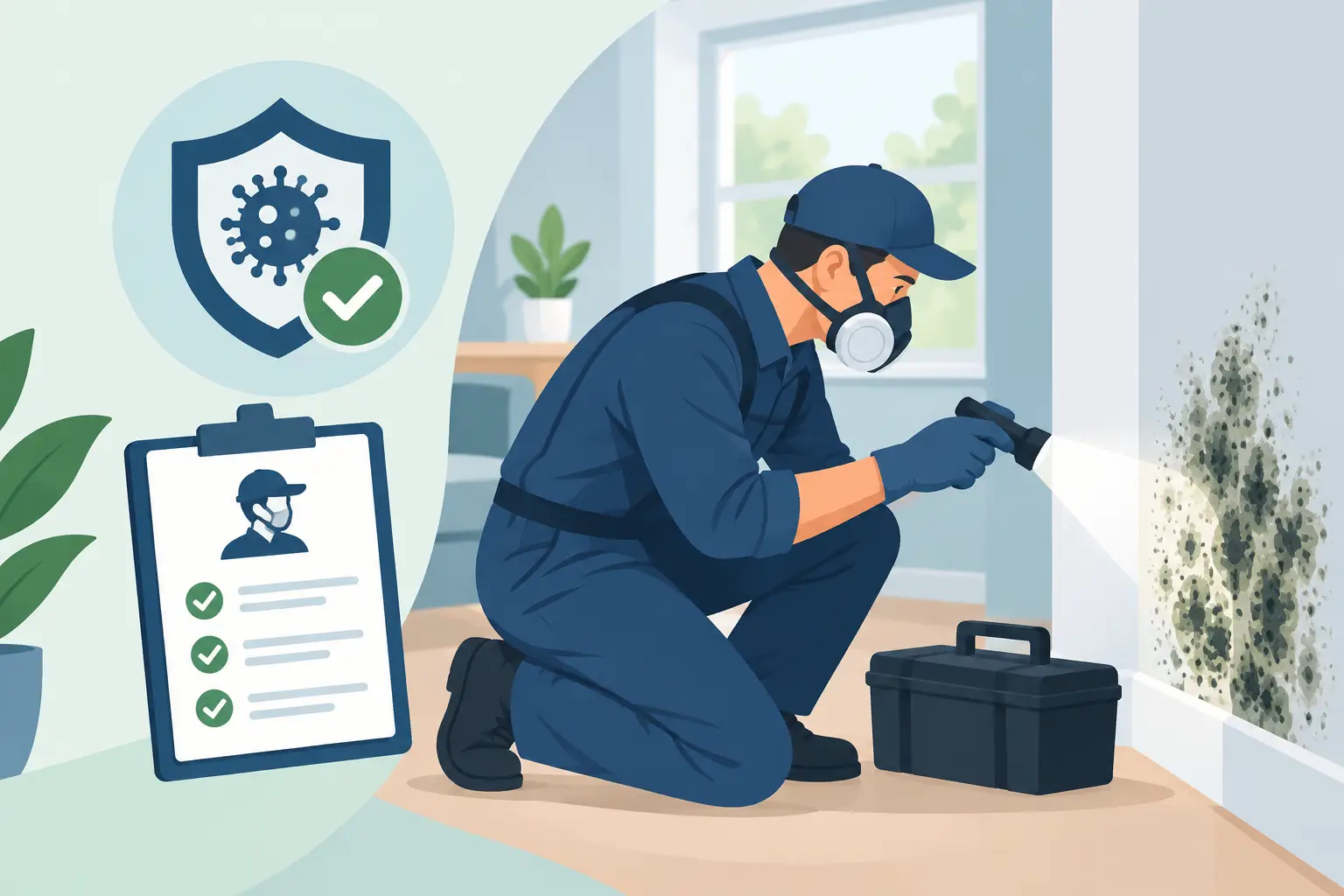



A musty smell after a basement leak, dark spotting around a window, or recurring condensation on a bathroom ceiling should not be treated as a cosmetic problem. This mold remediation guide homeowners can use explains what to do first, what not to disturb, and when professional containment and testing are the safer choice.
Mold grows where moisture remains available. The visible patch may be small, but water can travel behind drywall, under flooring, into insulation, and around framing. Effective remediation addresses both the contamination and the moisture condition that allowed it to develop. Cleaning a surface without correcting the source often leads to the same problem returning.
Start With Safety, Not Scrubbing
Before touching suspected mold, identify the affected area and consider what caused it. A one-time spill that dried quickly is different from a slow plumbing leak, roof intrusion, sewer backup, foundation seepage, or repeated humidity problem. The longer materials stay damp, the greater the chance that hidden mold has developed.
Avoid dry-brushing, sanding, scraping, or using a household fan on visible mold. These actions can spread spores and contaminated dust into other rooms. Bleach is also not a complete answer. It may lighten staining on some nonporous surfaces, but it does not correct moisture, does not reliably penetrate porous materials, and can create strong fumes when used incorrectly.
If occupants are experiencing persistent coughing, eye irritation, allergy-like symptoms, or worsening asthma while at home, reduce exposure to the affected area. Children, older adults, people with respiratory conditions, and those with weakened immune systems may be more sensitive to poor indoor air quality. Symptoms can have many causes, so they should be discussed with a qualified healthcare provider rather than self-diagnosed.
Know When a Small Cleanup Is Reasonable
A homeowner may be able to handle a limited, clearly defined surface issue on a hard, nonporous material, provided the moisture source has been resolved. For example, minor mildew on bathroom tile caused by infrequent ventilation may be cleaned with appropriate protective equipment and a suitable cleaner.
The situation changes when mold affects drywall, carpet, insulation, particleboard, ceiling tiles, upholstery, or other porous materials. These materials can retain moisture and support growth below the surface. In many cases, safe remediation requires removal and disposal rather than surface cleaning.
Professional help is strongly recommended when the affected area is larger than roughly 10 square feet, when there is a strong musty odor with no visible source, when water damage has been ongoing, or when contamination follows sewage or floodwater exposure. It is also the appropriate choice when mold is inside HVAC components, behind walls, beneath flooring, or in an attic or crawlspace where access is limited.
Older homes need an additional layer of caution. Before demolition begins, suspect materials may require asbestos testing. Disturbing certain older flooring, insulation, textured finishes, pipe wrap, or ceiling materials without proper assessment can create a separate indoor contamination hazard.
The Mold Remediation Process Homeowners Should Expect
Professional mold remediation is a controlled restoration process, not simply a cleaning service. While the exact scope depends on the property, a thorough project follows a clear sequence.
Inspection and Moisture Investigation
A trained technician begins by locating visible growth, water staining, moisture patterns, and likely entry points. Moisture meters and thermal imaging can help identify damp materials behind finished surfaces without opening every wall. The goal is to understand the full extent of the problem before removal begins.
Testing may be recommended when the source is unclear, when hidden contamination is suspected, or when documentation is needed for a landlord, property manager, insurance claim, or post-remediation verification. Air and surface testing should support the investigation, not replace it. A qualified inspection still matters because mold results must be interpreted alongside building conditions and moisture evidence.
Containment of the Work Area
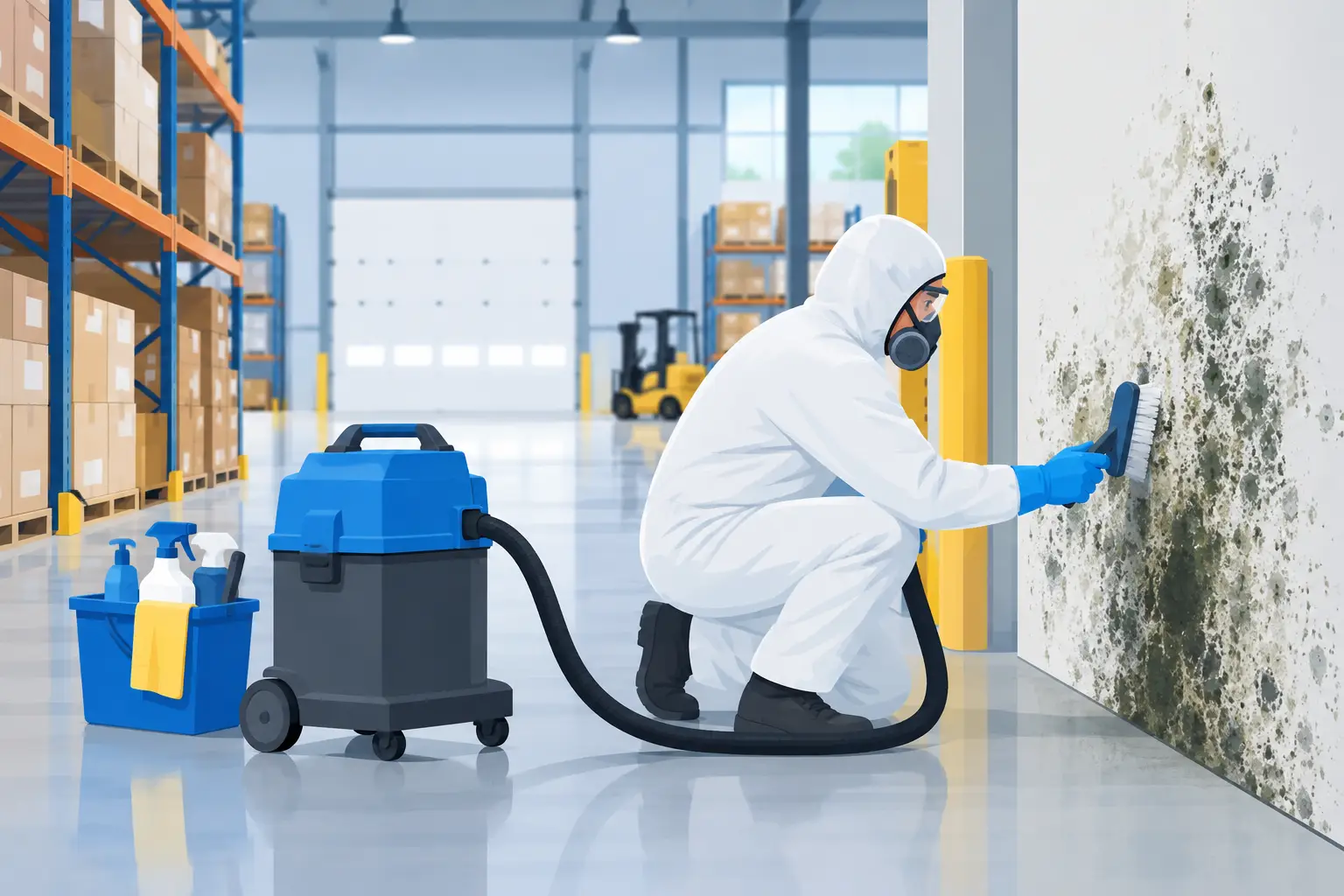
Containment prevents dust and spores from moving into clean portions of the home. Depending on the project, certified technicians may isolate the area with sealed barriers, protect pathways, and use negative air pressure equipment with HEPA filtration. This is particularly valuable when work involves opening walls, removing insulation, or handling contaminated building materials.
A contractor should explain which rooms will be isolated, how occupants can move through the home, and whether temporary relocation is advisable. For a small, contained project, residents may be able to remain in the home. For extensive remediation, especially in bedrooms, kitchens, or central living areas, leaving during active work may be more practical.
Removal of Damaged Materials
Materials that cannot be reliably cleaned are carefully removed, bagged, and disposed of according to the scope of work. This may include drywall, baseboards, wet insulation, carpet, padding, or sections of subfloor. The objective is not to remove every building material near the mold. It is to remove contaminated or unsalvageable materials while preserving sound, dry components whenever possible.
This is where experience matters. Unnecessary demolition increases cost and disruption. Insufficient removal leaves contamination behind. A detailed assessment helps establish a measured scope based on actual conditions rather than guesswork.
HEPA Cleaning and Drying
After removal, exposed surfaces are HEPA-vacuumed and cleaned using appropriate methods for the material involved. The area must also be dried to acceptable moisture levels. If a foundation leak, plumbing failure, roof issue, poor grading, or ventilation deficiency remains unresolved, remediation cannot provide a lasting result.
Drying is not based on how a room feels. Professionals use moisture measurements to confirm that materials are returning to suitable conditions. This step helps prevent mold from re-establishing after repairs are complete.
Post-Remediation Verification
For larger projects, post-remediation verification can provide added confidence that the work area has been cleaned and conditions are suitable for rebuilding. Depending on the situation, this may include a visual inspection, moisture confirmation, and air quality testing by an appropriate independent professional.
Clearance is especially useful after extensive contamination, when occupants have health concerns, or when documentation is required. It also gives homeowners a more reliable basis for authorizing drywall replacement, painting, flooring installation, or tenant reoccupancy.
Stop Mold From Returning
The most effective prevention plan is built around moisture control. Keep indoor humidity in a generally moderate range, use bathroom and kitchen exhaust fans, and vent dryers outdoors. A dehumidifier can help in damp basements, but it is not a substitute for repairing water intrusion.
Inspect under sinks, around appliance supply lines, at window frames, and near exterior doors regularly. Clean gutters, direct downspouts away from the foundation, and address grading issues that allow water to collect against the home. In colder months, condensation on windows can signal elevated indoor humidity or insufficient airflow.
After a leak or water event, act quickly. Remove standing water, protect unaffected contents, and begin drying as soon as possible. Materials that stay wet for more than a day or two deserve close attention, particularly carpet, drywall, insulation, and wood-based flooring.
Questions to Ask Before Hiring a Remediation Company
Choose a company that can explain its findings in plain language and document the proposed scope. Ask how it will locate hidden moisture, contain the work area, protect unaffected rooms, dispose of materials, and confirm drying before reconstruction. A reliable contractor should also be transparent about whether testing is useful for your specific situation rather than treating it as an automatic add-on.
Credentials, insurance, worker safety procedures, and experience with water-damaged buildings matter. Look for trained remediation professionals who use purpose-built equipment such as HEPA air filtration, negative air systems, moisture meters, and thermal imaging when conditions call for them. Written estimates should distinguish investigation, remediation, drying, testing, and reconstruction so you understand what is included.
Mold Removal Remediation approaches mold concerns as an indoor environmental issue, using a structured inspection, containment, removal, cleaning, and verification process designed to protect the property as well as the people inside it.
A mold problem is rarely improved by waiting for the smell to fade or the stain to disappear. Address the water source early, limit disturbance, and get a qualified assessment when the damage is hidden, widespread, or recurring. That decision can protect your home, preserve its value, and restore confidence in the air your family breathes.