

A burst pipe dries on the surface long before the risk is gone. Behind baseboards, under flooring, inside drywall, and above ceilings, trapped moisture can turn a simple water event into a mold problem within 24 to 48 hours. That is why mold inspection after water damage should happen early, not after stains spread or musty odors take over the space.
For homeowners, landlords, property managers, and business owners, timing matters. Water from clean supply lines, appliance leaks, roof failures, sewage backups, or sprinkler discharges does not behave the same way once it moves through building materials. Some materials dry quickly. Others hold moisture deep inside, where mold can grow unnoticed. A proper inspection is not just a visual check. It is a technical assessment designed to find hidden contamination, identify the source of moisture, and determine whether cleanup, removal, or full remediation is needed.
Why mold inspection after water damage matters
The biggest mistake after a leak or flood is assuming that if the area looks dry, it is safe. Visible drying tells only part of the story. Drywall, insulation, wood framing, carpet pad, and subfloors can retain moisture long after the surface feels normal. If moisture remains trapped, mold growth can begin quickly and continue spreading in concealed areas.
This matters for health, property condition, and cost control. Mold exposure can aggravate allergies, asthma, and respiratory irritation, especially for children, seniors, and anyone with existing sensitivities. From a property standpoint, untreated moisture can damage finishes, weaken materials, and create a larger remediation project later. In rental or commercial settings, delays can also lead to complaints, downtime, and liability concerns.
A thorough inspection helps answer the questions that matter most. Is there active mold growth? How far has moisture traveled? Are affected materials salvageable? Is the issue limited, or has contamination spread into adjacent rooms, wall cavities, or HVAC areas? Without those answers, any cleanup is guesswork.
What a professional inspection should include
A reliable inspection starts with context. The inspector should ask when the water event happened, what caused it, what materials were affected, and what drying steps have already been taken. This background helps determine where hidden moisture is most likely and whether the water source introduced contaminants.
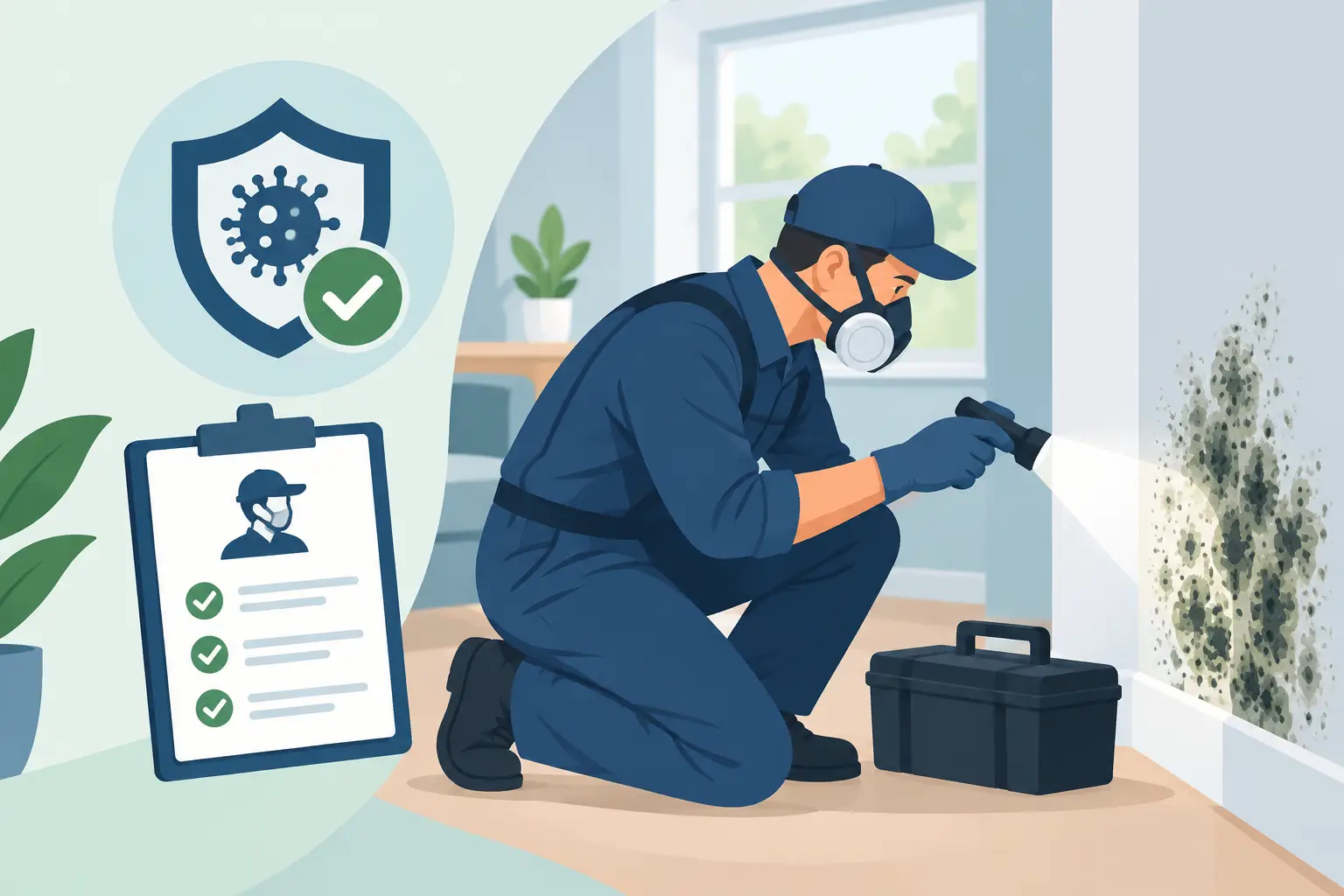
Visual assessment comes first, but it should never be the whole process. Trained professionals look for discoloration, swelling, warped trim, peeling paint, staining, microbial growth, and condensation patterns. They also pay attention to odor. A persistent musty smell often points to moisture problems behind finished surfaces.
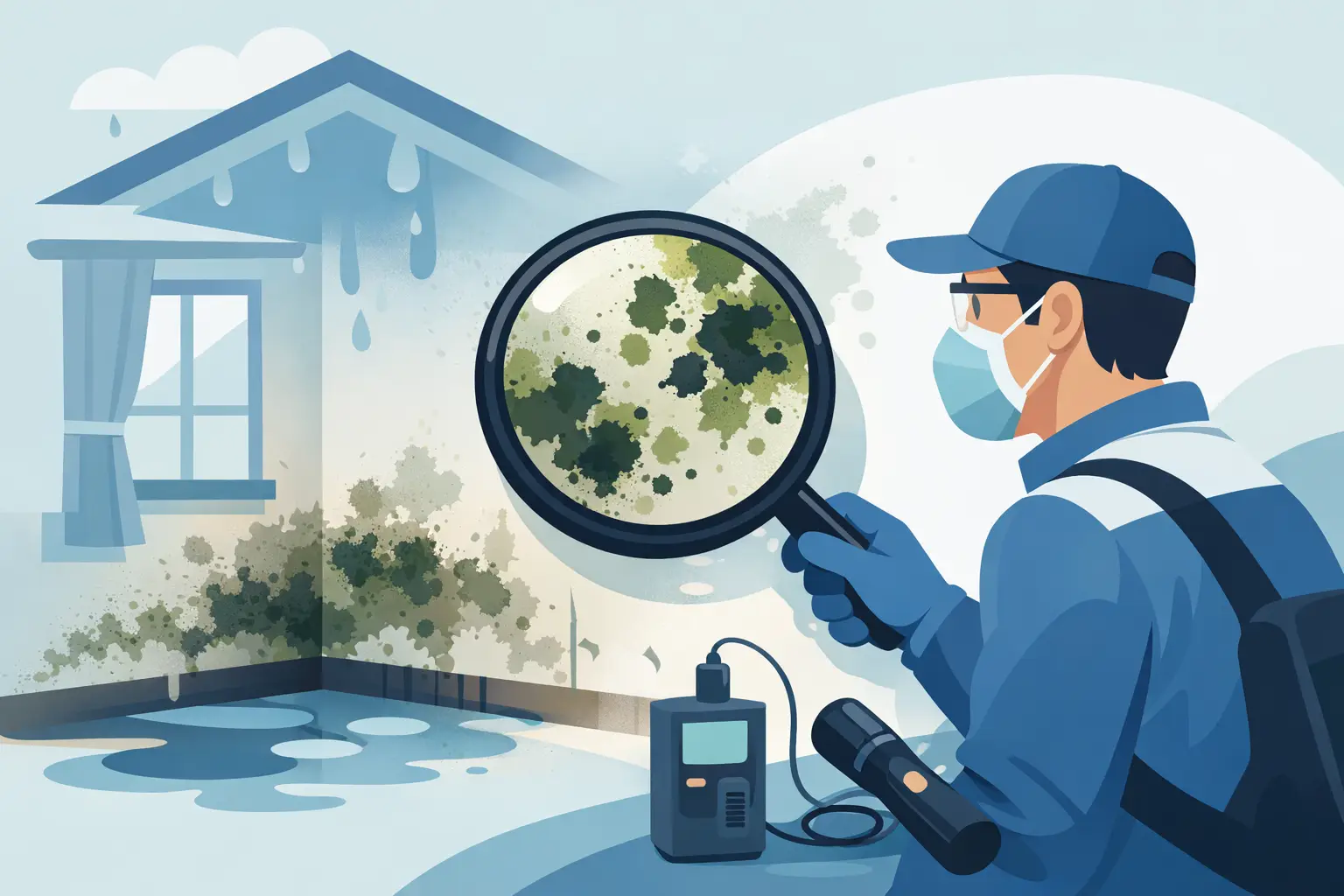
The next step is moisture mapping. This is where professional equipment makes the difference. Moisture meters help detect elevated moisture levels in drywall, wood, and other materials. Thermal imaging can reveal temperature differences that suggest hidden moisture behind walls or under flooring. Neither tool alone confirms mold, but together they help define the affected area with much more accuracy than a basic walk-through.
When conditions warrant it, sampling may also be recommended. Air quality testing and surface sampling can help document contamination levels, identify mold types, or verify concerns in cases where growth is suspected but not fully visible. Sampling is especially useful when occupants report symptoms, when contamination may have reached HVAC systems, or when documentation is needed for property management, insurance discussions, or post-remediation clearance.
When to schedule an inspection
The best time to schedule mold inspection after water damage is as soon as the water intrusion is discovered and the source has been stopped. Waiting for visible mold is risky. By the time mold appears on the surface, growth may already be established inside structural cavities or porous materials.
Urgency increases when water has been present for more than a day, when drying was delayed, or when porous materials were soaked. The same applies if you notice musty odors, bubbling paint, warped floors, stained ceilings, or repeated dampness in the same location. Even a smaller leak under a sink or behind an appliance can create the right conditions for mold if it goes unnoticed.
There are also situations where inspection is wise even without obvious signs. After roof leaks, basement flooding, overflow events, or plumbing failures in finished walls, hidden moisture is common. Commercial buildings and multi-unit properties deserve added caution because shared walls, tenant turnover, and larger HVAC systems can allow problems to spread farther than expected.
Not every water loss creates the same risk
One important trade-off is that the inspection scope depends on the type of water involved and how long materials stayed wet. A clean water leak that was addressed immediately may require moisture verification and targeted removal of a few damaged materials. A slow leak discovered weeks later often calls for a more extensive mold investigation because the timeline allowed hidden growth to develop.
Category matters too. Water from sewage backups, toilet overflows with waste, or stormwater intrusion carries contamination concerns beyond mold alone. In those cases, remediation has to address both microbial growth and sanitation hazards. The inspection needs to define the full exposure area so the cleanup plan protects occupants and workers properly.
Building design also affects the answer. Concrete basements, older plaster walls, newer insulated assemblies, vinyl flooring over wood subfloors, and finished ceiling cavities all retain and release moisture differently. That is why experienced inspectors do not treat every water event with the same checklist. The right process depends on the source, timeline, materials, and occupancy.
What happens if mold is found
If mold is confirmed or strongly suspected, the next step should be a clear remediation plan, not cosmetic cleaning. Wiping down visible growth without addressing the moisture source and concealed spread usually leads to recurrence. Effective remediation begins with fixing the cause of water intrusion, whether that means plumbing repair, building envelope correction, drainage improvements, or humidity control.
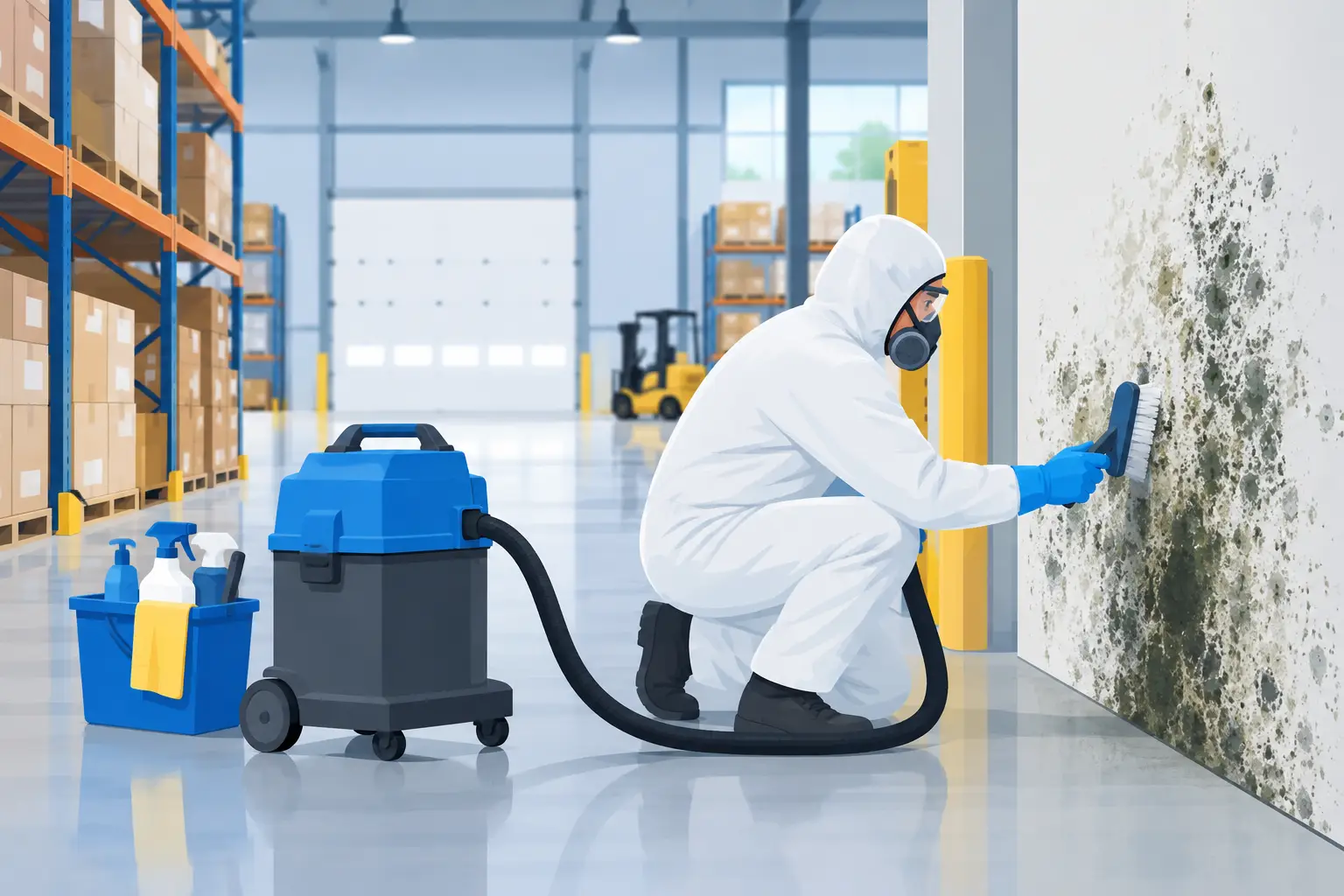
Containment is often necessary to keep spores from spreading during removal. Depending on the severity, professionals may use sealed work zones, HEPA filtration, and negative air pressure to protect the rest of the property. Affected porous materials such as drywall, insulation, and carpet pad may need to be removed if contamination is established. Structural materials that can be cleaned and dried safely are treated using approved remediation methods.
After removal and cleaning, drying and verification matter just as much as demolition. Moisture levels should return to acceptable ranges before reconstruction begins. In many cases, post-remediation air quality testing or clearance testing provides added confidence that the area is safe to rebuild and reoccupy.
This full process is what separates certified remediation from a basic maintenance response. A company such as Mold Removal Remediation approaches water-damaged mold issues by inspecting for hidden moisture, containing affected areas, removing contamination safely, and validating results when needed.
Choosing the right inspection company
If you are hiring a professional, credentials and process should carry more weight than a low quote. Mold problems after water damage are not just cleaning jobs. They involve environmental assessment, moisture diagnostics, contamination control, and health considerations.
Look for a company that explains what will be inspected, what equipment will be used, and whether moisture mapping, thermal imaging, or air testing are appropriate for your situation. Ask how they determine the extent of hidden damage and what standards guide their remediation recommendations. Certifications such as IICRC and other recognized industry credentials help show that the work is based on established procedures rather than guesswork.
It is also worth paying attention to communication. The right team should be able to explain findings in plain language, outline next steps clearly, and tell you when a problem is limited versus when a larger intervention is necessary. Good inspectors do not create panic. They create clarity.
A fast response protects more than the building
After water damage, people often focus on drying what they can see and getting life back to normal. That makes sense, but hidden moisture does not care about appearances. It moves quietly through materials, settles into closed spaces, and creates problems that are more expensive and more disruptive if they are ignored.
A timely inspection gives you something valuable in a stressful situation – facts. It tells you whether the damage is superficial or deeper, whether mold has started, and what it will take to make the property safe again. When indoor health, tenant confidence, business operations, and long-term property value are on the line, certainty is worth acting on early.