

If you have visible mold on a wall, a musty smell in the basement, or tenants reporting respiratory irritation, the first question is usually simple: what does mold remediation include? The short answer is that proper remediation goes far beyond wiping off a stain. A certified remediation process identifies the moisture source, checks for hidden growth, contains contaminated areas, removes affected materials when necessary, cleans the air and surfaces, and confirms the space is safe to use again.
That matters because mold is rarely just a surface problem. In homes and commercial buildings, it often spreads behind drywall, under flooring, inside insulation, around HVAC components, and in areas affected by leaks or humidity. If the underlying moisture issue is missed, mold usually returns.
What does mold remediation include in a professional job?
Professional mold remediation is a controlled environmental cleanup process. It is designed to stop mold from spreading, reduce exposure risks, and address the conditions that allowed growth in the first place. The exact scope depends on the size of the affected area, the type of materials involved, and whether the contamination is limited to one room or has moved through multiple building components.
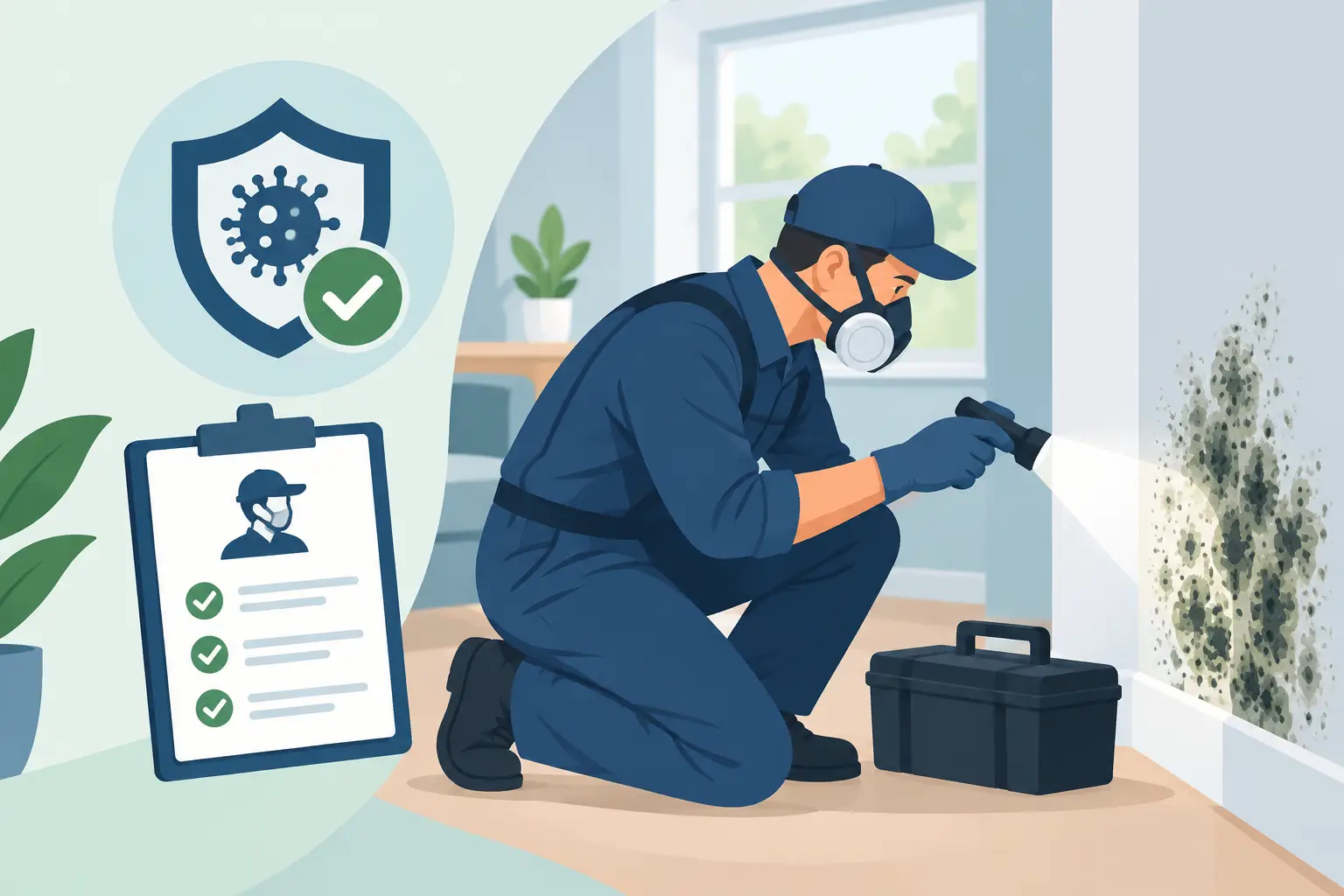
In most cases, the process begins with inspection and assessment. This is where technicians determine how far the mold has spread, what materials are affected, and whether there are signs of hidden moisture. Moisture meters, thermal imaging, and visual inspection all help build an accurate plan. In some properties, especially where odors are present but mold is not obvious, indoor air quality testing may also be used to support the diagnosis.
After the assessment, the next step is containment. This is one of the most important parts of the job and one of the most overlooked by non-specialists. Without proper containment, disturbing mold can release spores into surrounding rooms. Professional crews isolate the work area with physical barriers and often use negative air pressure and HEPA-filtered equipment to control airborne particles during removal.
Inspection, moisture detection, and finding the cause
A reliable remediation project starts by answering two questions: where is the mold, and why is it there? Visible growth is only part of the picture. Mold may be growing behind baseboards after a plumbing leak, above a ceiling under a roof problem, or inside wall cavities where condensation has gone unnoticed.
This is why a real inspection focuses on both contamination and moisture intrusion. A technician may inspect bathrooms, attics, crawl spaces, basements, windows, and HVAC areas, depending on the symptoms in the building. Water staining, elevated humidity, soft drywall, warped trim, and peeling paint can all point to deeper issues.
The source matters. If mold is caused by a one-time spill that was dried quickly, the remediation plan may be relatively limited. If it is tied to chronic basement seepage, poor ventilation, an active leak, or repeated flooding, the scope becomes more involved. Remediation handles the contamination, but long-term success depends on correcting the moisture source as well.
Containment and air control
Once the affected areas are identified, the workspace needs to be controlled. This protects occupants and helps prevent cross-contamination. In a small isolated area, the containment setup may be straightforward. In a larger home, office, or multi-unit property, the setup can be more extensive.
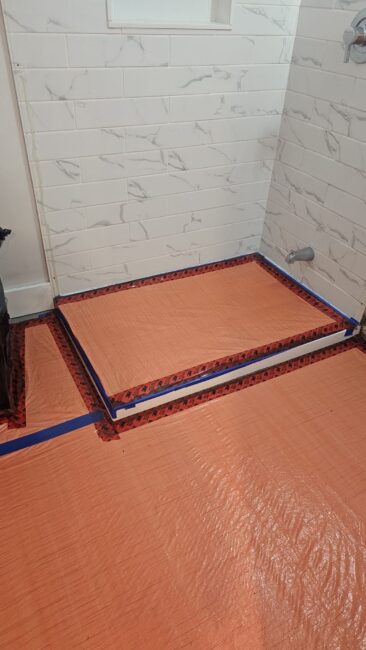
Containment usually includes sealed plastic barriers, restricted access, and negative air machines fitted with HEPA filtration. These machines help pull airborne particles out of the workspace while keeping pressure lower inside the contained area than outside it. That pressure difference helps keep spores from drifting into hallways, bedrooms, retail areas, or adjacent tenant spaces.
This is also where safety procedures become critical. Depending on the level of contamination, workers may use protective suits, gloves, and respirators. For occupied buildings, technicians may recommend temporary relocation from the work zone, especially for children, seniors, immunocompromised occupants, or anyone with asthma or respiratory sensitivity.
Removal of mold-damaged materials
One of the biggest misunderstandings about remediation is the idea that all mold can simply be sprayed and wiped away. Some materials can be cleaned. Others need to be removed because mold has penetrated too deeply.
Porous materials such as drywall, insulation, ceiling tiles, carpet underpadding, and some wood-based products often require removal when contamination is significant. If mold has grown through these materials or if they remain damp and structurally compromised, cleaning alone is not enough. Leaving them in place can allow the problem to return.
Non-porous or semi-porous materials may sometimes be salvaged, depending on the extent of growth. Concrete, metal, tile, and some solid wood surfaces can often be professionally cleaned if the damage is limited and the moisture issue is corrected. This is where experience matters. A certified remediation contractor knows when removal is necessary and when restoration is still viable.
Cleaning, HEPA filtration, and detailed surface treatment
After damaged materials are removed, the remaining surfaces and the air within the containment zone need to be cleaned thoroughly. This part of the process is not cosmetic. The goal is to reduce mold spores, fragments, and settled dust that could continue to affect indoor air quality.
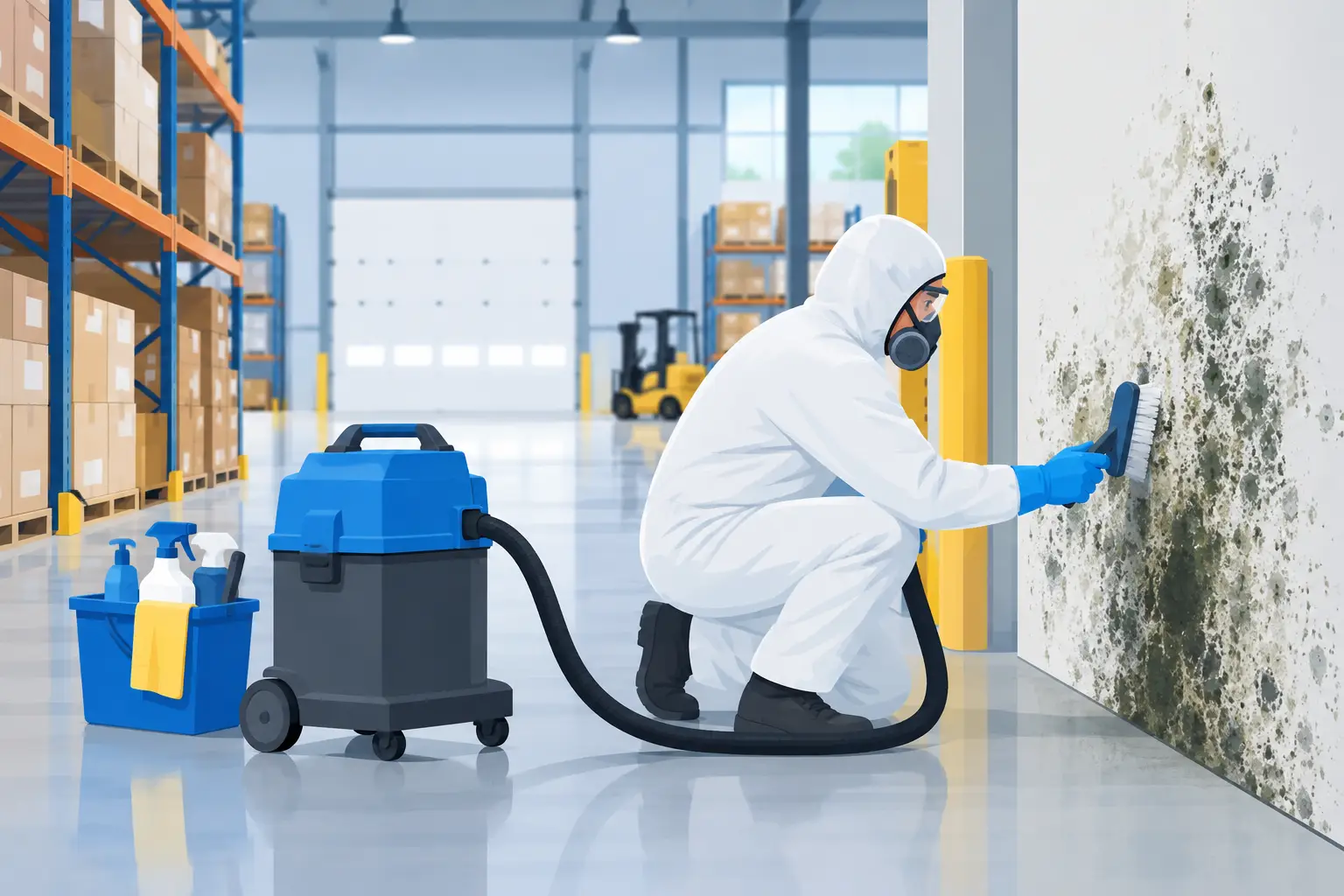
Professional cleaning often includes HEPA vacuuming, damp wiping, and targeted antimicrobial treatment where appropriate. The exact methods depend on the surface type and the contamination level. In some cases, sanding or wire brushing may be needed on structural wood if mold growth has affected the surface fibers.
Air scrubbing may continue during and after removal to help capture airborne particulates. This is especially important in larger projects, older buildings, and properties where occupants have already noticed odors or health symptoms. A musty smell alone does not tell you how much mold is present, but it is often a warning sign that contamination has spread beyond what is visible.
Drying and moisture correction
Remediation is incomplete if the affected area is not dried properly. Mold thrives where moisture remains. That is why drying is not just cleanup support. It is part of the corrective process.
Depending on the cause, drying may involve dehumidifiers, air movers, ventilation adjustments, or repairs to leaks and drainage issues. In some situations, the mold contractor handles the drying and coordinates with plumbers, roofers, or restoration professionals for the repairs. In others, the same company may provide a broader scope of moisture and structural remediation.
There is no one-size-fits-all answer here. A bathroom with chronic condensation needs a different fix than a basement with groundwater intrusion. An attic with mold from poor ventilation needs a different correction than a commercial unit affected by an HVAC condensate leak. The common thread is that moisture control is essential if you want lasting results.
Post-remediation verification and air testing
For many property owners, the final question is not whether the mold was removed, but how to know the space is safe again. That is where post-remediation verification comes in.
Verification may include a visual inspection, moisture confirmation, and in some projects, air quality testing. Testing can be especially useful when contamination was widespread, when there are health concerns, when a tenant or buyer needs documentation, or when mold was hidden rather than obvious. It helps confirm that airborne spore levels have been brought back under control and that the work area has been cleaned properly.
Not every small job requires the same level of post-clearance testing, and any honest contractor should explain when testing is recommended and when it may be optional. But for larger or sensitive projects, independent or documented clearance adds peace of mind.
What mold remediation usually does not include
It also helps to understand what remediation may not cover automatically. Rebuilding and cosmetic restoration are often separate from the environmental cleanup itself. If drywall, flooring, trim, or insulation has been removed, those materials may need to be replaced after the contaminated area passes clearance.
Likewise, if the root cause involves major building repairs, such as foundation waterproofing or roof replacement, those items may fall outside the mold remediation scope unless specifically included in the project agreement. A dependable contractor will make that clear upfront rather than leaving you to guess halfway through the job.
For homeowners, landlords, and business owners, the safest approach is to look for a team that treats mold as an environmental problem, not just a stain removal job. Certified companies such as Mold Removal Remediation use inspection tools, containment protocols, HEPA equipment, and post-remediation validation to address the full problem with precision.
If you are comparing estimates, ask whether the quote includes inspection, moisture detection, containment, removal of unsalvageable materials, HEPA cleaning, drying, and verification. That conversation will tell you very quickly whether you are getting true remediation or just a surface-level cleanup. When indoor health and property value are at stake, thoroughness is not an extra. It is the job.