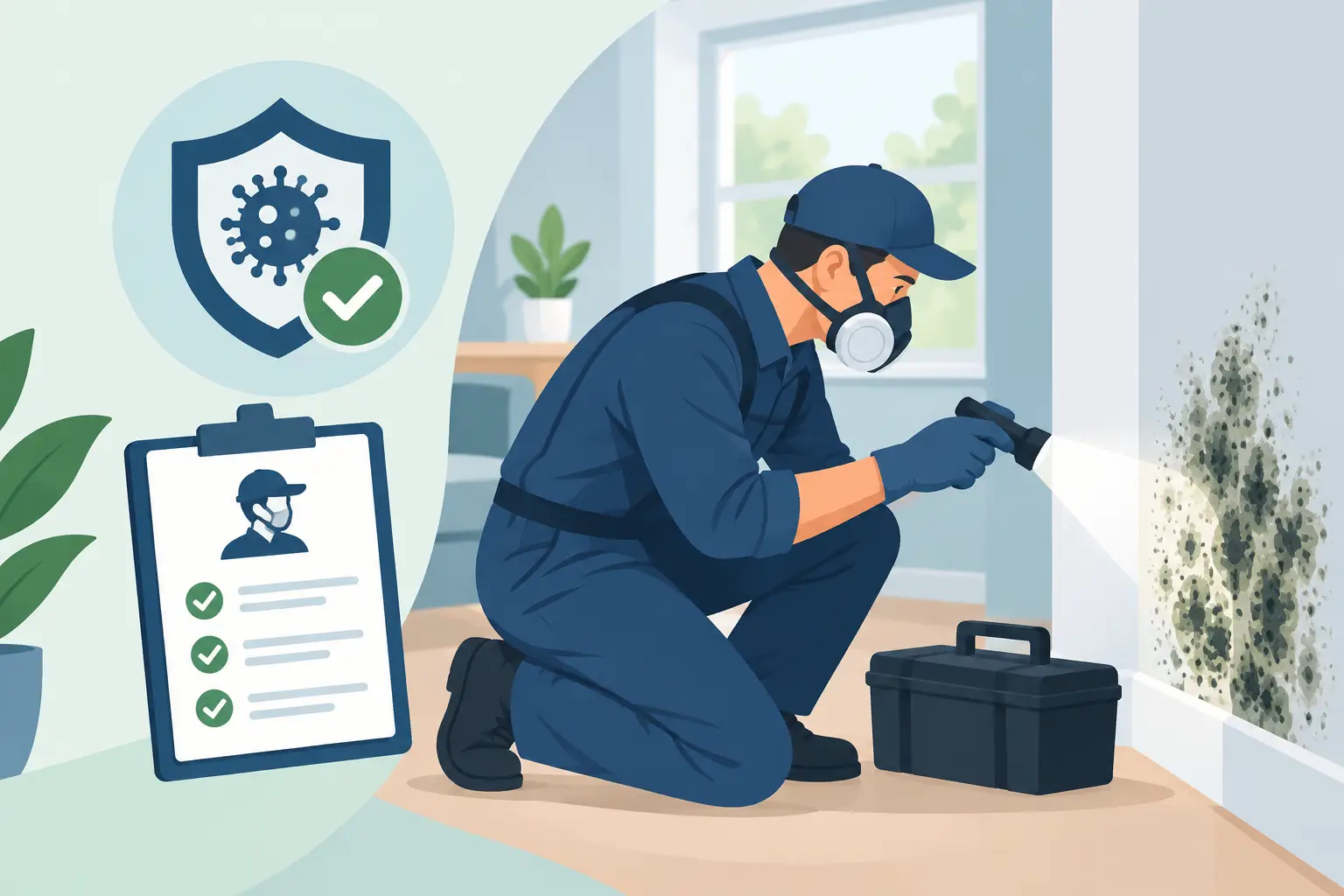



A musty odor behind a finished basement wall, peeling paint near a window, or a stain that returns after every storm is rarely just a cosmetic problem. Knowing how to fix moisture intrusion means finding the path water is taking into the building, stopping it at the source, and addressing any damp materials before mold has time to spread.
For homeowners, landlords, and commercial property managers, speed matters. Moisture can move through drywall, insulation, flooring, framing, and HVAC components without producing an obvious leak. By the time visible mold appears, the underlying water issue may have been active for weeks or months.
What moisture intrusion really means
Moisture intrusion occurs when unwanted water vapor or liquid water enters a building envelope or accumulates inside it. The source might be a roof leak, a cracked foundation, poor grading, failed window flashing, plumbing damage, condensation, or high indoor humidity. The repair is not always as simple as sealing the spot where damage is visible.
Water follows gravity, framing, gaps around penetrations, and capillary pathways in concrete and masonry. A stain on a ceiling may be several feet away from the roof defect. A wet baseboard can be caused by exterior drainage, a hidden pipe leak, or condensation from an uninsulated surface. That is why an accurate diagnosis comes before demolition, caulking, or cleaning.
Signs you may have hidden moisture intrusion
Visible water is the clearest warning, but it is not the only one. Pay attention to recurring musty odors, bubbling paint, warped flooring, swollen trim, rust around vents, condensation on windows, or drywall that feels soft or cool to the touch. In rental and commercial spaces, repeated complaints about odors, headaches, or worsening allergy-like symptoms can also justify an indoor air quality and moisture assessment.
Four conditions deserve prompt investigation: water stains that grow after rain, mold that returns after cleaning, a persistently damp basement or crawl space, and a sudden increase in indoor humidity. These symptoms do not identify the cause on their own, but they indicate that moisture is present long enough to affect materials.
How to fix moisture intrusion: start with the source
A lasting repair follows a simple order: inspect, identify, correct, dry, and verify. Skipping the first two stages is how properties end up with repeated mold growth after an expensive cosmetic repair.
Inspect the building from outside to inside
Start outdoors when the issue appears related to rain or snowmelt. Look for overflowing gutters, disconnected downspouts, blocked drains, damaged roof shingles, deteriorated flashing, gaps around utility lines, cracked masonry, and soil that slopes toward the foundation. Downspouts should discharge water away from the building, not directly beside the basement wall.
Then inspect indoors, including areas adjacent to the damage. Check under sinks, behind appliances, around toilets, near HVAC equipment, inside closets on exterior walls, and above suspended ceilings. Do not assume that dry paint means dry materials underneath it.
Professional inspectors use moisture meters, thermal imaging, and visual assessment to map elevated moisture without opening every wall. Thermal imaging can reveal temperature differences consistent with wet insulation or air leakage, while moisture readings help confirm whether building materials are actively damp. These tools help narrow the investigation, but readings must be interpreted in context. A cold wall is not automatically a wet wall.
Match the repair to the moisture pathway
The right repair depends on where the water originates. Roof leaks may require replacement of damaged shingles, flashing, vents, or roof penetrations. Window and door leaks may call for corrected flashing, exterior sealant, drainage-plane repairs, or replacement of failed units. Foundation seepage may require exterior grading changes, drainage improvements, crack repair, or waterproofing.
Plumbing leaks require a different approach. Shut off or isolate the water source if possible, have the leak repaired, and begin drying immediately. Even a slow leak behind a vanity or inside a wall can saturate particleboard, insulation, and drywall over time.
Condensation requires controlling warm, humid air and cold surfaces. Improve bathroom and kitchen exhaust, make sure vents discharge outdoors, address insulation gaps, and maintain appropriate indoor humidity. Simply running a dehumidifier can reduce symptoms, but it may not solve a cold-surface or ventilation defect that is causing condensation.
Avoid relying on caulk, paint, or odor products as the primary fix. Sealants have a role when applied to a sound, properly prepared assembly, but they cannot correct failed flashing, bulk-water drainage problems, or an active plumbing leak. Mold-resistant paint also does not make wet drywall safe.
Dry affected materials quickly and completely
Once the source has been controlled, drying becomes time-sensitive. Mold can begin growing on wet organic materials in as little as 24 to 48 hours under favorable conditions. Remove standing water, increase air movement where appropriate, use dehumidification, and monitor moisture levels until materials return to an acceptable dry condition.
Whether materials can be saved depends on their construction, how long they were wet, and whether the water was clean. Nonporous surfaces such as metal or plastic can often be cleaned and dried. Porous materials, including wet insulation, carpet padding, ceiling tiles, particleboard, and mold-damaged drywall, may need removal because they hold moisture and can support hidden growth.
Do not aggressively blow fans across visible mold or contaminated debris. That can spread spores into clean rooms and HVAC pathways. If mold is present, especially over a significant area or inside wall cavities, containment and HEPA air filtration may be needed before removal begins.
When moisture intrusion becomes a mold remediation issue
A small, recent spill on a hard, nonporous surface can often be dried and cleaned safely. The risk changes when water has affected concealed spaces, porous materials, multiple rooms, or occupants with respiratory sensitivities. It also changes when the source involves sewage, floodwater, or other contaminated water.
Professional remediation is often the safer choice when mold keeps returning, there is a strong musty odor without visible growth, or moisture readings remain elevated after a repair. Certified remediation teams can isolate affected areas with containment barriers and negative air pressure, remove damaged materials under controlled conditions, clean remaining surfaces using HEPA filtration, and assess whether the area has been properly dried.
For landlords and commercial property managers, documentation is equally valuable. A clear inspection record, moisture findings, repair scope, and post-remediation verification can help demonstrate that the issue was addressed thoroughly rather than covered up.
Prevent the next intrusion
Prevention is mostly routine maintenance and fast response. Clean gutters and verify downspout discharge before heavy rain seasons. Inspect roofs, windows, exterior sealant joints, and foundation areas at least once a year. Repair plumbing drips promptly, use bathroom exhaust fans during and after showers, and keep indoor humidity under control.
Basements deserve extra attention because concrete can transmit moisture even when no obvious crack is visible. Store belongings off the floor, avoid installing finished wall materials against a persistently damp foundation, and investigate any recurring odor before enclosing the area with new drywall or flooring.
Mold Removal Remediation helps property owners in Toronto and the GTA identify hidden moisture sources and address mold contamination with a health- and safety-focused process. A professional assessment can distinguish a simple maintenance repair from a larger building-envelope or remediation problem.
A dry surface is not always proof that the problem is over. If a stain, odor, or mold patch returns, treat it as a signal to look deeper. Finding the moisture pathway now can protect the building, its occupants, and the value of the property long before a small leak becomes a major restoration project.