

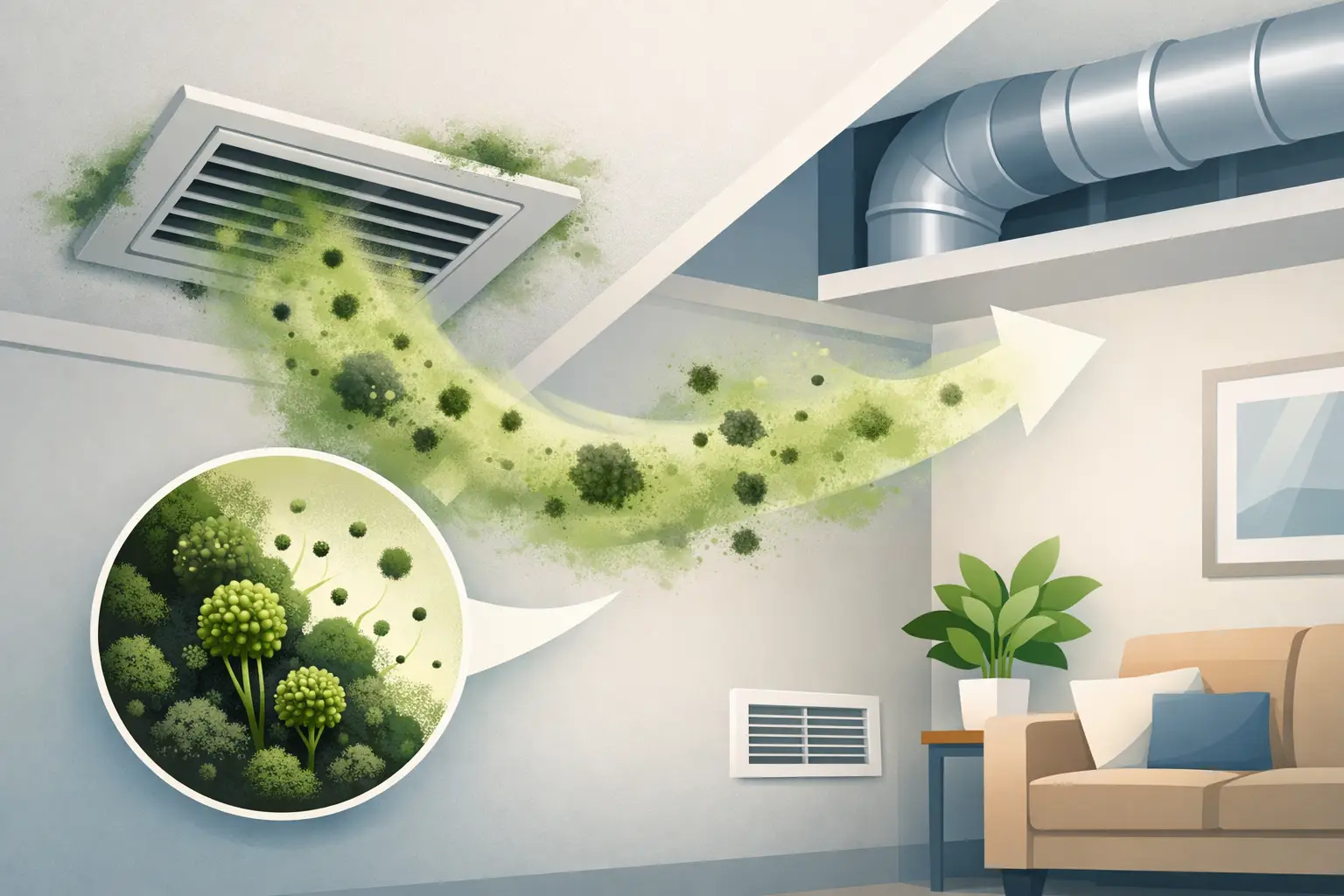
A musty odor that becomes stronger when the heat or air conditioning starts is not something to ignore. So, does mold spread through vents? Mold can use an HVAC system to distribute spores, odors, and contaminated dust from one area of a property to another, especially when there is active growth near return vents, inside air-handling equipment, or within damp ductwork.
That does not mean every dirty vent contains mold or that mold automatically grows throughout an entire HVAC system. Mold needs moisture and a material it can grow on. However, a ventilation system can create a pathway that makes a localized moisture problem feel like a whole-property problem. For homeowners, landlords, property managers, and business owners, identifying the source quickly is the key to protecting indoor air quality and preventing a larger remediation project.
How Mold Can Spread Through HVAC Vents
Mold reproduces by releasing microscopic spores into the air. Spores are common indoors and outdoors, but they become a concern when they land on a damp surface and begin growing. When an HVAC system turns on, air moves through return vents, filters, coils, air handlers, and supply ducts. That air movement can pick up spores from an active mold source and carry them to other rooms.
Return vents are often the more significant concern. They pull air from living or working spaces back toward the HVAC equipment. If there is mold growth in a basement, utility room, crawlspace, wall cavity, or ceiling near a return, spores and fragments may be drawn into the system. From there, they can settle in dust, collect around filters, or be discharged through supply vents.
The system itself may also support mold growth when moisture is present. Condensation on evaporator coils, a blocked condensate drain, poorly insulated ducts, humid crawlspaces, or water damage near an air handler can create the conditions mold needs. Dust inside a system can provide an organic food source, while humidity or standing water supplies the moisture.
When Vents Are Carrying Spores but Not Growing Mold
There is an important distinction between mold growing in ductwork and spores simply moving through the system. A vent cover may look dusty or stained without having active mold behind it. Likewise, spores may be found in HVAC dust even if the actual moisture source is in another part of the building.
This distinction matters because surface cleaning alone may not solve the problem. Wiping a grille and replacing a filter can improve appearance, but it will not address mold hidden behind drywall, under flooring, around a leaking pipe, or inside a damp mechanical area. Effective remediation begins with locating and correcting the moisture source.
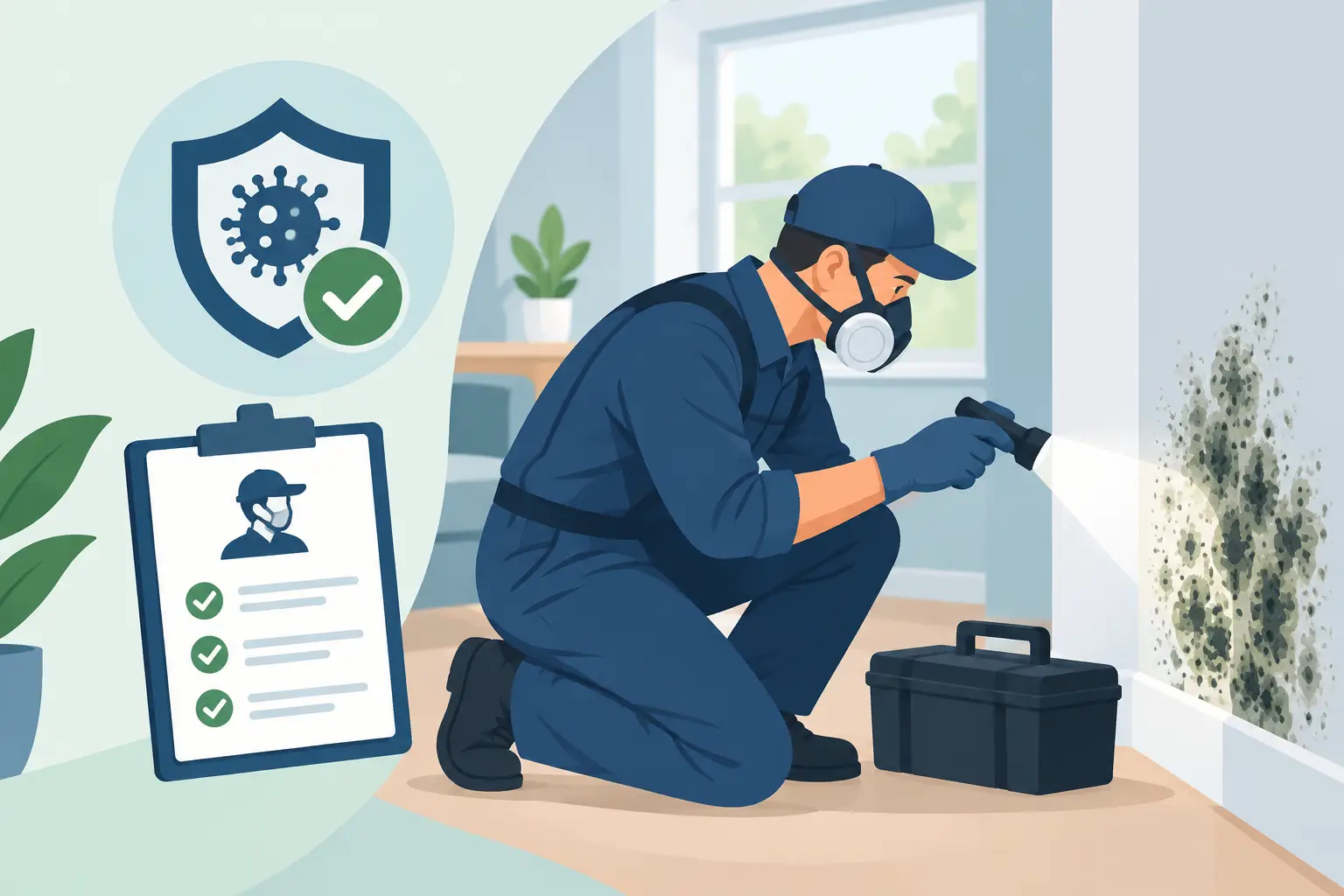
A certified inspection can help determine whether the HVAC system is contaminated, whether it is only transporting particles from another area, or whether the odor is caused by something else, such as dust buildup, a plumbing issue, or a damaged drain line. Moisture meters, thermal imaging, targeted sampling, and a visual assessment are often more useful than guessing based on one dark spot near a vent.
Warning Signs of Mold Related to Vents
A mold issue connected to an HVAC system does not always produce visible growth. In many cases, the first signs are changes in odor, comfort, or recurring stains around vents. Pay attention when a musty smell appears or worsens shortly after the system runs, especially after a water event or during humid weather.
Other warning signs include repeated dark discoloration on vent covers, condensation around supply registers, visible growth near an air handler, water beneath HVAC equipment, or a filter that becomes damp or heavily soiled unusually quickly. Occupants may also report irritated eyes, coughing, congestion, headaches, or worsening allergy-like symptoms in certain rooms. These symptoms can have many causes, so they should not be used to diagnose mold on their own. They do, however, justify an indoor air quality and moisture assessment when combined with odors or water concerns.
In multi-unit residential and commercial properties, complaints from several rooms or floors should be taken seriously. Shared ventilation pathways, roof leaks, plumbing failures, and poorly maintained mechanical systems can allow a localized issue to affect a much wider area.
Why Cleaning the Vent Cover Is Rarely Enough
Homeowners often see discoloration on a register and reach for bleach, household cleaner, or a vacuum. Cleaning a small, nonporous vent cover may be reasonable after the underlying issue has been identified, but it is not a mold remediation plan. Bleach is not a reliable solution for porous materials, hidden contamination, or moisture inside an HVAC system.
Aggressive brushing, vacuuming without HEPA filtration, or opening ducts without containment can disturb settled spores and debris. This may spread contamination into occupied areas. It can also leave the actual problem untouched if moisture remains behind walls, under insulation, or around the air handler.
If active mold is suspected, do not close off every vent in an attempt to contain it. Restricting airflow can create pressure and humidity problems, and it may place unnecessary strain on equipment. Instead, avoid disturbing visible growth, replace a visibly wet HVAC filter if it can be done safely, and arrange a professional assessment as soon as possible.
The Right Response to Suspected HVAC Mold
The proper solution depends on where mold is growing, how much material is affected, and what caused the moisture. A professional remediation process should start with inspection, not duct cleaning as a default recommendation. The goal is to establish whether contamination is in the ducts, on the coils, around the air handler, or elsewhere in the property.
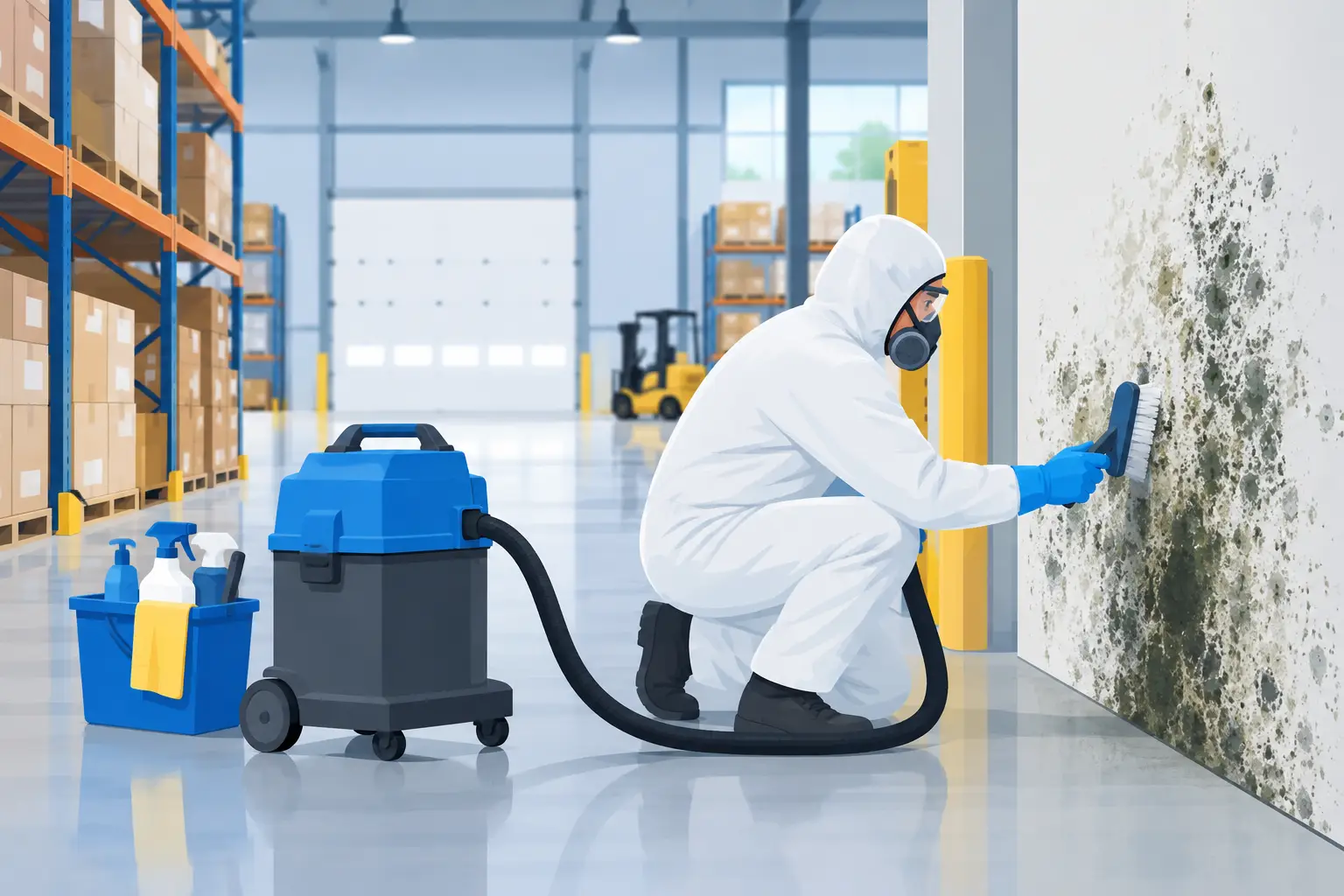
When active contamination is confirmed, trained technicians may establish containment around affected areas, use negative air pressure and HEPA filtration, remove contaminated porous materials when necessary, clean salvageable nonporous components, and correct the moisture source. HVAC components require particular care because improper cleaning can damage equipment or release debris into the air stream.
Duct cleaning can be useful when contamination, debris, or moisture conditions justify it. But it is not a substitute for mold removal from a wet wall, flooded basement, leaking roof area, or damaged insulation. If the source remains, mold can return and the HVAC system can become contaminated again.
After remediation, verification is equally important. A final visual review, moisture confirmation, and, where appropriate, indoor air quality testing can help confirm that the affected area has been properly addressed. This is especially valuable for rental properties, commercial facilities, and households with occupants who are more sensitive to poor indoor air conditions.
Preventing Mold Problems in Vents and Ducts
Prevention is largely moisture control. Keep indoor humidity at an appropriate level, address plumbing and roof leaks promptly, and make sure HVAC condensate drains are functioning correctly. Insulate ducts that pass through unconditioned spaces when condensation is a recurring issue. Regularly replace filters with the type and rating recommended for your system, and do not allow filters or air-handling compartments to become wet.
Basements, crawlspaces, mechanical rooms, and attics deserve extra attention because they often combine limited airflow with humidity or hidden water intrusion. If a musty odor returns after cleaning, do not assume it is harmless. Persistent odor usually means there is still a source to investigate.
For property managers and business owners, document water incidents and respond quickly to tenant or employee reports of odors and visible staining. A small leak resolved within days is often far less disruptive than a hidden moisture issue that has been feeding mold for months.
When to Call a Mold Professional
Professional help is warranted when there is visible mold near HVAC equipment, recurring musty odor from vents, water damage around ducts or air handlers, extensive staining, or health and air quality concerns among occupants. It is also the prudent choice after flooding, a sewage backup, a significant roof leak, or a long-term plumbing failure.
Mold Removal Remediation uses a source-first approach: inspect the affected area, identify moisture, contain contamination, remove damaged materials safely, and validate conditions after the work is complete. That approach protects more than the appearance of a vent cover. It helps protect the building, its occupants, and the air moving through every room.
If your vents are producing a persistent musty smell or showing repeated signs of moisture, treat it as an early warning rather than a cosmetic issue. Finding the source now can prevent a hidden problem from becoming a property-wide one.