


A musty smell after a basement leak, recurring spots around a window, or tenant complaints about coughing can all point to an indoor contamination problem. But air quality testing vs mold inspection is not an either-or decision in every case. These services answer different questions, and choosing the right first step can prevent a small moisture issue from becoming a costly property problem.
For homeowners, landlords, property managers, and business owners, the goal is not simply to find mold spores or wipe away visible growth. It is to identify the source of contamination, protect occupants, and confirm that the space is safe after corrective work.
Air Quality Testing vs Mold Inspection: The Core Difference
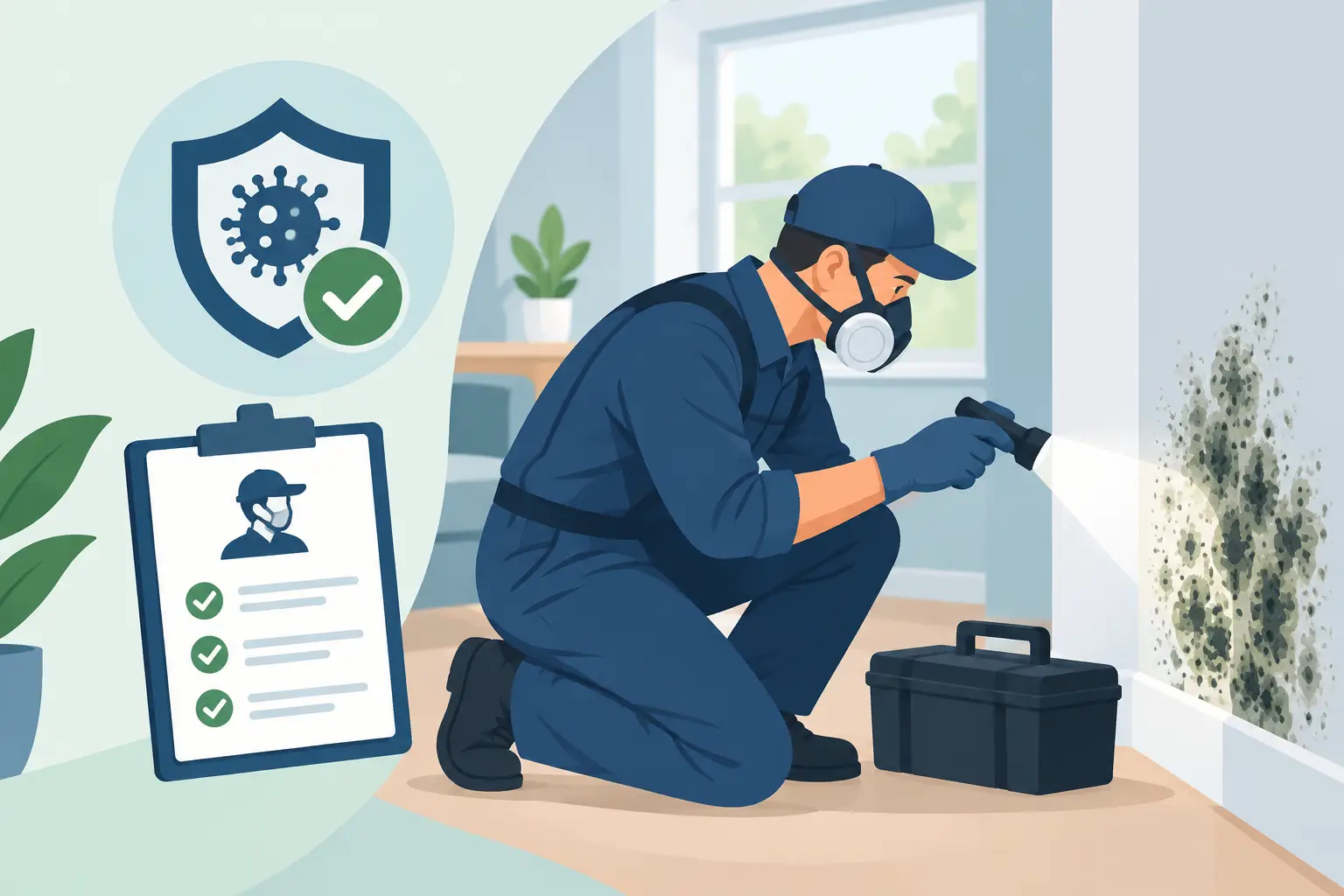
A mold inspection looks for evidence of mold growth, water intrusion, and conditions that allow mold to develop. A qualified inspector evaluates visible surfaces as well as concealed areas that may be affected behind drywall, under flooring, above ceilings, or inside building cavities. The investigation typically includes a visual assessment, moisture readings, and thermal imaging where appropriate.
Indoor air quality testing measures what is present in the air. Depending on the concern, testing may evaluate airborne mold spores, particulate matter, humidity, or other indoor contaminants. Air samples can be compared with an outdoor control sample or with samples from unaffected areas of the property to help identify unusual airborne conditions.
Put simply, an inspection helps answer: Where is the problem, what caused it, and how far has it spread? Air testing helps answer: Is there evidence that contaminants are circulating in the indoor environment?
Neither service replaces the other in every situation. An air sample may suggest a concern but cannot tell you exactly where hidden growth is located. Likewise, a visible mold inspection may identify damaged materials, but air testing can be useful when validating conditions after remediation or investigating health-related complaints with no obvious source.
When a Mold Inspection Should Come First
A professional mold inspection is usually the right starting point when there is a clear moisture event or visual evidence of growth. Mold requires moisture, so the inspection must focus on why the area became wet in the first place. Without moisture-source correction, even a thorough cleaning can be temporary.
Schedule an inspection promptly if you notice staining, peeling paint, warped materials, condensation, a persistent earthy odor, or mold-like spots. It is also appropriate after plumbing leaks, roof leaks, sewage backups, flooding, foundation seepage, or an HVAC drain issue. In commercial properties, inspection is especially important when water damage affects tenant spaces, common areas, storage rooms, or employee work zones.
During an inspection, certified professionals use more than a flashlight. Moisture meters can identify elevated moisture in building materials, while thermal imaging can reveal temperature patterns associated with damp areas. These tools help direct further investigation without unnecessary demolition. If conditions warrant it, targeted samples may be collected from surfaces or the air.
The inspection report should make the next decision easier. It should identify affected locations, likely moisture sources, recommended containment needs, and whether damaged materials require removal rather than surface cleaning.
Visible Mold Does Not Always Need Air Sampling
When mold growth is clearly visible and the moisture source is known, testing is not always necessary before remediation begins. The priority is to stop the water source, contain the affected area, and remove contaminated porous materials safely when required.
Testing every obvious mold situation can add cost without changing the remediation plan. A competent contractor should explain when samples will provide useful information and when the evidence already supports immediate action. That transparency matters, particularly when a leak has affected a family home, rental unit, or active business.
When Air Quality Testing Makes Sense
Air quality testing is particularly valuable when symptoms, odors, or concerns persist but the source is not visible. For example, occupants may report throat irritation, congestion, headaches, or worsening allergy-like symptoms only while inside a specific room or building. These symptoms can have many causes, so testing should be part of a broader investigation rather than a diagnosis of a medical condition.
Testing can also help when a property has a history of water damage but appears dry and clean after repairs. Mold can remain concealed in wall cavities, beneath carpeting, inside insulation, or behind cabinets. In these cases, air sampling may reveal elevated spore levels that justify a more detailed inspection.
Other practical reasons to test include:
- A musty odor remains after cleaning or repairs.
- Tenants or employees report recurring indoor air concerns.
- A building has experienced flooding, long-term humidity, or repeated leaks.
- Remediation has been completed and clearance-style verification is needed.
Air testing is a snapshot, not a permanent verdict. Spore levels can vary based on weather, ventilation, occupancy, cleaning activity, and whether doors or windows were open. Results must be interpreted alongside the building history, moisture readings, visual findings, and the condition of HVAC systems. A report that only provides lab numbers without professional context may create more confusion than clarity.
Why Moisture Investigation Matters More Than a Single Result
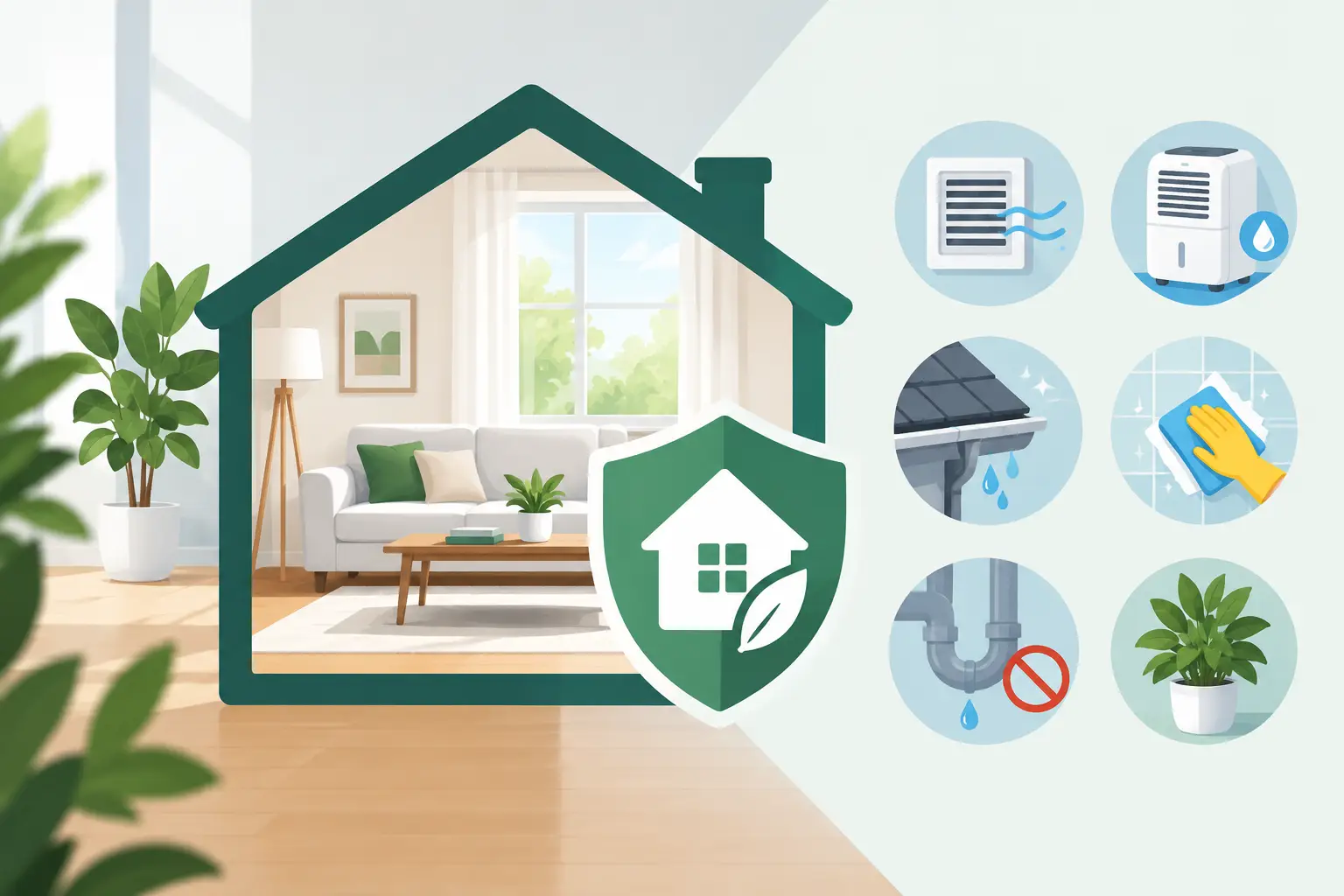
Whether you begin with inspection or air testing, the underlying building condition remains the priority. Mold problems are moisture problems first. A laboratory result cannot repair a leaking pipe, correct poor grading around a foundation, or solve bathroom ventilation that leaves surfaces wet every day.
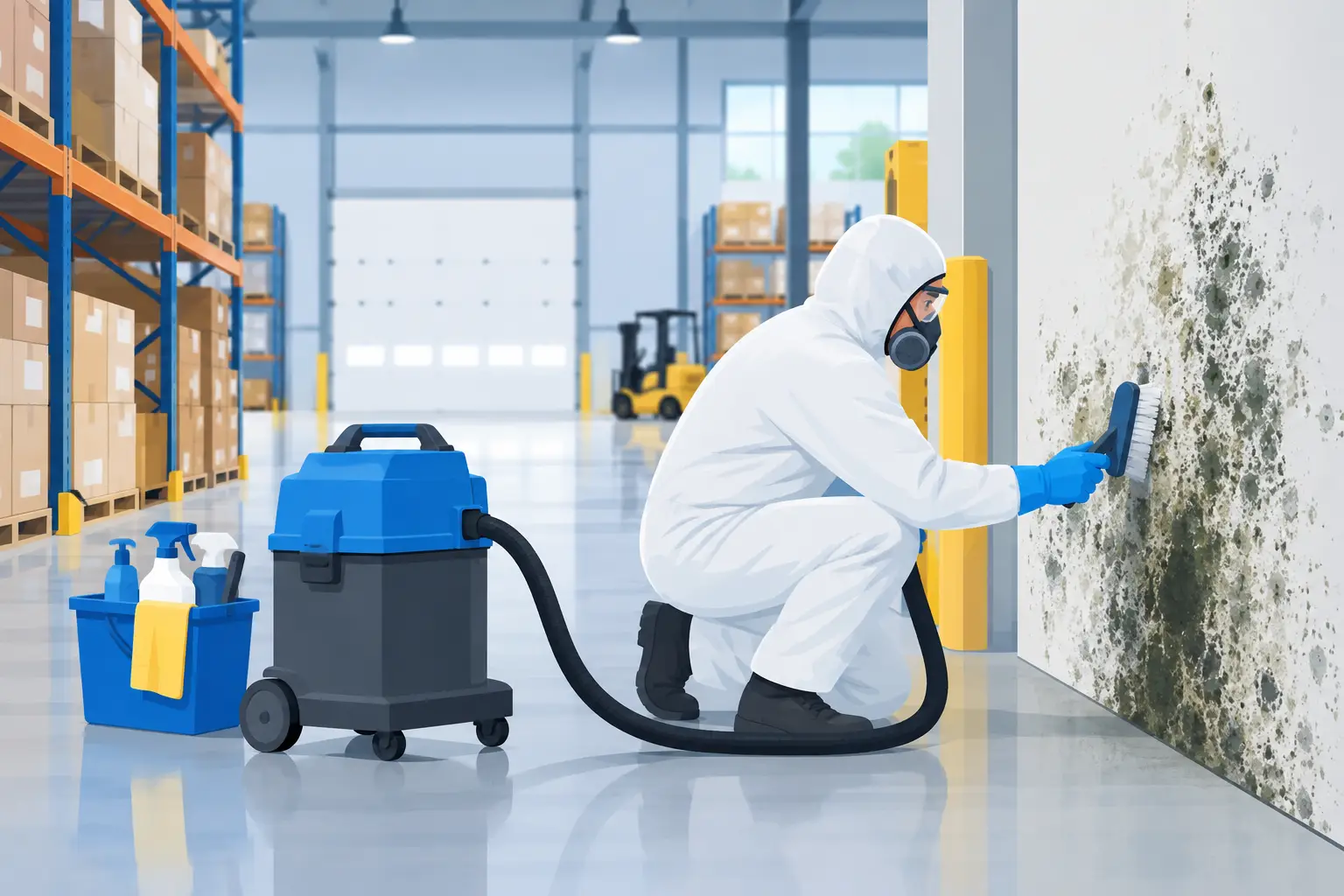
This is why effective remediation follows a disciplined process: inspect, identify the moisture source, contain the affected zone, remove or clean materials using appropriate methods, dry the area, and verify that the work is complete. HEPA filtration and negative air pressure may be necessary when contamination is extensive or when demolition could release spores into occupied spaces.
For landlords and property managers, this approach also creates a clearer record of the response. Documenting the water event, inspection findings, repairs, and remediation steps can help demonstrate that concerns were addressed professionally rather than covered up with paint or fragrance products.
Using Both Services After Mold Remediation
The strongest case for combining mold inspection and air quality testing is often after remediation. Post-remediation verification helps determine whether the work area has been cleaned properly, dried to acceptable conditions, and returned to normal use safely.
Verification should not rely on air sampling alone. The remediated area should be visibly clean, free of dust and debris, and dry according to moisture measurements. Containment materials should be removed carefully, and HVAC pathways should be evaluated if they were exposed or connected to the affected zone.
Air quality testing can add an additional layer of confidence, especially after a major loss, a large containment project, or a dispute involving tenants, buyers, insurers, or commercial occupants. If results indicate an unresolved concern, the remediation team can investigate before the area is fully reopened.
Choosing the Right Professional
The quality of the investigation matters as much as the service selected. Look for a company that can explain its methods in plain language, identify moisture sources, use professional diagnostic equipment, and provide a scope based on actual conditions rather than fear-based sales tactics.
Credentials and safety practices should be part of the conversation. Certified professionals understand how to protect unaffected areas, manage contaminated materials, and avoid spreading spores during removal. They should also be willing to explain trade-offs. A small, isolated surface issue may need a focused repair, while widespread contamination from chronic water intrusion may require a more comprehensive remediation plan.
If your property has visible mold, a leak history, persistent odors, or unexplained indoor air complaints, do not wait for the problem to become easier to see. A prompt, professional assessment can give you a practical path forward and help protect the people who live or work inside.