

A musty smell that returns after cleaning is not just a housekeeping problem. It can be an early warning that moisture, mold growth, or other contaminants are affecting the air you breathe. Knowing how to test indoor air helps homeowners, landlords, and business owners move beyond guesswork, identify potential hazards, and decide when professional inspection is necessary.
Indoor air testing is most useful when it is connected to the condition of the building. Air samples can reveal what is circulating at the moment of testing, but the source of the problem may be behind drywall, under flooring, inside an HVAC system, or in an area affected by a past leak. A reliable assessment looks at both the air and the property conditions creating the concern.
Start With Signs That Indoor Air May Be Contaminated
You do not need visible mold to have an indoor air quality issue. Hidden moisture can support mold growth in wall cavities, basements, attics, crawl spaces, and around plumbing fixtures. Some pollutants also come from combustion appliances, renovation materials, cleaning products, dust, and outdoor air entering the building.
Testing should be considered promptly if you notice four or more of the following conditions:
- Persistent musty, damp, chemical, or sewage-like odors
- Water stains, peeling paint, warped flooring, condensation, or a history of flooding
- Visible mold, even if the affected patch appears small
- Ongoing coughing, throat irritation, headaches, congestion, or worsening allergy symptoms that improve away from the property
- Tenant complaints about odors, humidity, or respiratory discomfort
- Recent water damage, plumbing leaks, roof leaks, or a sewer backup
These signs do not prove that mold is the cause of health symptoms. They do show that the building deserves a closer look. The sooner moisture is located and controlled, the less likely a small issue becomes a larger remediation project.
How to Test Indoor Air at Home
Home testing can provide useful screening information, especially when you need to track humidity, ventilation, or specific airborne pollutants. It should not be treated as a complete mold inspection. Low-cost tests can be affected by sampling method, weather, open windows, cleaning activity, and the normal variation of particles in the air.
Measure Humidity First
A digital hygrometer is one of the simplest tools for checking indoor conditions. Relative humidity should generally remain between 30% and 50%. Sustained readings above 60% create favorable conditions for mold growth, dust mites, and condensation.
Place the device away from direct sunlight, supply vents, kitchens, and bathrooms, then check several rooms over a few days. A basement that stays at 65% humidity while the rest of the home is dry points to a localized moisture issue. A dehumidifier may help manage humidity, but it does not repair a foundation leak, plumbing problem, or poor drainage.
Use Carbon Monoxide Detectors Correctly
Carbon monoxide is colorless and odorless, and it requires a dedicated detector. Every property with fuel-burning appliances, fireplaces, attached garages, or gas heating equipment should have working carbon monoxide alarms installed according to local safety requirements.
If a carbon monoxide alarm activates, leave the building immediately and contact emergency services or the appropriate utility provider. Do not try to investigate the source yourself. Carbon monoxide monitoring is essential, but it does not test for mold, allergens, or most chemical pollutants.
Consider a Particle or VOC Monitor
Consumer air monitors may measure particulate matter, volatile organic compounds, carbon dioxide, temperature, and humidity. These tools can help you spot patterns, such as particle spikes during cooking, elevated VOC readings after painting, or poor ventilation in crowded rooms.
The trade-off is that consumer monitors rarely identify the exact substance causing a reading. A high VOC result does not tell you whether the source is paint, furniture, cleaning products, stored solvents, or another material. Treat the reading as a reason to improve ventilation and investigate likely sources, not as a medical or mold diagnosis.
Be Careful With DIY Mold Kits
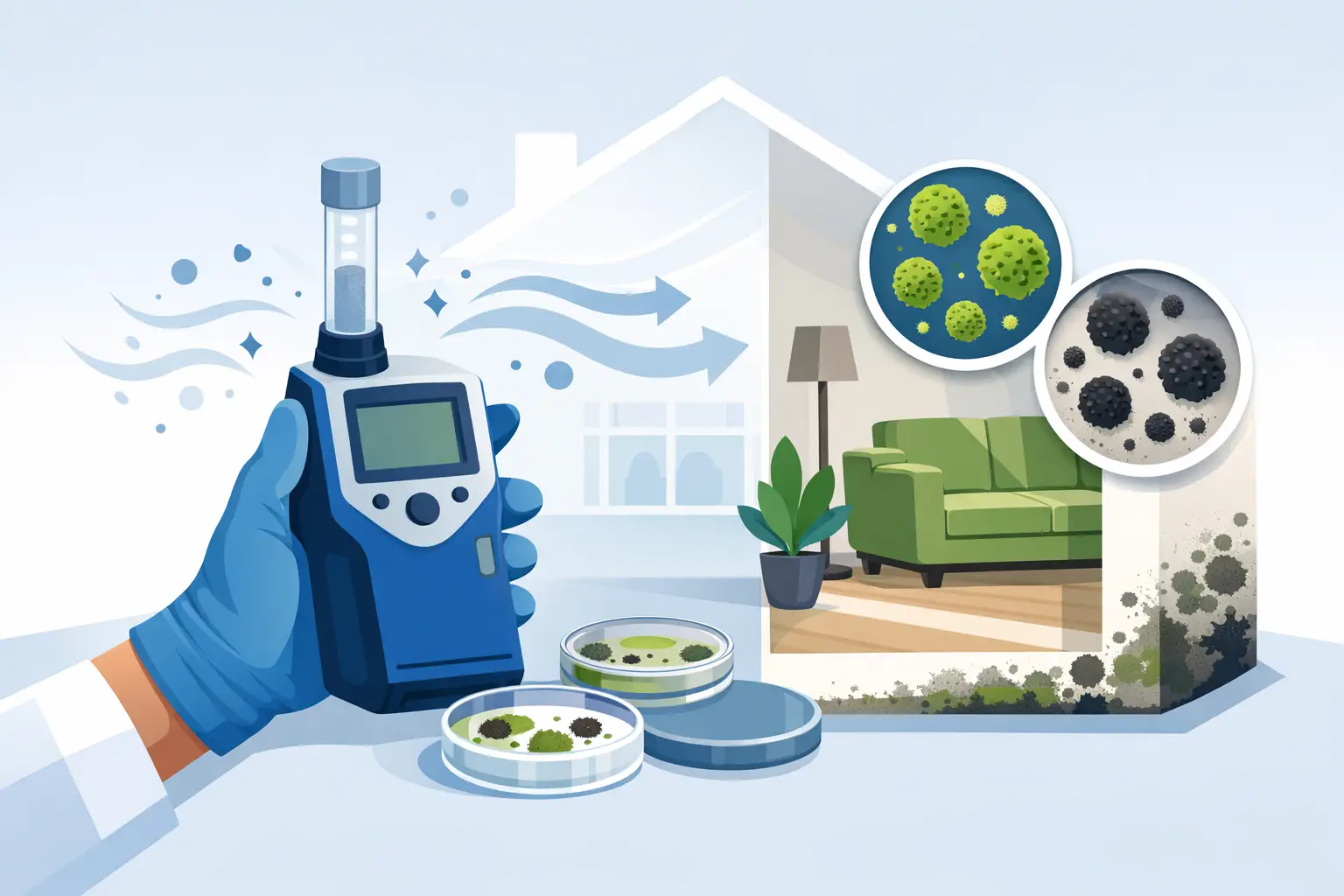
Settle plates and mail-in mold kits are widely available, but they can be misleading. Mold spores are naturally present in most indoor and outdoor environments. A plate that grows mold does not establish that there is a dangerous indoor mold condition, nor does it identify where the growth is located.
Airborne mold levels also change from hour to hour. Opening a door, running an HVAC system, disturbing dust, or changing weather conditions can affect results. DIY kits may create unnecessary alarm or false reassurance when the real issue is hidden moisture that was never inspected.
When Professional Indoor Air Testing Is the Better Choice
Professional testing is recommended when there is visible mold, a persistent odor, repeated moisture damage, unexplained symptoms reported by occupants, or a need to document conditions for a landlord, tenant, insurer, buyer, or property manager. It is also valuable after mold remediation, when verification is needed before a contained work area is returned to normal use.
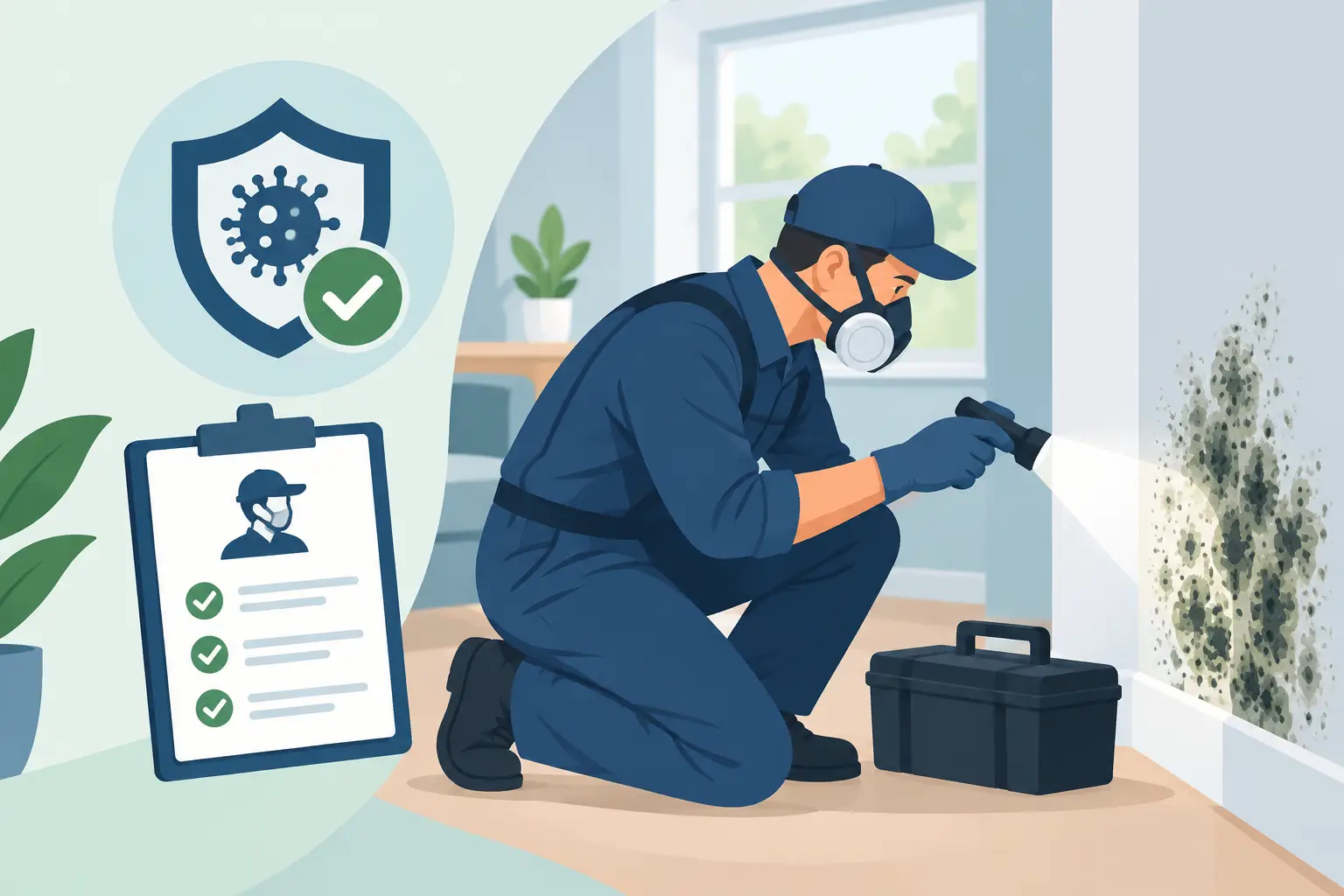
A qualified indoor air quality assessment does more than collect an air sample. Certified technicians evaluate the building for moisture pathways and hidden contamination using tools such as moisture meters and thermal imaging. They may inspect behind appliances, around windows, beneath sinks, inside mechanical rooms, and in other areas where leaks commonly remain unnoticed.
Depending on the concern, a professional may collect indoor and outdoor air samples for comparison, surface samples from suspicious materials, or dust samples. Outdoor control samples matter because they provide context. The question is not simply whether spores are present, but whether the indoor environment shows an unusual pattern, elevated concentration, or species consistent with a suspected contamination source.
For commercial buildings, multi-unit properties, and properties with sensitive occupants, testing may also include an assessment of ventilation, HVAC filtration, humidity control, and potential pollutant sources. The scope should match the situation. Testing every room without a clear reason can add cost without producing a clearer answer.
What a Thorough Mold and Air Assessment Should Identify
The most useful report explains conditions in plain language and connects the findings to a practical corrective plan. It should identify suspected moisture sources, affected materials, sampling locations, laboratory findings when samples are taken, and recommended next steps.
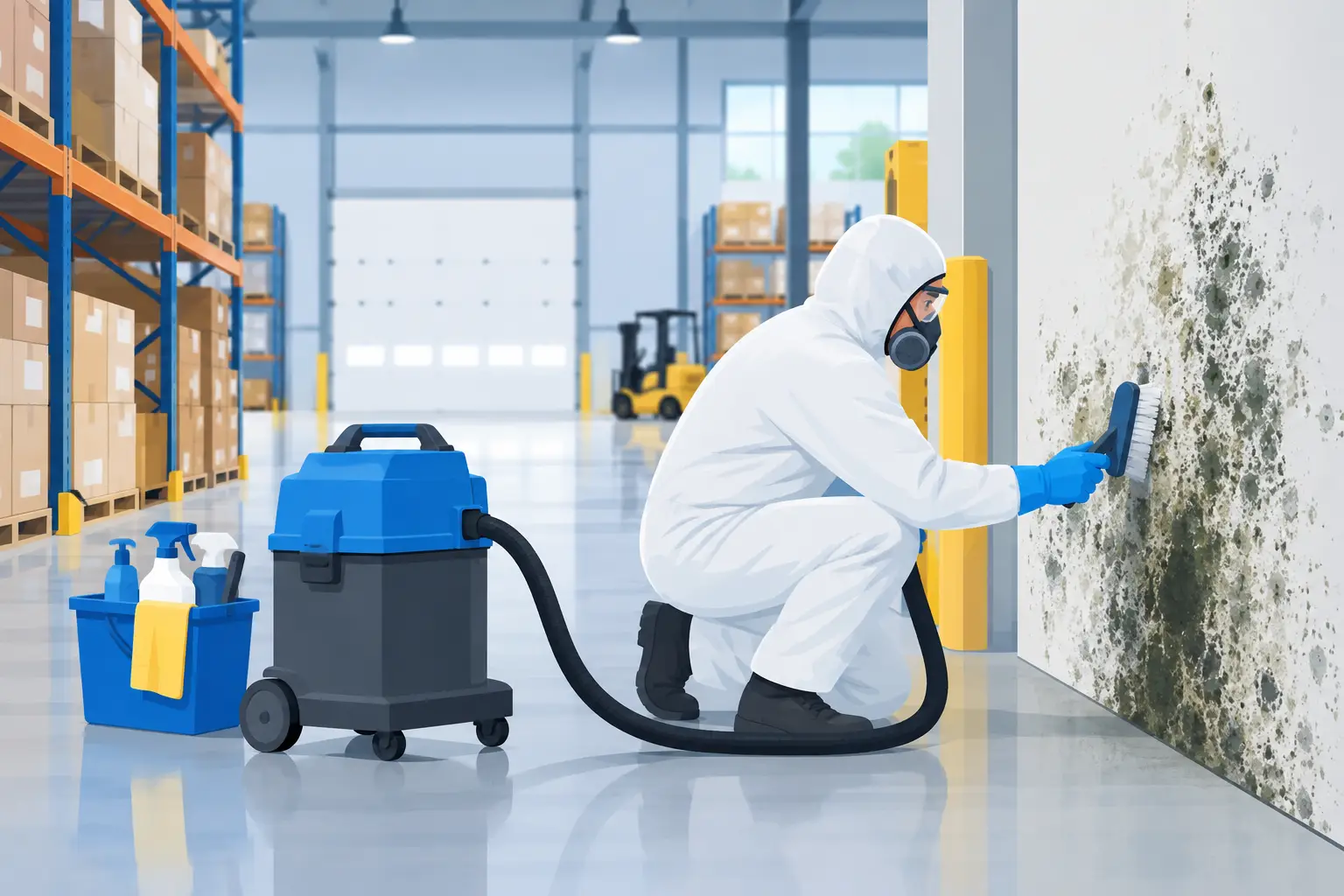
If mold is confirmed, the solution is not to spray a fragrance, fog the room, or paint over the stain. Effective remediation involves correcting the moisture source, isolating the affected area when needed, removing contaminated porous materials safely, cleaning remaining surfaces with HEPA-equipped equipment, and controlling airborne dust with negative air pressure.
Post-remediation verification can be appropriate for larger projects, commercial spaces, or situations where occupants need assurance that the area has been properly cleaned. However, clearance is meaningful only when the moisture source has been corrected. A clean air sample today will not prevent mold from returning if a roof leak or plumbing failure continues tomorrow.
Avoid Common Testing Mistakes
Do not ignore a moldy smell just because no stain is visible. Odor can travel through wall cavities, ductwork, and floor assemblies, so the source may be some distance from where it is noticed. Avoid running ozone generators or using heavy fragrance products before an inspection, since they can mask odors and introduce additional respiratory irritants.
It is also wise not to disturb suspected mold growth before it is assessed. Scrubbing a large area, tearing out drywall, or using a household fan can spread spores and contaminated dust into unaffected spaces. Small areas may sometimes be addressed safely, but recurring growth, water-damaged materials, or contamination larger than a small surface area should be evaluated by trained remediation professionals.
For landlords and property managers, documentation matters. Record dates of leaks, photographs of damage, humidity readings, tenant communications, repairs performed, and testing results. Clear records support faster decisions and help demonstrate that indoor environmental concerns were addressed responsibly.
Turn Test Results Into a Safer Indoor Space
Indoor air testing is not an end point. It is a tool for deciding what needs attention: better ventilation, humidity control, appliance repair, source removal, targeted cleaning, or full mold remediation. The correct response depends on the building, the contaminant, the extent of damage, and who occupies the space.
If your property has a persistent odor, recent water damage, visible growth, or air quality concerns that do not improve, act before the problem becomes harder to contain. A careful inspection can protect the building, the people inside it, and the value of the property.