


A musty smell after a basement leak, dark spotting around a window, or recurring tenant complaints can all raise the same question: what is actually in the building? Air sampling vs swab testing is not a choice between a “better” and “worse” mold test. Each method answers a different question, and selecting the wrong one can leave hidden moisture or contamination unaddressed.
For homeowners, landlords, property managers, and business owners, the goal is not simply to receive a laboratory report. It is to understand whether mold is present, where it is growing, what conditions allowed it to develop, and whether the property needs professional remediation. A qualified inspection connects those findings to a practical plan.
What Air Sampling Measures
Air sampling collects a measured volume of indoor air through a specialized pump and sampling cassette. The cassette captures airborne particles, including mold spores, which are evaluated by a laboratory. Results are generally reported as spores per cubic meter of air and may identify broad mold groups or genera.
This testing is useful when there are concerns that are not limited to one visible surface. For example, occupants may notice persistent odors, coughing or irritation that improves outside the building, or signs of moisture inside wall cavities, ceilings, HVAC areas, or crawlspaces. Air testing can help determine whether airborne conditions inside differ from conditions outdoors or from an unaffected indoor area.
A professional will often collect multiple samples during the same visit. An outdoor sample provides a reference point because mold spores exist naturally outside. Indoor samples may be taken from the area of concern and a comparison area. The value is in the pattern, not just one number on a report.
Air sampling does have limits. Mold spores are not released into the air at a constant rate. A wet surface, active airflow, recent cleaning, open windows, HVAC operation, and even foot traffic can affect the results. A normal air sample does not prove that mold is absent behind drywall, under flooring, or inside insulation. It only describes the air conditions at the time the sample was collected.
What Swab Testing Measures
Swab testing collects material directly from a surface. Depending on the situation, a technician may use a sterile swab, tape lift, or bulk sample. The laboratory then examines the collected material to identify whether the staining, growth, or residue contains mold and, in some cases, the type of mold present.
This method is particularly useful when there is a visible suspicious area on drywall, framing, a window sill, contents, or an HVAC component. It can help distinguish mold growth from ordinary dirt, soot, mineral deposits, or discoloration caused by past water damage.
Swab testing is highly location-specific. It can confirm what is on the exact area sampled, but it does not measure airborne exposure across a room or building. A negative swab result from one spot also does not clear nearby materials or concealed cavities. Sampling technique matters because collecting from a recently cleaned surface or an unrepresentative patch may not reflect the full condition.
Air Sampling vs Swab Testing: The Key Difference
The simplest distinction is this: air sampling investigates what occupants may be breathing, while swab testing investigates what is growing or deposited on a particular surface.
Air sampling is often the stronger option when the concern is hidden contamination or building-wide air quality. It may be appropriate after a plumbing leak in a wall, when a musty odor has no obvious source, or when people report symptoms in a specific room. It can also support post-remediation verification when used as part of a broader clearance process.
Swab testing is often more appropriate when visible material needs identification. If a property manager sees dark spotting under a sink, a swab may help establish whether it is mold before determining the next steps. It can also be useful when documenting a condition for maintenance records, tenant communication, or a targeted repair decision.
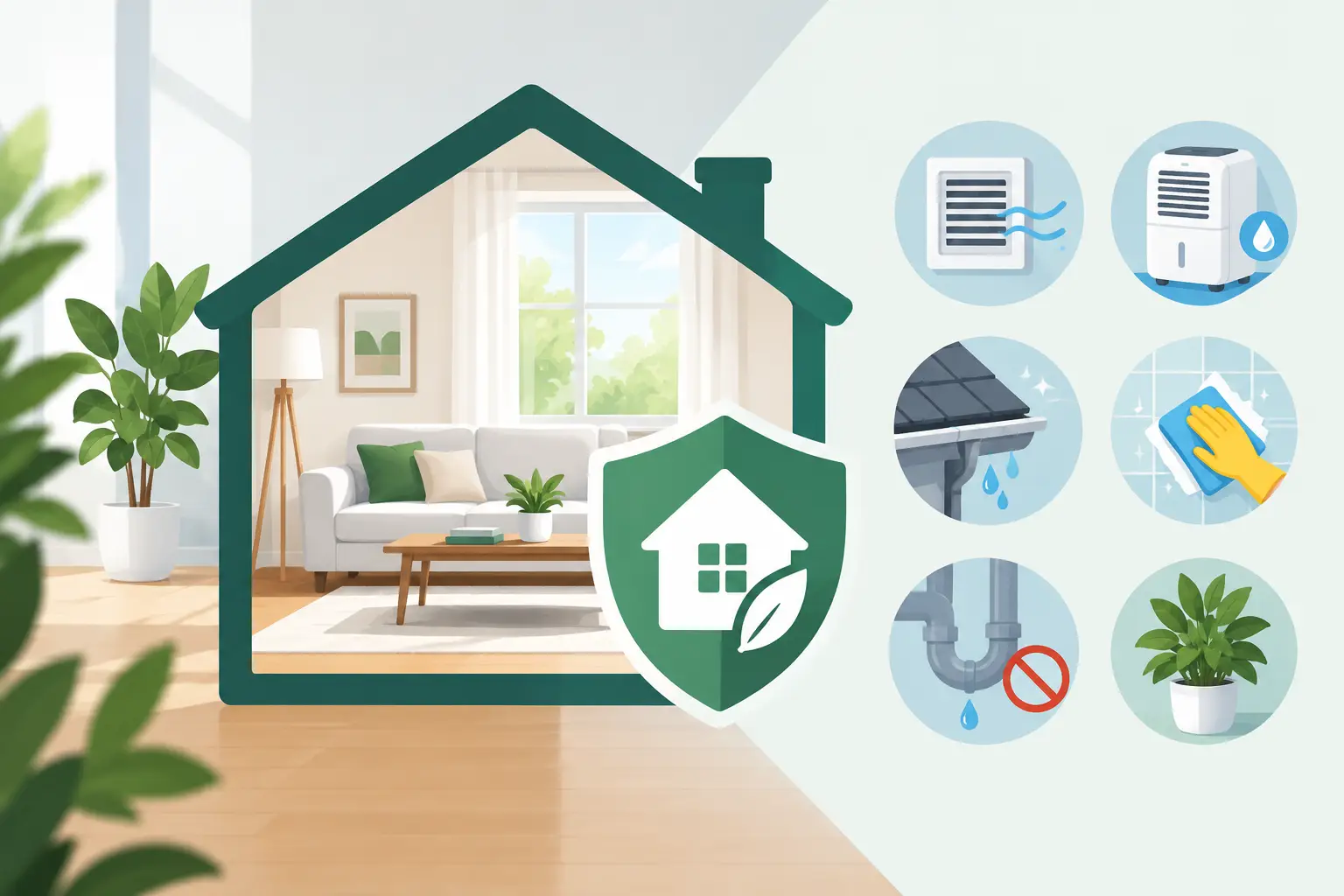
Neither method replaces a thorough visual and moisture inspection. In many cases, the most meaningful finding comes from locating the moisture source with moisture meters, thermal imaging, and professional building assessment. Mold needs moisture to grow. If the leak, condensation issue, roof failure, drainage problem, or humidity condition remains, testing alone will not prevent recurrence.
When Testing May Not Be Necessary
Laboratory testing is valuable when the source, extent, or nature of contamination is uncertain. It is not required in every mold situation.
When visible mold growth is clear and the affected area is substantial, the priority is usually to identify the moisture source, isolate the area, and remove contaminated materials safely. Waiting for a species name does not make active growth less urgent. All indoor mold growth caused by ongoing moisture deserves attention, particularly on porous materials such as drywall, insulation, carpeting, ceiling tiles, and particleboard.
Testing may add unnecessary cost if it is being used to delay an obvious remediation decision. A certified professional should explain what a sample can answer before collecting it. The right recommendation is based on the building condition, not on selling the most tests.
Choosing the Right Test for Common Property Concerns
A visible patch near a bathroom exhaust fan may call for swab testing if it is unclear whether the stain is mold. However, the inspection should also assess ventilation, humidity, and possible water intrusion above the ceiling.
A basement that smells damp but has no visible growth may benefit from air sampling, paired with a detailed search for concealed moisture. The cause could be foundation seepage, a hidden plumbing leak, poor drainage, or elevated humidity. Air results can support the investigation, but they should not be viewed separately from the building conditions.
After a major water loss, both methods may be appropriate in different areas. Swab or tape-lift samples can help identify suspicious surface growth, while air sampling can assess whether remediation activities and containment have controlled airborne spread. In commercial spaces, this combination can be especially useful where occupants, operations, and documentation requirements create added pressure to resolve the issue correctly.
For a post-remediation assessment, air sampling may be used alongside a visual inspection, moisture verification, and review of containment and cleaning. A clearance decision should never rely on an air test alone. The work area should be dry, visibly clean, free of dust and debris, and repaired in a way that addresses the original moisture problem.
Why Professional Collection and Interpretation Matter
Store-bought mold kits can produce alarming results without explaining whether there is an actual building problem. Mold can grow on a culture plate placed in almost any indoor environment because spores are naturally present. That does not identify the source, extent, or need for remediation.
Professional sampling follows a defined process. The technician documents locations and conditions, uses appropriate equipment, avoids cross-contamination, and considers outdoor conditions, humidity, HVAC operation, recent cleaning, and visible damage. Just as importantly, the results are interpreted in context.
For example, a laboratory may identify spores associated with water-damaged materials, but the response should focus on finding the moisture pathway and affected materials. Conversely, elevated outdoor spores can enter through open windows or ventilation without indicating an indoor mold reservoir. A report without professional interpretation can create confusion rather than clarity.
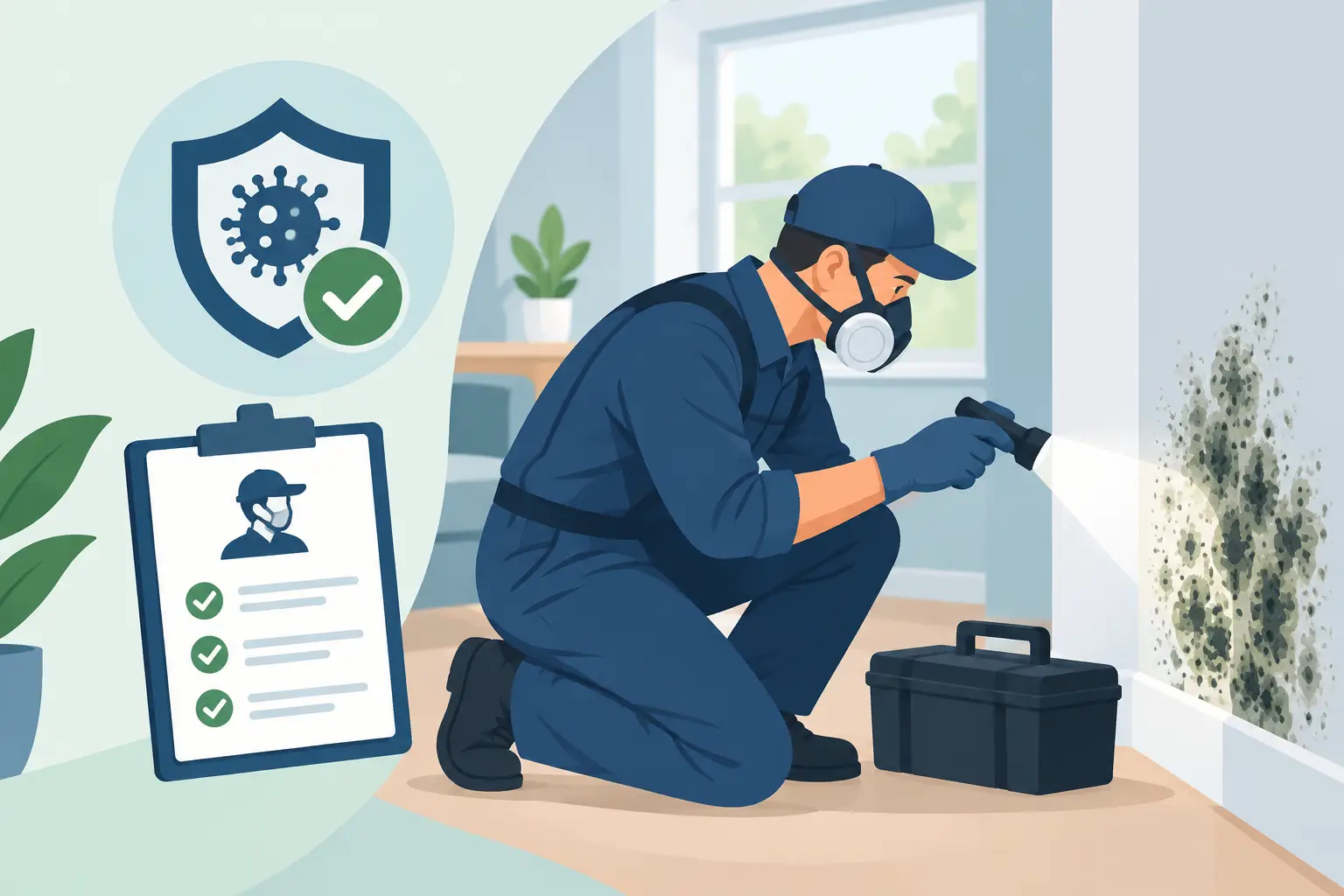
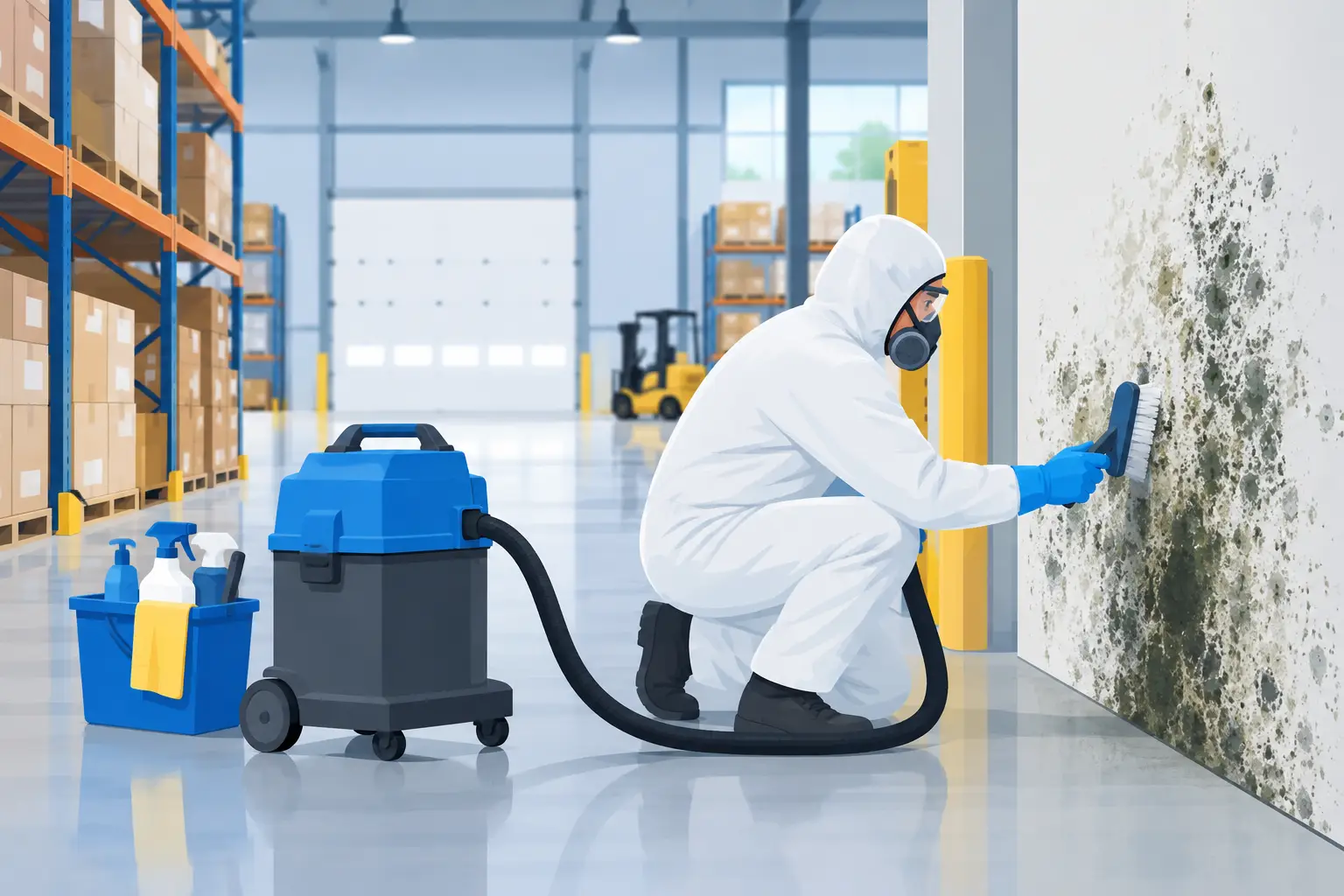
Certified remediation professionals use inspection tools such as moisture meters, thermal imaging, HEPA filtration, and negative air pressure systems when conditions require them. These measures help locate the problem, prevent spread during removal, and protect occupied areas.
What to Do After You Receive Results
If testing identifies a concern, the next step should be proportionate to the evidence. Small, isolated surface growth caused by condensation may require cleaning, moisture control, and ventilation improvements. Contamination involving water-damaged drywall, hidden cavities, recurring leaks, or multiple rooms may require containment and professional removal.
Do not paint over staining, apply fragrance products to cover odors, or rely on bleach as a universal answer. Porous materials can hold mold growth beneath the surface, and improper cleaning can spread spores or leave the moisture issue unresolved. In rental and commercial properties, prompt documentation and corrective action also help protect occupants and reduce the risk of a larger claim or dispute.
Mold Removal Remediation provides inspection-led testing and remediation for properties in Toronto and the GTA, with findings translated into a clear scope of work rather than vague recommendations. The most useful test is the one that helps you make the next safe decision. If moisture, odors, or suspicious growth are affecting your property, arrange an assessment before a manageable issue becomes a larger indoor air quality problem.