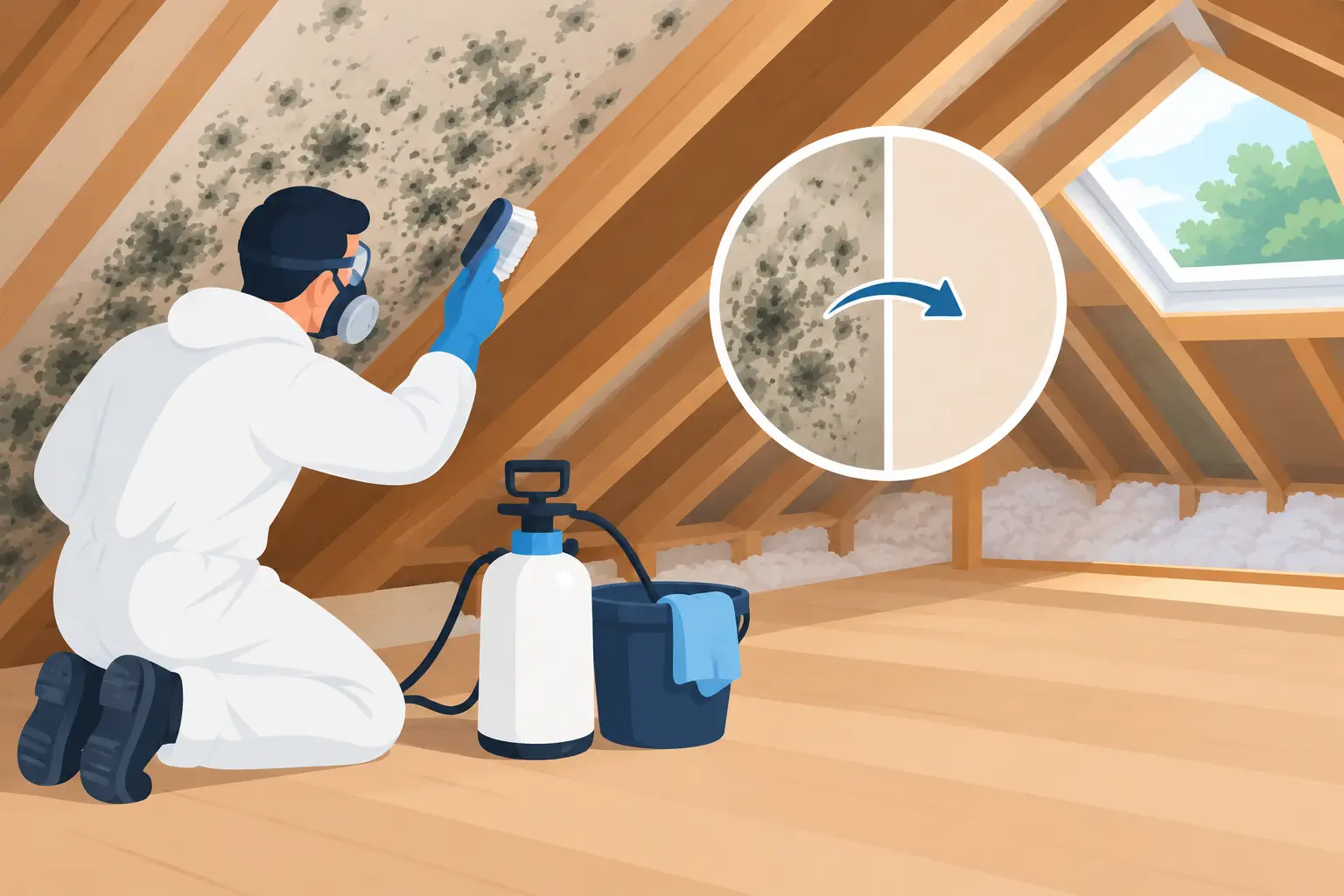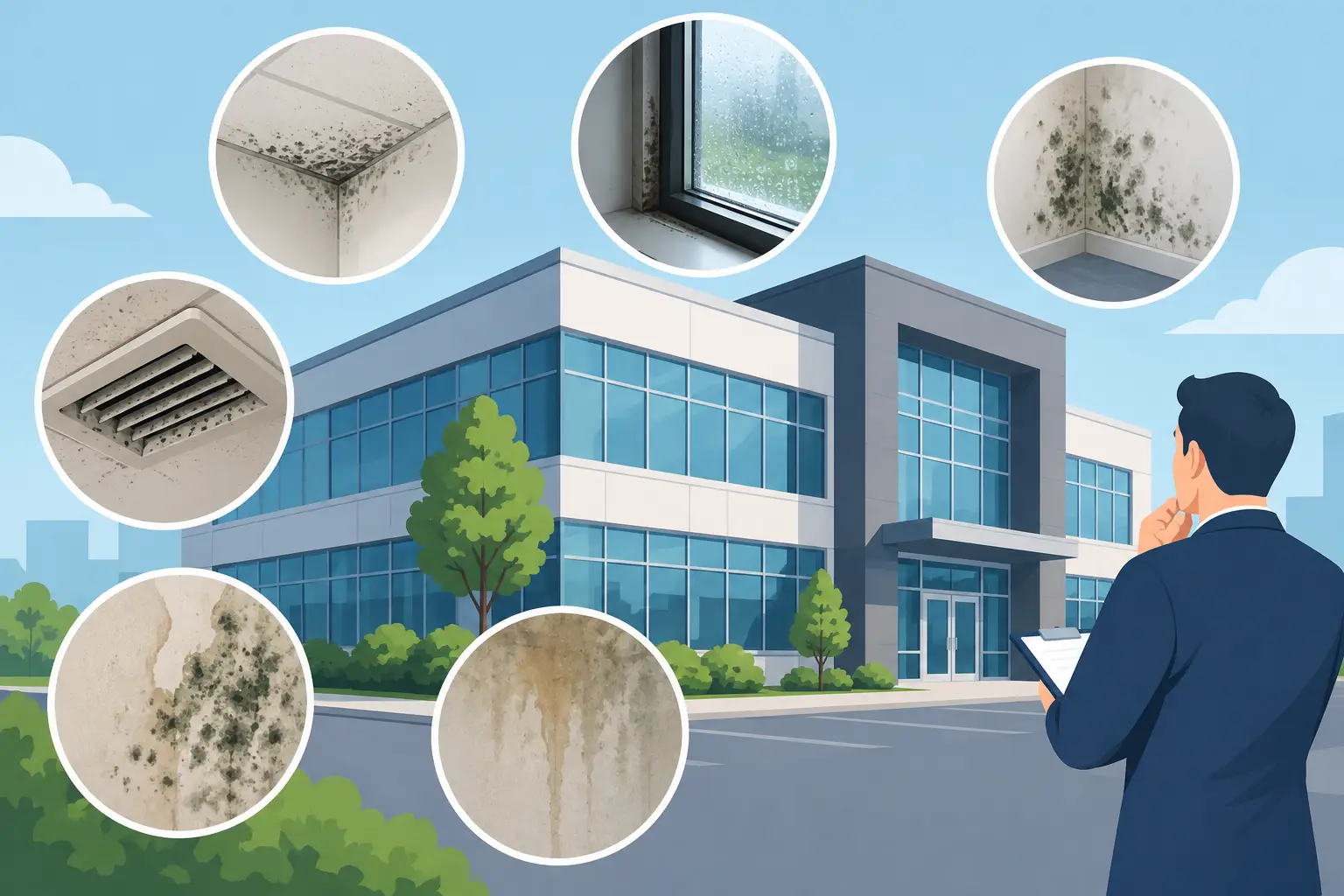


A mold problem can spread beyond the stain you see on drywall, carpet, or a basement wall. Once contaminated materials are disturbed, microscopic spores and dust can become airborne and travel into occupied rooms, HVAC pathways, and other clean areas. This guide to negative air containment explains the control method professional remediation teams use to keep that transfer from happening during mold removal.
For homeowners, landlords, property managers, and business owners, containment is more than plastic sheeting around a work area. It is a planned system that separates contaminated space, directs airflow safely, and supports a cleaner, more controlled remediation process. The right setup depends on the size of the affected area, the materials involved, building layout, moisture conditions, and whether vulnerable occupants are nearby.
What negative air containment does
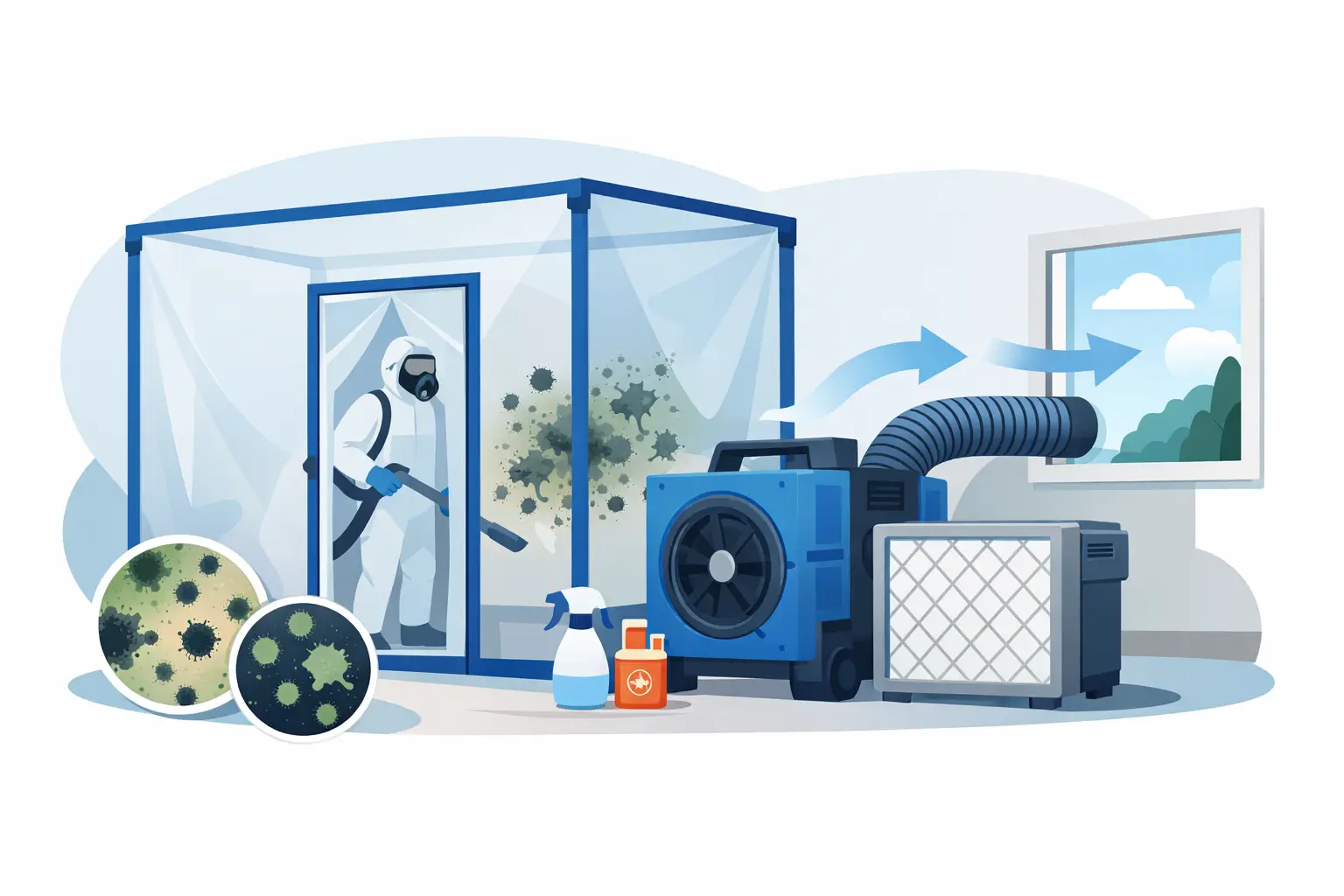
Negative air containment creates lower air pressure inside the remediation zone than in the surrounding clean space. A professional negative air machine pulls air from the contained work area through HEPA filtration. This pressure difference encourages air to move into the containment rather than allowing dusty, contaminated air to escape through gaps.
During mold removal, workers may need to remove damaged drywall, insulation, flooring, or other porous materials. These activities can release spores, fragments, and settled debris. A properly sealed enclosure and negative pressure system help keep those particles where they belong – within the controlled work zone until they can be cleaned and removed.
The goal is not to make an affected room sterile. The goal is to prevent cross-contamination while the source materials are addressed. Negative air is one part of a full remediation plan that also includes moisture correction, careful removal, HEPA vacuuming, detailed cleaning, and post-remediation verification when appropriate.
When negative air containment is needed for mold
Small, isolated surface growth may not always require a full containment chamber. For example, a minor area on a nonporous bathroom surface may be handled with limited controls if there is no evidence of hidden damage. But visible mold does not always reveal the true size of the problem.
Full containment is often appropriate when mold has affected a larger area, when demolition is necessary, or when contamination is located in a sensitive part of a building. Basements, crawl spaces, attics, apartments, schools, offices, healthcare settings, and occupied commercial spaces frequently need stronger controls because of shared air, traffic patterns, and the risk of spreading debris.
Containment is also particularly valuable after water damage. Wet drywall and insulation can support hidden mold growth behind finished surfaces. Opening a wall without controlling the workspace can distribute contaminated dust into rooms that were previously unaffected.
Extra precautions may be warranted where occupants have asthma, allergies, compromised immune systems, or ongoing respiratory symptoms. The same is true when tenants, employees, or customers must remain in other parts of the property while work is underway. In these situations, the work plan should prioritize clear separation, controlled access, and frequent pressure monitoring.
The main parts of a negative air containment system
A reliable containment system is built from several controls working together. Plastic alone is not enough, and a negative air machine cannot compensate for a poorly planned enclosure.
Critical barriers and sealed access
The affected area is typically separated with heavy-duty polyethylene sheeting. Seams, edges, penetrations, windows, doorways, and other openings are sealed to reduce air leakage. The barrier should extend in a way that prevents workers from tracking debris into clean areas.
For larger projects, technicians may create a designated entry point or a small decontamination area. This gives workers space to remove protective gear, bag waste, and HEPA-vacuum equipment before leaving the containment. It also keeps routine movement from compromising the barrier.
HEPA-filtered negative air machines
The negative air machine is the equipment that creates the pressure difference. It draws air from the contained area through a high-efficiency particulate air, or HEPA, filter designed to capture fine particles. The unit must be sized for the volume of the work area and the conditions of the project.
Air may be exhausted outdoors through properly installed ducting when site conditions and local requirements allow. In other situations, filtered air may be returned in a controlled manner. The safest method depends on the building, the contamination, the available discharge path, and whether there are concerns beyond mold, such as suspected asbestos-containing materials.
Pressure monitoring
A containment area should not be assumed to be under negative pressure simply because a machine is running. Professional teams check the pressure differential with appropriate monitoring equipment and inspect barriers throughout the job. A visual indicator, such as slight inward movement of the plastic, can suggest airflow direction, but it is not a substitute for measurement.
If pressure is lost, the cause must be identified. A door left open, a torn seam, undersized equipment, clogged filters, or an unexpected opening into another area can undermine the system. Correcting these issues quickly protects adjacent rooms and keeps the work plan on track.
How professionals set up containment before removal
Effective containment begins before a single mold-damaged material is removed. The first step is assessing the property to identify the source of moisture and the likely extent of contamination. Moisture meters and thermal imaging can help locate damp building materials that may not be visibly stained.
Next, the remediation team identifies clean zones, affected zones, access routes, and HVAC considerations. Supply and return vents near the work area may need to be protected or isolated so the HVAC system does not carry particles through the property. If a building has shared ventilation or multiple occupants, the plan may require additional scheduling and safety controls.
Once the work area is defined, the crew installs barriers, establishes an entry procedure, positions the negative air equipment, and verifies airflow before disturbing materials. Contaminated debris is then handled in a controlled way, often bagged or wrapped before it is moved through the property. This sequence matters. Cleaning after uncontrolled demolition is far more difficult than preventing the spread in the first place.
At Mold Removal Remediation, containment planning is paired with inspection and moisture investigation so the work addresses both airborne contamination risk and the condition that allowed mold to grow.
Negative air containment is not a substitute for fixing moisture
Negative pressure controls airborne particles during remediation. It does not stop a roof leak, foundation seepage, plumbing failure, condensation issue, or ventilation problem. If the underlying moisture source remains, mold can return even after a carefully contained cleanup.
That is why a complete remediation scope should explain what caused the damage and what must be corrected. In some cases, this involves repairing a plumbing leak or drying a wet area. In others, the issue may be poor bathroom exhaust, recurring basement humidity, window leaks, or water intrusion through the building envelope.
Drying standards also matter. Materials that appear dry at the surface can hold moisture deeper inside. Professional moisture testing helps determine whether materials can be dried and cleaned or whether removal is the safer option.
Common containment mistakes that create bigger problems
The most common mistake is treating visible mold as a cleaning project rather than a contamination and moisture problem. Spraying, scrubbing, sanding, or tearing out materials without isolation can spread spores and dust into nearby rooms.
Another mistake is using consumer air purifiers as though they create negative pressure. A portable purifier may improve general air filtration in a room, but it does not automatically establish a sealed containment zone, controlled airflow direction, or a monitored pressure differential.
Rushing access procedures can also defeat an otherwise strong setup. Every time workers enter or leave, there is an opportunity to transfer debris. Clean-to-dirty work practices, protective equipment, decontamination steps, and controlled waste removal are necessary parts of the system.
Finally, do not ignore materials that may contain asbestos. Older flooring, ceiling textures, insulation, pipe coverings, and other building products should be assessed before demolition when asbestos is a possibility. Mold remediation and asbestos work involve different hazards and may require different testing, licensing, containment, and disposal procedures.
What happens after containment comes down
Containment should remain in place until removal and detailed cleaning are complete. The work area is usually HEPA-vacuumed and damp-wiped as appropriate, with special attention to horizontal surfaces, framing, ledges, and equipment. The remediation team then checks that remaining materials are clean and dry before barriers are removed.
For substantial projects, independent post-remediation verification or air quality testing can provide added confidence that the area meets the project objective. Testing is most useful when it is paired with a visual inspection and an understanding of what was remediated. Results should be interpreted in context, not treated as a standalone pass-or-fail shortcut.
If you see mold after water damage, smell persistent musty odors, or need to open walls in a potentially contaminated area, the safest next move is a professional assessment before demolition begins. Proper containment protects the rest of the property while the real cause of the problem is corrected.