


A basement renovation can become a health and safety issue before the first wall comes down. Old pipe insulation, vinyl flooring, ceiling texture, duct wrap, or drywall compound may contain asbestos fibers that cannot be identified by sight alone. Toronto asbestos testing gives property owners a clear answer before materials are disturbed, protecting occupants, workers, and the project itself.
Asbestos is not automatically dangerous simply because it is present. The risk increases when asbestos-containing material is cut, drilled, sanded, broken, deteriorated, or removed without proper containment. Once fibers become airborne, they can be inhaled and remain in the lungs. That is why testing should happen before renovation, demolition, major repairs, or cleanup following water damage.
Why Asbestos Testing Matters in Toronto Properties
Toronto has a wide range of older homes, apartment buildings, commercial spaces, and institutional properties. Many were built or renovated during periods when asbestos-containing materials were commonly used for heat resistance, fire protection, insulation, and durability. A property does not need to look especially old to have a concern. Renovations completed decades ago can leave asbestos-containing layers behind newer finishes.
The challenge is that asbestos often resembles ordinary building material. A textured ceiling may look like painted plaster. Floor tile may look like standard vinyl. Insulation around a heating pipe may appear to be harmless wrapping. Visual inspection can identify suspect materials, but only laboratory analysis of a properly collected sample can confirm whether asbestos is present.
For homeowners, testing helps avoid exposing family members during a remodeling project. For landlords and property managers, it supports safer maintenance decisions and helps address tenant concerns responsibly. For business owners, it can reduce the risk of exposing staff, customers, and contractors during repairs or tenant improvements.
When to Schedule Toronto Asbestos Testing
The right time to test is before a material is disturbed, not after dust has spread through the space. If you are planning to open walls, replace flooring, remove a ceiling, update plumbing, repair ductwork, or demolish a section of a building, testing suspect materials should be part of the planning stage.
Testing is also appropriate when materials are visibly damaged. Crumbling insulation, broken floor tile, deteriorating ceiling texture, or debris left after an unprofessional renovation should be assessed promptly. Water damage can make the situation more urgent because it may weaken previously stable materials and create conditions where mold and asbestos concerns overlap.
Common materials that may warrant professional sampling include:
- Pipe, boiler, and duct insulation
- Textured ceiling finishes and acoustic coatings
- Vinyl floor tile, sheet flooring, backing, and adhesives
- Drywall joint compound, plaster, cement board, and siding
- Fireproofing, vermiculite insulation, and older roofing materials
Not every item in an older property contains asbestos. That is precisely why testing matters. Assumptions can cause unnecessary project delays, while skipping testing can put people at risk and create a far more expensive cleanup problem.
Renovations Are the Most Common Trigger
A contractor may be ready to begin work, but a quick look at a ceiling or wall is not a clearance to proceed. Drilling into a suspect material can release fibers even when the work area is small. Kitchen and bathroom renovations are frequent concerns because they often involve removing several layers of flooring, wallboard, tile, insulation, and old pipe coverings.
Small projects deserve the same caution as large ones. Replacing a few damaged tiles, installing recessed lighting, or repairing a section of drywall can disturb materials hidden beneath finished surfaces. The scope of work determines which materials should be sampled and how many samples are needed.
Property Purchases and Tenant Complaints
Asbestos testing can also be useful during due diligence for older properties, particularly where planned renovations are part of the purchase strategy. A clear assessment helps buyers budget accurately and avoid discovering a hazardous material issue after closing.
For rental and commercial properties, unexplained debris, damaged insulation, aging mechanical rooms, or tenant complaints should not be dismissed. A professional inspection can distinguish between a material that can remain safely managed in place and one that needs removal or repair.
What a Professional Asbestos Inspection Involves
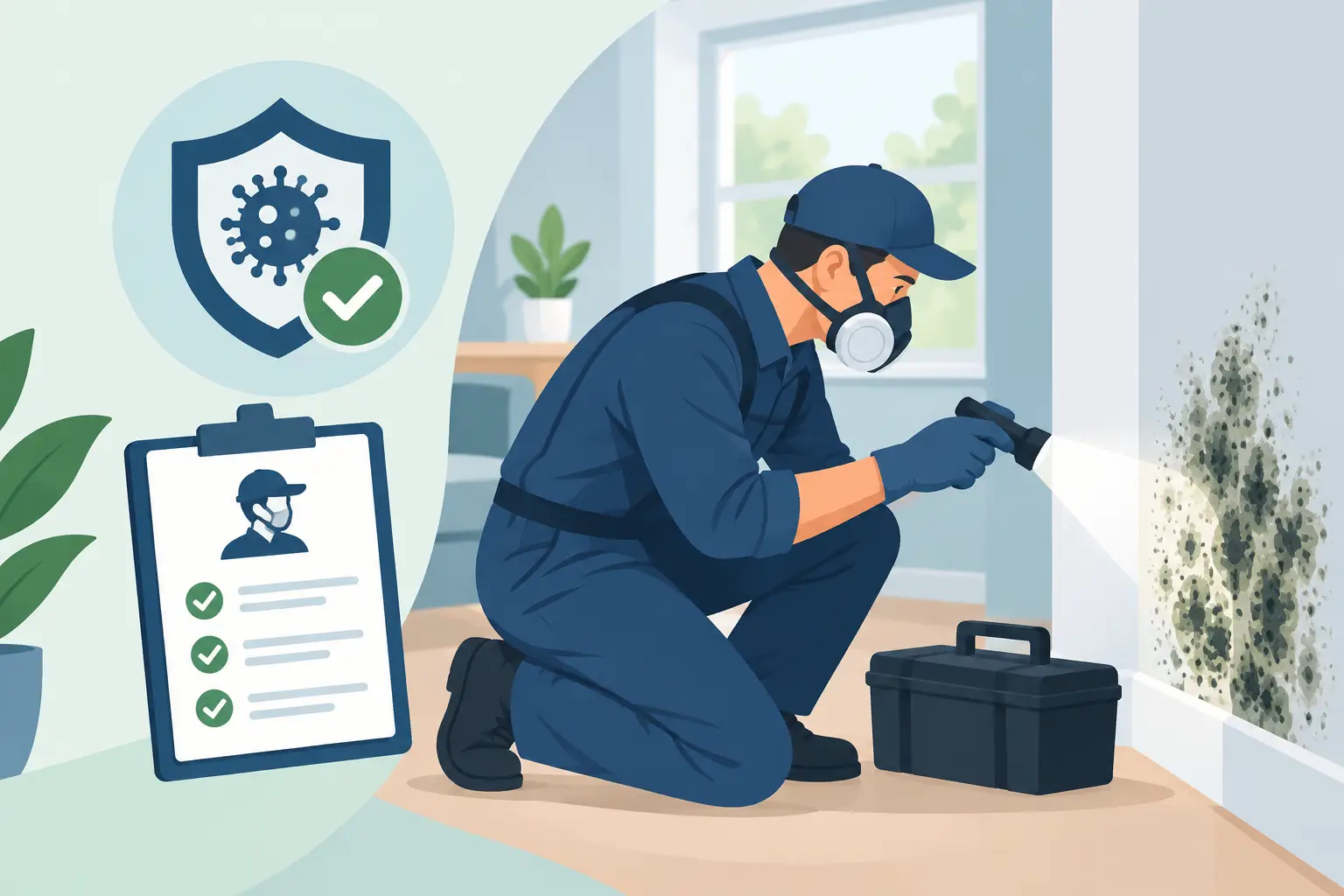
A proper inspection begins with the building, its age, its renovation history, and the work planned for the area. The inspector identifies accessible suspect materials and considers concealed materials that may be affected by the project. This is more useful than collecting a random sample from one visible location.
Samples must be collected carefully to limit disturbance. The sampling area is controlled, the material is handled using appropriate safety procedures, and samples are sent to a qualified laboratory for analysis. The results identify whether asbestos is present and, when applicable, the type and concentration reported by the lab.
A professional report should explain what was sampled, where it was found, and what the results mean for your next step. If asbestos is confirmed, the answer is not always full removal. In some cases, intact material in good condition can be managed safely if it will not be disturbed. If the material is damaged or renovation work will affect it, controlled abatement is usually the safer path.
Testing, Removal, and Air Clearance Are Different Services
These services are related, but they should not be confused. Testing determines whether a material contains asbestos. Removal, also called abatement, is the controlled process of removing or managing confirmed asbestos-containing material. Air testing or clearance testing may be used after abatement to help verify that containment removal and cleaning were completed appropriately.
The right approach depends on the location, condition, and type of material, as well as the planned work. A small area of intact flooring under a new floor may be handled differently from damaged pipe insulation in an occupied basement. An experienced environmental remediation team can explain the options without treating every finding as the same emergency.
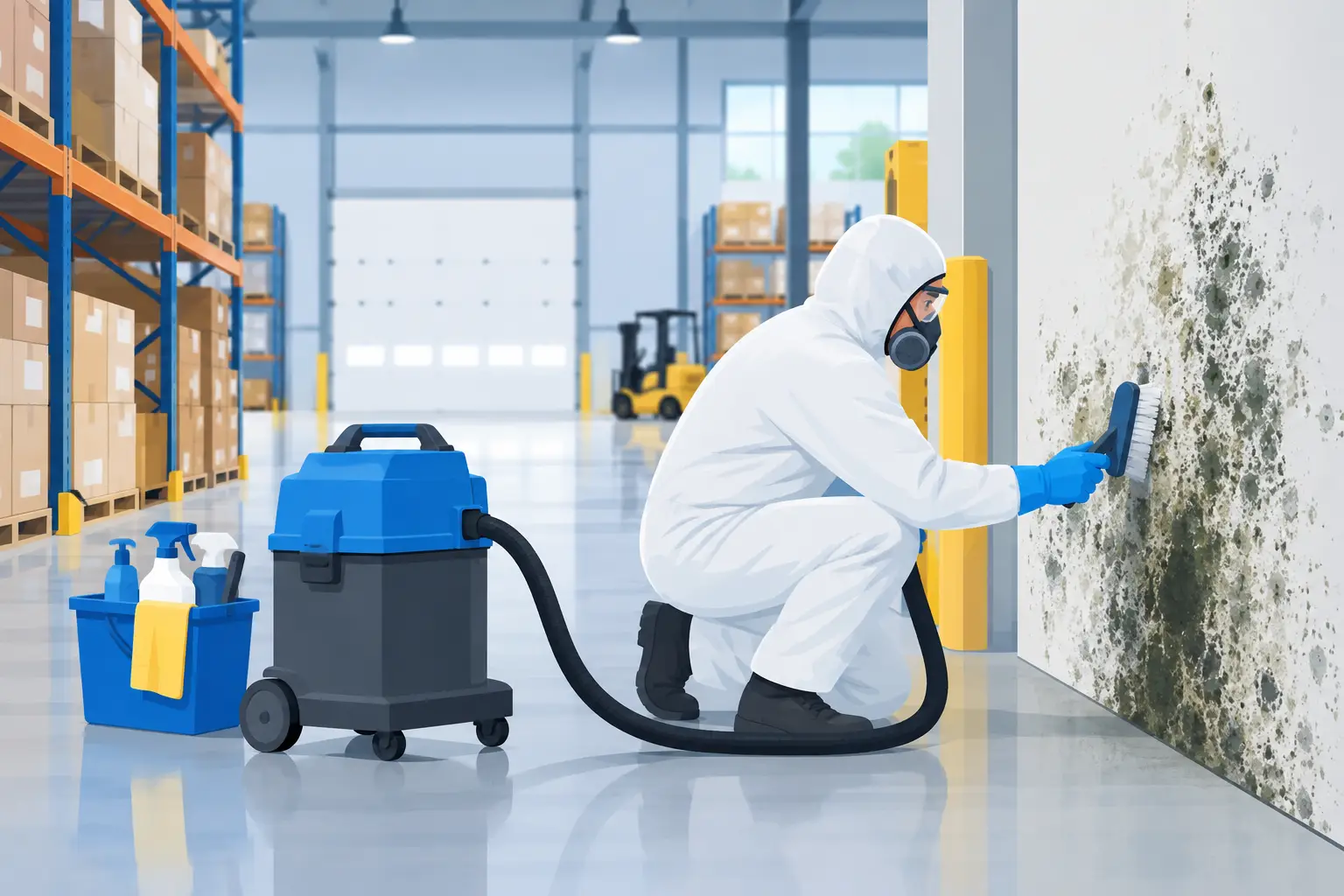
When removal is necessary, containment is critical. Qualified crews use measures such as sealed work areas, negative air pressure, HEPA filtration, controlled waste handling, and detailed cleaning procedures. These steps are designed to prevent fibers from traveling into occupied rooms or HVAC systems.
Do Not Collect Samples Yourself
Online instructions may make asbestos sampling sound simple, but do-it-yourself collection has real drawbacks. Breaking or scraping material can release fibers, and an untrained person may sample the wrong layer or contaminate the surrounding area. There is also the practical issue of what to do if a result comes back positive after the material has already been disturbed.
Avoid sweeping, vacuuming with a standard household vacuum, drilling, sanding, or pulling apart suspect materials. If you have already disturbed something and see debris or dust, limit access to the area. Turn off fans that could move dust through the property, and arrange a professional assessment before attempting cleanup.
Choosing a Qualified Toronto Testing Provider
The lowest price is not always the lowest-risk choice. Testing should be connected to a thoughtful inspection process, reliable laboratory analysis, and clear guidance on what happens after results arrive. A provider should be able to explain sample locations, turnaround expectations, and whether the proposed renovation requires additional investigation.
Look for a company with relevant environmental and restoration credentials, strong containment knowledge, and experience working in occupied residential and commercial properties. Certification matters because asbestos decisions affect health, project schedules, liability, and property value. Clear communication matters just as much when you are trying to make a fast decision.
Mold Removal Remediation provides professional asbestos testing support for Toronto and GTA property owners facing renovation, damage, indoor air quality, and contamination concerns. The goal is straightforward: identify the material accurately, explain the risk clearly, and recommend a safe next step based on the actual condition of your property.
If a wall, ceiling, floor, or mechanical system is about to be disturbed, pause before the work begins. A timely test can turn an uncertain renovation into a controlled, safer project and help protect everyone who uses the space.