

A basement can smell musty even after the visible mold has been wiped away. That is where many property owners ask: can air purifiers remove spores? A quality air purifier can reduce airborne mold spores, but it cannot remove active mold growth, repair a leak, or make a damp building safe on its own.
For homes, rental properties, offices, and commercial spaces, that distinction matters. Mold spores are small, mobile, and constantly present at low levels indoors and outdoors. The real concern begins when water damage, high humidity, or hidden moisture allows mold to grow and release elevated numbers of spores into the air. An air purifier may be a useful part of a clean indoor air plan, but it is not a substitute for finding and correcting the source.
Can Air Purifiers Remove Spores From Indoor Air?
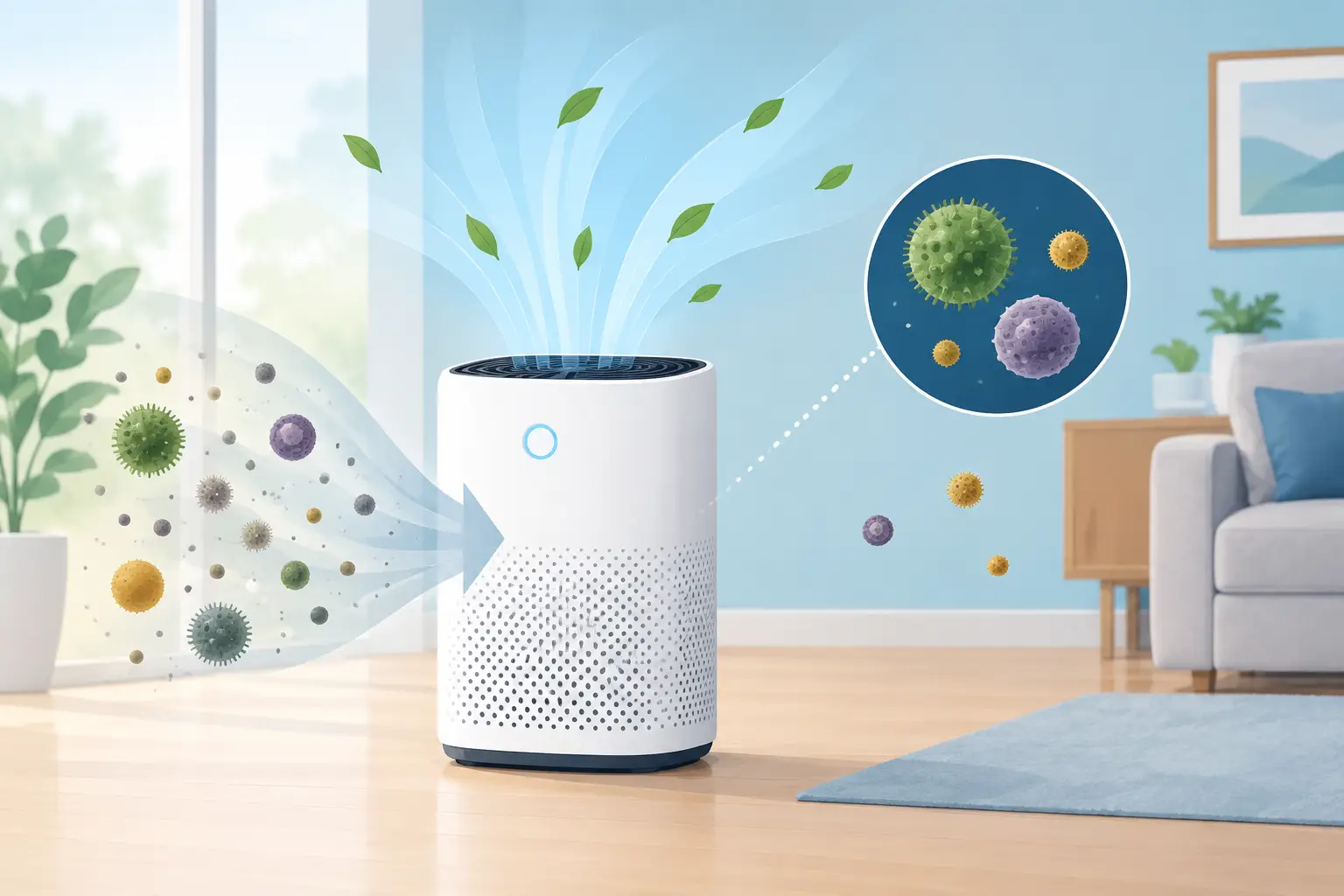
Yes, air purifiers equipped with a properly fitted true HEPA filter can capture many airborne mold spores as air passes through the unit. HEPA filtration is designed to trap at least 99.97% of particles measuring 0.3 microns, a challenging particle size used to test filter performance. Many common mold spores are larger than that, although their size and behavior vary by species.
The key phrase is “as air passes through the unit.” A portable purifier only cleans the air that reaches its intake. It does not pull spores out of every corner of a room instantly, and it cannot capture spores attached to walls, carpets, furniture, stored belongings, or dust. It also cannot stop spores from being released when active mold remains behind drywall, under flooring, inside an HVAC component, or beneath a sink cabinet.
A purifier can reduce airborne particle levels in a defined space. It cannot solve the conditions that created mold growth in the first place.
What an Air Purifier Can and Cannot Do
A correctly sized HEPA air purifier can be helpful after a minor moisture event has been fully corrected, during seasonal allergy periods, or as added support in a clean, dry room. It may reduce airborne dust, pollen, pet dander, and some mold spores. Models with activated carbon can also help reduce certain odors, though carbon filtration does not remove mold colonies or eliminate moisture.
Its limits are just as important. An air purifier cannot kill mold growing on a wet surface. It cannot dry saturated insulation, remove contaminated porous materials, clean hidden cavities, or confirm that a mold problem has been resolved. If the unit is too small for the room, the filter is overdue for replacement, or the air movement is blocked by furniture, performance drops further.
Be cautious with products marketed as ozone generators or devices that intentionally produce ozone. Ozone can irritate the lungs and may damage materials at higher concentrations. It should not be used as a replacement for professional mold removal or source control. Ionizing devices also deserve careful consideration because their effectiveness and byproducts can vary.
Why Moisture Control Comes Before Filtration
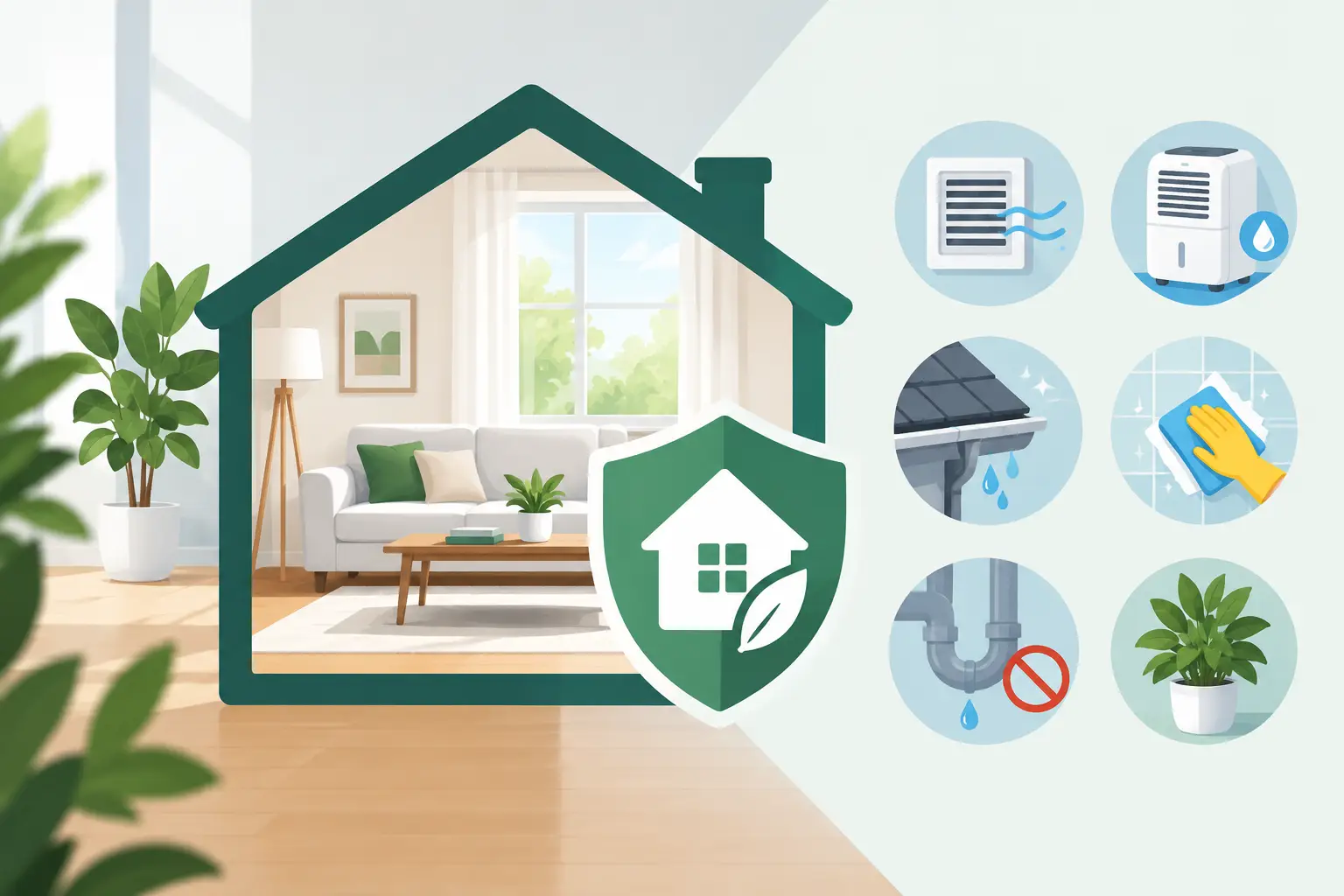
Mold needs moisture to grow. That means every lasting solution starts with a moisture investigation, not a filter purchase. Common sources include plumbing leaks, roof leaks, foundation seepage, poor drainage, condensation on cold surfaces, humid bathrooms, flooded basements, and HVAC issues.
If a bathroom fan is weak and moisture lingers after every shower, a purifier may catch some particles but the room will remain vulnerable to growth. If a pipe is leaking behind a wall, running a purifier in the hallway does nothing to dry the cavity. If a commercial property has a recurring roof leak, the affected ceiling materials may continue to deteriorate even when the air smells better.
For most buildings, maintaining indoor relative humidity around 30% to 50% is a practical target. A dehumidifier can help in damp basements or other humidity-prone areas, but it must be emptied or drained properly and cleaned regularly. More importantly, dehumidification should support a repair plan when there is an active water intrusion issue.
Choosing a Purifier for Mold Spore Support
If you are using an air purifier as part of a broader indoor air quality plan, select one with a true HEPA filter and a clean air delivery rate appropriate for the room. Do not rely on vague terms such as “HEPA-type” or “HEPA-style,” which may not provide the same filtration performance.
Check the manufacturer’s recommended room size, but avoid choosing a unit that only barely matches the square footage. Ceiling height, open floor plans, occupant activity, and the severity of the air quality concern all affect results. A unit rated for a larger space can often provide more frequent air changes in a smaller room.
Placement also matters. Keep the purifier on a stable, unobstructed surface with clear space around the intake and exhaust. Avoid placing it directly against a wall, behind a couch, or in a closed corner. Keep doors and windows closed when you are trying to clean air within a single room, unless ventilation is needed to manage a separate moisture or pollutant issue.
Replace filters on schedule and sooner if they are visibly loaded with dust or the unit has operated during a contamination event. Always follow the manufacturer’s instructions when handling used filters. For a property with confirmed mold contamination, filter changes may require additional precautions to avoid disturbing collected debris.
When a Purifier Is Not Enough
Visible mold, recurring musty odors, water stains, peeling paint, warped materials, and unexplained dampness are signs that call for inspection rather than more air freshening. The same is true when residents or employees experience persistent irritation, coughing, allergy-like symptoms, or complaints that improve when they leave the building. These symptoms can have many causes, so they should not be used to diagnose mold on their own. They do, however, justify taking indoor air concerns seriously.
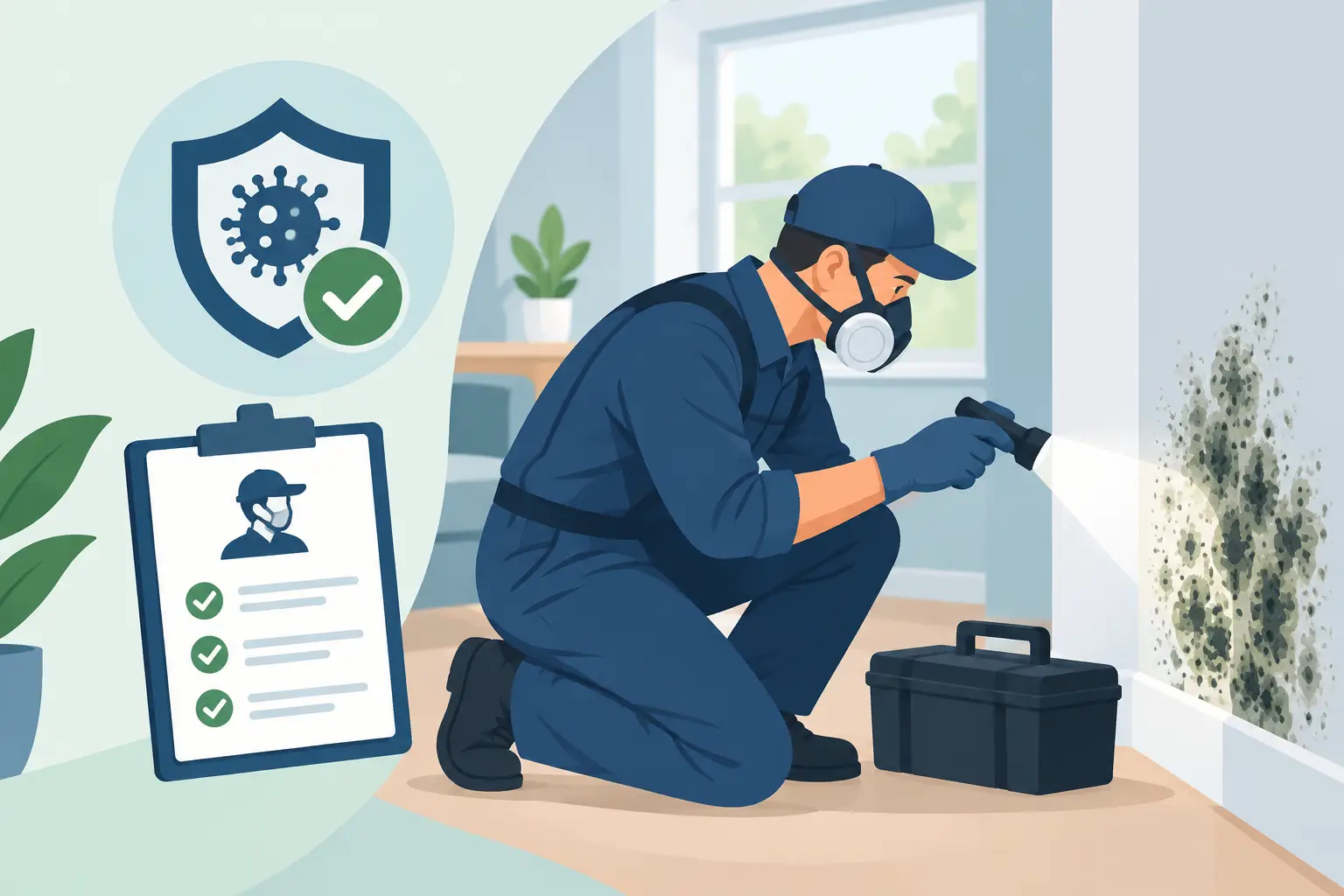
Professional assessment is especially important when contamination may be hidden, when water damage affects more than a small isolated area, or when mold is found in an HVAC system, crawl space, attic, wall cavity, or occupied commercial area. A proper evaluation looks beyond the visible surface. Moisture meters and thermal imaging can help identify damp materials, while targeted air or surface testing may be appropriate in certain situations.
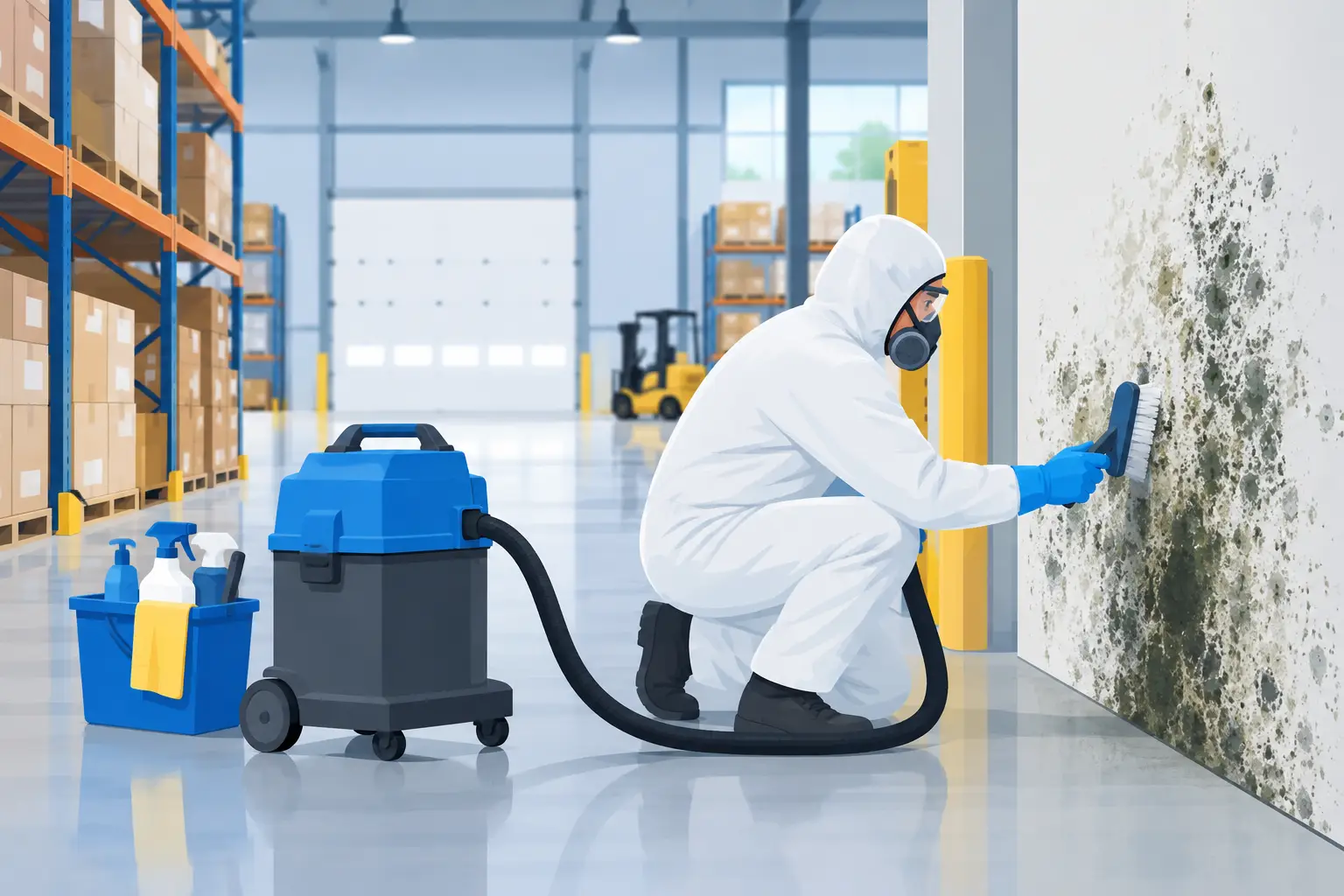
Effective remediation follows a controlled process: identify the moisture source, contain the affected area, remove or clean contaminated materials using suitable methods, dry the structure, and verify that conditions have been corrected. HEPA air filtration and negative air pressure systems are often used during professional work to control airborne particles. That is very different from placing a consumer purifier next to an active mold colony.
A Practical Response After Finding Mold
If you find a small spot of surface mold on a nonporous material and the moisture source is obvious and fully corrected, careful cleaning may be reasonable. Wear appropriate protective equipment, avoid dry brushing, and do not disturb materials that are soft, crumbling, or extensively damaged. Porous materials such as drywall, ceiling tile, carpet padding, and insulation often cannot be reliably cleaned once mold growth is established.
Do not paint over mold, spray fragrance to mask odors, or assume the problem is gone because a purifier makes the room smell fresher. Those actions can delay the repairs needed to protect the building and its occupants.
For landlords and property managers, documenting the moisture issue, repair steps, and any remediation work is also wise. It supports a clear response to tenant concerns and helps prevent a small maintenance issue from becoming a larger property loss.
Frequently Asked Questions
Will a HEPA purifier kill mold spores?
No. A HEPA purifier captures particles that pass through its filter. It does not kill mold growing on building materials or prevent new growth if moisture remains present.
Can I run an air purifier during mold remediation?
Only if it does not interfere with the containment plan. Professional remediation teams often use specialized HEPA filtration devices and negative air equipment sized for the work area. A household unit may be useful elsewhere in the building, but it should not replace professional controls.
How long should I run an air purifier after mold removal?
That depends on the size of the space, the purifier’s capacity, the extent of contamination, and whether remediation has been completed correctly. If moisture and contaminated materials have been addressed, ongoing use can support general air quality. It should not be used as proof that remediation was successful.
An air purifier can be a sensible extra layer of protection, especially in a dry, well-maintained space. But when mold is active or moisture keeps returning, the safest next step is to identify the source and correct it thoroughly before the problem spreads further.