

A few dark spots on attic sheathing can be easy to dismiss, especially when the attic is rarely used. But attic mold is usually evidence of an ongoing moisture problem, not a surface-cleaning issue. Knowing how to remove attic mold starts with finding out why the attic became damp in the first place. If the moisture source remains, mold can return quickly, damage wood framing, and affect the air moving through your home.
For homeowners, landlords, and property managers, the priority is to protect occupants and the building at the same time. A safe response means assessing the scope, controlling contamination, removing affected material when necessary, and correcting the ventilation, insulation, or roof issue that caused the growth.
Why attic mold needs more than a quick cleaning
Mold needs moisture, a food source, and time. In an attic, wood sheathing, rafters, and stored cardboard provide plenty of material for growth. The moisture often comes from warm indoor air escaping into a cold attic, where it condenses on roof decking during colder weather. Roof leaks, bathroom fan ducts that terminate in the attic, blocked soffit vents, and insufficient insulation can create the same conditions.
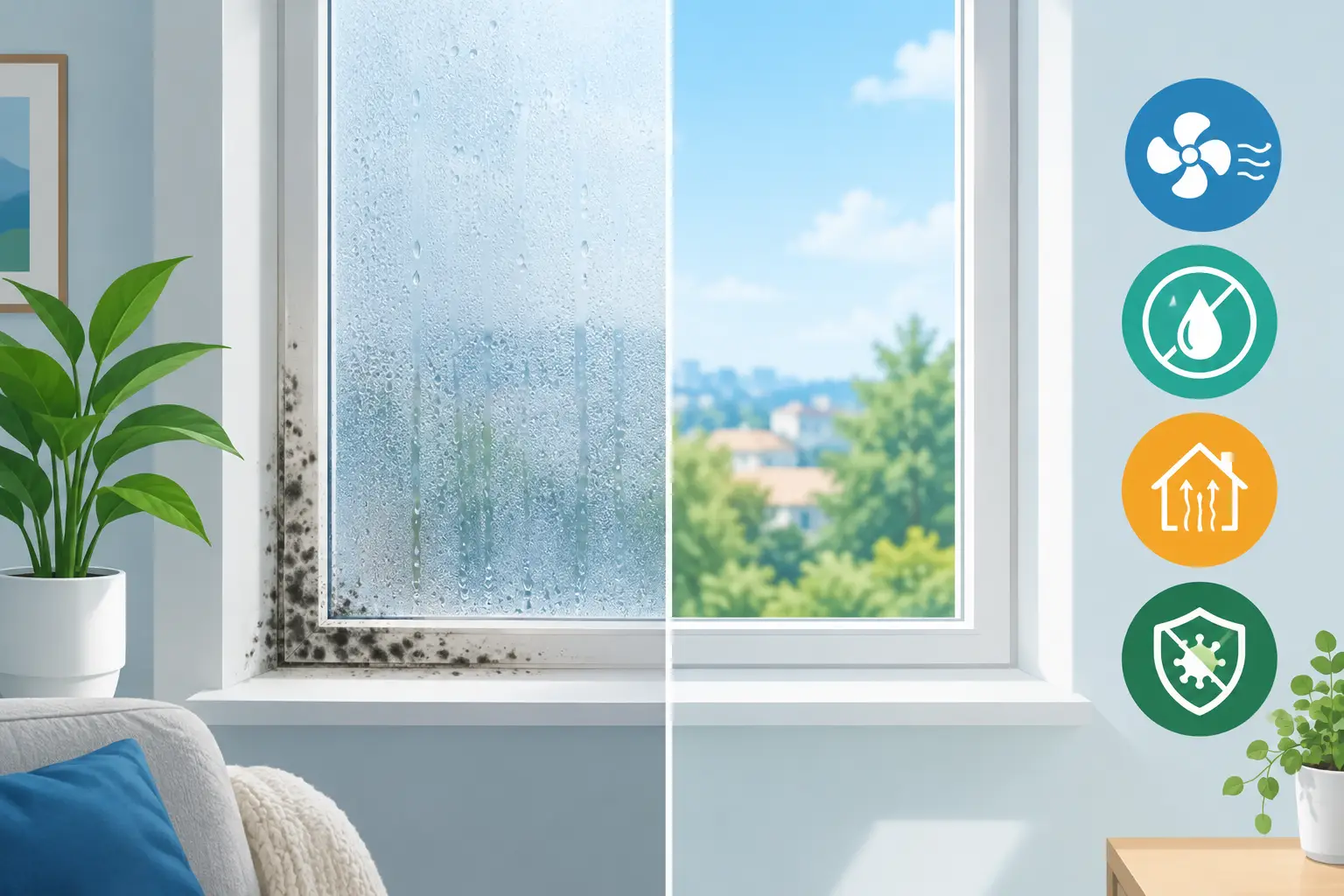
Visible mold may be limited to a small section of wood, but the affected area is not always the full story. Mold can be concealed behind insulation, around roof penetrations, or on the back side of sheathing. A musty smell, dark staining, frost on roof decking in winter, peeling paint near ceiling fixtures, or recurring condensation on upper-floor windows can all point to an attic moisture problem.
Simply spraying bleach or a household disinfectant on the stain is rarely a complete solution. Bleach is not designed to penetrate porous wood effectively, and excess liquid can add moisture to the area. More importantly, cleaning without source control leaves the conditions for regrowth unchanged.
How to remove attic mold: assess the scope first
Before entering the attic, consider the age and condition of the property. Older attic insulation may contain vermiculite, which can be associated with asbestos contamination. Disturbing suspect insulation without proper testing can create a separate health risk. If insulation is loose, dusty, or unknown in origin, avoid moving it until it has been evaluated by qualified professionals.
A careful inspection should identify where mold is present, whether the wood is structurally sound, and what moisture pathway is feeding the problem. Professional assessments often use moisture meters and thermal imaging to locate damp materials and air leaks that are not visible to the eye. In some cases, indoor air quality testing can help establish whether airborne mold particles are affecting occupied areas.
The size of the contaminated area matters. A very small, isolated patch on a non-porous or easily cleaned surface may be manageable with appropriate precautions. Attic mold, however, frequently involves porous wood and hidden moisture. Professional remediation is the safer choice when growth is widespread, insulation is contaminated, occupants have respiratory sensitivities, there has been significant water damage, or the cause cannot be clearly identified.
Protect people and prevent cross-contamination
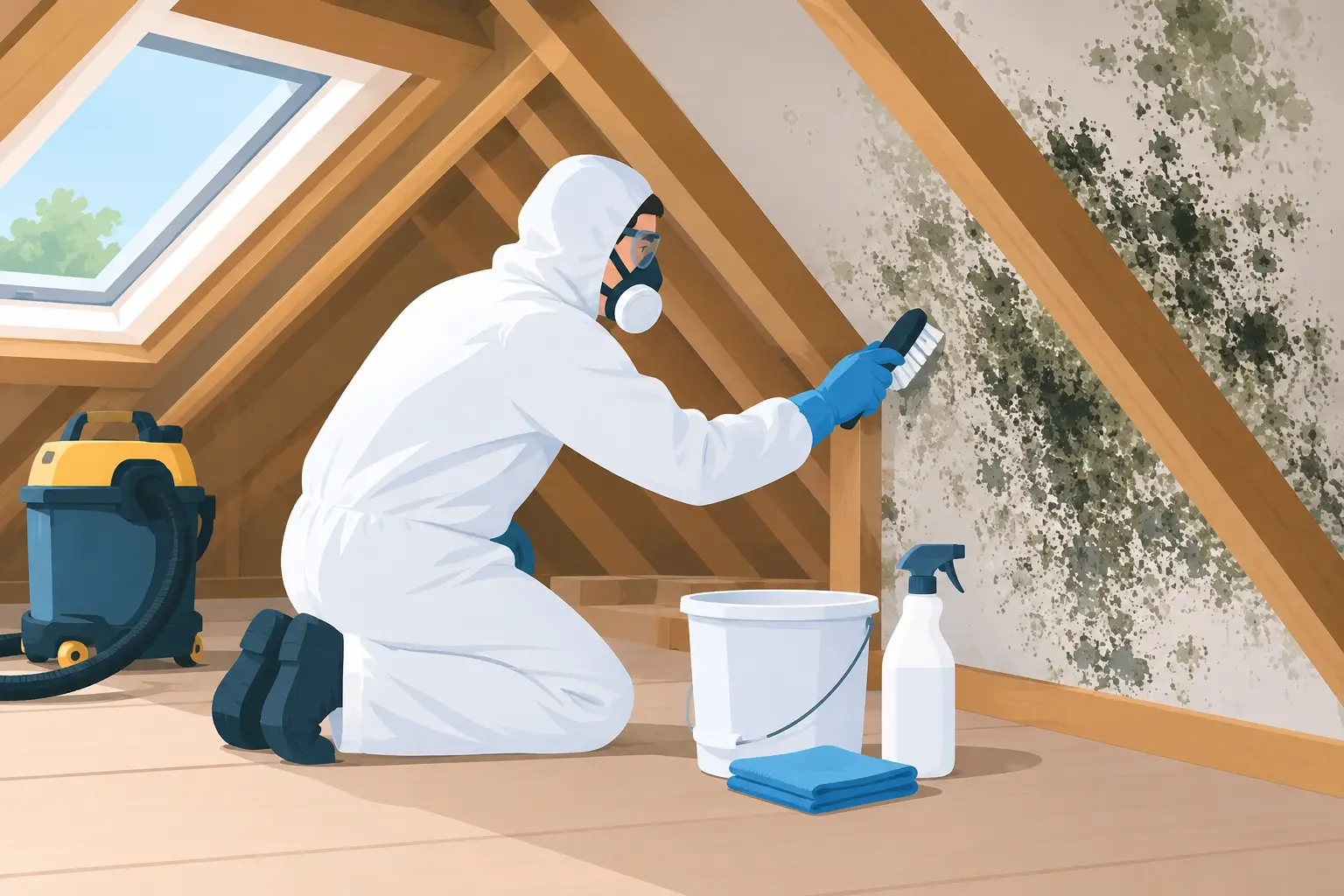
Attics are confined, dusty spaces with limited footing and ventilation. Do not enter without stable access, adequate lighting, and personal protective equipment. At a minimum, anyone handling suspected mold should wear gloves, eye protection, and a properly fitted respirator rated for fine particles. Ordinary dust masks do not provide reliable protection.
The bigger concern is spreading mold particles into living spaces. Opening an attic hatch, dragging contaminated insulation through a hallway, or running a household fan can move particles beyond the work area. Professional teams use containment barriers, HEPA-filtered air scrubbers, and negative air pressure systems to keep contamination controlled while removal is underway.
If you are dealing with an active roof leak, first stop the water intrusion if it can be done safely. Place protection below the leak in the living area as needed, but avoid starting mold cleanup while materials are still getting wet. The repair and drying plan must come first.
Correct the moisture source before remediation
An attic should remain dry in every season. That requires a balanced system: air sealing to keep warm, humid interior air out of the attic; insulation to reduce heat loss; and roof ventilation designed to move moisture out without causing wind-driven rain or snow intrusion.
Bathroom and kitchen exhaust ducts deserve close attention. These ducts should discharge outdoors, not into the attic, soffit, or roof cavity. A disconnected or poorly insulated duct can release warm humid air directly onto cold sheathing. In winter, this can create heavy condensation and even frost that later melts into insulation.
Roof leaks can be less obvious. Damaged shingles, failing flashing, roof vents, chimneys, skylights, and ice dams may allow water into isolated areas. A roofing repair may be needed before mold remediation begins. Where the issue is condensation rather than a leak, the solution may involve sealing gaps around light fixtures and plumbing penetrations, improving insulation coverage, and restoring clear soffit and ridge vent pathways.
There is no single ventilation fix for every home. Adding more vents without addressing air leaks can fail to solve the problem. Likewise, sealing an attic too tightly without a proper ventilation plan can trap moisture. An inspection should determine what is happening in that specific attic.
Safe attic mold removal methods
Once the moisture source is corrected and the work area is contained, remediation can begin. The right method depends on the material, the amount of damage, and whether the mold has penetrated the surface.
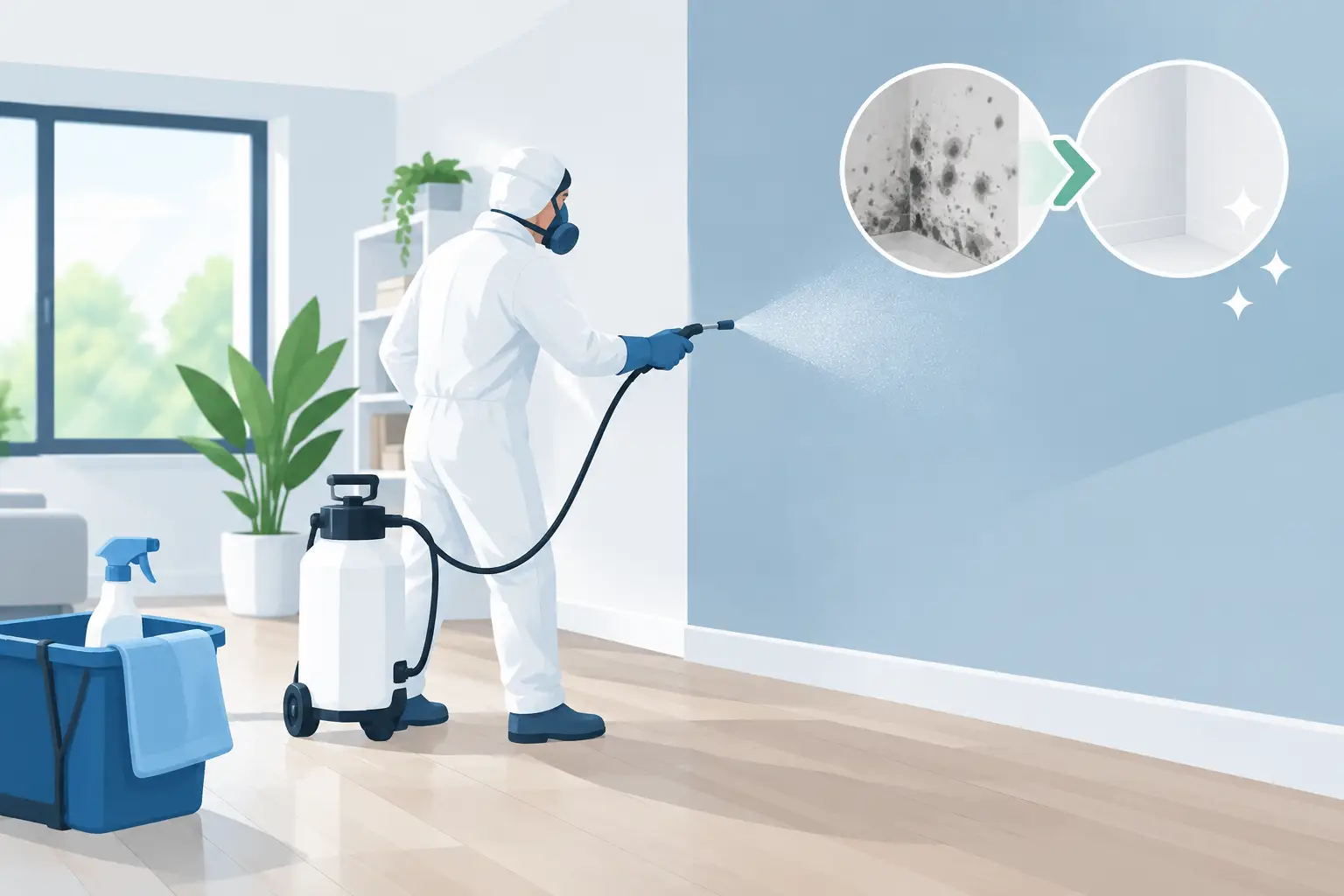
For sound framing and roof sheathing, trained technicians may use controlled HEPA vacuuming, damp wiping with an appropriate antimicrobial treatment, and specialized surface cleaning methods. The goal is to remove contamination rather than merely lighten stains. In some situations, dry ice blasting or other professional techniques may be appropriate for wood surfaces, particularly when mold covers a broad area and access is limited.
Porous materials that are heavily contaminated or cannot be effectively cleaned usually need removal. This may include insulation, cardboard storage boxes, damaged drywall, and deteriorated wood. Materials should be bagged or wrapped within the containment area before being carried out of the home. They should not be tossed through an open hatch or carried uncovered through occupied rooms.
Do not paint or encapsulate moldy wood as a first step. Encapsulation can be useful only after contamination has been properly removed, surfaces are dry, and the underlying moisture issue has been resolved. Painting over active growth can trap the problem and make future inspection more difficult.
Drying and verification are part of the job
Mold removal is not complete when the attic looks cleaner. Wood moisture levels should return to an acceptable range, and damp insulation or building materials should be addressed. Depending on the situation, drying equipment and controlled airflow may be needed after a leak or condensation event.
A thorough final inspection checks that visible growth and debris have been removed, containment has been properly taken down, and the repaired attic is dry. For larger projects, post-remediation verification or air quality testing provides added confidence that the work area meets a clean condition before normal use resumes. This is especially valuable for rental properties, commercial buildings, real estate transactions, and homes with vulnerable occupants.
When to call a certified mold remediation professional
Call for professional help if the mold covers more than a small, isolated area, returns after cleaning, follows a roof leak, involves wet insulation, or is accompanied by a persistent musty odor. Immediate evaluation is also sensible when someone in the building has asthma, allergies, immune system concerns, or unexplained respiratory irritation.
Certified remediation professionals can inspect the full attic system, identify hidden moisture, establish containment, remove affected materials safely, and validate the result. This approach protects more than the roof deck. It helps preserve the property’s value and reduces the chance that attic contamination becomes an indoor air quality problem below.
If you see attic staining or smell moisture after rain or during cold weather, do not wait for the next season to see if it improves. A prompt inspection can identify the cause while repairs are still smaller, clearer, and easier to control.