

A cracked basement floor tile, aging pipe insulation, or damaged ceiling texture can create a serious question for property owners: could this contain asbestos? Asbestos containing materials were used widely in homes, apartments, schools, offices, and industrial buildings for decades because they resisted heat, fire, and wear. The risk is not always visible, and guessing based on appearance can put occupants, tenants, workers, and renovation crews at risk.
For most owners, the right response is not panic or immediate demolition. It is to prevent disturbance, arrange professional testing, and make a documented plan based on the material’s condition, location, and the work planned around it. A certified assessment provides the clarity needed to protect people and avoid turning a manageable concern into airborne contamination.
What Are Asbestos Containing Materials?
Asbestos is a group of naturally occurring mineral fibers. Manufacturers added it to thousands of building products because the fibers are durable and resistant to heat, chemicals, and friction. A material is generally treated as asbestos containing when laboratory analysis confirms asbestos fibers at a regulated concentration.
The material itself is not automatically an emergency. The greatest concern is whether fibers can become airborne and be inhaled. Intact, sealed, and undisturbed material may present a much lower immediate risk than material that is crumbling, water-damaged, sanded, drilled, cut, or pulled apart during renovation.
This distinction matters. Removing every suspect product without an assessment can create unnecessary cost and exposure. Leaving damaged material in place without professional guidance can also be unsafe. The appropriate solution depends on the building, the product, its condition, and the likelihood of disturbance.
Where Asbestos Containing Materials May Be Found
Older buildings are more likely to contain asbestos, but age alone does not prove its presence. Materials installed during later repairs or renovations can also be suspect if their origin is unknown. Laboratory testing, not visual inspection, is the reliable way to identify asbestos.
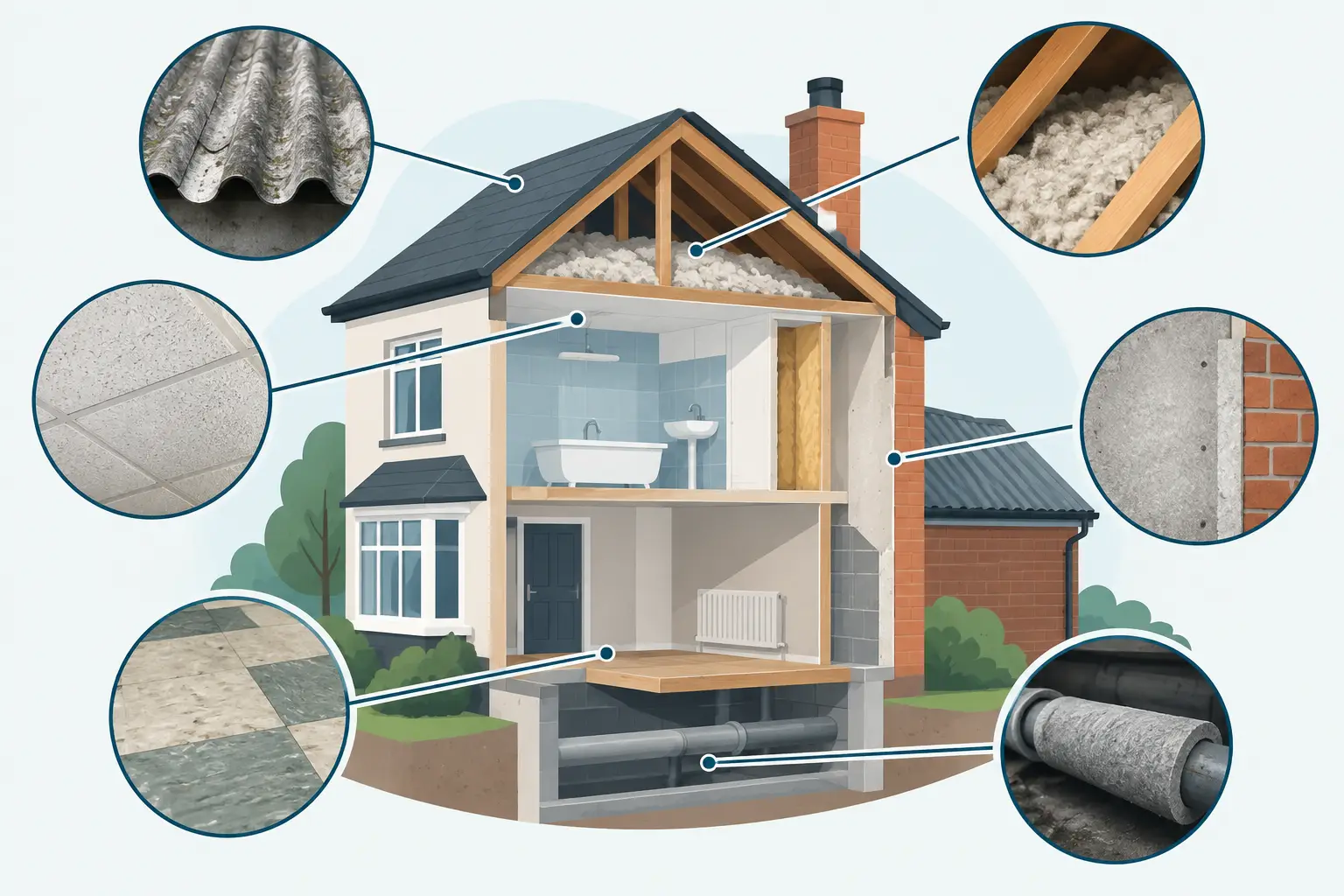
Flooring and wall finishes
Vinyl floor tile, sheet flooring, mastic adhesives, and backing materials may contain asbestos. The risk often increases when old flooring is scraped, broken, ground, or removed with power tools. Some textured wall coatings and joint compounds may also contain asbestos, particularly where multiple generations of finishes are present.
Insulation and mechanical systems
Pipe wrap, boiler insulation, duct insulation, furnace components, and older heat-resistant gaskets can contain asbestos. These materials deserve prompt attention when they are torn, deteriorating, or accessible in utility rooms, basements, crawlspaces, and commercial mechanical areas. Friable insulation can release fibers more easily than hard, bonded products.
Ceilings, roofing, and exterior materials
Sprayed-on ceiling texture, acoustic ceiling tiles, cement panels, roofing felt, shingles, siding, and exterior cement products are common areas of concern. Weathering, leaks, storm damage, or roof work can change the condition of these materials quickly. A contractor should know whether asbestos is present before disturbing them.
Fireproofing and specialty products
Asbestos was also used in fire doors, fireproof coatings, electrical panel components, laboratory surfaces, window caulking, sealants, and certain textiles. Commercial and multi-unit properties may have more of these specialty materials, especially around service shafts, mechanical rooms, and older equipment.
Why Damage and Renovation Change the Risk
Asbestos becomes a health issue when microscopic fibers are released into the air and inhaled. These fibers cannot be reliably identified by sight or smell. Once airborne, they can settle on surfaces and may be redistributed by foot traffic, air movement, or HVAC systems.
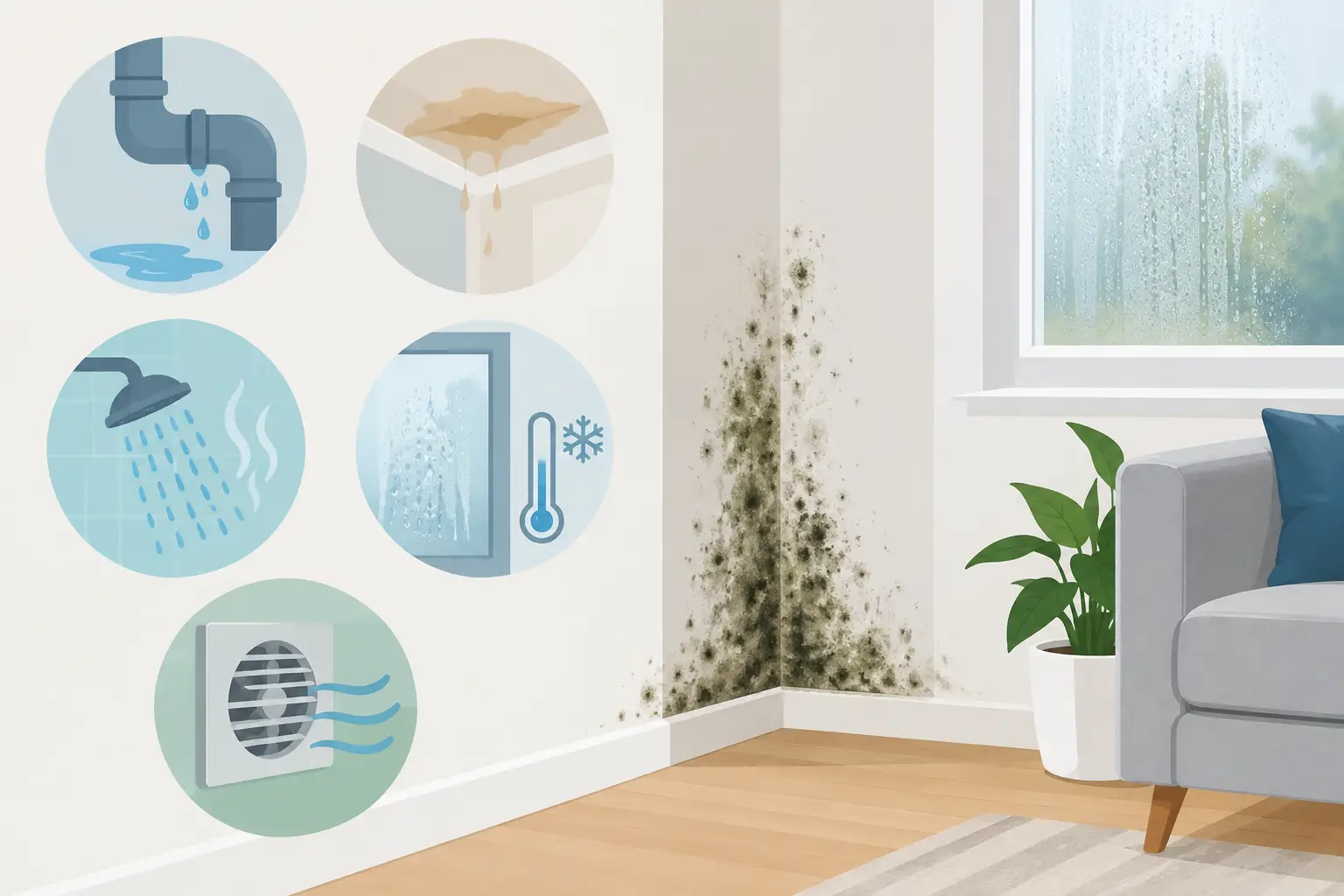
Water damage is a frequent trigger. A leaking pipe above asbestos-containing ceiling texture, for example, can cause the material to loosen and fall. A flooded basement can damage old floor tiles and adhesives. Even a small repair project can create risk if workers drill through suspect drywall compound or remove pipe insulation without testing first.
Renovation projects deserve special caution because many activities generate dust. Cutting, sanding, scraping, grinding, demolition, and dry sweeping can release fibers from materials that appeared stable before work began. If a building was constructed or renovated during an era when asbestos use was common, testing should be part of the project planning process, not an afterthought.
Do Not Rely on a Visual Guess
Homeowners and property managers often search for photographs to compare suspect materials with known asbestos products. Images can be useful for recognizing possible problem areas, but they cannot confirm whether a specific product contains asbestos. Similar-looking flooring, insulation, and ceiling finishes may have entirely different compositions.
Avoid collecting a sample yourself. Breaking, cutting, or handling a suspect material can release dust, and improper sampling can contaminate nearby rooms. A trained professional uses controlled methods, appropriate protective equipment, and careful packaging to collect representative samples while reducing the chance of fiber release.
Testing should be completed by a qualified laboratory using accepted analytical methods. A clear report should identify the sampled location, material description, and result so owners can make informed decisions and maintain records for future repairs, tenant communication, or property transactions.
What a Professional Asbestos Assessment Should Include
A thorough assessment starts with the building’s history and the work being planned. An inspector reviews visible materials, areas affected by leaks or deterioration, concealed mechanical spaces where accessible, and locations likely to be disturbed during repair or renovation.
The inspection should then lead to a practical scope of work. That may include sampling suspect materials, isolating an affected area, recommending management in place, or planning controlled removal. The right approach is rarely one-size-fits-all.
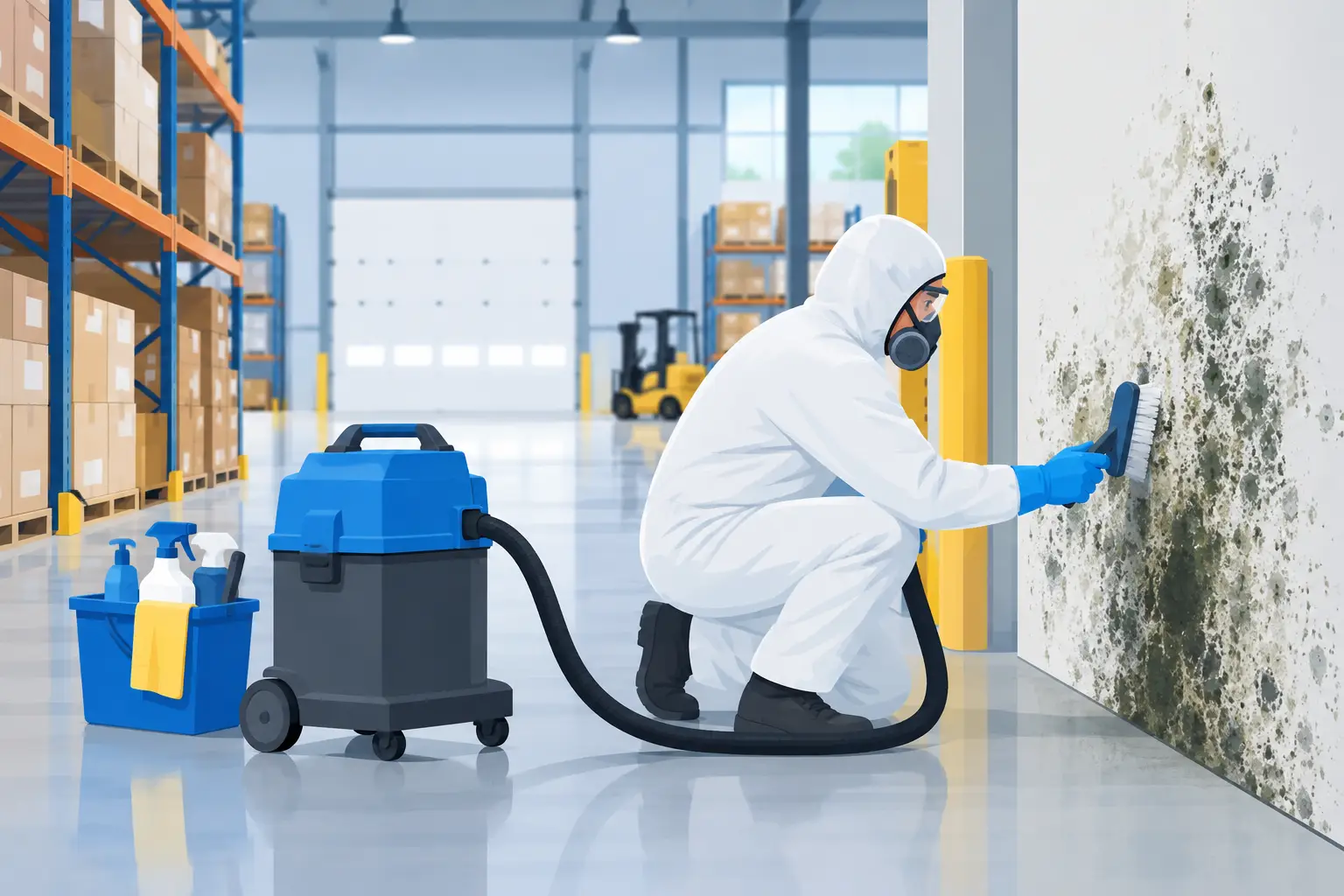
For damaged or friable material, professional remediation typically involves containment barriers, negative air pressure, HEPA-filtered equipment, controlled removal methods, specialized cleaning, and proper disposal. These measures are designed to prevent fibers from moving into clean parts of the property. After work, clearance or air testing may be appropriate depending on the scope, local requirements, and the type of occupancy.
What Property Owners Should Do Right Away
If you discover damaged insulation, crumbling ceiling texture, broken old tile, or debris from a suspect material, limit access to the area. Keep children, tenants, employees, and pets away. Do not sweep, vacuum with a standard household vacuum, or attempt to bag debris without professional direction.
If possible, stop any renovation work near the material until it can be assessed. Inform contractors, maintenance staff, and property managers so they do not drill, cut, or move the suspect material. Taking a few clear photos from a safe distance and noting the location, condition, and recent water damage can help during the inspection.
For landlords and business owners, communication matters as much as the physical response. Occupants need accurate information about restricted areas, scheduled testing, and any planned remediation. Vague reassurances or unsupported claims can undermine trust. A documented professional assessment gives everyone a factual basis for next steps.
Removal, Repair, or Management in Place?
Removal is not always the best first choice. If asbestos-containing material is intact, inaccessible, and unlikely to be disturbed, a professional may recommend management in place. This can include labeling, periodic inspection, restricting access, and maintaining the material in good condition.
Repair or encapsulation may be appropriate when a material has limited damage but can be safely sealed or enclosed. This approach can reduce fiber release without full removal, though future renovations still need to account for the material’s presence.
Removal is often necessary when materials are significantly damaged, friable, repeatedly disturbed, or located in an area scheduled for renovation. It may also be the practical choice when ongoing management would be difficult in a busy commercial setting or multi-unit property. The decision should balance health protection, building use, project timing, and long-term maintenance needs.
A Safer Next Step for Your Property
Asbestos concerns are easier to manage when they are identified before work begins. If a material is damaged, unknown, or located where repairs are planned, treat it with caution and arrange professional testing. A careful assessment protects occupants, supports responsible property management, and gives you a clear path forward without unnecessary disruption.