

A musty smell on the main floor often starts below it. Crawl space mold remediation is one of the most important services for protecting indoor air quality, structural materials, and the health of everyone inside the building.
Mold in a crawl space is easy to miss because the area is dark, confined, and rarely inspected. That hidden location is exactly why the problem can spread for months before anyone realizes what is happening. By the time you notice odors, allergy symptoms, warped flooring, or moisture damage, the contamination may already be established on wood framing, insulation, subflooring, or stored materials.
Why crawl space mold spreads so quickly
Crawl spaces create ideal conditions for microbial growth. They tend to trap moisture, hold cooler air, and receive very little ventilation. In many homes and commercial properties, the space also contains exposed earth, plumbing lines, ductwork, and porous building materials that absorb dampness over time.
A small moisture source can create a much larger mold issue than most owners expect. Condensation on pipes, high humidity, poor drainage around the foundation, groundwater intrusion, plumbing leaks, or previous flooding can all feed mold growth. Once spores settle on damp wood or insulation, they can multiply quickly.
This is also why surface cleaning rarely solves the problem. If the moisture source remains active, mold often returns. Effective remediation is not just about removing what is visible. It requires identifying why the crawl space stayed wet in the first place and correcting that condition as part of the process.
Signs you may need crawl space mold remediation
In many cases, the first warning sign is not visible mold below the structure. It is what happens inside the occupied area above it. A persistent earthy odor, worsening allergy symptoms, unexplained respiratory irritation, or uneven humidity indoors can all point to contamination underneath the property.
You may also notice cupping floors, damp insulation, staining on subfloor materials, or signs of long-term water intrusion near foundation walls. In rental or commercial properties, tenant complaints about odors and air quality often lead back to a neglected crawl space. If the building has had a plumbing leak, stormwater intrusion, or chronic humidity issue, the risk is much higher.
It depends on the age and design of the building as well. Older properties with vented crawl spaces, minimal vapor barriers, or limited drainage protections are often more vulnerable than newer buildings with modern moisture control systems.
Why professional remediation matters
Crawl spaces are not simple cleanup jobs. They are confined environments where mold can spread across framing cavities, insulation, duct systems, and hidden surfaces. Disturbing contamination without proper containment can release spores into the rest of the property.
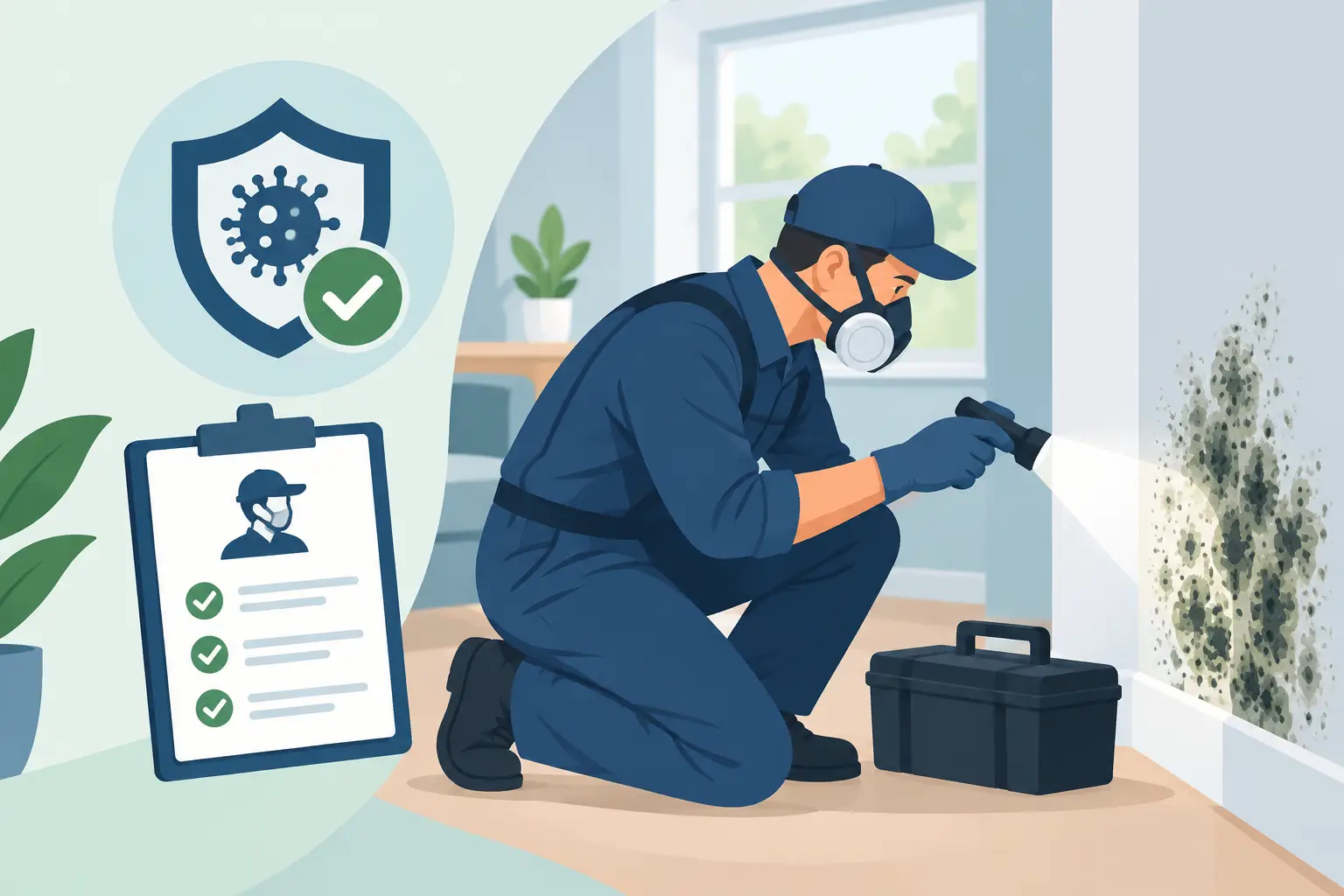
Professional remediation starts with a detailed inspection. Certified specialists use moisture meters, thermal imaging, and visual assessment to determine the extent of contamination and locate active moisture sources. That matters because mold rarely grows in isolation. What looks like a small patch on a beam may be connected to broader humidity problems or hidden damage behind insulation and vapor barriers.
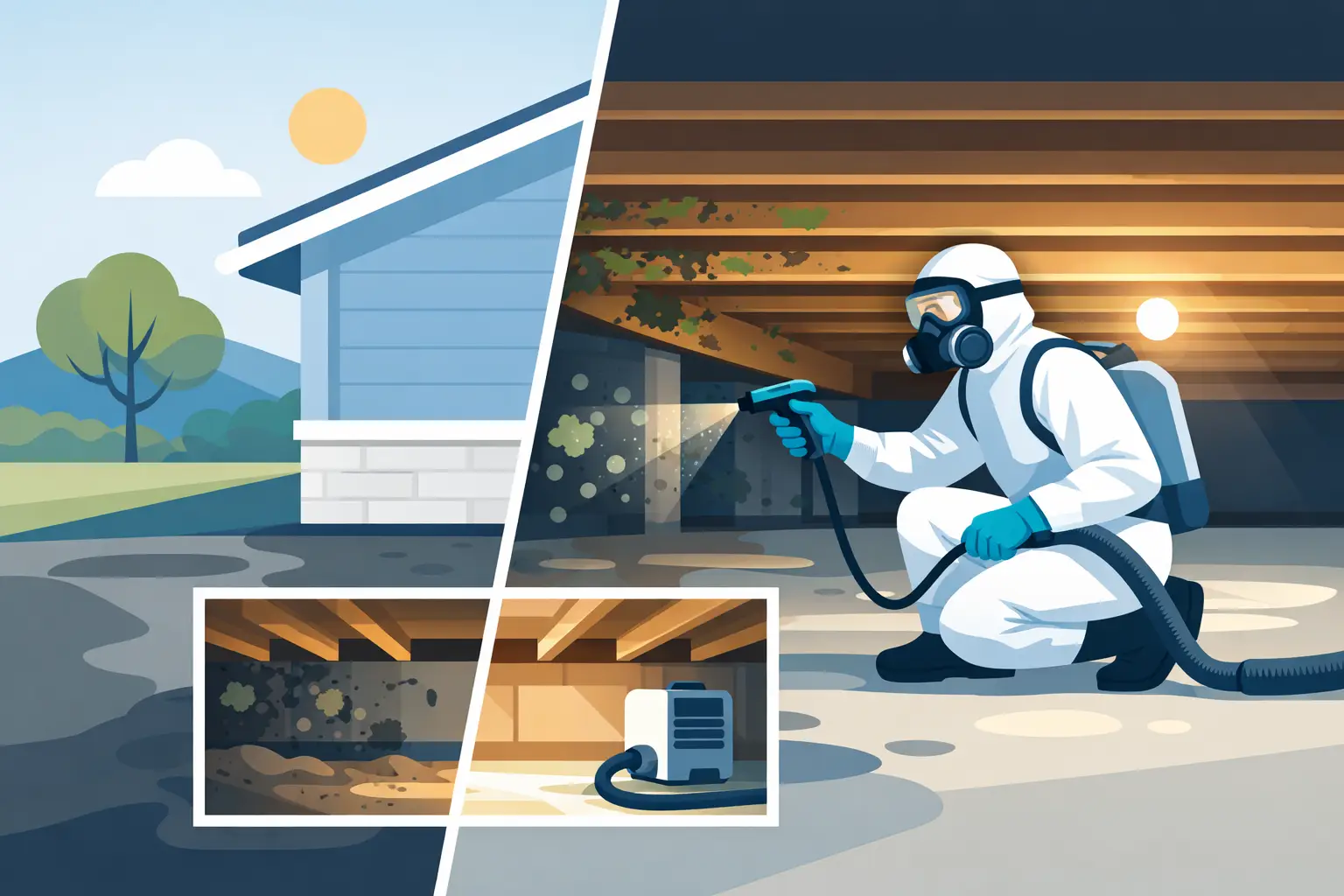
Containment is the next critical step. When technicians set up negative air pressure and HEPA filtration, they reduce the risk of cross-contamination during removal. This protects cleaner parts of the structure while the affected area is being treated.
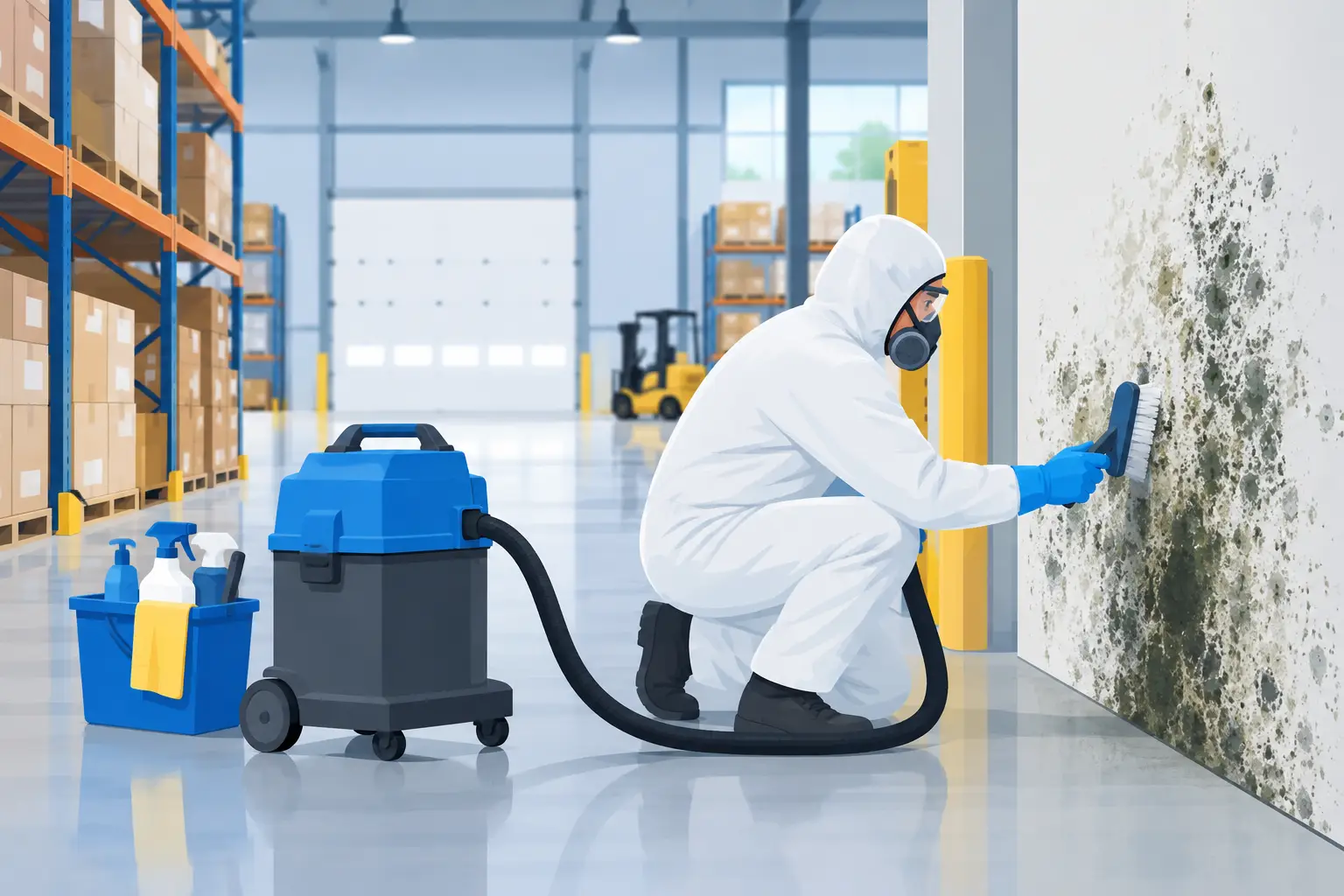
Removal methods depend on the materials involved. Non-structural porous materials that are heavily contaminated may need to be removed and discarded. Structural wood surfaces may require detailed cleaning, HEPA vacuuming, and professional antimicrobial treatment. If insulation is wet, deteriorated, or mold-contaminated, replacement is often the safer option.
What crawl space mold remediation should include
A proper remediation plan should be comprehensive, not cosmetic. The process usually begins with inspection and moisture mapping, followed by containment of the affected crawl space. From there, the remediation team removes contaminated materials where necessary, cleans salvageable structural surfaces, and addresses the water or humidity source that caused the growth.
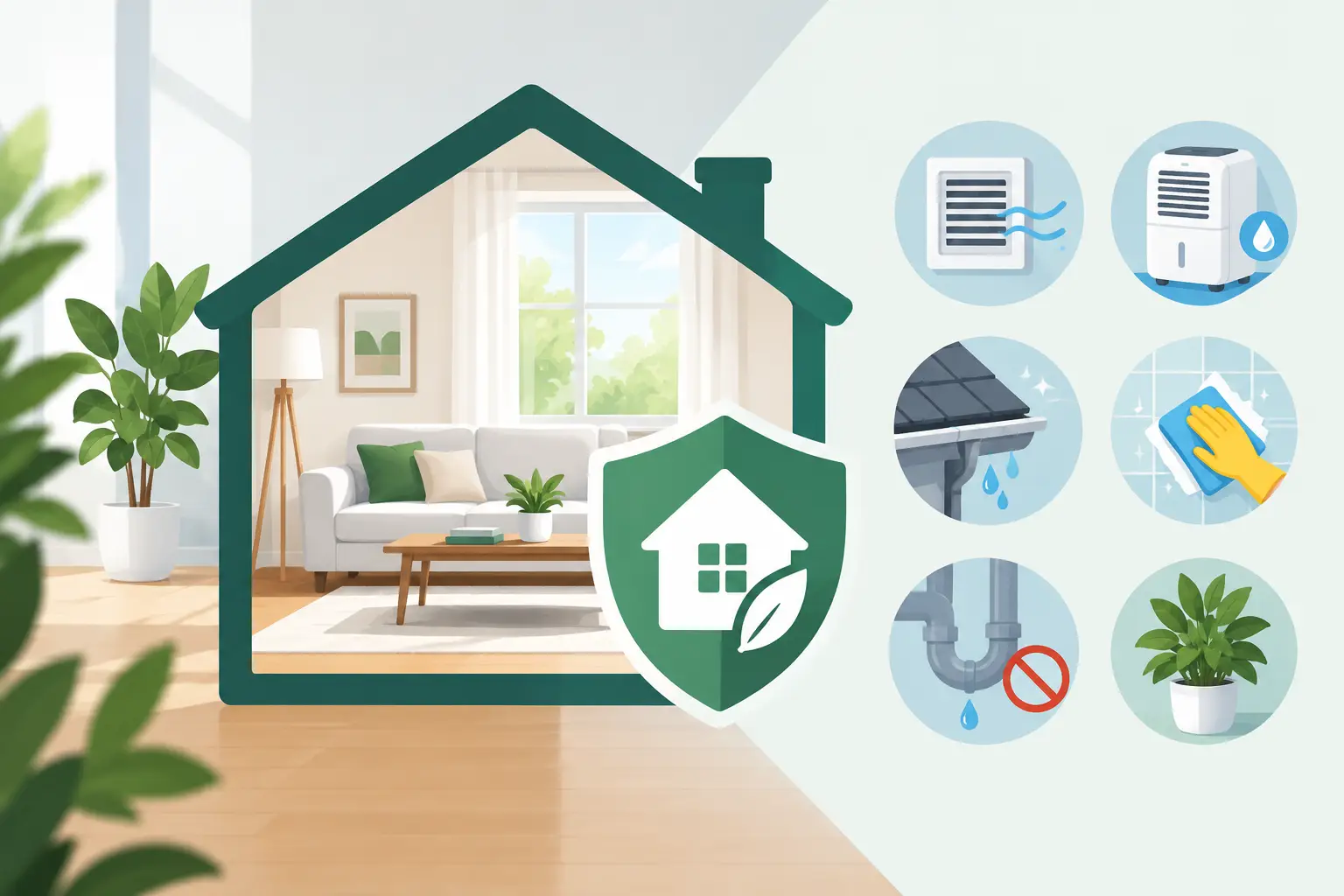
Drying is just as important as removal. If the crawl space remains damp, even a well-cleaned area can experience regrowth. Professional dehumidification, improved ventilation strategy, drainage correction, vapor barrier replacement, or plumbing repair may all be part of the solution depending on the property.
Post-remediation verification adds another layer of confidence. In many cases, air quality testing or clearance testing helps confirm that the space has been properly cleaned and that spore levels are back within acceptable conditions. For homeowners, landlords, and property managers, this is often the difference between hoping the problem is gone and knowing it was handled correctly.
The risks of waiting too long
Mold in a crawl space does not always stay in the crawl space. Air moves upward through a building, and contaminants from below can affect living or working areas above. That means a hidden problem under the structure can influence odors, air quality, and occupant comfort throughout the property.
There is also a structural concern. Prolonged moisture exposure can weaken wood, damage insulation, and contribute to long-term deterioration. The longer the problem continues, the more expensive the repair work can become. What begins as a moisture issue may turn into mold remediation, material replacement, and reconstruction.
For landlords and commercial property owners, delay can create additional liability. If occupants report health concerns, visible mold, or persistent odors, quick action is not just good maintenance. It may be necessary for compliance, documentation, and tenant protection.
Not every crawl space needs the same solution
One of the biggest mistakes in this industry is treating every mold job the same way. Crawl space mold remediation should be tailored to the type of building, the extent of contamination, the cause of moisture, and the condition of the materials.
A minor issue caused by temporary condensation may require localized cleanup and humidity control. A severe contamination event after flooding or repeated seepage may require extensive removal, drying, and reconstruction. Some crawl spaces need encapsulation or vapor barrier upgrades after remediation, while others need drainage correction around the exterior foundation.
That is why inspection comes first. A dependable remediation company should explain what is affected, what can be cleaned, what should be removed, and what preventive steps are necessary to reduce recurrence.
Choosing a qualified remediation company
When you are dealing with a crawl space problem, credentials matter. Mold work should be handled by trained professionals who understand containment, safety procedures, moisture diagnostics, and post-remediation verification. Equipment matters too. HEPA air scrubbers, negative air machines, moisture meters, and thermal imaging tools are part of serious remediation work, not optional extras.
You should also expect a clear scope of work. That includes identifying the moisture source, describing the removal method, outlining safety controls, and explaining whether testing is recommended after cleanup. A professional company should never present mold removal as a quick spray-and-go service.
For property owners who need a dependable response, Mold Removal Remediation approaches crawl space issues as full environmental problems, not just visible staining. That means inspection, containment, certified remediation, and validation are all part of protecting the building long term.
What to do if you suspect mold below your property
If you suspect a crawl space issue, avoid disturbing the area yourself. Do not start sweeping, brushing, or spraying household chemicals onto visible growth. That can spread spores and make the contamination harder to control.
Instead, arrange a professional inspection as soon as possible. The sooner the source is identified, the more options you usually have for limiting damage and controlling costs. Fast action also helps protect indoor air quality before mold affects a larger portion of the property.
A crawl space is out of sight, but it should never be out of mind. When moisture and mold take hold below a building, the right response is careful, certified remediation that removes contamination, fixes the cause, and helps restore confidence in the safety of the space above.