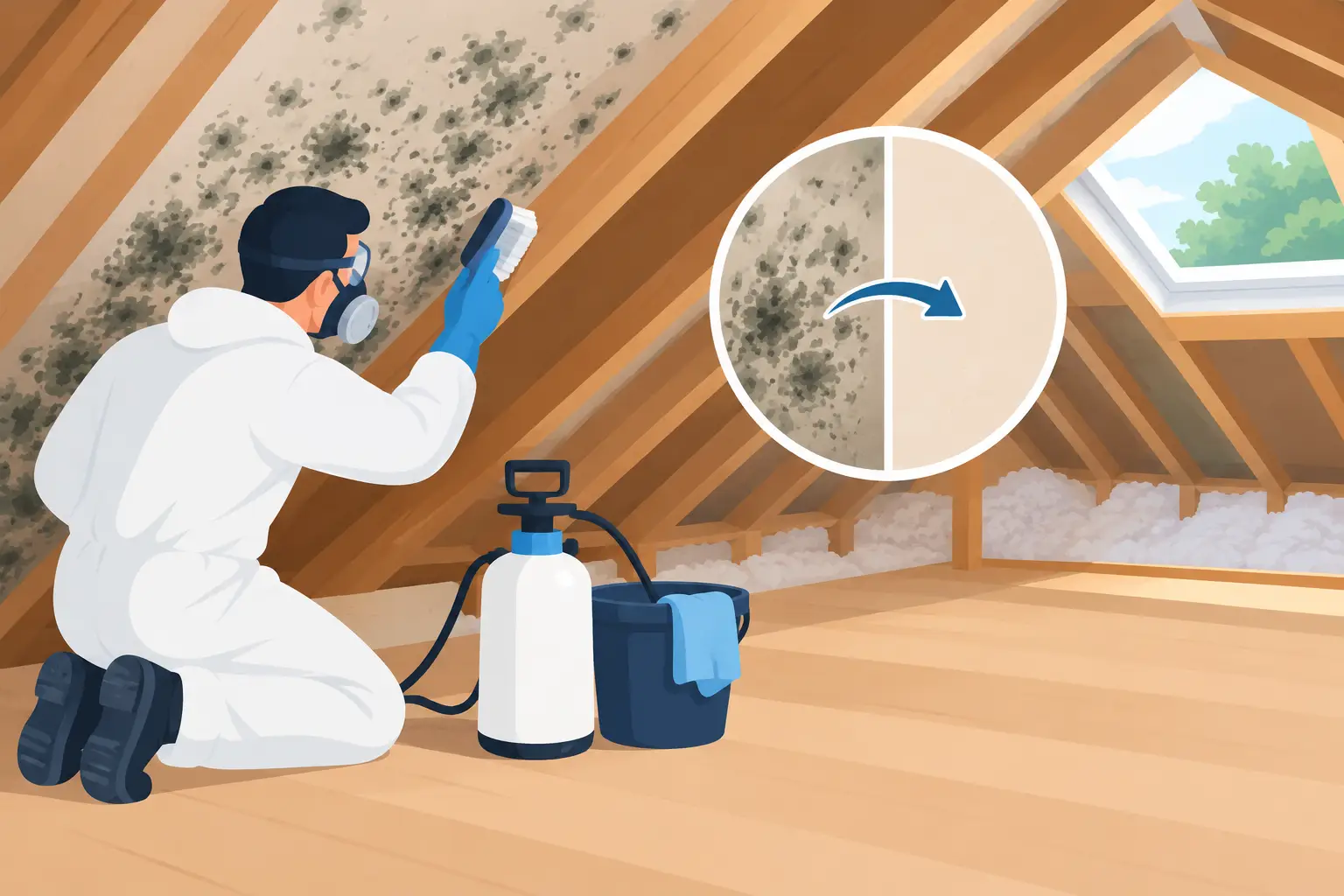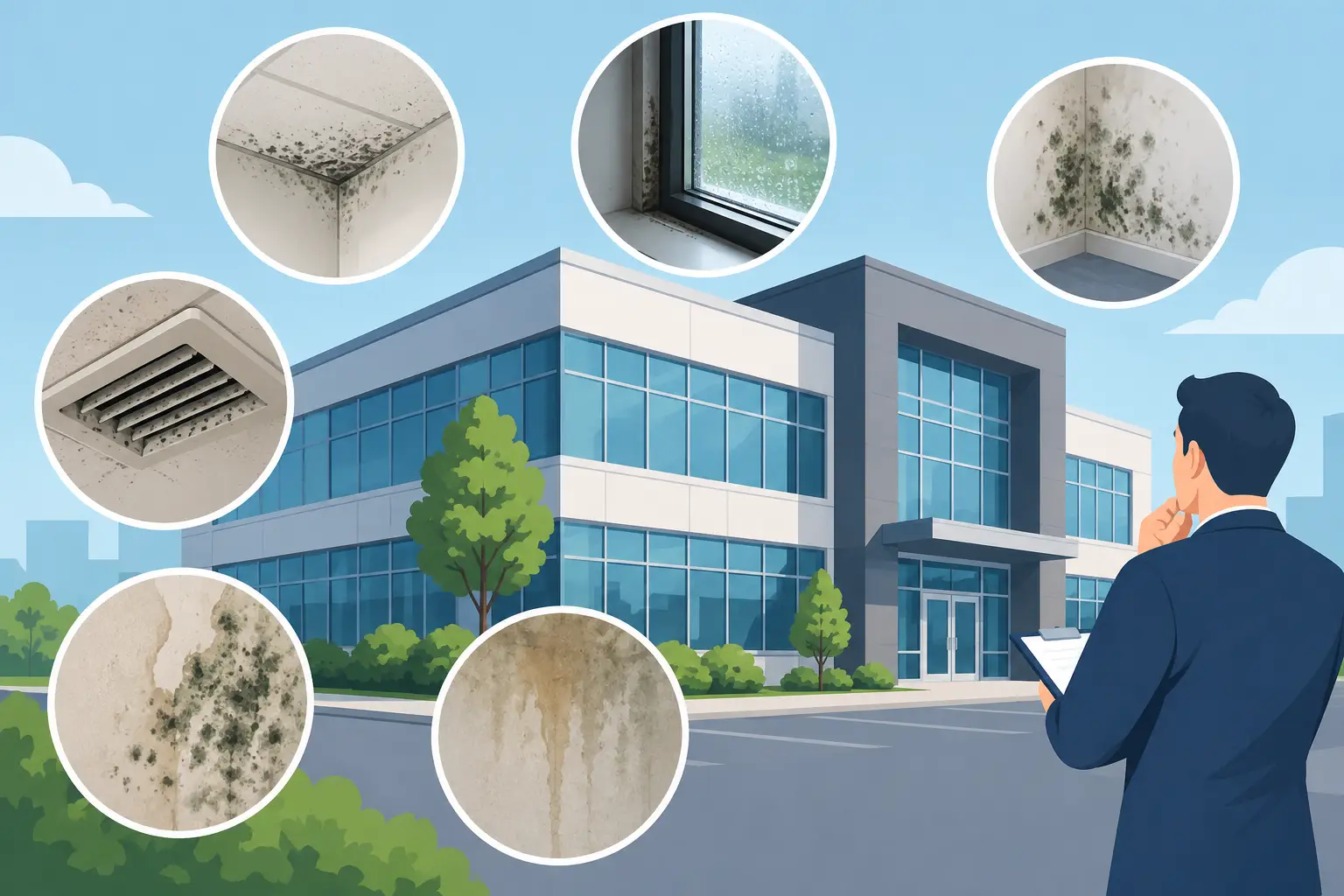



A five-star score can look reassuring when mold is spreading behind a wall, a tenant is reporting odors, or a recent leak has left you worried about indoor air. But mold contractor ratings are only useful when you read beyond the number. The right contractor should be evaluated on proof of technical skill, clear communication, safe containment practices, and results that address the moisture problem behind the growth.
For homeowners, landlords, property managers, and business owners, choosing the wrong company can mean paying twice: once for a quick cleanup and again when the mold returns. Ratings can help narrow your choices, but they should never replace a careful review of a contractor’s process and qualifications.
What Mold Contractor Ratings Can Tell You
Ratings are most valuable when they reveal patterns. One glowing review or one unhappy customer does not tell the full story. A contractor with a consistent record of detailed, recent feedback is generally more informative than a company with a high score based on only a few vague comments.
Look for reviews that describe the actual work performed. Useful feedback often mentions an inspection, moisture readings, containment barriers, HEPA air filtration, removal of damaged materials, cleanup, and follow-up testing. These details suggest that the reviewer experienced a real remediation process rather than a surface treatment.
Pay attention to whether customers describe the contractor as transparent. Mold problems are stressful, and no reputable professional should use fear to pressure you into approving work before explaining the findings. Strong reviews often mention prompt communication, a clearly written scope of work, respectful crews, and realistic timelines.
Ratings may also reveal how a company handles problems. Construction and remediation work can uncover hidden damage after walls, flooring, or ceilings are opened. That does not automatically mean the original estimate was misleading. What matters is whether the contractor documented the new condition, explained the options, and received approval before moving ahead.
Why a High Star Rating Is Not Enough
A high average rating is a starting point, not a safety credential. Online reviews do not verify that a contractor has training in mold remediation, understands containment requirements, carries appropriate insurance, or uses the equipment needed for a contaminated work area.
A company may have excellent reviews for general cleaning, painting, or water damage repair but lack the specialized knowledge to manage mold safely. Visible mold is often only part of the problem. Moisture can travel into framing, insulation, subfloors, HVAC components, and concealed wall cavities. Removing stains without investigating the source can leave contamination active behind finished surfaces.
Mold work also varies by scope. A small, isolated area caused by a minor plumbing issue may need a different approach than widespread growth following a flood, long-term roof leak, or sewage backup. The contractor should assess the affected materials, the moisture source, occupant exposure concerns, and the risk of spreading spores during removal.
This is where technical training matters. Ask a contractor what certifications or industry standards guide their work. Credentials such as IICRC training, along with experience using moisture meters, thermal imaging, HEPA filtration, and negative air systems, indicate a more disciplined approach. Requirements differ by jurisdiction, so licensing and insurance should also be verified locally.
How to Read Reviews for Mold Remediation Work
Read the newest reviews first, then look back over several months or years. A company’s quality can change with staff turnover, rapid growth, or a shift in services. Recent feedback is especially helpful for judging response times, scheduling, and current customer service.
The best reviews tend to include specifics. They might explain that the contractor found moisture behind a bathroom wall, isolated the work zone to protect the rest of the home, removed contaminated drywall, and explained how the leak would be repaired. Specificity is harder to manufacture and more useful than repeated phrases such as “great job” or “highly recommended.”
Also read the lower-rated reviews carefully. Do not dismiss a contractor solely because of one negative experience. Instead, look for repeated concerns. Complaints about missed appointments, poor communication, surprise charges, incomplete cleanup, or mold returning soon after the work deserve attention when they appear more than once.
A professional response to criticism can be a positive sign. The company should avoid sharing private details, blaming the customer, or arguing publicly. A calm response that acknowledges the concern and offers a path to resolution usually reflects better accountability than silence or hostility.
Questions Ratings Cannot Answer for You
Even detailed mold contractor ratings cannot tell you whether the company is the right fit for your particular property. You still need a direct conversation about the inspection findings and the proposed remediation plan.
Ask whether the contractor will identify the moisture source or coordinate the repair needed to stop it. Mold remediation without moisture control is temporary. A wet foundation, plumbing leak, roof failure, condensation issue, or poorly ventilated bathroom can restart the problem after the crew leaves.
Ask how the affected area will be contained. For more than a very minor, isolated issue, safe work may require barriers, controlled entry, negative air pressure, and HEPA filtration. These measures reduce the chance that spores and dust move into clean areas of the building.
You should also ask what materials must be removed and what can be cleaned. Nonporous materials may sometimes be cleaned effectively, while porous materials such as mold-damaged drywall, insulation, carpet padding, or ceiling tiles may need removal. The answer depends on the material, the extent of contamination, and how long moisture has been present.
Finally, ask how the job will be verified. Visual cleanliness matters, but it is not the only measure of success. In some situations, post-remediation inspection or air quality testing can provide added confidence that the work area has been properly cleaned and that containment was effective. Testing is not necessary for every small project, but it can be valuable after extensive remediation, in commercial settings, or when occupants have health concerns.
Signs of a Credible Mold Contractor
A qualified contractor should be willing to explain the project before asking for a commitment. Expect an inspection that considers visible growth, musty odors, water-damaged materials, humidity, and possible hidden moisture. A moisture meter or thermal imaging camera can help identify conditions that are not obvious from a visual check alone.
The written scope should state what will be contained, removed, cleaned, and restored. It should distinguish remediation from rebuilding or cosmetic repairs when those services are separate. Vague proposals such as “treat mold” or “sanitize area” do not give you enough information to compare bids or confirm what you are paying for.
Price deserves context as well. The lowest estimate may exclude containment, disposal, moisture investigation, or validation. The highest estimate is not automatically the safest choice either. Compare the scope, equipment, timeline, insurance, and post-work steps. A fair estimate explains the work required and identifies conditions that could change the cost.
For urgent situations, speed is valuable, but shortcuts are not. A fast response should mean rapid assessment, moisture control, and a clear plan to protect occupants and limit damage. It should not mean spraying chemicals over visible mold and declaring the problem solved.
Make the Final Decision on Evidence
Before hiring, compare at least two written scopes when time allows. Match each proposal against the review patterns you found. If reviews praise thorough inspections but the estimate skips moisture investigation, ask why. If a company claims extensive remediation experience but cannot explain its containment procedures, treat that as a warning sign.
Mold Removal Remediation approaches each project as an indoor environmental issue, not a cosmetic cleaning task. The goal is to identify the source, isolate affected areas, remove contamination safely, and help verify that the space is ready for normal use.
The right contractor will not promise that every concern can be solved with one quick visit. They will give you clear evidence, practical options, and a process that protects your property while addressing the conditions that allowed mold to grow in the first place.