

A dark patch on attic sheathing, a musty odor near the hatch, or frost that repeatedly forms on roof nails can point to a moisture problem that will not disappear with warmer weather. Knowing how to remediate attic mold means addressing both the visible growth and the conditions that allowed it to take hold. Anything less can leave spores, damaged materials, and the underlying moisture issue behind.
Attic mold is often misunderstood as a roof leak problem. A leak can certainly cause it, but many attics develop mold because warm, humid indoor air reaches a cold attic and condenses on framing or roof decking. Bathroom fans that vent into the attic, disconnected ducts, insufficient air sealing, and poor ventilation are frequent contributors. A proper remediation plan begins with diagnosis, not cleaning.
Start With a Professional Attic Mold Assessment
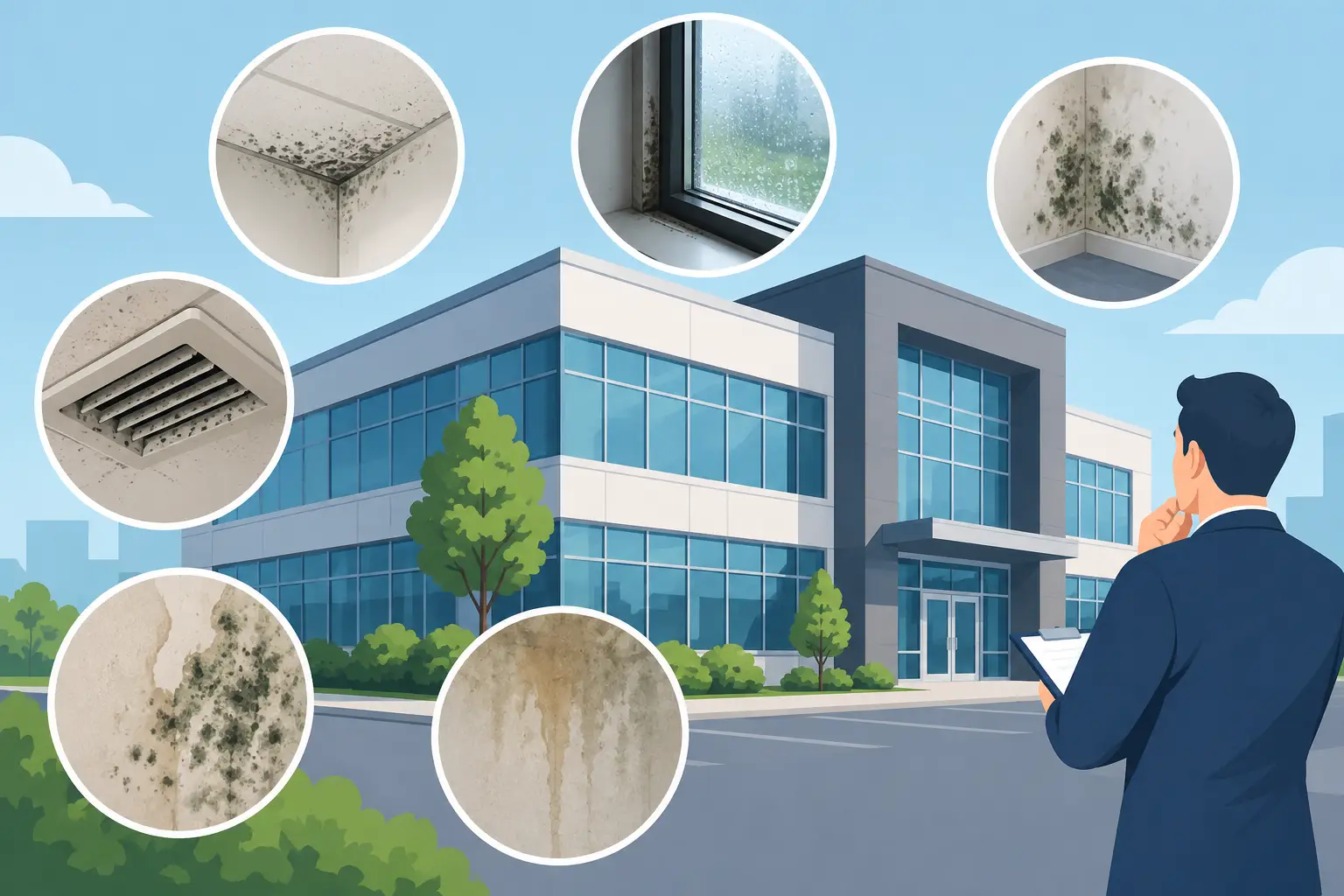
Before materials are disturbed, the affected area should be evaluated for the extent of contamination and the source of moisture. Mold can appear in isolated spots around vents or cover large sections of sheathing while remaining hidden behind insulation, stored items, or framing.
A qualified inspector looks beyond the obvious staining. Moisture meters can identify damp wood and insulation, while thermal imaging may reveal temperature differences associated with missing insulation, air leaks, or hidden moisture. The assessment should also consider roof penetrations, attic ventilation, exhaust duct routing, plumbing vents, and signs of ice dams.
This stage determines whether the issue is minor and localized or whether it requires full containment and professional remediation. It also helps distinguish mold-like staining from old discoloration, soot, or wood tannins. When occupants report persistent musty odors or respiratory irritation, indoor air quality testing may be appropriate to establish whether airborne mold concerns extend beyond the attic.
Find and Correct the Moisture Source First
Mold needs moisture to grow. If the moisture source remains active, even a thorough cleaning can be undone within months. In many homes, the cause is a combination of air leakage and inadequate attic ventilation rather than one dramatic event.
Roof leaks and exterior water entry
Inspect roof coverings, flashing, valleys, skylights, chimney intersections, and plumbing vent boots. Water staining beneath a specific roof feature often points to a leak, especially after rain or snowmelt. Roof repairs should be completed before or in coordination with mold remediation so wet materials are not left exposed to recurring water intrusion.
Interior humidity and air leaks
Warm household air carries moisture. When it escapes through recessed lights, attic hatches, ceiling penetrations, wiring openings, or poorly sealed top plates, it can condense on cold roof decking. This is especially common during cold weather.
Bathroom, kitchen, and laundry exhaust ducts must terminate outdoors, not in the attic, soffit, or garage. Ducts should be properly connected, insulated where needed, and routed to reduce condensation. Air sealing around attic penetrations and installing a weather-stripped, insulated attic hatch can significantly reduce the moisture load entering the space.
Ventilation and insulation balance
Attic ventilation helps manage heat and moisture, but it is not a substitute for air sealing. Adding more roof vents without sealing ceiling leaks may allow more humid indoor air to enter the attic. The correct approach depends on roof design, insulation depth, climate, and the existing intake and exhaust ventilation arrangement.
How to Remediate Attic Mold Safely
The right method depends on the size of the affected area, the materials involved, and whether the attic can be safely accessed. Small surface growth on a limited area of solid wood may be manageable with careful cleaning. Extensive mold, recurring moisture, saturated insulation, contamination around HVAC equipment, or growth affecting multiple attic sections generally calls for certified remediation professionals.
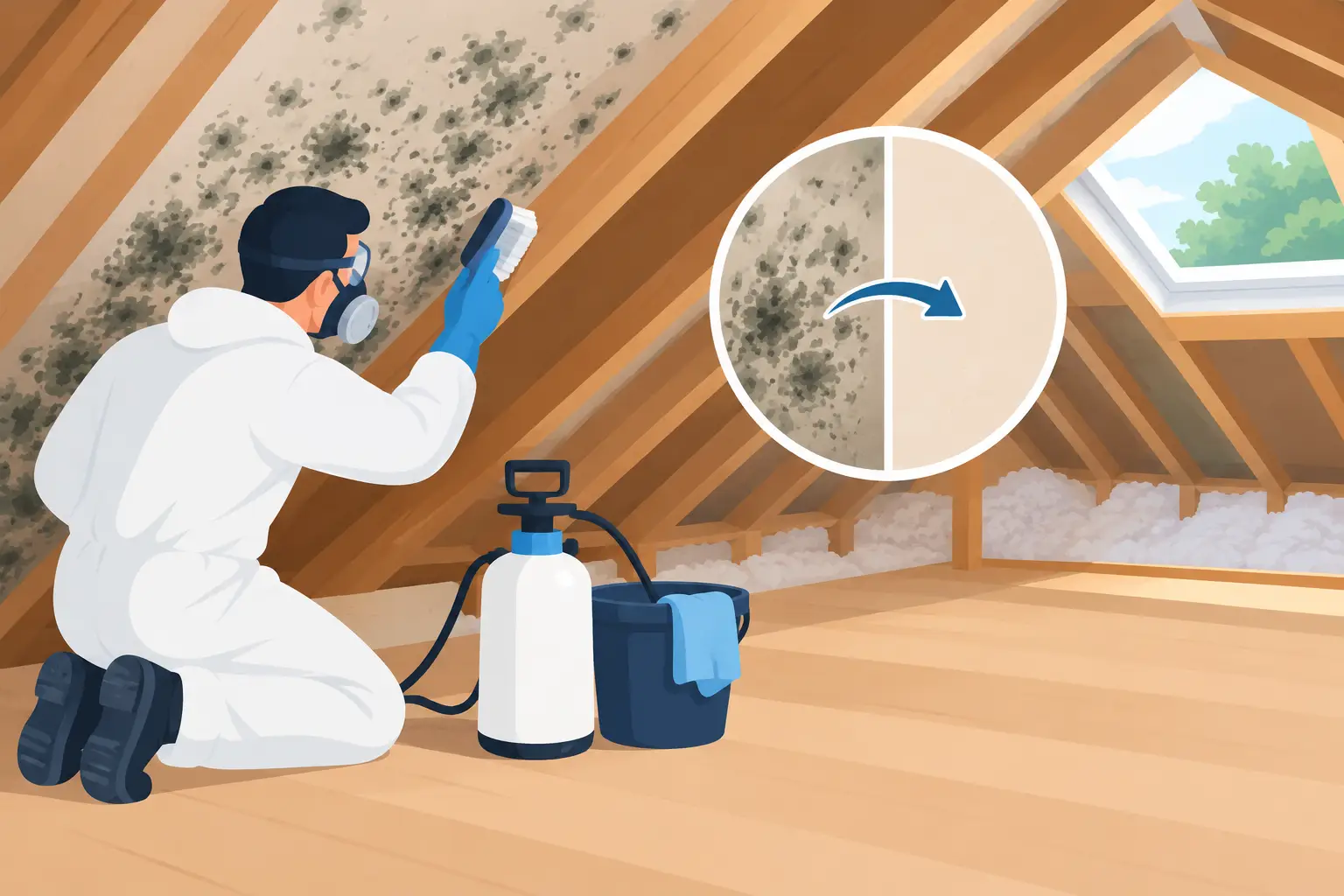
Professional work begins by protecting the occupied areas below. Workers use appropriate personal protective equipment and establish containment when conditions warrant it. Plastic barriers, controlled access, HEPA air filtration, and negative air pressure can help prevent disturbed spores and dust from moving into living spaces.
Stored belongings should be removed or covered before remediation begins. Porous items that are heavily contaminated or water-damaged may need to be discarded, while nonporous items can often be cleaned. Insulation is evaluated separately. If it is wet, moldy, compressed, or contaminated by debris, removal may be necessary to expose the ceiling assembly and allow complete drying.
The remediation crew then removes mold from structural wood using methods appropriate to the material and contamination level. This may involve HEPA vacuuming, detailed surface cleaning, controlled abrasion, or removal of damaged building materials. Simply spraying a chemical over visible mold is not remediation. Dead spores, staining, and contaminated dust can remain, while harsh products can create unnecessary exposure risks in an enclosed attic.
Wood sheathing and framing should be dried to acceptable moisture levels before the area is closed up. In cases where staining remains after mold has been physically removed, a specialized coating may be considered. Coatings are not a fix for active mold or damp wood. They should only be used after source correction, cleaning, and drying have been completed.
Do Not Rely on These Common Shortcuts
Homeowners often attempt to solve attic mold quickly because the space is out of sight. Unfortunately, several common approaches create a false sense of security.
Bleach is not a reliable answer for porous wood. It may lighten surface staining, but it does not correct moisture conditions or reliably address contamination within porous material. Fogging or deodorizing without physical cleaning can mask odors temporarily while leaving the actual problem in place.
Painting over mold is another costly mistake. Paint can trap moisture, peel, and conceal a spreading problem until roof decking or framing requires more substantial repair. Removing only the visible spot while ignoring damp insulation, disconnected ductwork, or ceiling air leaks can lead to repeat growth in the same season.
Disturbing a large contaminated area without containment also creates risk. Scrubbing, sanding, or vacuuming with a standard household vacuum can spread particles through the attic and potentially into the home. If the affected area is extensive, if someone in the property has respiratory sensitivities, or if the building has a history of water damage, professional handling is the safer choice.
Verify That Remediation Was Successful
A remediation project is not complete when the attic looks cleaner. The property should be inspected after work is finished to confirm that visible contamination has been removed, affected materials are dry, and the moisture source has been corrected.
Post-remediation verification may include a visual inspection, moisture measurements, and review of containment and cleaning practices. Depending on the situation, clearance testing or air sampling can provide additional confirmation that indoor conditions have returned to an acceptable state. This is particularly valuable for rental properties, commercial buildings, real estate transactions, and homes where occupants have ongoing health concerns.
Keep records of inspection findings, photographs, repairs, remediation steps, and any clearance results. Documentation can help property owners demonstrate responsible maintenance and can be useful for insurance discussions, tenant communications, or future property sales.
Prevent Mold From Returning
Once the attic is clean and dry, prevention becomes routine property maintenance. Check the attic after heavy rain, snowmelt, or periods of severe cold. Look for water marks, damp insulation, frost on nails, disconnected ducts, and new odors.
Maintain stable indoor humidity, especially during the heating season. Use bathroom and kitchen exhaust fans consistently, and make sure they discharge outdoors. Keep insulation at the recommended depth for the property, but do not block soffit intake vents with insulation. Baffles can preserve the ventilation path while keeping insulation in place.
For large or recurring attic contamination, Mold Removal Remediation uses a source-first process that combines moisture investigation, containment, HEPA filtration, professional removal, and post-remediation validation. The objective is not to make an attic look clean for the moment. It is to restore a dry, safe assembly that protects the building and the people inside it.
If mold has appeared in your attic, treat it as a signal from the building rather than a cosmetic flaw. A careful inspection and properly controlled remediation can stop a small moisture issue from becoming damaged sheathing, compromised insulation, tenant complaints, or a much larger restoration project.