

A wall can look dry while the insulation, framing, and back of the drywall remain wet. That is why knowing how to dry walls after a leak is less about pointing a fan at a stain and more about stopping moisture before it becomes a hidden mold problem. The first 24 to 48 hours are especially important.
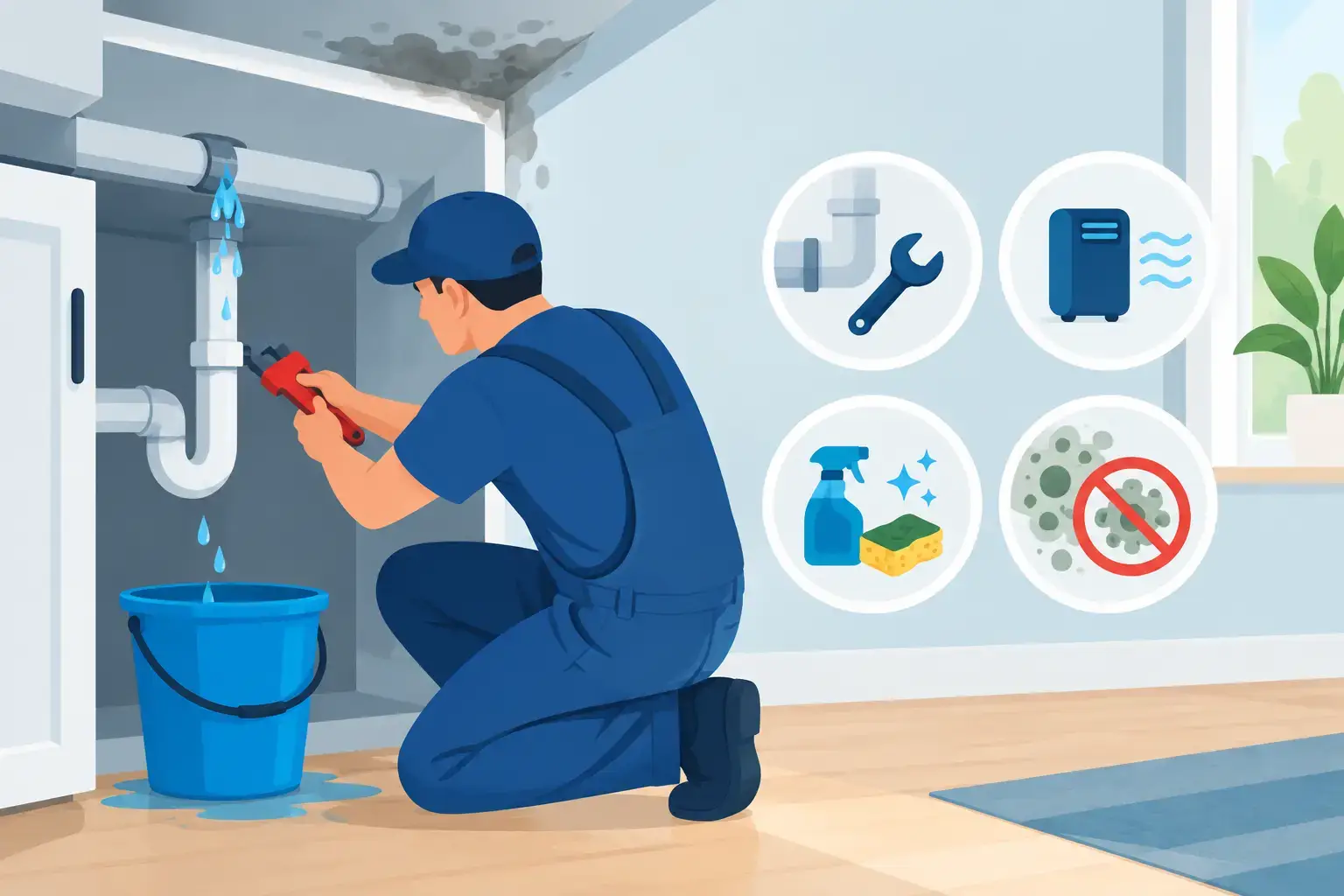
Whether the water came from a burst pipe, roof leak, appliance line, overflowing fixture, or flooding, begin by finding and stopping the source. Drying a wall without correcting the leak only delays further damage. If water is near outlets, switches, electrical panels, or appliances, shut off power to the affected area before touching wet materials.
How to Dry Walls After a Leak Safely
Start by moving furniture, rugs, boxes, and other belongings away from the wall. This improves airflow and prevents water from becoming trapped behind items that sit against the surface. Remove wet baseboards carefully if possible. Water often runs down inside the wall and collects along the bottom plate, where baseboards can conceal damage.
Next, assess what type of water entered the wall. Clean water from a fresh supply line is generally less hazardous than water from a toilet backup, sewer line, dishwasher discharge, or outdoor floodwater. Gray or black water can contain bacteria and other contaminants. Do not open or handle contaminated wall materials without proper protective equipment and containment. In those cases, professional remediation is the safer choice.
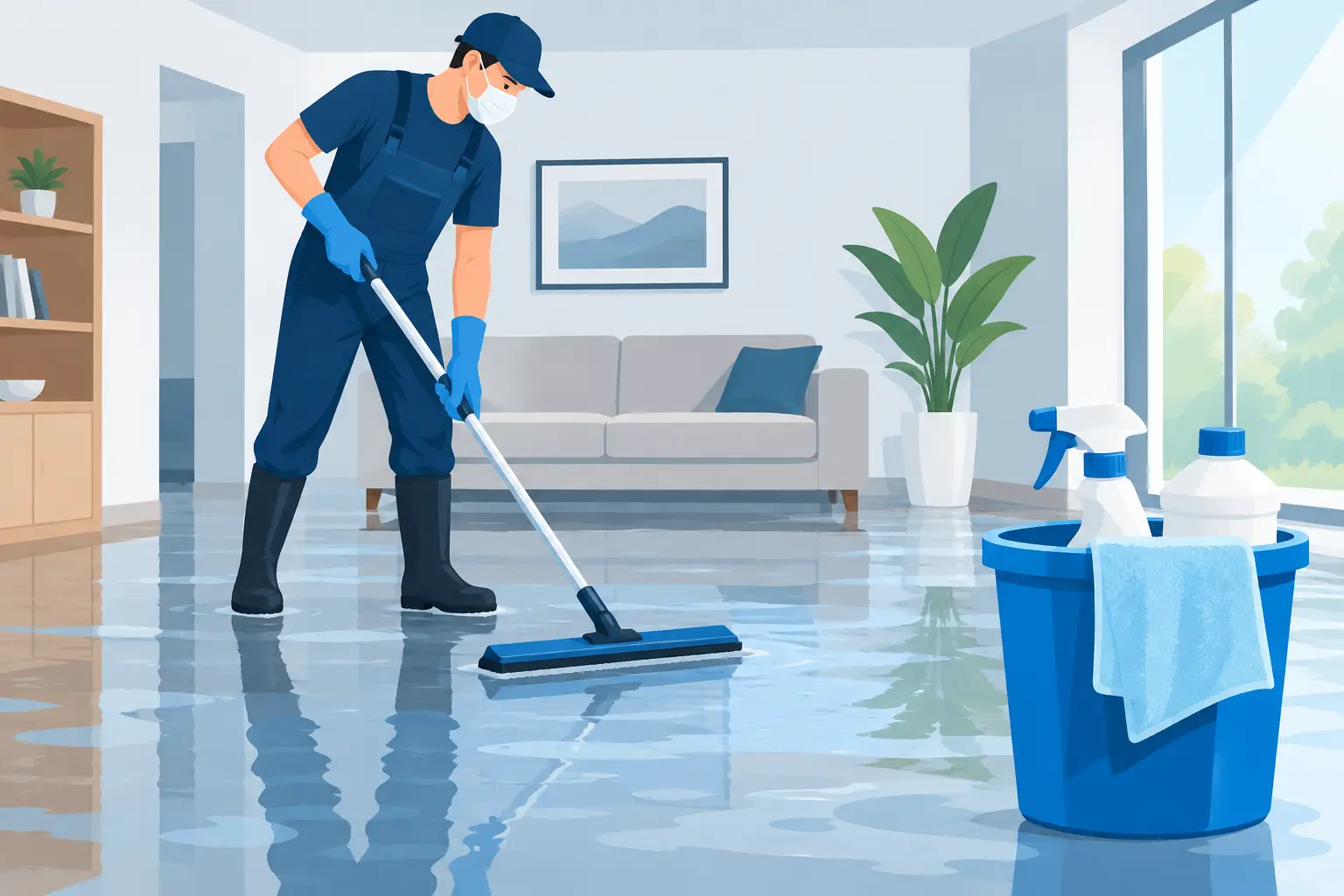
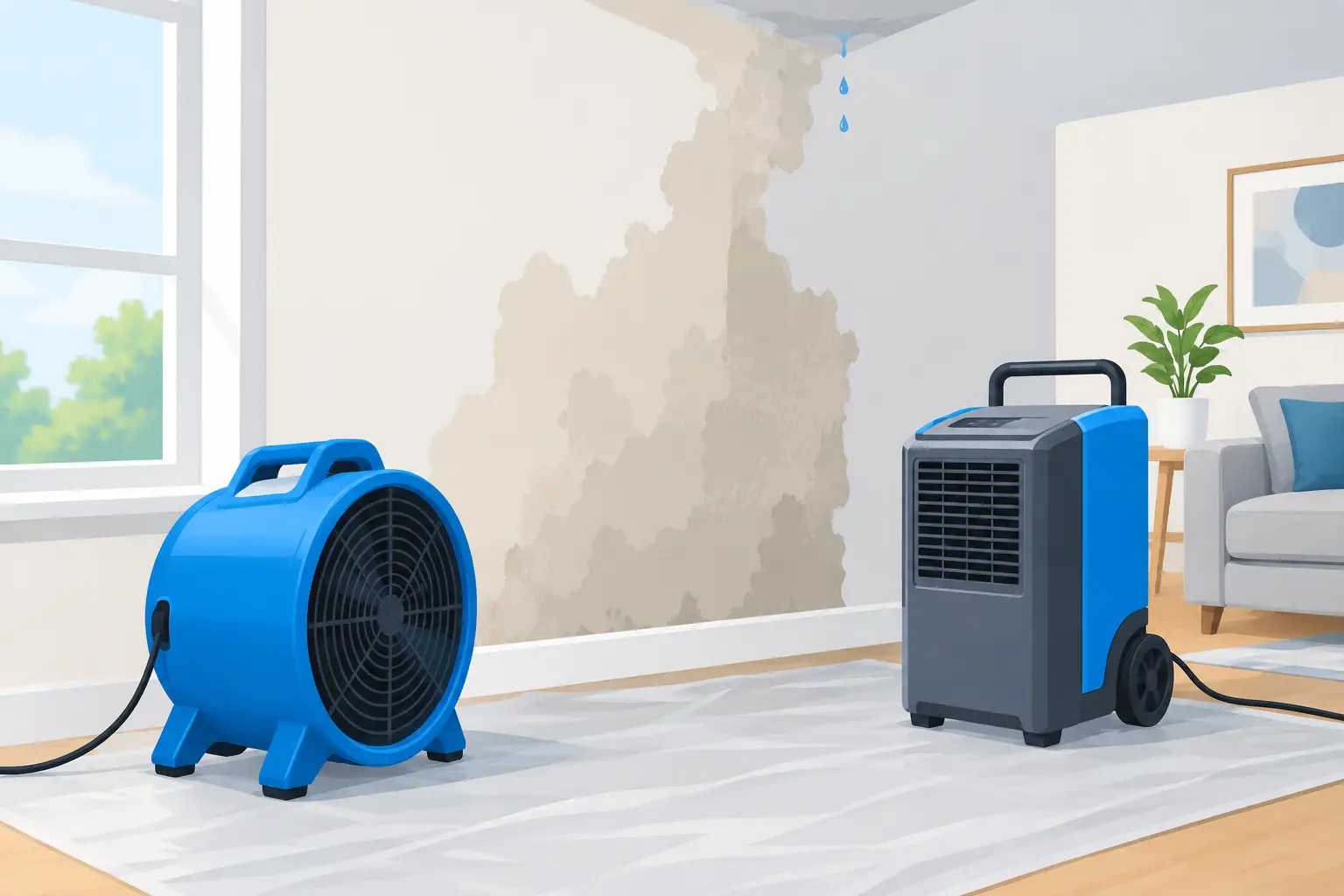
Use clean towels or a wet-dry vacuum to remove standing water from floors and wall edges. Then create controlled airflow with fans, open windows when outdoor humidity is low, and run a dehumidifier continuously. Air movement helps evaporate surface moisture, while dehumidification removes that moisture from the air so it does not settle back into building materials.
A fan alone is not always enough. In a humid basement, after a major leak, or during wet weather, the air may already hold too much moisture to dry the wall efficiently. Professional restoration teams use commercial air movers and low-grain refrigerant dehumidifiers because they can pull moisture out of structural materials far more effectively than household equipment.
Do not rely on the wall’s appearance
Drywall is porous. Water can wick upward from the floor and spread sideways beyond the visible stain. Paint may feel dry even when the gypsum core, insulation, or wood framing behind it remains damp.
A moisture meter is the most reliable way to check whether a wall is drying. Thermal imaging can also help identify temperature differences that may point to trapped moisture, though it should be confirmed with a moisture reading. Compare readings from the affected area with a known dry section of the same wall. Without testing, it is easy to assume the job is done too soon.
When Wet Drywall Can Be Saved
It depends on how much water entered the wall, how long it remained wet, and whether the insulation is affected. A small clean-water leak discovered quickly may allow drywall to dry in place. This is more likely when the water did not soak the lower portion of the wall, insulation is absent, and moisture readings return to normal within a short period.
Drywall often needs to be removed when it is soft, swollen, crumbling, sagging, or still wet after 48 hours. Cutting out affected drywall can feel drastic, but it gives the wall cavity access to airflow and allows the framing to dry. It also prevents mold from establishing itself behind a seemingly intact surface.
Wet insulation is another concern. Fiberglass insulation can lose its effectiveness when saturated and may hold moisture against framing. Cellulose insulation absorbs even more water and is frequently removed after significant water damage. Leaving wet insulation inside a closed wall can create conditions for hidden mold growth long after the surface has been repainted.
Drying the Wall Cavity Correctly
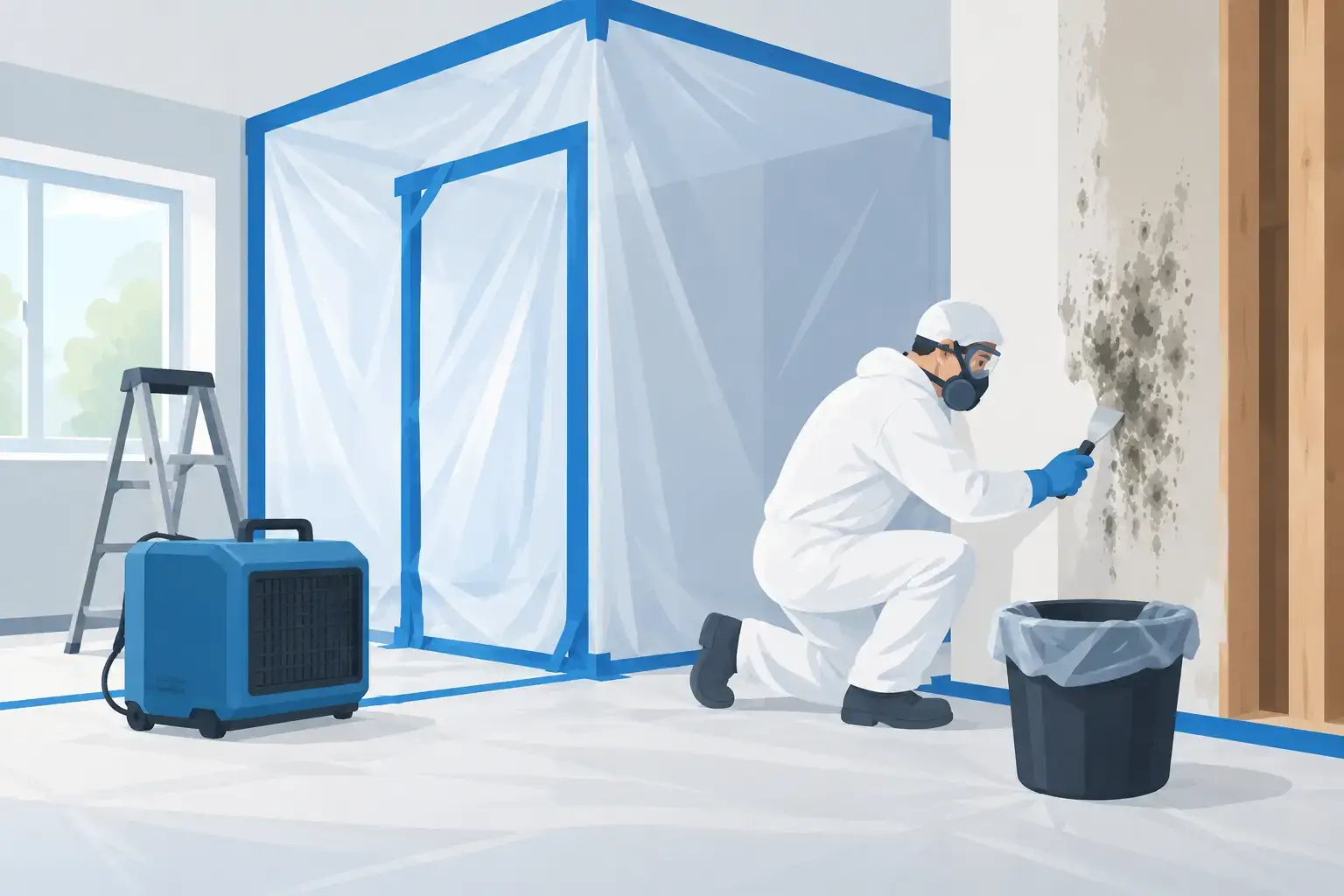
If an inspection confirms moisture inside the wall, the cavity may need to be opened. Professionals often remove baseboards and make controlled openings near the bottom of the drywall, or remove a larger section when damage is extensive. The goal is to expose wet materials without spreading dust, mold spores, or contaminated debris through the property.
Once opened, the framing should be dried with directed airflow and dehumidification. Any visible mold growth should not be simply sprayed or painted over. Porous materials with significant growth may require removal, while structural surfaces need proper cleaning using containment and HEPA filtration practices. Painting before the materials are dry can trap moisture and lead to peeling, odor, and recurring damage.
For a clean-water event caught early, drying may take several days. Larger leaks, dense building materials, high indoor humidity, and wet insulation can extend that timeline. The correct endpoint is not a calendar date. It is verified moisture levels that match dry, unaffected materials.
Preventing Mold While the Wall Dries
Mold can begin growing quickly when moisture, organic material, and poor airflow are present. Drywall paper, dust, wood, and insulation can all provide a food source. A musty odor, bubbling paint, dark spotting, or persistent dampness are warning signs that the problem may be more than a simple leak.
Keep the affected zone as dry and isolated as possible. Avoid running your central HVAC system if it could pull air from an area with visible mold or contaminated water damage. Do not place a strong fan directly on visible mold, because it can disturb spores and distribute them to other rooms.
Avoid these common shortcuts:
- Painting over a water stain before confirming the wall is dry
- Using bleach on porous drywall or insulation
- Closing the wall cavity while framing or insulation still has elevated moisture
- Assuming a dehumidifier solves a leak that is still active
- Ignoring a musty odor because no mold is visible
These measures may make the wall look better temporarily, but they do not address moisture behind the surface. A proper response identifies the source, removes unsalvageable materials, dries the structure, and verifies conditions before rebuilding.
When to Call a Water Damage and Mold Professional
Professional help is recommended when the leak affected more than a small area, water was present for over 24 to 48 hours, drywall or insulation is saturated, or there is a persistent odor. You should also call a qualified remediation team after sewage backups, floodwater intrusion, recurring roof leaks, or any event involving visible mold.
For rental properties and commercial spaces, timely documentation is equally important. Moisture readings, photos, inspection findings, and a clear drying plan help property owners demonstrate that the issue was handled responsibly. This can also reduce disputes about the source of damage or the condition of the space after repairs.
Certified remediation professionals use moisture meters, thermal imaging, HEPA air filtration, and containment systems to investigate what is happening behind walls. Mold Removal Remediation approaches water-related mold concerns by locating hidden moisture, addressing the cause, removing affected materials safely when necessary, and verifying that the area is ready for restoration.
Can I use a space heater to dry a wet wall?
A space heater can raise the room temperature, but it is not a reliable drying method by itself. Heat without dehumidification can move moisture deeper into materials or raise indoor humidity. It may also create a fire risk near wet building materials, cords, and damaged electrical components. Controlled airflow and dehumidification are the better approach.
Should I drill holes in drywall to help it dry?
Small openings can help release trapped water and provide airflow, but drilling blindly may damage wiring, plumbing, or create unnecessary repair work. If there is significant moisture inside the wall, a trained technician can determine where and how much drywall should be opened safely.
How do I know the leak has caused mold?
Visible spotting is one sign, but mold may remain hidden in wall cavities. Musty odors, recurring stains, peeling paint, unexplained moisture readings, and respiratory irritation that improves away from the property all justify a professional inspection. Testing and moisture diagnostics provide a clearer answer than visual checks alone.
The best time to protect a wall is before it looks seriously damaged. Treat every leak as a moisture investigation, not just a cleanup task, and verify that the materials behind the paint are truly dry before repairs begin.