

A brown spot around a window, a soft patch beneath a bathroom leak, or a musty odor in a finished basement can all point to the same problem: moisture has reached the drywall. Knowing how to manage moldy drywall means acting before a surface issue becomes hidden contamination inside a wall cavity, ceiling, or HVAC pathway.
Drywall is not like tile or metal. Its paper facing and gypsum core can absorb moisture, which gives mold a place to grow beneath the surface. Painting over a stain, spraying a deodorizer, or wiping it down without correcting the water source may make the problem look better temporarily, but it does not make the space safe.
Start by Finding the Moisture Source
Mold cannot continue growing without moisture. Before removing damaged drywall, identify why it became wet in the first place. Common causes include roof leaks, plumbing failures, foundation seepage, condensation on exterior walls, overflowing appliances, poor bathroom ventilation, and water intrusion around windows or doors.
Look for discoloration, bubbling paint, warped baseboards, damp insulation, peeling caulk, and recurring stains. A musty smell can also indicate hidden growth even when the drywall looks intact. In multi-unit properties and commercial buildings, the source may be above, behind, or adjacent to the visible damage, so the affected area can be larger than it appears.
A moisture meter and thermal imaging camera help determine whether material is still wet and whether moisture has traveled beyond the stain. This matters because removing only the visibly damaged section while leaving wet drywall or insulation in place can lead to another outbreak.
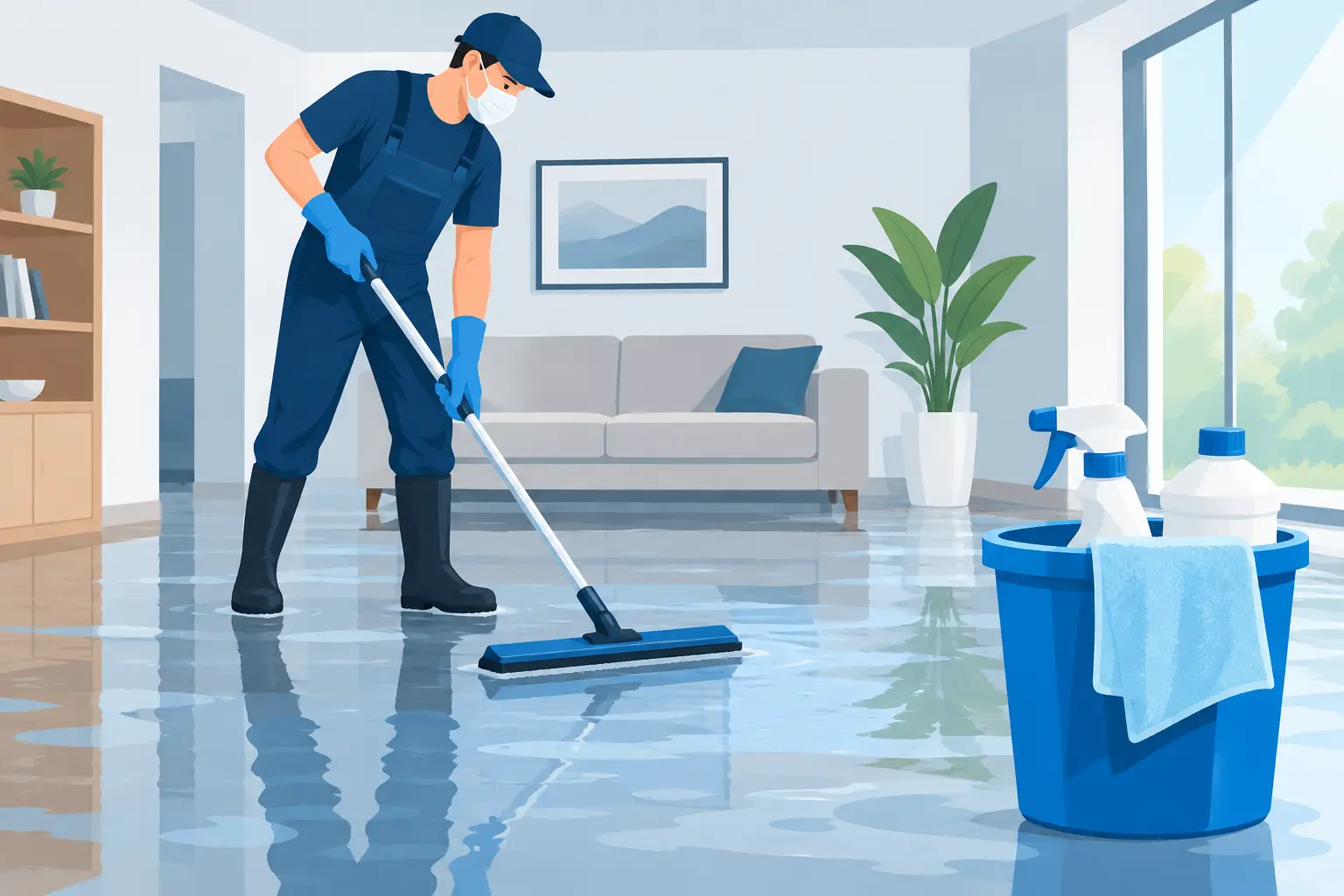
If the leak is active, stop it first. Shut off water to a leaking plumbing line, address roof damage, improve drainage, or arrange emergency water mitigation. Drying the structure quickly is often the difference between a contained repair and a larger remediation project.
Decide Whether Moldy Drywall Can Be Saved
In many cases, moldy drywall should be removed rather than cleaned. Drywall is porous, and mold roots can grow into the paper backing and gypsum. Surface cleaning may not reach contamination that has entered the material.
Replacement is usually the safer option when drywall is soft, swollen, crumbling, heavily stained, or has been wet for more than a short period. Drywall affected by sewage, floodwater, or contaminated water should also be treated as a removal issue, not a cleaning project.
A small, isolated area caused by a brief, fully repaired moisture event may sometimes be manageable with careful removal of the affected material and proper drying. However, the decision depends on the source of water, the size of the affected area, how long materials stayed wet, and whether people in the building have health sensitivities.
Do not assume a lack of visible mold means the wall is clear. Mold can grow on the back of drywall, inside insulation, and on framing while the room-side surface remains mostly unchanged.
When DIY Is Not the Right Choice
A homeowner may be able to address a very small, clearly isolated area after the moisture source has been fixed. But drywall removal can release spores and dust into occupied areas, especially when mold is extensive or hidden. Cutting into a wall without containment can spread contamination to nearby rooms and into return-air pathways.
Professional assessment is strongly recommended when mold covers more than a small area, returns after cleaning, follows a major leak or flood, or is accompanied by persistent odors. It is also the right step for rental properties, schools, offices, healthcare settings, and homes with infants, older adults, or people with asthma, allergies, or compromised immune systems.
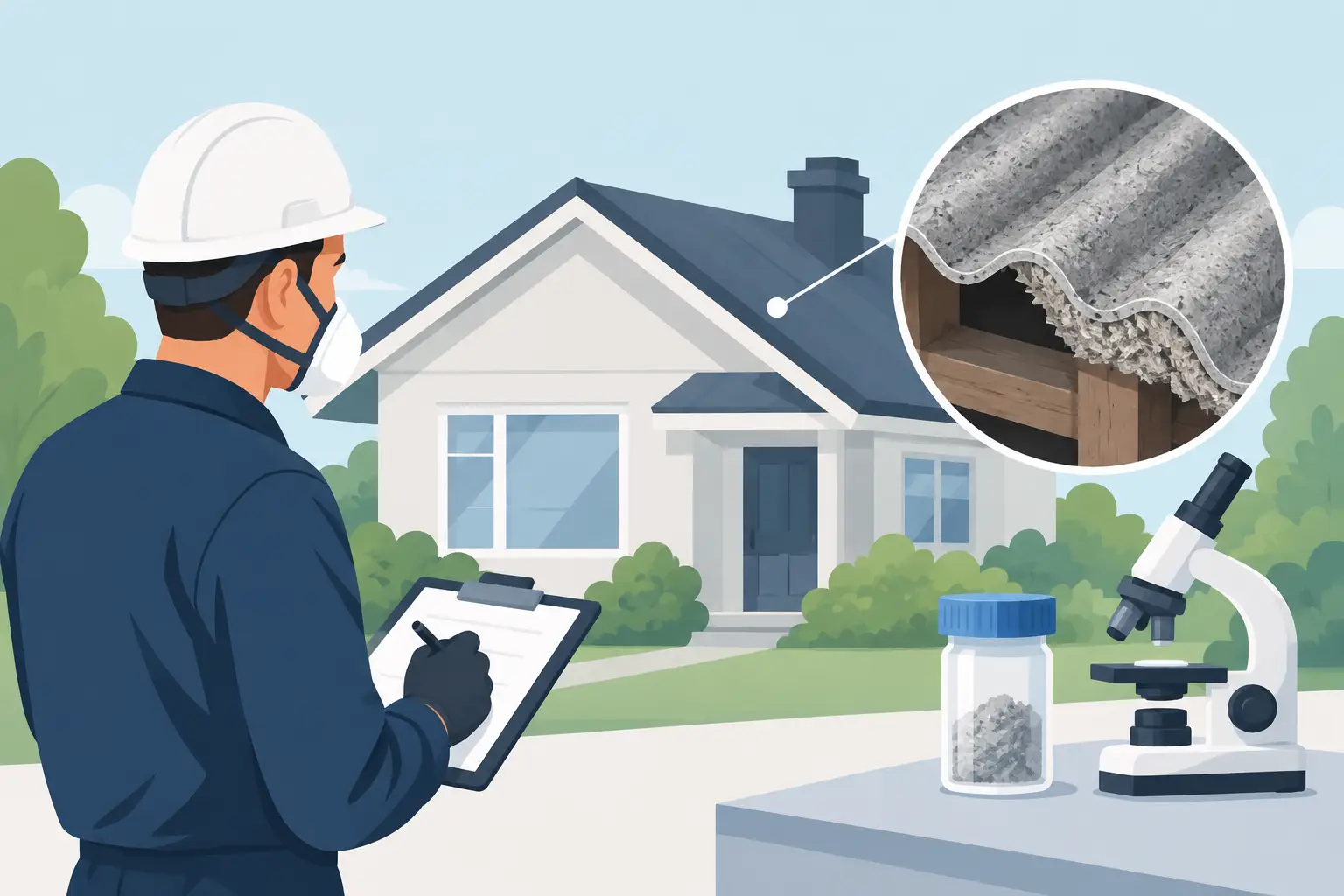
Older buildings require another level of caution. Some wall and ceiling materials, including certain joint compounds and textured finishes, may contain asbestos. If there is any possibility of asbestos-containing material, testing should be completed before demolition begins. Cutting, sanding, or disturbing suspect materials without testing can create an avoidable health hazard.
How Professionals Manage Moldy Drywall
A proper remediation process is designed to protect the rest of the building while contaminated materials are removed. The work begins with an inspection to identify moisture patterns, affected materials, and potential hidden growth. Depending on the property, this can include moisture readings, thermal imaging, air quality testing, and selective inspection openings.
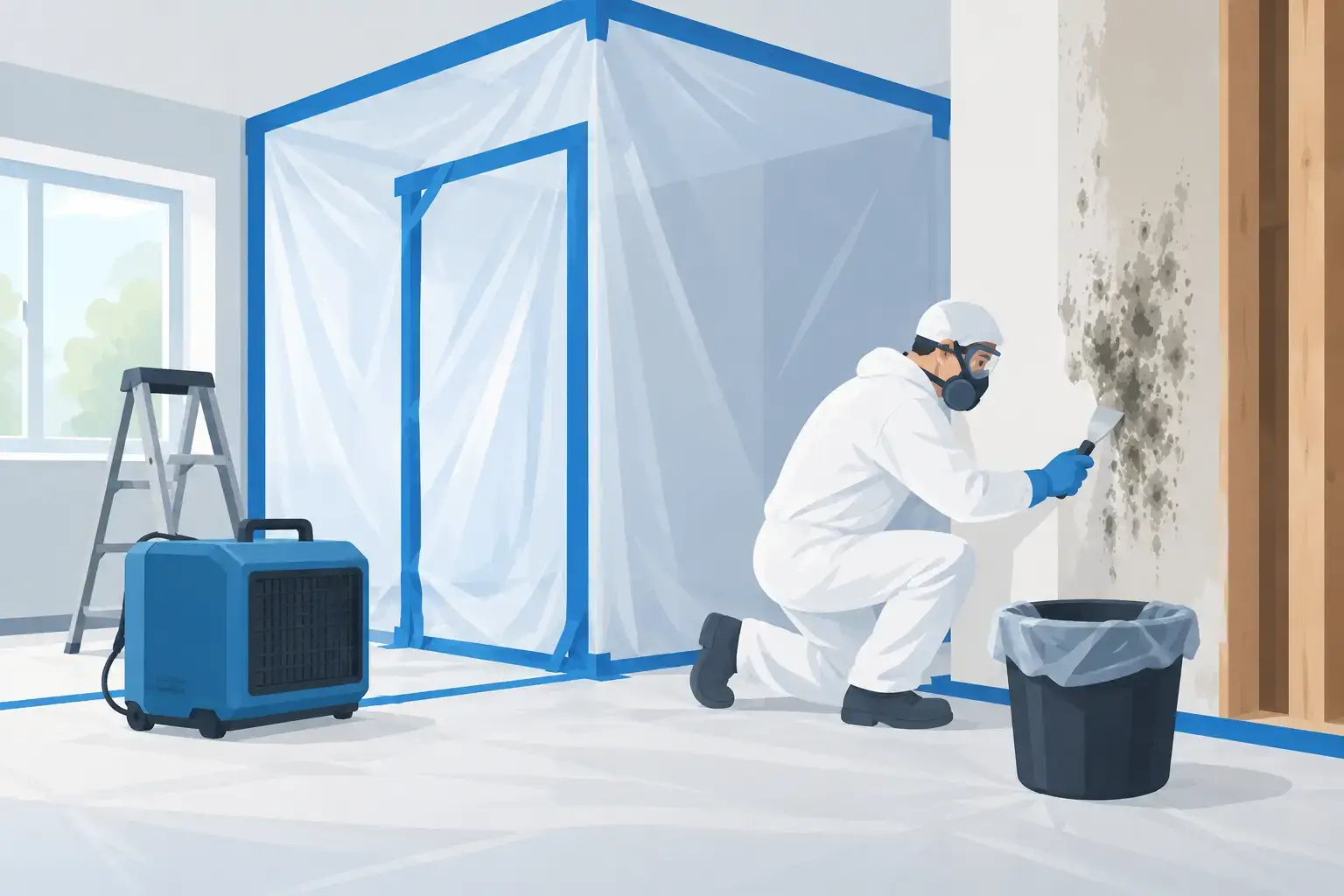
The next step is containment. Certified remediation teams isolate the work area with barriers and use negative air pressure and HEPA-filtered air scrubbers to reduce the chance of spores traveling into clean spaces. Furniture and belongings may be protected or moved, while HVAC openings near the work zone are sealed as needed.
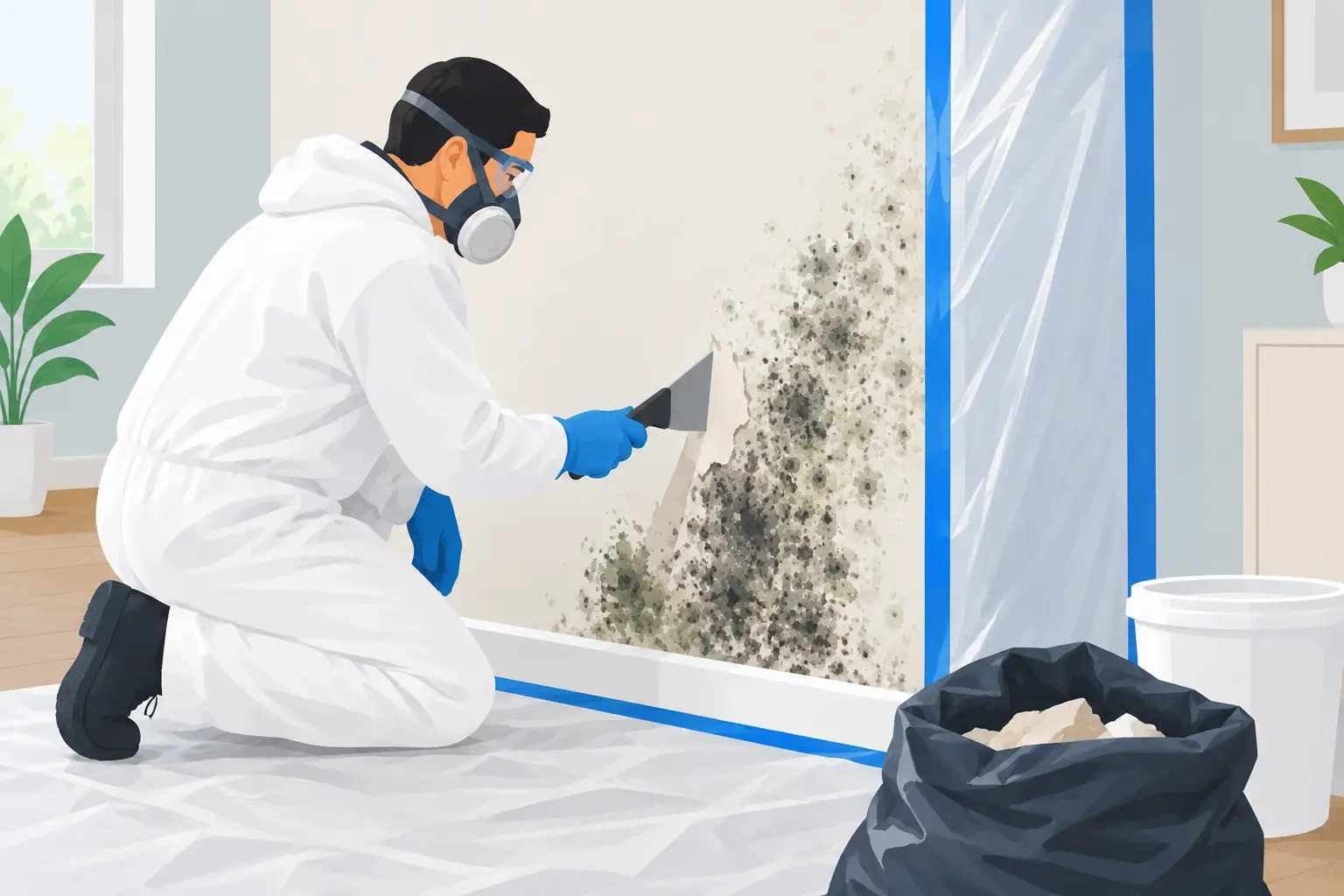
Damaged drywall is then removed in controlled sections. The goal is not to remove material at random, but to remove enough to reach clean, dry, structurally sound material. Wet or contaminated insulation, baseboards, and other porous materials may also need removal. Framing is cleaned using methods appropriate to the surface and condition, then dried to acceptable moisture levels.
After removal and cleaning, the area should be checked before reconstruction begins. Verification may involve visual inspection, moisture testing, and, when appropriate, post-remediation air quality testing. Only after the underlying moisture issue is resolved and the area is dry should new insulation, drywall, and finishes be installed.
What Not to Do With Mold-Damaged Drywall
Quick fixes often create more work later. Avoid painting over mold stains. Paint can conceal discoloration, but it does not remove fungal growth or correct damp materials behind the wall.
Do not dry-brush moldy drywall, sand it, or use a household fan to blow air across an affected area. These actions can disturb spores and spread them through the room. Bleach is also not a dependable solution for porous drywall. It may lighten visible staining, but it does not reliably penetrate and remove contamination within the material.
Avoid tearing out drywall without protective measures. At a minimum, any small-scale work requires appropriate personal protection, controlled dust practices, and careful disposal. For larger or uncertain contamination, professional containment and HEPA filtration are the safer path.
Finally, do not reinstall new drywall over damp framing. New materials can become contaminated quickly if moisture remains in the wall assembly. The repair is only as durable as the drying and source correction behind it.
Prevent Mold From Returning After Repairs
Once damaged drywall has been removed and replaced, prevention depends on controlling indoor moisture. Repair plumbing leaks promptly, keep bathrooms vented to the exterior, and use dehumidification where basements or lower levels stay damp. Indoor humidity should generally remain controlled, particularly during humid weather or after water events.
Check windows, roof penetrations, gutters, and foundation drainage seasonally. Water should move away from the structure, not collect near the foundation. In commercial spaces, establish a clear reporting process so staff or tenants can report leaks, condensation, or musty odors before materials remain wet for days.
For landlords and property managers, documentation also matters. Record the initial condition, moisture source, inspection findings, remediation scope, drying results, and repair dates. Clear records help demonstrate that the issue was addressed thoroughly rather than covered up.
A Fast, Safe Response Protects the Building
Moldy drywall is rarely just a cosmetic issue. It is a signal that moisture has entered part of the building envelope or plumbing system and needs attention. The safest response is to stop the water, assess the full extent of damage, remove porous materials that cannot be reliably cleaned, and confirm the area is dry before rebuilding.
If you are unsure how far the damage extends, a certified inspection can provide clarity before demolition, costly repairs, or tenant complaints make the situation more difficult. Acting early protects indoor air quality, preserves building materials, and gives you a cleaner path back to a safe, usable space.