


A musty smell that will not go away, recurring allergy-like symptoms, or stains that keep returning after cleanup usually point to a larger problem than surface dirt. Indoor air quality testing mold concerns often starts with one question: is there mold in the air, and if so, how serious is it? For homeowners, landlords, property managers, and business owners, the answer matters because airborne spores can signal hidden growth, unresolved moisture, and a problem that will keep spreading until the source is found.
What indoor air quality testing for mold actually tells you
Indoor air quality testing for mold is used to measure and assess mold spores and other particulates in the air inside a building. On its own, a lab report does not remove mold or identify every hidden colony behind walls. What it does well is provide evidence. It helps show whether indoor spore levels are elevated, whether the types of spores indoors differ from outdoor baseline levels, and whether contamination is likely active inside the property.
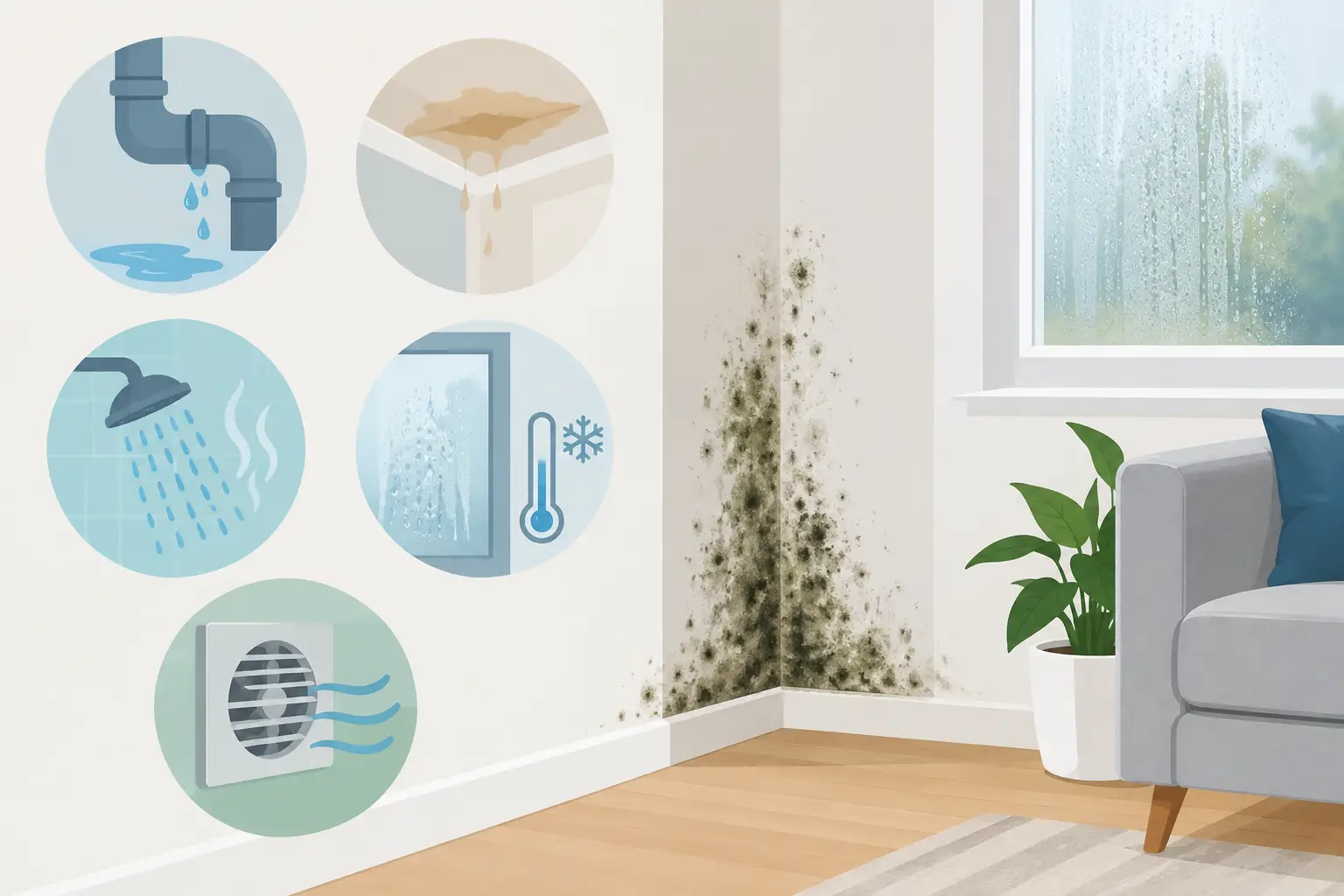
That distinction matters. Visible mold is only part of the picture. In many properties, the larger issue is hidden growth caused by roof leaks, plumbing failures, poor ventilation, condensation, or previous water damage that was never dried correctly. Air testing can help confirm that contamination is affecting occupied spaces even when the source is not obvious.
Testing is also valuable after remediation. If mold removal has been completed properly, post-remediation air sampling can help verify that airborne spore levels have returned to normal conditions and that the containment, cleaning, and filtration process was effective.
When mold air testing makes sense
Not every property needs air sampling first. If there is heavy visible mold on drywall, ceilings, or insulation, the contamination is already confirmed and the focus should shift quickly to containment, moisture detection, and remediation. In those cases, testing may still be useful, but it is not the starting point.
Where testing becomes especially useful is when symptoms and building conditions suggest a hidden problem. A persistent musty odor, complaints from tenants or staff, a history of flooding, HVAC concerns, or ongoing moisture around windows, basements, attics, and crawl spaces are all common triggers. Testing can also support documentation for landlords, property managers, and commercial operators who need a clear record of environmental conditions.
There is a trade-off here. Air sampling is a snapshot in time. Mold spore levels can fluctuate based on weather, airflow, HVAC operation, occupancy, and recent disturbance of contaminated materials. That is why reliable testing should be part of a broader inspection process, not treated like a stand-alone answer.
Why inspection matters as much as testing
A professional mold investigation should combine air quality data with a physical inspection of the building. Certified technicians use moisture meters, thermal imaging, humidity readings, and direct observation to identify where water intrusion is happening and which materials may be affected.
This is where many property owners lose time and money. A low-cost test without a proper inspection can produce numbers but still miss the reason mold is present. If the moisture source is left unresolved, mold can return even after cleaning. The goal is not just to collect samples. The goal is to identify the conditions that allow mold to grow and build a remediation plan around those findings.
For example, an elevated airborne spore count in a basement may point to foundation seepage, poor ventilation, or hidden contamination behind finished walls. In a commercial unit, the same result could be tied to rooftop leaks, HVAC condensation, or plumbing inside shared walls. The test result matters, but context matters just as much.
How the indoor air quality testing mold process works
The process usually begins with a visual walkthrough and discussion of the property history. This includes past leaks, flooding, renovation work, recurring odors, health complaints, and any previous cleanup attempts. From there, the inspector identifies likely sampling locations and moisture-prone areas.
Air samples are then collected using calibrated equipment. In most cases, at least one outdoor control sample is taken for comparison. Indoor samples are collected in areas of concern and sometimes in unaffected areas to help establish whether contamination appears localized or more widespread.
Those samples are sent to a laboratory for analysis. The lab identifies mold spore types and concentrations, and the findings are interpreted alongside inspection notes. If needed, surface samples or cavity samples may also be recommended, especially when visible growth is present or hidden contamination is strongly suspected.
A strong report should do more than list spores. It should explain what the findings likely mean for the building, whether indoor conditions appear abnormal, and whether remediation, additional invasive inspection, or moisture control measures are recommended.
What results can and cannot prove
One of the biggest misconceptions about air testing is that it can tell you exactly where mold is growing. It usually cannot. Elevated counts may show that mold is present in the indoor environment, but they do not always pinpoint the source. The source still has to be found through inspection and, in some cases, selective opening of affected materials.
It is also possible to have a real mold problem with limited air test results. If contamination is sealed inside a wall cavity or attic and spores are not actively moving into occupied space, the sample may not fully reflect the extent of growth. That does not mean the problem is harmless. It means testing has limits.
On the other hand, strong results can help validate concerns that are otherwise difficult to prove. If occupants report irritation, odors, or recurring health complaints and indoor spore levels are clearly elevated compared to outdoors, that information can support urgent next steps.
Why DIY mold tests often fall short
Do-it-yourself mold kits are widely available, but they rarely provide the clarity property owners need. Many settle plates and consumer kits collect random spores that naturally exist in most environments. Without professional interpretation, moisture mapping, and an outdoor baseline, the results can create confusion rather than answers.
The real risk with DIY testing is false reassurance or unnecessary alarm. A kit may suggest mold is present without telling you whether the levels are abnormal, where the issue is coming from, or what should happen next. In a property with active water damage, delaying a proper inspection can allow contamination to spread deeper into drywall, insulation, wood framing, and HVAC components.
For buildings with occupants, tenants, employees, or customers, the safer approach is to rely on trained professionals who understand sampling strategy, building science, and remediation standards.
What happens after mold is confirmed
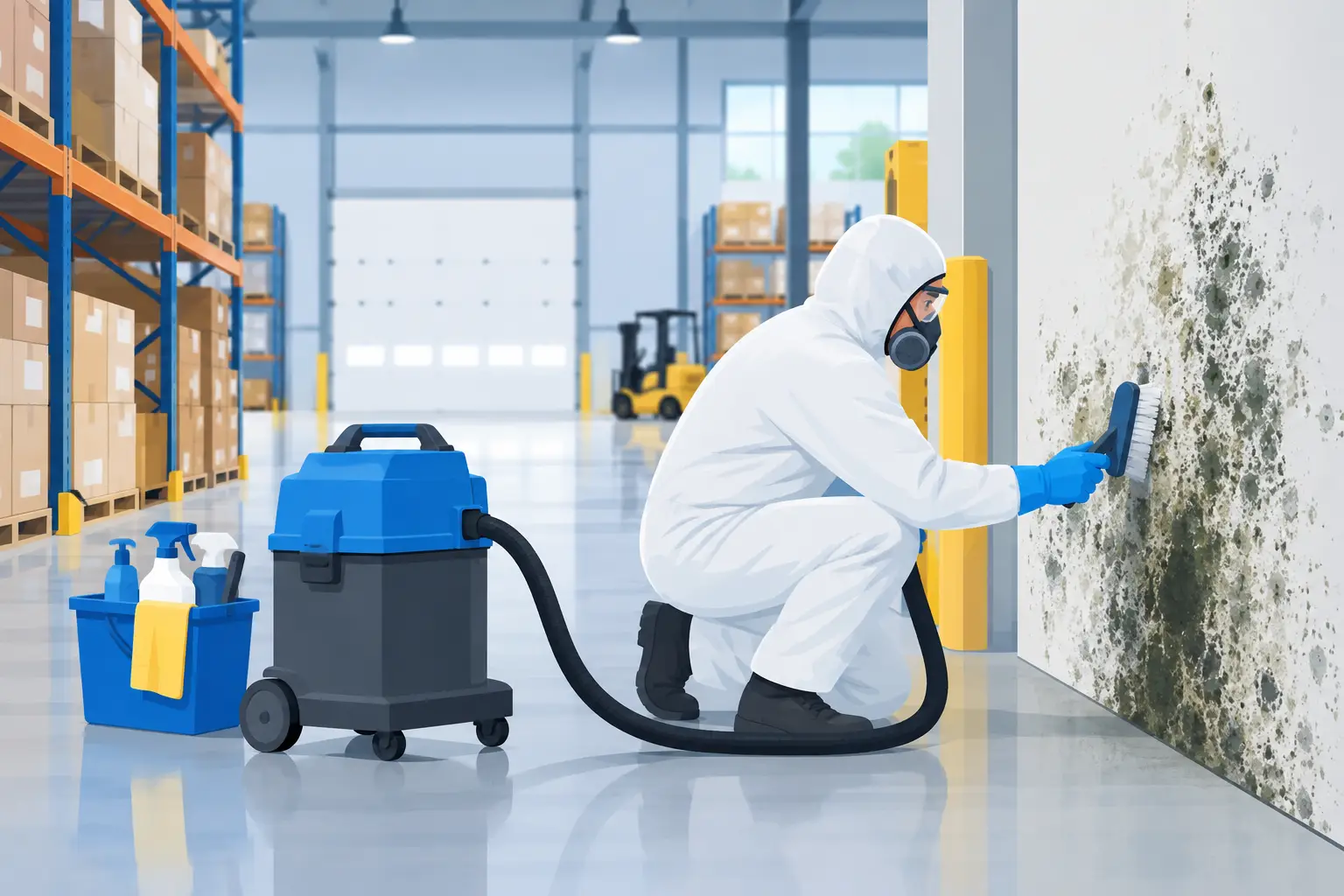
If testing and inspection indicate active contamination, the next step is remediation based on the size and location of the affected area. Safe mold removal is not a matter of spraying chemicals on visible spots. It requires controlling the work area, preventing cross-contamination, removing damaged porous materials when necessary, cleaning remaining surfaces, filtering the air with HEPA equipment, and correcting the moisture source.
This is where certified remediation matters. Negative air pressure, containment barriers, PPE, detailed cleaning, and post-remediation verification are all part of a proper process. A company such as Mold Removal Remediation approaches the problem end to end: inspect the building, identify hidden moisture, remove contamination safely, and validate the result with testing when appropriate.
That complete approach protects more than indoor air. It protects property value, supports tenant safety, and reduces the chance of repeat damage.
Choosing the right testing and remediation partner
When you are hiring a company for mold-related indoor air quality work, credentials and process should carry more weight than price alone. You want a team that can inspect, test, interpret results, and remediate if needed. Certifications, documented procedures, commercial-grade equipment, and a clear explanation of findings are good signs that the company is treating the issue seriously.
It also helps to work with a provider that understands both residential and commercial environments. A small bathroom mold issue and a multi-unit building complaint require different planning, documentation, and containment strategies. The right partner will explain those differences clearly and recommend only the testing that makes sense for your situation.
If you suspect hidden mold, the most practical next step is not guessing, waiting, or cleaning the same area again. It is getting a qualified inspection that looks at the air, the moisture conditions, and the building as a whole. The sooner the problem is defined accurately, the sooner it can be corrected safely.