

A bathroom wall can look clean after a quick spray, then develop dark spots again a few weeks later. That is the difference between surface cleaning and real remediation. When people ask what kills mold permanently, the answer is not a single chemical or household product. Permanent results come from removing active mold growth, addressing contaminated materials when necessary, correcting the moisture problem that fed it, and confirming the affected area is clean and dry.
Mold spores exist naturally in outdoor and indoor air. The goal is not to create a completely spore-free building, which is unrealistic. The goal is to stop abnormal indoor mold growth and prevent it from returning. For homeowners, landlords, property managers, and business owners, that requires more than wiping away what is visible.
What Kills Mold Permanently?
Mold needs moisture, a food source, and time to grow. Building materials such as drywall paper, insulation, ceiling tiles, carpeting, wood framing, and dust can provide that food source. A plumbing leak, roof leak, flood, poor ventilation, condensation, or a wet foundation supplies the moisture.
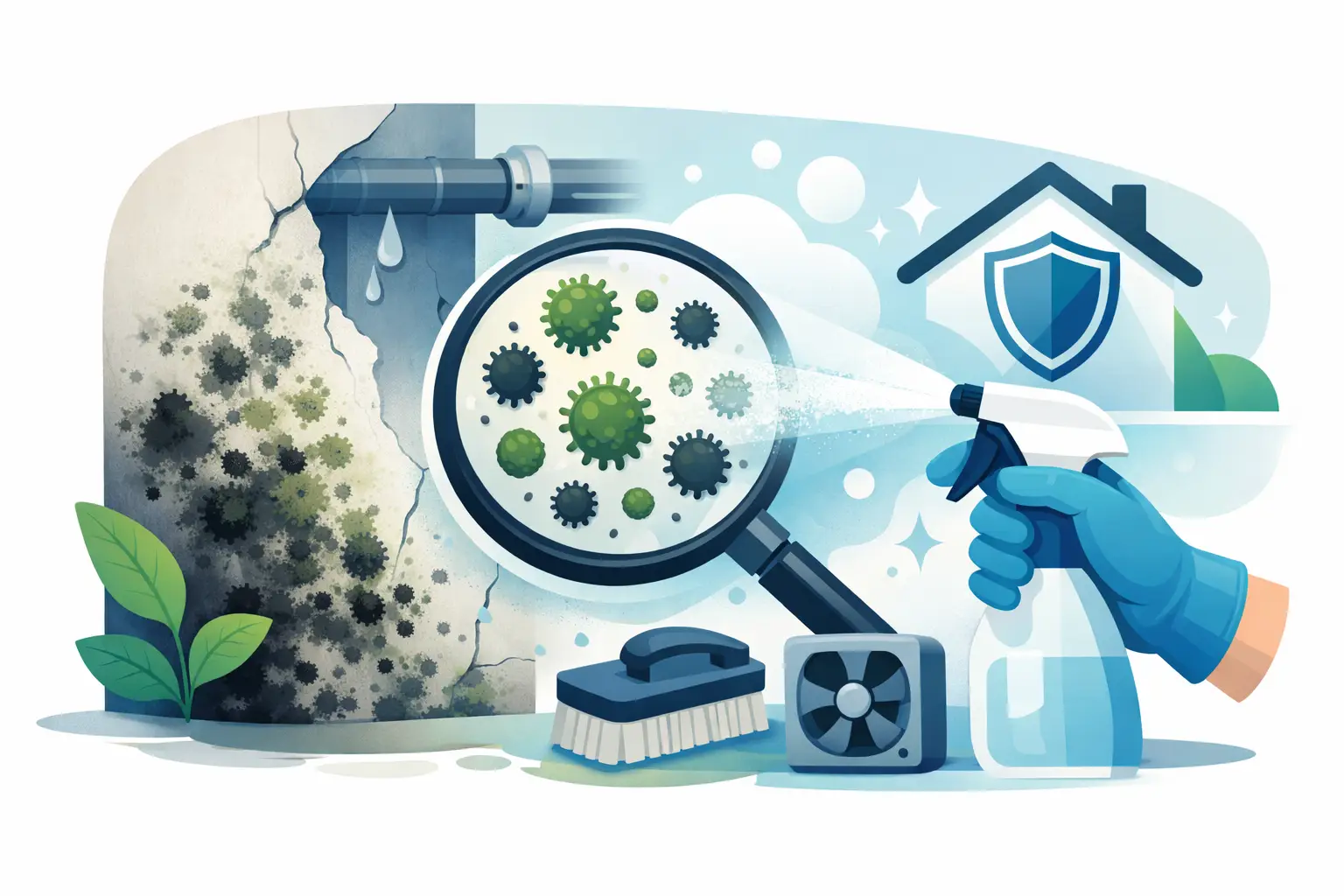
Removing only the visible stain does not necessarily remove the mold roots, airborne particles, or hidden growth behind the wall. It also does nothing to stop the leak or humidity condition that caused the problem. The most reliable approach combines four parts: moisture correction, safe removal, detailed cleaning, and post-remediation verification.
If any one of these steps is skipped, the mold may return. For example, replacing stained drywall without repairing a slow pipe leak can lead to another outbreak inside the same wall cavity. Cleaning a basement wall without managing water intrusion or indoor humidity creates the same risk.
Moisture control is the permanent solution
No mold treatment lasts if the affected materials continue getting wet. The first priority is identifying where the moisture is coming from and stopping it. In some cases, the source is obvious, such as a burst supply line or a roof leak after a storm. In others, it may be concealed behind finishes, under flooring, around windows, or inside an HVAC system.
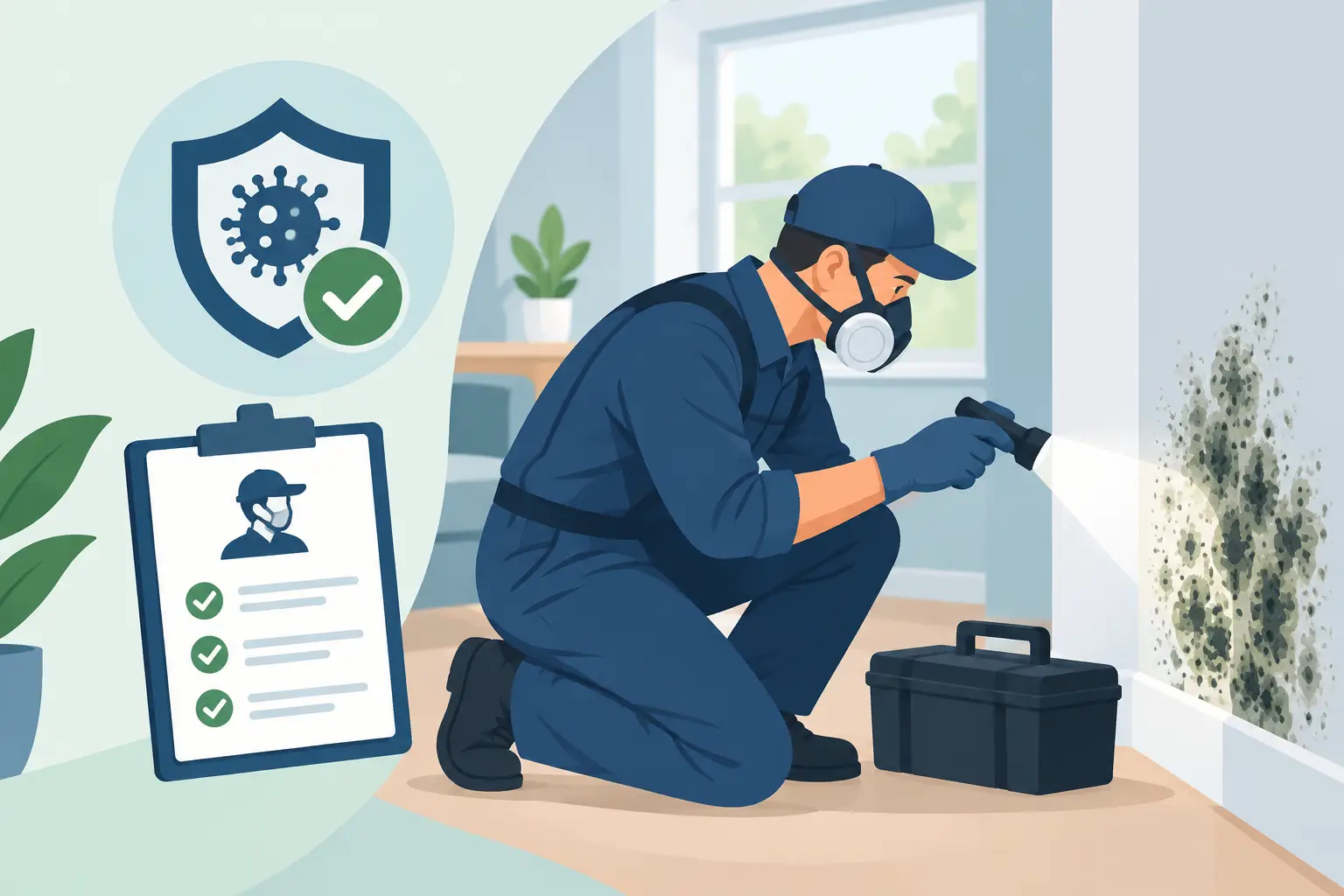
Professional inspections use moisture meters and thermal imaging to locate damp building materials that cannot be identified by sight alone. These tools help distinguish a surface stain from an active moisture issue behind drywall or beneath flooring.
The correct repair depends on the cause. It may involve plumbing repair, roof repair, improved drainage, foundation waterproofing, better attic ventilation, exhaust fan upgrades, insulation adjustments, or dehumidification. Indoor relative humidity should generally be kept low enough to avoid condensation, especially in basements, bathrooms, laundry rooms, and poorly ventilated spaces.
Removal matters more than spraying
Many people reach for bleach, vinegar, hydrogen peroxide, or an over-the-counter mold spray. These products can help clean small, nonporous surfaces when the underlying moisture issue has been resolved. However, they are not a universal answer for mold embedded in porous materials.
Bleach is especially misunderstood. It may lighten discoloration on tile, glass, or other hard surfaces, but it does not reliably penetrate porous drywall, unfinished wood, carpeting, insulation, or ceiling tiles. Adding moisture to these materials can also make the situation worse if drying is not handled properly. Never mix bleach with ammonia, acids, or other cleaning products, as dangerous fumes can result.
When mold has grown into porous materials, permanent remediation may require controlled removal and replacement. That can include sections of drywall, insulation, carpet padding, damaged subflooring, or ceiling tile. Salvageable structural materials, such as framing, may be HEPA vacuumed, cleaned using appropriate methods, and dried before encapsulation or reconstruction when warranted.
Why Hidden Mold Often Comes Back
A musty odor after cleaning is a warning sign that the problem may not be limited to the visible surface. Mold can grow behind baseboards, inside wall cavities, under laminate flooring, above ceiling panels, around window frames, and beneath wet carpeting. In commercial properties, it can also spread through areas affected by plumbing failures, roof leaks, or HVAC condensation.
Hidden contamination is one reason do-it-yourself cleanup sometimes fails. Disturbing moldy drywall or insulation without containment can spread particles into adjacent rooms. Fans and ordinary household vacuums can move particles rather than capture them. This is particularly concerning in occupied homes, rental units, offices, schools, and healthcare-adjacent settings where indoor air quality needs careful management.
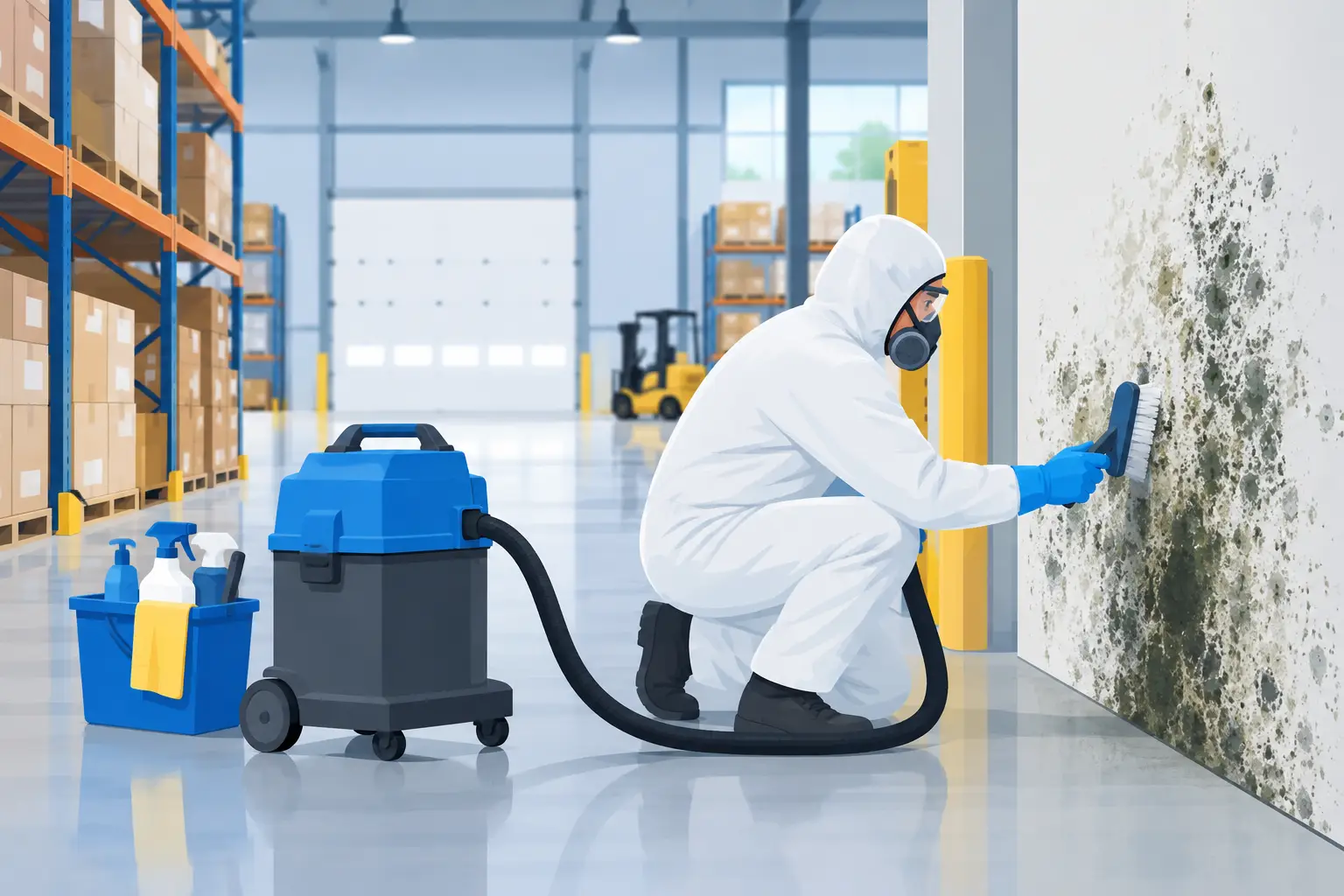
A qualified remediation team begins by defining the affected area and assessing how far moisture and contamination have traveled. For larger or concealed conditions, the work area is isolated with containment barriers. Negative air pressure and HEPA-filtered air scrubbers help keep airborne particles from migrating to unaffected areas. Workers use appropriate protective equipment, and contaminated debris is carefully bagged and removed.
This is not unnecessary complexity. It is how a localized moisture problem is prevented from becoming a whole-building cleanup issue.
The Process That Prevents Mold From Returning
A lasting mold solution follows a sequence. The order matters because cleaning before controlling moisture is rarely effective.
1. Inspect the damage and identify the source
A thorough inspection looks for visible growth, water staining, elevated moisture readings, musty odors, and conditions that support mold. The assessment should identify the source of water and determine whether hidden areas need to be opened for inspection.
Air or surface testing can be useful in certain situations, particularly when contamination is suspected but not visible, occupants report persistent symptoms, or documentation is needed for a property transaction or commercial setting. Testing alone does not remove mold, and it should not replace a physical inspection.
2. Stop the water and dry the structure
The water source must be repaired or controlled before remediation is complete. Wet materials should be dried promptly with professional drying equipment when they can be safely saved. Materials that remain wet too long, have extensive mold growth, or cannot be adequately cleaned may need removal.
Drying is more than placing a fan in the room. Professionals monitor moisture content and drying conditions so the building materials reach an acceptable dry standard. This helps prevent mold from regrowing inside a closed wall or beneath a newly installed floor.
3. Contain, remove, and clean correctly
The remediation method depends on the size of the affected area, the material involved, the extent of water damage, and the people using the building. A small amount of mold on a hard bathroom surface may be manageable with careful cleaning and ventilation improvements. Widespread mold, sewage-related water damage, recurring growth, or contamination inside walls requires a more controlled response.
Professional removal typically includes containment, HEPA air filtration, removal of unsalvageable porous materials, HEPA vacuuming, detailed cleaning of remaining surfaces, and disposal practices designed to prevent cross-contamination. Antimicrobial products may be used as part of the process, but they support remediation rather than replace physical removal and drying.
4. Verify the remediation before rebuilding
A room can look clean while elevated moisture remains in the structure. Before rebuilding, the area should be visually inspected, dried, and free of dust and debris associated with remediation. Depending on the project, post-remediation verification or clearance testing can provide additional confirmation that the work area meets the remediation objective.
For landlords and commercial property managers, this documentation can be particularly valuable. It demonstrates that the issue was addressed systematically rather than covered up with paint or surface cleaner.
When to Call a Certified Mold Professional
Small, isolated spots on a nonporous surface may be cleaned safely if the area is dry, the source of moisture is corrected, and there is no evidence of spread. But professional help is the safer choice when mold covers a large area, returns after cleaning, follows flooding or a major leak, appears inside HVAC components, or is suspected behind walls or under floors.
You should also arrange an inspection if there is a persistent musty smell, peeling paint, warped flooring, recurring condensation, unexplained water stains, or tenant and employee complaints about indoor air quality. These signs do not always mean mold is present, but they justify a proper assessment before the damage grows.
Mold Removal Remediation approaches these situations as an indoor environmental and moisture-control problem, not simply a cleaning job. Certified inspection, containment, HEPA filtration, moisture detection, removal, and verification work together to protect the building and the people inside it.
The practical answer is simple: mold is stopped for good when the moisture is stopped for good. If stains, odors, or water damage keep returning, treat that pattern as a reason to investigate the building, not as a reason to use a stronger spray.