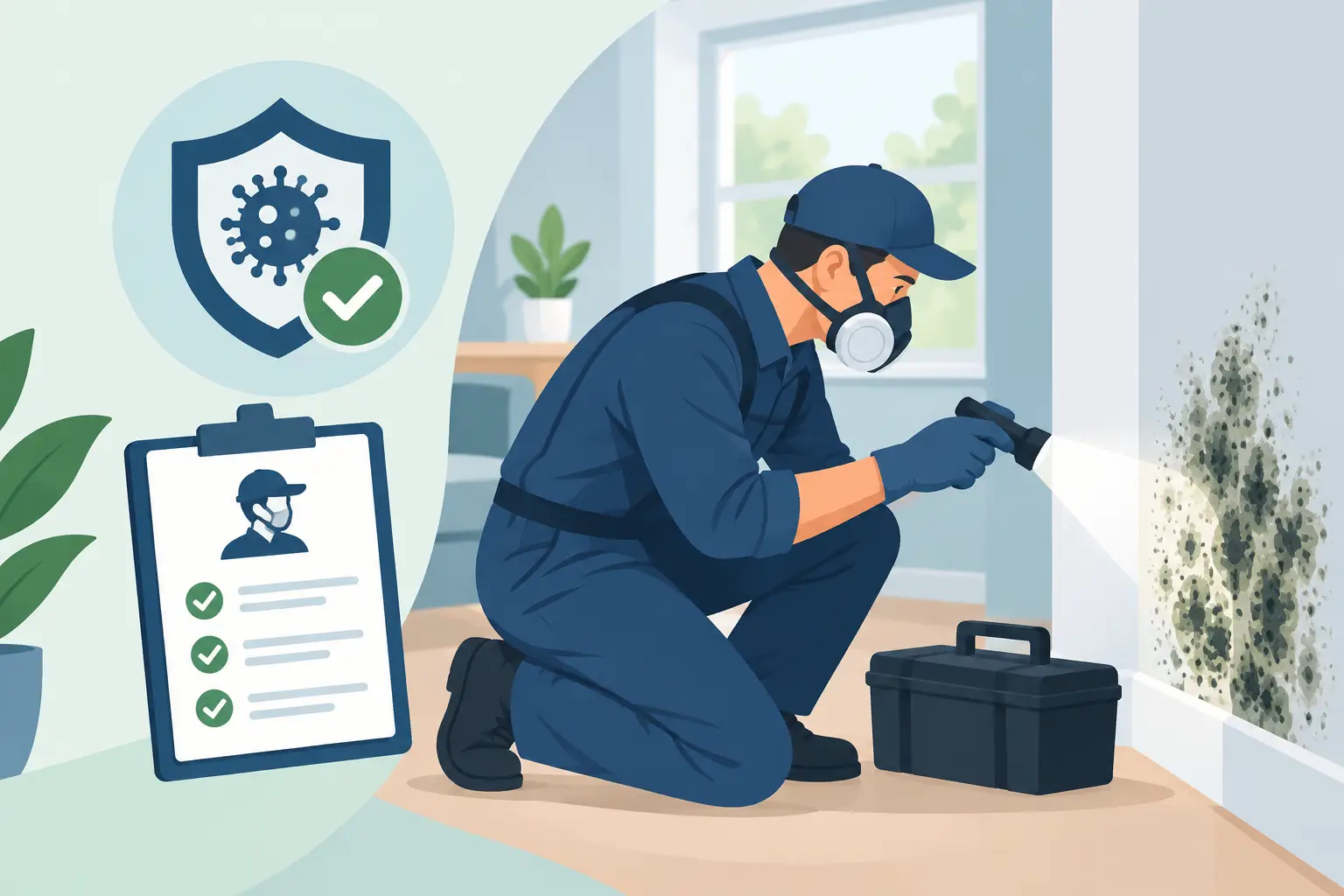



A musty smell that will not go away, allergy symptoms that flare up indoors, or a recent leak behind the wall – these are the moments when to test air for mold becomes a real question, not a theoretical one. Many property owners wait for visible growth before taking action, but mold does not always stay in plain sight. In homes, rentals, offices, and commercial spaces, airborne spores can point to a hidden moisture problem long before the damage is obvious.
When to Test Air for Mold
Air testing makes the most sense when there is a reason to suspect hidden contamination or when you need documentation to support a remediation decision. It is not always the first step in every case. If mold is clearly visible on a small, isolated surface, the bigger priority is identifying the moisture source and determining whether the contamination extends beyond what you can see.
Where air testing becomes valuable is in the gray area. You smell mold but cannot find it. Occupants report coughing, congestion, headaches, or irritation that improve when they leave the property. There was flooding, a roof leak, a plumbing failure, or a recurring condensation issue. A tenant has filed a complaint, a buyer wants reassurance, or a property manager needs defensible evidence before scheduling remediation. In those situations, indoor air sampling can help confirm whether mold spores are elevated and whether further investigation is warranted.
Testing is also useful after professional remediation. Post-remediation air sampling helps verify that containment, removal, and cleaning were effective and that normal indoor conditions have been restored. For many homeowners and commercial clients, that clearance step provides peace of mind and a stronger record of due diligence.
Signs You Should Not Ignore
The strongest indicator is often odor. If a room smells earthy, damp, or stale even after cleaning and ventilation, hidden mold is possible. Mold can grow behind drywall, under flooring, above ceiling tiles, inside HVAC areas, and around insulation where moisture has been trapped for weeks or months.
Water damage is another major trigger for testing. It does not have to be a dramatic flood. Slow leaks under sinks, around windows, behind appliances, or from rooftop equipment can create enough moisture for microbial growth. If materials stayed wet for more than 24 to 48 hours, the risk goes up quickly.
Health complaints matter too, especially when they follow a pattern. If family members, tenants, or staff notice more symptoms in one part of the building or at certain times of day, air quality testing may help narrow the issue. Air testing cannot diagnose a medical condition, but it can support the environmental side of the investigation.
There are also situations where documentation matters as much as the findings. Real estate transactions, tenant disputes, insurance discussions, workplace concerns, and post-remediation verification often call for a professional inspection supported by measurements and lab analysis.
When Air Testing Helps Most After Water Damage
One of the clearest answers to when to test air for mold is after water intrusion that affected hidden building materials. If a pipe burst inside a wall cavity, if rain entered through the roof, or if a basement stayed damp after flooding, visual inspection alone may miss what is happening behind finishes.
In these cases, a qualified inspector typically does more than collect air samples. Moisture mapping, thermal imaging, and direct readings from moisture meters help identify where water migrated and whether materials are still wet. Air testing works best as part of that broader process, not as a stand-alone shortcut.
Timing matters. Testing too early, before conditions stabilize or before wet materials are addressed, can produce results that are less useful. On the other hand, waiting too long can allow contamination to spread. A professional assessment helps determine whether immediate containment, material removal, or sampling should come first.
What Air Testing Can and Cannot Tell You
This is where property owners often get mixed messages. Air testing can measure the types and concentration of mold spores in the indoor environment and compare them with outdoor control samples. That can help identify abnormal indoor conditions and support the case for hidden growth.
What it cannot do is tell you the full extent of damage on its own. A normal sample does not always mean there is no mold somewhere in the building. Airflow, HVAC operation, recent cleaning, weather, and the location of hidden growth can all affect results. Likewise, an elevated spore count points to a problem, but it does not replace a full inspection.
That is why certified professionals treat air sampling as one tool among several. The most reliable diagnosis comes from combining occupant concerns, building history, moisture detection, visual evidence, and lab data.
Situations Where Air Testing May Not Be the First Priority
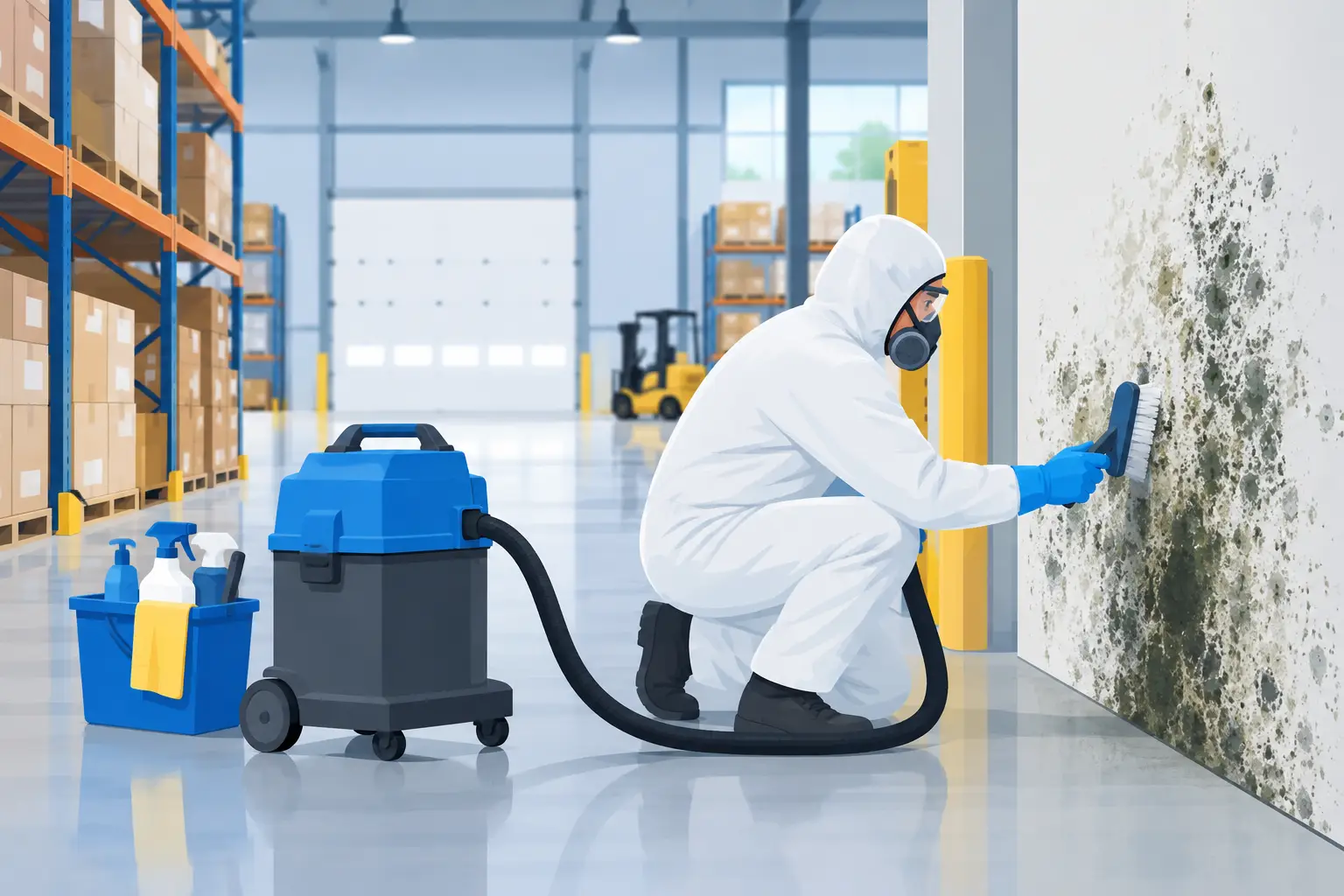
If there is heavy visible mold growth on walls, ceilings, insulation, or contents, the immediate concern is usually containment and safe remediation. In that scenario, testing may still be helpful, but the presence of contamination is already obvious. Spending time debating the air sample while the mold remains active can delay the response.
The same is true when moisture problems are ongoing. If a roof is still leaking or a plumbing line is still wetting materials, the first job is to stop the source. Testing before the building conditions are controlled may confirm a problem you already know exists without moving the project forward.
A professional inspection can help decide whether testing should happen before remediation, during the investigative phase, or after cleanup for clearance.
Why Professional Testing Matters
DIY mold kits appeal to many property owners because they seem quick and inexpensive. The problem is that they often lack context. Mold spores exist everywhere to some degree, so a simple positive result does not answer the real question: is there an abnormal indoor mold condition caused by hidden growth and moisture?
Professional testing is more disciplined. Sampling locations are chosen based on the building layout, complaint areas, moisture history, and ventilation patterns. Outdoor control samples are used for comparison. Chain-of-custody procedures and accredited lab analysis add credibility. Most important, the results are interpreted by someone who understands remediation thresholds, building science, and contamination pathways.
For landlords, commercial owners, and managers, that level of documentation is especially important. It supports decision-making, helps communicate clearly with occupants, and shows that the issue was evaluated responsibly.
What to Expect During a Mold Air Test
A proper visit usually starts with questions. When did the odor begin? Was there a leak, flood, or condensation issue? Are symptoms occurring in one room or throughout the property? Has anyone cleaned visible mold or painted over stains? Those details shape the investigation.
From there, the inspector looks for moisture sources and signs of concealed damage. They may use thermal imaging to identify temperature differences that suggest hidden dampness, moisture meters to confirm readings in walls or flooring, and visual inspection to assess HVAC components, window perimeters, basements, crawl spaces, attics, and utility areas.
Air samples are then collected in targeted indoor areas and compared with outdoor air. In some cases, surface samples may also be recommended if visible growth is present and species identification would help define the remediation plan. The goal is not to collect as many samples as possible. The goal is to collect the right samples, in the right places, for a clear answer.
At Mold Removal Remediation, that kind of testing is typically tied to the larger picture – identify the moisture, define the contamination, remove it safely, and verify the result.
The Best Time to Call
If you are asking yourself whether the smell is normal, whether a past leak is still affecting air quality, or whether occupant symptoms could be building-related, it is probably time to schedule an inspection. The cost of waiting is often higher than the cost of testing, especially when hidden mold spreads into drywall, insulation, wood framing, or HVAC pathways.
The best time to act is before a small moisture issue turns into a large remediation project, before tenant complaints escalate, and before indoor air concerns begin affecting health, operations, or property value. Fast, certified assessment does not just answer whether mold is in the air. It gives you a roadmap for what to do next.
If something feels off in the building, trust that instinct and get the air and the structure checked properly. A clear answer is always better than guessing.