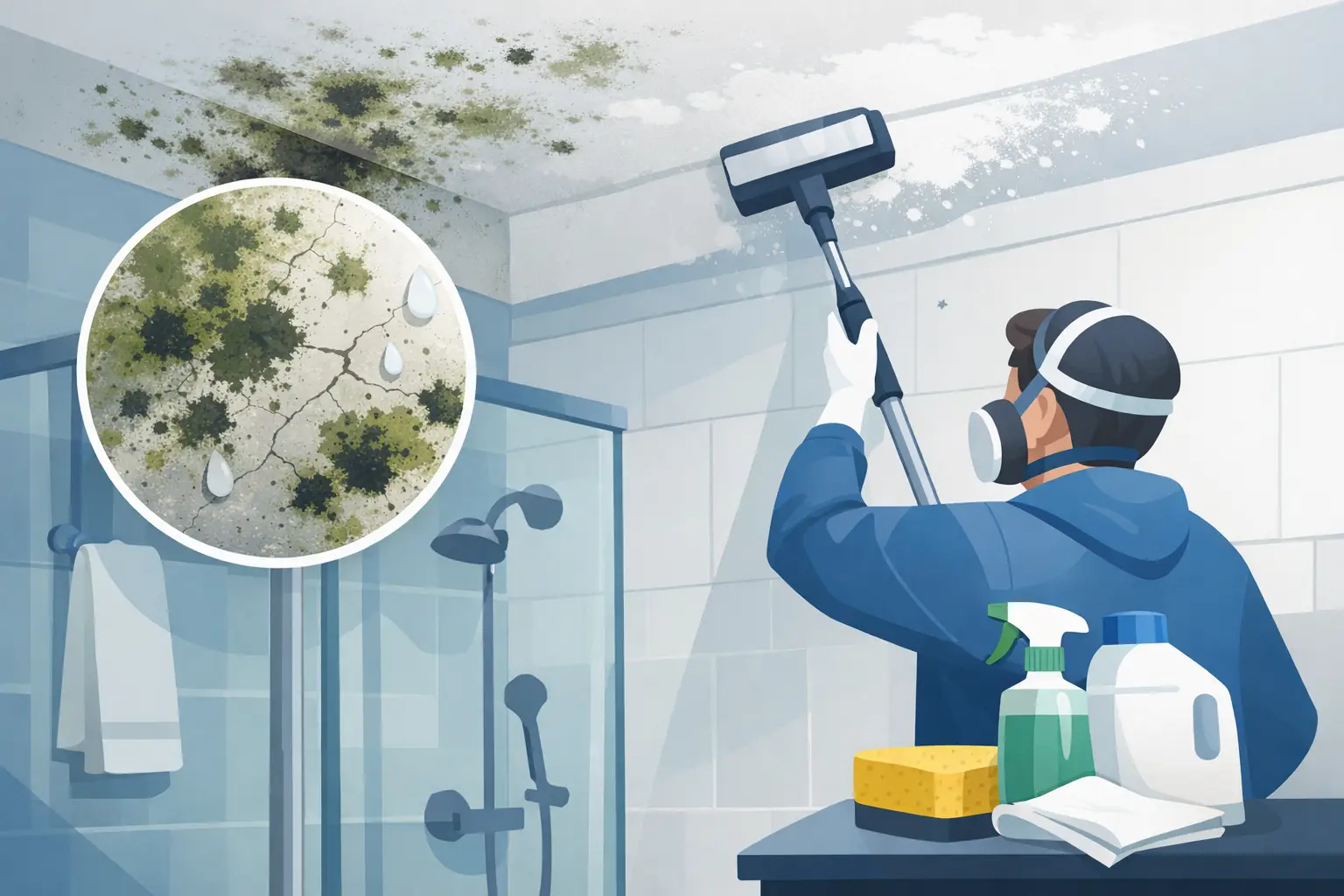



A tenant reports a musty odor beneath the kitchen sink, then sends photos of dark spotting along the cabinet base. This is not a maintenance request to postpone until the next turnover. Landlord mold remediation responsibilities generally begin with a prompt response: identify the moisture source, protect occupants, correct the underlying condition, and address contaminated materials safely.
Mold disputes can become expensive because visible growth is often only part of the problem. A slow plumbing leak, roof intrusion, condensation issue, failed bathroom exhaust fan, or past flood can allow moisture to travel behind drywall, under flooring, or into insulation. The longer moisture remains, the more difficult it can be to determine the full extent of contamination and restore the space properly.
What Landlords Are Typically Responsible For
Landlords are generally responsible for providing and maintaining habitable rental housing. Exact requirements vary by state, city, lease terms, and the cause of the moisture problem, but a safe response usually means more than wiping away visible mold with a household cleaner.
When mold results from a building condition the landlord controls, such as a leaking pipe, damaged roof, poor drainage, failed appliance connection, or inadequate ventilation system, the landlord will usually need to arrange repairs and remediation. The goal is to correct both the contamination and the moisture condition that enabled it.
A responsible response has four connected parts: investigate the complaint, stop active water or humidity, remediate affected materials as needed, and verify that the work addressed the actual problem. Skipping the investigation may leave hidden mold behind. Skipping the repair nearly guarantees the growth will return.
The duty is not limited to visible mold
Mold can be concealed behind baseboards, inside wall cavities, beneath laminate flooring, around HVAC components, or inside ceiling assemblies. A surface stain may indicate a small, isolated incident, but it can also signal a larger leak or prolonged humidity issue.
For that reason, an inspection should evaluate the affected area and likely moisture pathways. Moisture meters, thermal imaging, visual assessment, and indoor air quality testing can help a qualified professional determine whether conditions extend beyond what is visible. Testing is not necessary for every small incident, but it is valuable when occupants report persistent odors or symptoms, contamination is hidden, water damage is extensive, or there is disagreement about whether remediation was effective.
When Tenant Actions May Affect Responsibility
Tenant behavior can matter, but it should not be used as an assumption or a reason to delay action. Mold may be linked to failing to report a leak, blocking vents, disabling exhaust fans, or creating unusually high indoor humidity without reasonable ventilation. Even then, the immediate health and property concern still needs attention.
A landlord should document the condition, the tenant’s report, inspection findings, repair history, and any guidance provided about ventilation or moisture control. Clear records are useful when determining how the issue developed and whether costs may be allocated under the lease or applicable law.
However, assigning fault before investigating can create unnecessary conflict. Condensation on windows, recurring bathroom mold, or high humidity may point to occupant habits, but they can also reveal inadequate insulation, poor airflow, undersized ventilation, plumbing leaks, or building-envelope defects. The facts matter.
A Safe Response to a Mold Complaint
Speed matters after a tenant reports water damage, a leak, or possible mold. Water should be stopped or contained as quickly as possible, particularly after an overflow, burst pipe, roof leak, or sewage-related event. Porous materials that remain wet for extended periods may need professional evaluation rather than simple drying.
Landlords and property managers should communicate clearly with the tenant about access, expected work, and temporary precautions. If the affected area is substantial or remediation will disturb mold-containing materials, occupants may need to stay out of that portion of the unit while work is completed. Whether temporary relocation is required depends on the extent of contamination, the building layout, occupant health concerns, and local housing rules.
For small, nonrecurring surface growth, cleaning may be appropriate after the moisture source is fixed. Larger areas, repeated growth, hidden contamination, water-damaged drywall, contaminated insulation, or HVAC involvement call for more careful containment and removal. Painting over stains, applying fragrance, or using bleach without fixing the water problem is not remediation.
What professional remediation should include
A qualified remediation process begins with a site-specific assessment. The work area may be isolated using containment barriers and negative air pressure to prevent spores and dust from spreading into clean areas. HEPA-filtered equipment is used to capture fine particles during removal and cleaning.
Damaged porous materials may need to be removed when they cannot be adequately cleaned or dried. Nonporous and semi-porous surfaces can often be cleaned using appropriate methods, depending on the material and contamination level. The work should also include source correction, whether that means plumbing repair, roof repair, drainage improvements, ventilation repair, or dehumidification.
After cleaning and drying, a final inspection helps confirm that the area is clean, dry, and free of obvious remaining damage. In higher-risk situations, post-remediation verification or air quality testing offers an additional layer of documentation. This can be particularly helpful for multi-unit properties, commercial spaces, insurance claims, and tenant concerns.
Documentation Protects the Property and Its Occupants
Good documentation is one of the most practical parts of meeting landlord mold remediation responsibilities. It demonstrates that the report was taken seriously and that the response addressed the source, not just the symptom.
Keep the tenant’s initial notice, dated photographs, maintenance records, inspection findings, invoices, moisture readings where available, remediation scope, and final clearance or verification documents. Record when access was requested and provided, especially if delays affected the ability to inspect or repair the unit.
This documentation can support communication with insurers, contractors, municipal inspectors, and future tenants. It also creates a maintenance history that can reveal recurring issues, such as repeated leaks in the same stack of units or chronic humidity in poorly ventilated bathrooms.
Prevention Is Part of Ongoing Property Management
The best remediation job is the one that does not need to be repeated. Preventive maintenance reduces the likelihood of tenant complaints, structural damage, and larger restoration costs. Regularly inspect plumbing connections, water heaters, supply lines, roofs, gutters, window seals, and areas around HVAC equipment. Address water stains and musty odors early, before they become major repairs.
Bathrooms, kitchens, basements, laundry rooms, and utility areas deserve special attention because they combine moisture with limited airflow. Exhaust fans should vent effectively, dryers should be properly exhausted, and humidity should be managed before condensation becomes routine. In multifamily buildings, one leak can affect several units, so reports from adjacent apartments should be considered together.
Provide tenants with simple reporting instructions: report leaks immediately, avoid covering vents, use bathroom fans during and after bathing, and notify management when odors or recurring moisture appear. These expectations are most useful when management also responds quickly and consistently.
When to Bring in a Mold Professional
Professional assessment is a sensible choice when mold keeps returning, the affected area is extensive, the source is unknown, materials have been wet for a prolonged period, or occupants report health concerns. It is also appropriate after major water damage or when restoration requires opening walls, removing flooring, or controlling airborne spread.
A trained remediation provider can separate a minor maintenance issue from a concealed contamination problem and develop a scope based on actual conditions. Look for a company that can inspect for moisture, establish containment when needed, use HEPA filtration, remove damaged materials safely, and provide clear documentation of the completed work.
A prompt, documented response protects tenants, preserves the building, and gives landlords a stronger foundation if questions arise later. When moisture or mold is suspected, treat the report as an opportunity to correct the building condition before it becomes a larger health and property problem.