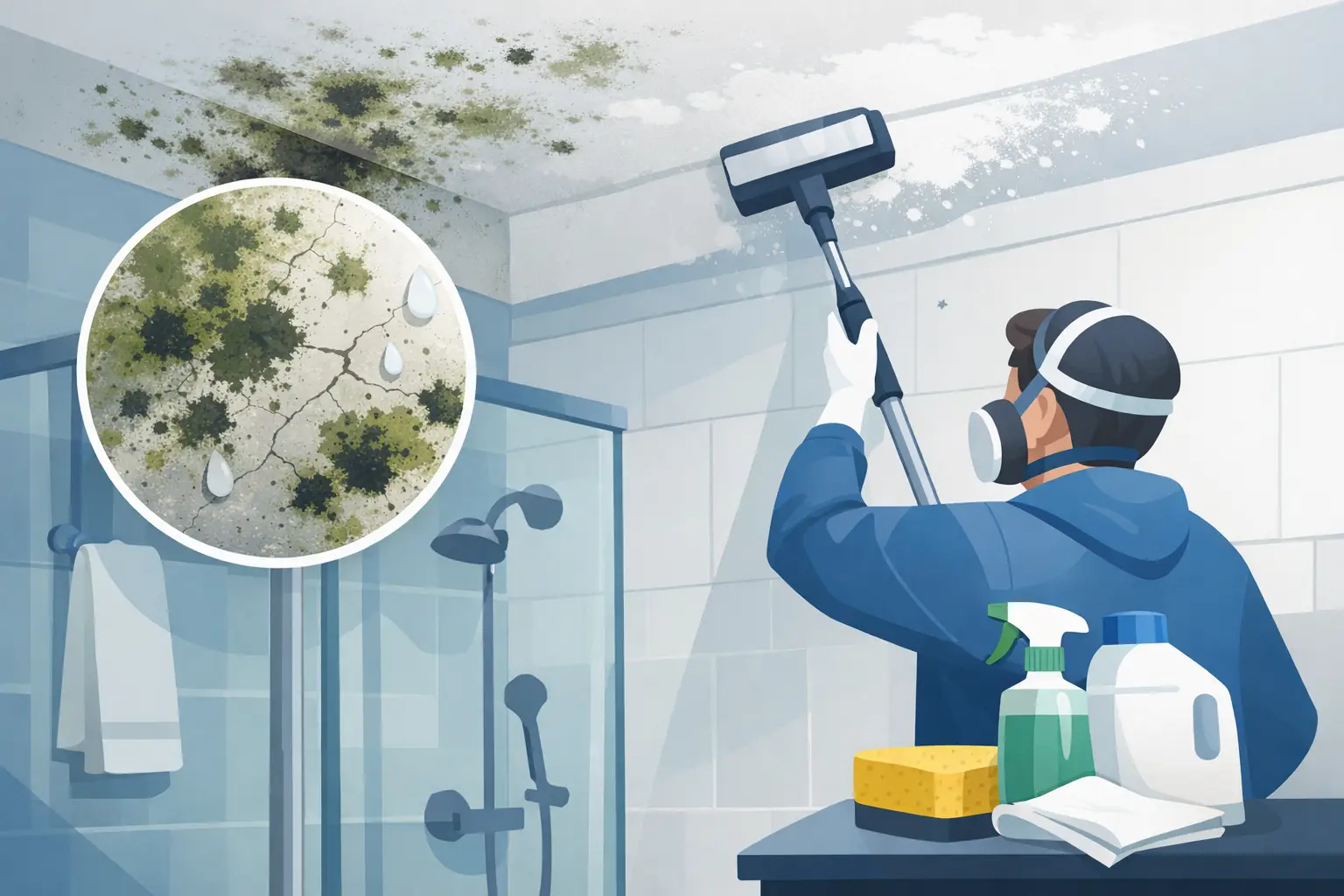



A damaged pipe wrap in a basement, aging ceiling texture, or old vinyl floor tile can turn a routine repair into a health and compliance concern. Asbestos regulations exist because materials that appear harmless can release dangerous fibers when cut, drilled, sanded, broken, or removed without proper controls. For property owners, the first priority is not guessing what a material contains. It is preventing disturbance until qualified testing and a safe work plan are in place.
For homes, rental properties, offices, retail spaces, and multi-unit buildings, asbestos concerns often surface at the worst possible time: during a leak repair, renovation, tenant turnover, demolition, or emergency cleanup. Knowing what the rules require helps protect occupants, workers, project schedules, and the value of the property.
Why asbestos regulations matter before work starts
Asbestos is a group of mineral fibers once widely used for insulation, fire resistance, flooring, roofing, cement products, and other building materials. It may be present in properties built before modern restrictions took effect, but age alone does not confirm its presence. Only appropriate sampling and laboratory analysis can do that.
The risk changes when asbestos-containing material is disturbed. Intact material in good condition may not pose the same immediate exposure concern as deteriorating insulation or material being demolished. Once fibers become airborne, they can be inhaled and may remain in the lungs. That is why regulations focus so heavily on identifying suspect materials before work, limiting access, controlling dust, and using trained workers for removal.
Rules differ by jurisdiction. In Toronto and the Greater Toronto Area, asbestos work is generally governed by Ontario occupational health and safety requirements, including Ontario Regulation 278/05 for asbestos on construction projects, in buildings, and during repair operations. U.S. property owners should also check applicable federal, state, and local requirements, which can vary substantially by location and project type. A professional assessment helps establish which rules apply to the building and planned work.
When asbestos regulations require testing or assessment
Testing is most often needed before renovation, repair, maintenance, or demolition could disturb suspect material. This includes work such as opening walls or ceilings, replacing old flooring, removing duct insulation, repairing boilers, upgrading electrical systems, or demolishing a structure.
A building owner or employer may have a duty to identify asbestos-containing materials that could affect workers. In a commercial, institutional, or rental setting, this cannot be treated as an informal visual check. Contractors, maintenance personnel, tenants, and other people who may enter the work area need reliable information about hazards and the controls being used.
Common materials that should be assessed when present in older buildings include:
- Pipe, boiler, and duct insulation
- Spray-applied fireproofing or textured ceiling finishes
- Vinyl floor tile, sheet flooring, and associated mastic
- Drywall joint compound, plaster, and cement board
- Roofing materials, siding, and certain exterior cement products
This does not mean every older material contains asbestos. It means visual appearance is not enough to clear it for disturbance. Sampling should be planned to avoid spreading dust, and samples should be analyzed by a qualified laboratory. A single negative result from one area may not represent a different material, layer, or room.
What compliant asbestos work looks like
The correct removal method depends on the material, its condition, how much will be disturbed, and the type of work planned. Ontario requirements classify asbestos work by the likelihood of fiber release. Lower-risk tasks may involve limited disturbance of non-friable materials. Higher-risk work can involve friable insulation, significant damage, extensive removal, or activities likely to create airborne dust.
That distinction matters because the required controls become more stringent as risk increases. A project may require written procedures, worker training, restricted access, warning signs, personal protective equipment, controlled wetting methods, HEPA-filtered equipment, negative air pressure, decontamination procedures, and properly labeled waste handling.
A safe project begins by isolating the affected area from occupied spaces. Plastic containment barriers and negative air systems help prevent fibers from moving into hallways, living areas, HVAC pathways, or neighboring units. Workers should use appropriate respiratory protection and follow decontamination procedures before leaving the controlled zone. Dry sweeping, ordinary household vacuums, and uncontrolled demolition are not acceptable ways to manage suspect asbestos materials.
For substantial or higher-risk work, air monitoring and final clearance procedures may also be appropriate. These steps provide evidence that containment performed as intended and that the work area can be returned to use safely. The right verification process depends on the scope of work and the applicable regulatory requirements.
Owner, landlord, and employer responsibilities
Property owners often assume that hiring a contractor transfers every responsibility. It does not. Owners, landlords, employers, and project managers each have a role in making sure asbestos hazards are identified and communicated before work begins.
For landlords and property managers, prompt action is especially important when a tenant reports crumbling insulation, damaged ceiling material, water damage around old finishes, or construction dust from a nearby repair. The issue should be assessed before maintenance personnel or occupants disturb the material. Delaying a response can increase both the exposure risk and the cost of correction.
Commercial building owners should keep asbestos-related records organized and available to the people who need them. An asbestos management plan may identify known or suspected materials, their locations and condition, scheduled inspections, and procedures for maintenance or emergencies. It is practical protection: when a pipe bursts at night or a contractor needs access to a ceiling cavity, the team can respond without making unsafe assumptions.
Employers also need to ensure that workers who may encounter asbestos are properly informed, trained, and equipped for their assigned tasks. Sending an untrained employee to remove damaged insulation or scrape old flooring adhesive creates a serious and avoidable risk.
Renovations create the most common compliance failures
Many asbestos incidents begin with a small project. A homeowner removes a popcorn ceiling. A contractor cuts through old duct wrap to reach a plumbing line. A maintenance crew pulls up flooring after a flood. The work may feel minor, but the material being disturbed can create a much larger contamination problem.
The safest decision is to pause when suspect material is found. Do not break it apart to inspect it, bag it in ordinary trash, or attempt to vacuum dust with standard equipment. Keep people away from the area, turn off HVAC equipment if it could circulate dust, and arrange for a qualified assessment.
There are trade-offs. Testing can add time before a renovation starts, and regulated removal costs more than ordinary demolition. But proceeding without a proper assessment can lead to contaminated contents, delayed construction, tenant complaints, worker exposure, and much more expensive cleanup. Testing is usually the smaller cost when compared with correcting an uncontrolled release.
Selecting an asbestos professional
The right provider should explain the process in clear terms rather than promising a quick removal without assessment. Ask how samples will be collected, what laboratory analysis is used, what containment is required, how waste will be handled, and whether clearance or post-removal air testing is recommended.
Credentials, insurance, worker training, and documented procedures matter. So does experience with the type of property involved. Removing material from an occupied condo, a healthcare facility, a school, or a commercial suite requires careful planning around access, occupant protection, ventilation, and project timing.
Mold Removal Remediation helps GTA property owners assess indoor environmental hazards with a safety-first approach. When asbestos is suspected alongside water damage, mold growth, or renovation debris, the work plan should address the entire contamination concern without disturbing materials unnecessarily.
A practical response to suspected asbestos
If you find a material that may contain asbestos, treat it as suspect until testing proves otherwise. Leave it alone if it is intact, prevent access to damaged areas, and avoid any cleaning method that could spread dust. Take clear photos from a safe distance and document the location, condition, and any recent event that may have damaged it.
Then arrange a professional inspection before authorizing repairs or demolition. A qualified assessment can determine whether testing is needed, identify the scope of affected material, and set out the controls required for safe removal or management. This gives contractors, tenants, and property owners one clear plan instead of competing assumptions.
The most helpful next step is often simple: pause the project before the first cut, drill hole, or tear-out. That decision protects the people in the building and keeps a manageable concern from becoming a widespread contamination event.