

A musty smell behind a finished basement wall, dark spotting around a bathroom vent, or recurring tenant complaints after a leak should not be treated as a cosmetic cleaning issue. The best certified mold contractors look beyond what is visible, identify why moisture is present, and use controlled remediation methods that protect the rest of the property.
For homeowners, landlords, property managers, and business owners, the right contractor can prevent a small moisture problem from becoming a larger indoor air quality and structural concern. The wrong choice can leave hidden growth in wall cavities, spread spores through the building, or create a problem that returns after a few weeks.
What Makes a Mold Contractor Truly Qualified?
Mold remediation is not the same as wiping mildew from tile or spraying a disinfectant on a stained wall. Qualified contractors assess the affected area, locate moisture sources, establish containment, remove damaged materials safely when necessary, clean remaining surfaces with professional methods, and verify that the environment is suitable for reoccupancy.
Certification matters because it shows that a contractor has received training in recognized remediation practices. Look for companies with relevant credentials such as IICRC certification, along with applicable workplace safety coverage and training in indoor air quality, mold inspection, or microbial remediation. Credentials alone do not guarantee quality work, but they provide a meaningful starting point.
A qualified contractor should also be able to explain their process in plain language. If a company promises to “kill all mold” with a quick spray but cannot discuss moisture control, containment, HEPA filtration, or post-remediation verification, that is a serious concern. Mold grows where moisture persists. Without correcting the water source, treatment is temporary.
Best Certified Mold Contractors Start With Proper Inspection
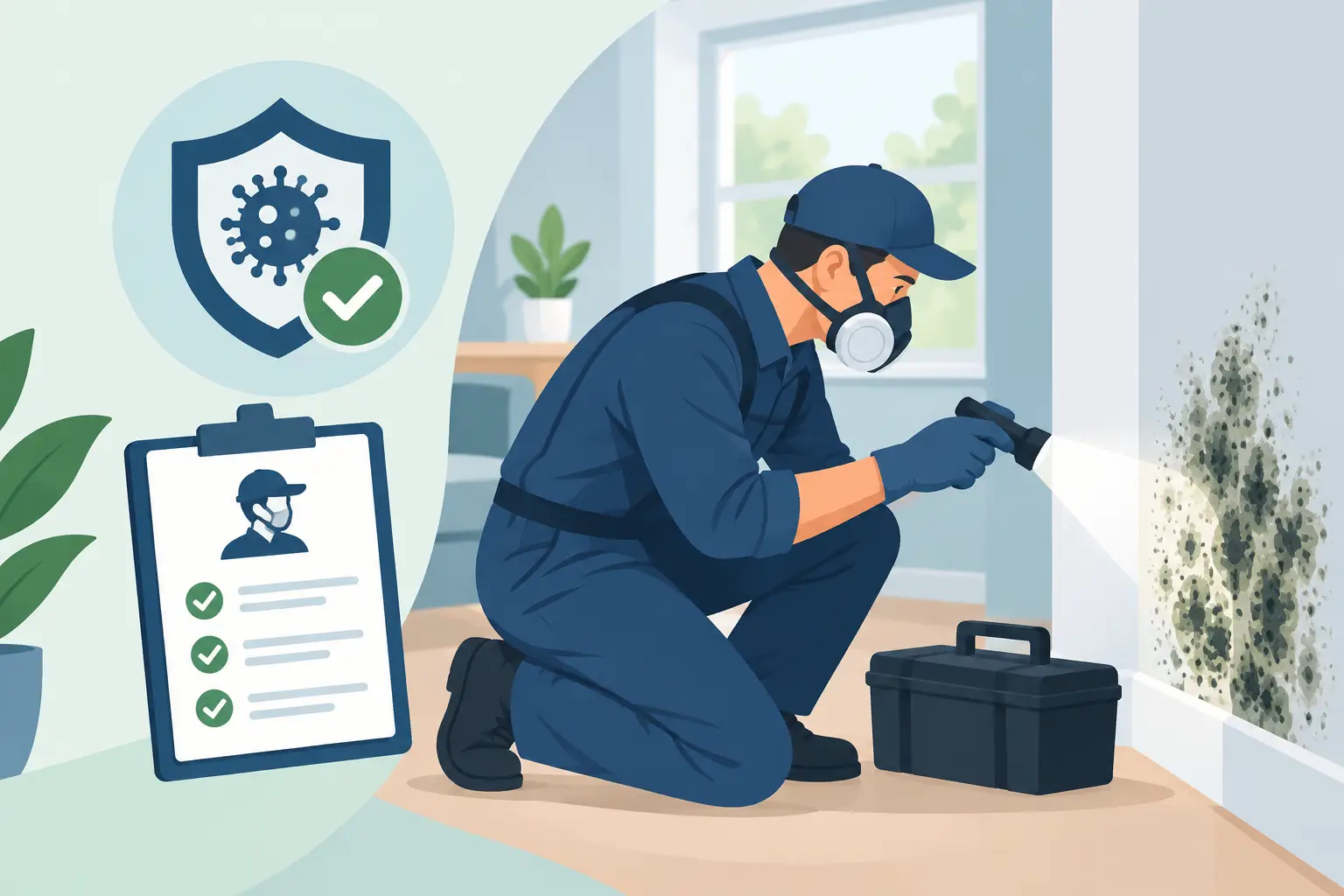
A reliable remediation plan begins with inspection, not demolition. The contractor should ask about the history of water damage, plumbing leaks, roof issues, flooding, humidity, condensation, and previous repairs. They should inspect visible conditions while considering areas where mold commonly remains hidden, including behind drywall, under flooring, inside ceiling cavities, around windows, and near HVAC components.
Professional diagnostic tools can make a major difference. Moisture meters help identify wet building materials, while thermal imaging can reveal temperature differences that may indicate moisture behind finished surfaces. Air quality testing and surface sampling may be appropriate when contamination is hidden, the property has occupants with health concerns, or documentation is needed for a commercial property, tenant matter, or insurance claim.
Testing is not necessary in every situation. If visible mold and a clear moisture source are present, a skilled contractor may be able to recommend remediation without extensive sampling. However, testing can be valuable when the extent of contamination is uncertain or when clearance documentation is needed after work is complete.
Ask What the Inspection Includes
Before booking, ask whether the inspection includes moisture detection, a visual assessment of adjacent materials, an explanation of likely causes, and a written remediation scope. A clear scope protects you from vague pricing and helps ensure the contractor addresses the full affected area rather than only the spot you can see.
Be cautious of companies that provide a fixed remediation price over the phone without asking about the source, location, size, materials involved, or history of water damage. A small patch on a wall may be a simple surface issue, or it may be evidence of a concealed plumbing leak. The details matter.
Credentials to Check Before You Hire
When comparing contractors, ask for current proof of certifications, insurance, and workplace safety coverage. A professional company should not hesitate to provide this information. In Toronto and the GTA, homeowners and commercial property decision-makers should also confirm that the contractor understands local building conditions, including basement moisture, winter condensation, aging plumbing, and multi-unit property requirements.
Relevant qualifications may include IICRC training for water damage restoration and mold remediation, CMRC or microbial remediation credentials, IAC2-related inspection training, and worker safety programs. The exact certification mix can vary by company and service scope. What matters is that the contractor has training that matches the work they are performing.
It is also reasonable to ask who will perform the work. Some companies sell the project and send untrained labor to complete it. The contractor should identify the supervisor, describe the crew’s training, and explain who is responsible for quality control. For larger commercial jobs, ask how the team will coordinate access, maintain occupant safety, and minimize disruption to operations.
Containment Is Where Professional Work Becomes Visible
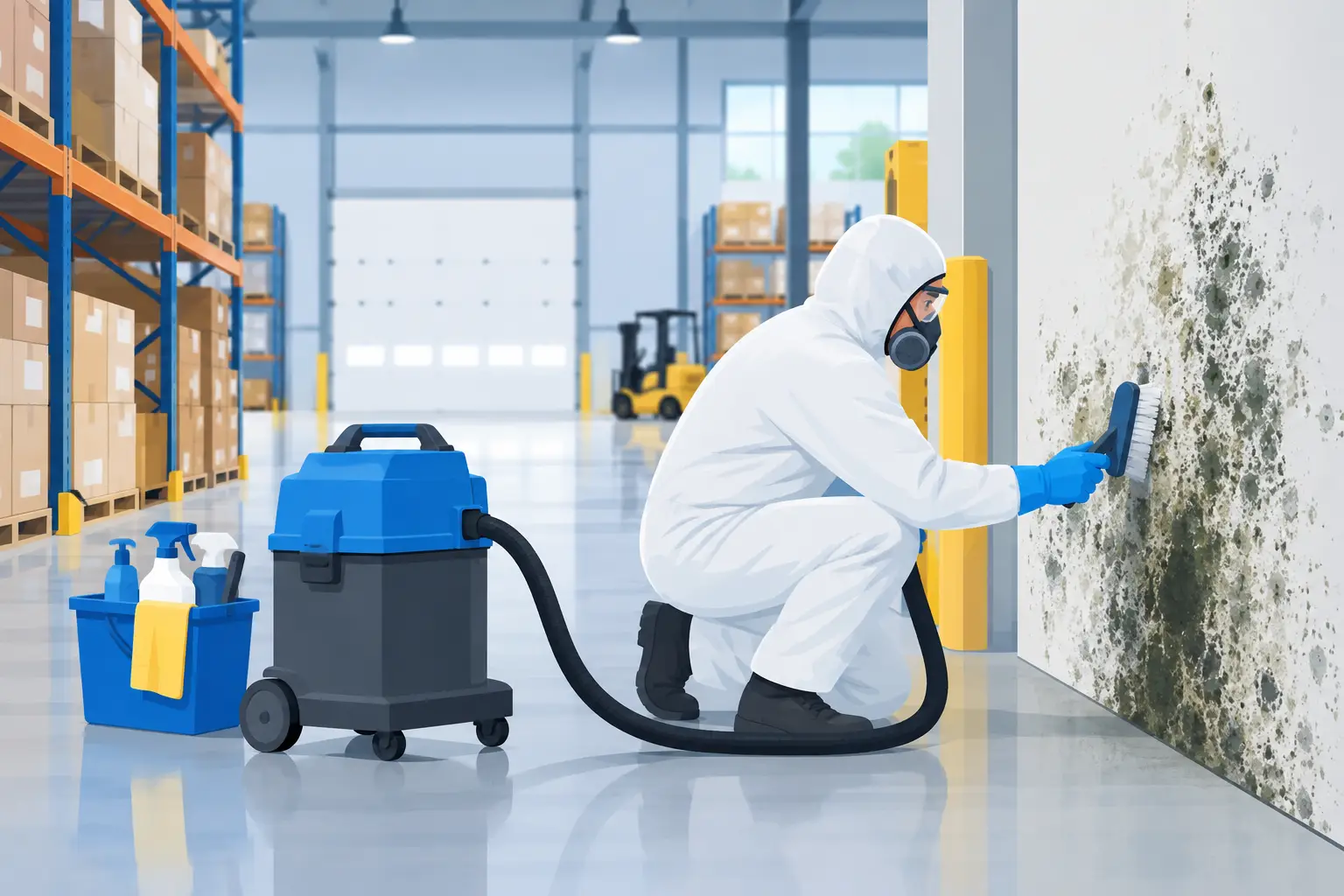
One of the clearest differences between a basic cleaning service and a certified remediation contractor is containment. Disturbing moldy drywall, insulation, carpet, or ceiling material can release particles into adjacent rooms. Without proper controls, a contained problem can become a whole-property problem.
Depending on the size and location of the project, professional containment may include sealed barriers, controlled entry points, negative air pressure, HEPA-filtered air scrubbers, and protective equipment for workers. These measures help keep airborne debris from moving into clean areas during removal.
The right approach depends on the job. A small, accessible area may not require the same setup as a heavily affected basement, apartment unit, office suite, or area impacted by sewage or floodwater. A trustworthy contractor will explain the level of containment recommended and why it is appropriate, rather than using a one-size-fits-all approach.
Removal, Cleaning, and Drying Must Work Together
Porous materials with extensive contamination, such as drywall, insulation, carpet padding, or particleboard, often need removal because growth can penetrate beyond the surface. Nonporous and semi-porous materials may sometimes be cleaned and restored when their condition allows. The decision should be based on material type, contamination extent, water source, and the ability to dry the area completely.
After removal, the work area should be cleaned using methods suited to the affected materials. HEPA vacuuming, controlled wiping, and detailed cleaning of remaining structural surfaces are common parts of a professional process. Just as important, the moisture source must be repaired or managed. That may involve plumbing repairs, foundation waterproofing, ventilation improvements, roof repair, dehumidification, or correcting drainage issues.
Get Clear Pricing and Written Documentation
Mold remediation costs vary because no two properties have the same conditions. The location of contamination, the size of the affected area, the materials involved, access limitations, moisture repairs, testing requirements, and containment needs all affect the final price.
The lowest estimate is not always the most affordable outcome. A low quote that excludes containment, disposal, drying, cleaning, or verification can lead to additional charges or incomplete work. Review each proposal carefully and ask whether it includes inspection findings, labor, materials, protective controls, debris disposal, cleaning, and any recommended post-remediation testing.
Documentation is particularly valuable for landlords, property managers, commercial owners, and anyone handling an insurance claim. Request photographs, moisture readings when applicable, a written scope of work, invoices that clearly describe completed services, and test results if testing was performed. Good records show what was found, what was done, and what conditions were addressed.
Questions to Ask Certified Mold Contractors
A short conversation can reveal whether a contractor is prepared to handle the job responsibly. Ask how they locate hidden moisture, what certifications and insurance they carry, how they prevent cross-contamination, and whether they recommend independent clearance testing for your situation.
Also ask what happens if they discover more damage once walls or flooring are opened. Hidden conditions are common in water-damaged properties. A professional contractor should explain how change orders are handled, when approval is required, and how they will document newly discovered damage before proceeding.
If the property has asbestos-containing materials, lead concerns, sewage contamination, or major structural damage, the scope may require additional testing or specialized services. Do not allow mold work to proceed in a way that disturbs suspected hazardous materials without appropriate assessment.
Choose a Contractor Who Solves the Cause
The goal is not to make a mold stain disappear. It is to return the affected area to a clean, dry, controlled condition and reduce the chance of recurrence. That takes inspection, certified practices, proper containment, careful removal, moisture correction, and verification when appropriate.
Mold Removal Remediation serves property owners who need that full process, from moisture investigation and air quality testing through controlled removal and cleanup. When you are comparing contractors, choose the team that can clearly explain the risk, document the work, and protect your property beyond the visible surface. A careful decision now can protect the people inside and the value of the building for years to come.