

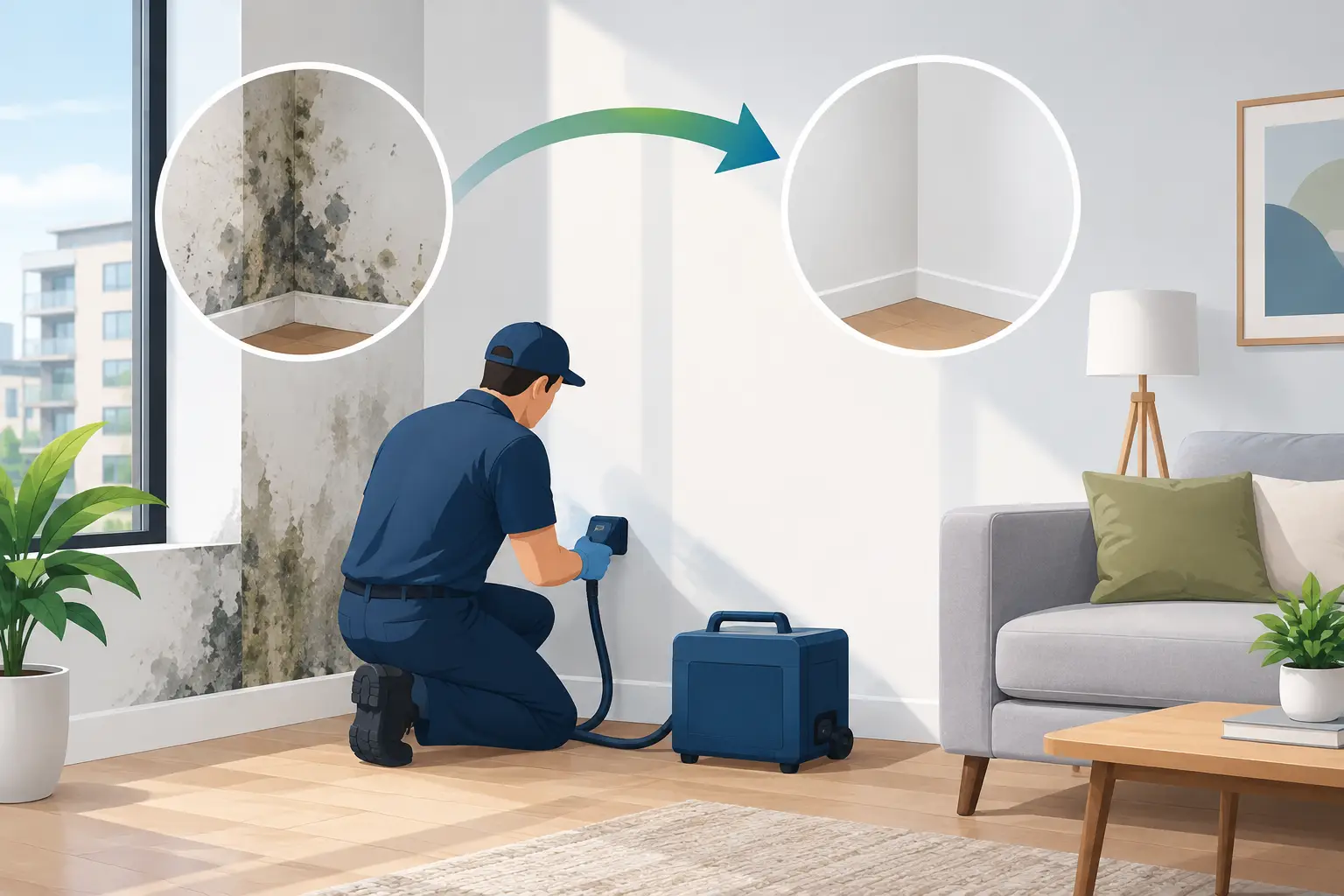
A damp patch beneath a window, a persistent musty odor in a bedroom, or peeling paint near a bathroom fan can signal a much larger problem behind apartment walls. Apartment moisture remediation is not simply about drying a visible area. It is a structured process for finding the water source, preventing further intrusion, safely addressing contaminated materials, and restoring healthy indoor conditions for tenants and owners.
For landlords and property managers, delays can turn a manageable leak into mold growth, tenant complaints, damaged finishes, and expensive repairs. For residents, unresolved moisture can affect comfort, aggravate respiratory sensitivities, and create concern about whether the apartment is safe to occupy. A professional response protects both the building and the people inside it.
Why Apartment Moisture Problems Spread Quickly
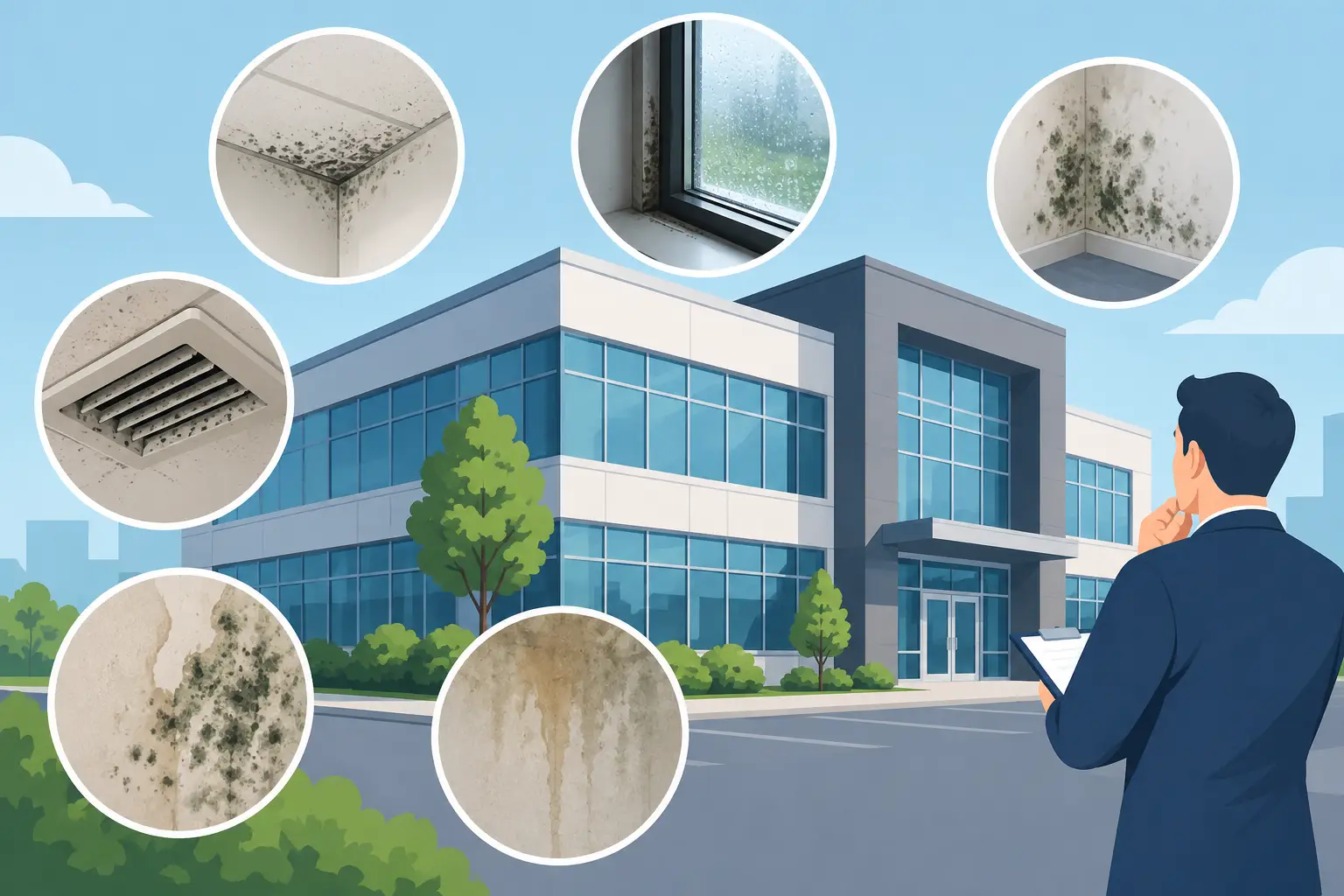
Apartments create unique moisture challenges because plumbing, ventilation, walls, and ceilings are often shared between units. The stain on one tenant’s ceiling may originate from a leaking shower, failed supply line, overflowing appliance, or exterior water intrusion one floor above. Condensation may also form where warm indoor air meets cold exterior walls, especially around windows, corners, and poorly insulated areas.
Water does not stay where it first appears. It can travel along framing, behind baseboards, under flooring, and through ceiling cavities. Drywall, insulation, carpeting, particleboard, and wood trim can retain moisture long after a surface feels dry. That creates favorable conditions for mold growth and material deterioration.
The key trade-off is speed versus certainty. A maintenance team may be able to stop an obvious plumbing leak immediately, which is essential. But replacing a stained ceiling tile or painting over discoloration before checking moisture levels can hide an active problem rather than solve it. The right approach addresses the emergency first, then verifies the full extent of impact.
What Professional Apartment Moisture Remediation Involves
Effective apartment moisture remediation follows a disciplined sequence. The exact scope depends on the location of the moisture, how long it has been present, the materials affected, and whether mold growth is visible or suspected.
1. Inspection and moisture-source identification
The first priority is identifying where the water is coming from and whether it is still active. A certified remediation team evaluates visible damage, tenant reports, plumbing fixtures, ventilation, exterior building conditions, and adjoining units when needed. Moisture meters can identify elevated moisture inside walls, floors, and ceilings, while thermal imaging can help locate temperature differences that may indicate hidden water or insulation issues.
An inspection should distinguish among a one-time water event, an active leak, chronic condensation, and humidity-related moisture. These issues can look similar on the surface, but they require different repairs. A leaking pipe needs plumbing correction. Condensation may require better ventilation, insulation, air sealing, or humidity control. Exterior intrusion may require building-envelope repairs.
2. Containment and occupant protection
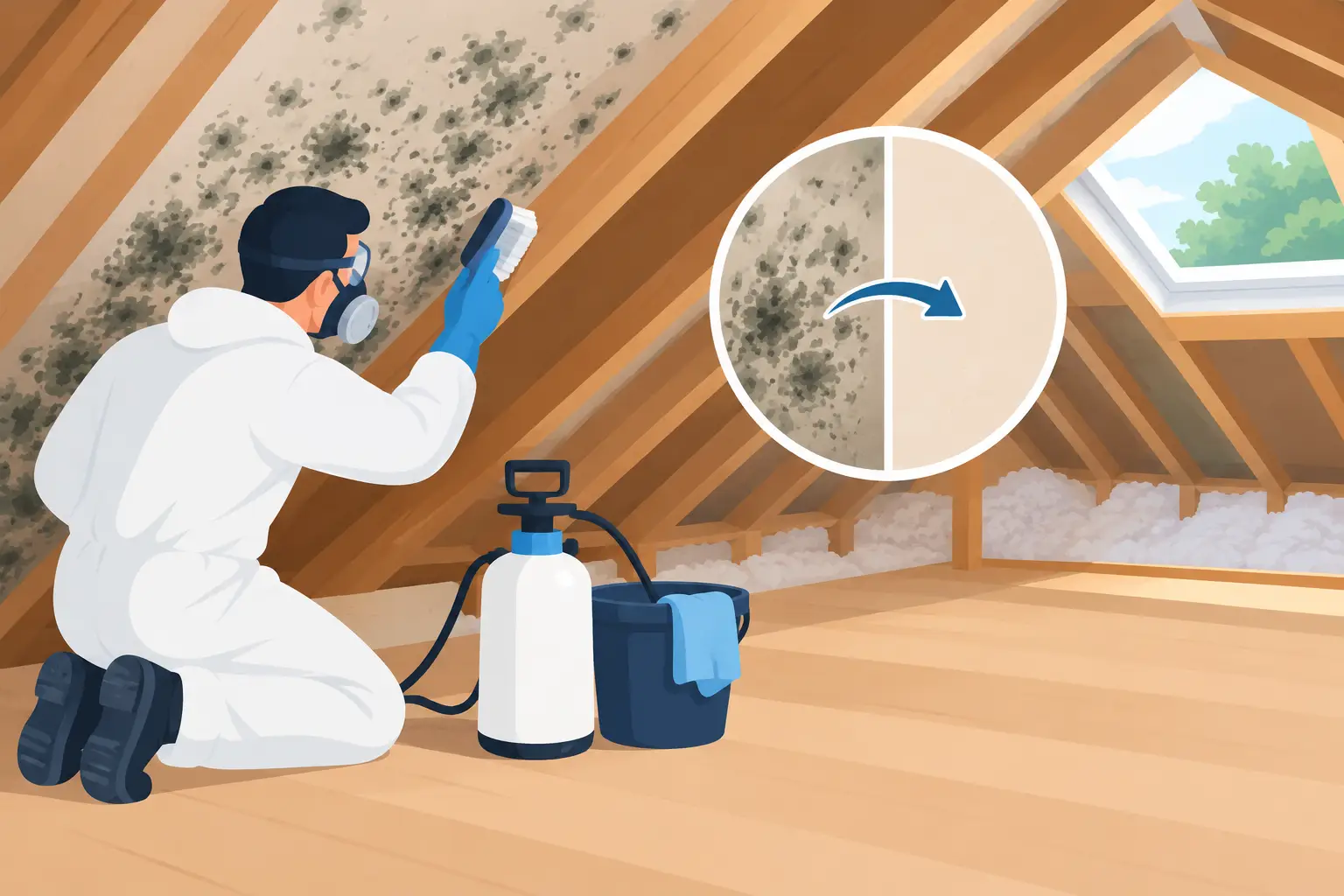
When mold or contaminated building materials are present, the work area should be contained before removal begins. Containment limits the spread of dust, mold spores, and debris into hallways, neighboring rooms, and other units. Depending on the situation, remediation professionals may use sealed barriers, negative air pressure systems, and HEPA-filtered air scrubbers.
This step matters in occupied apartments. Tenants should receive clear instructions about access, temporary relocation from affected rooms when necessary, and any precautions related to children, older adults, pets, or people with respiratory conditions. A professional contractor will not make broad health claims, but they should take sensible measures to reduce unnecessary exposure during the work.
3. Drying and removal of damaged materials
Stopping the source is only the beginning. Wet materials must be dried to appropriate levels or removed when they cannot be reliably cleaned and restored. Non-porous materials may often be cleaned after proper drying. Porous materials such as saturated drywall, insulation, carpeting, and particleboard may need controlled removal if they have been heavily affected or support mold growth.
This is where shortcuts create future problems. Surface cleaning may improve appearance, but it does not correct wet insulation behind a wall or moisture trapped under laminate flooring. Controlled demolition allows technicians to access concealed areas, remove compromised materials, and dry structural components properly.
4. Detailed cleaning and air control
After removal, affected surfaces are cleaned using methods appropriate to the material and contamination level. HEPA vacuuming is commonly used to capture fine particulates from structural surfaces and contained work areas. The goal is not to perfume the space or mask the odor. It is to remove contamination, clean the area thoroughly, and prevent particles from migrating into unaffected parts of the apartment.
Odor can be a useful warning sign, but it is not a reliable measure of success on its own. A musty smell may persist because hidden moisture remains, while some contaminated areas may have little or no odor. Moisture readings, visual inspection, and post-remediation assessment provide a more dependable basis for decisions.
5. Verification before reconstruction
Before drywall, flooring, cabinets, or trim are replaced, the affected structure should be dry and clean. This is the point where documentation becomes especially valuable for owners, property managers, and insurance discussions. Depending on the project, post-remediation verification or indoor air quality testing may help confirm that remediation goals were met.
Testing is not required for every small water incident. For a limited, quickly dried spill with no visible mold and no affected building materials, inspection and moisture verification may be enough. Testing becomes more useful when contamination was extensive, occupants have raised ongoing concerns, there is a history of recurring moisture, or the work involved a contained mold-remediation area.
Common Apartment Moisture Sources That Need Attention
Recurring bathroom moisture is one of the most common apartment concerns. Inadequate exhaust ventilation, loose toilet seals, shower leaks, failed caulking, and plumbing connections inside vanity walls can all create hidden damage. Kitchen leaks under sinks, behind refrigerators, and around dishwasher connections are also frequent sources.
Other causes are less obvious. Condensation on windows can lead to wet sills, damaged drywall, and mold around frames. Roof leaks may appear only after heavy rain. Water can enter through cracks or failed seals around exterior walls. In multi-unit buildings, a leak may begin in a vacant unit, mechanical room, or common area before showing up in an occupied apartment.
Property managers should treat repeat complaints as a pattern, not isolated maintenance requests. If the same unit develops stains after each storm, or multiple units report musty odors along one exterior wall, a broader building investigation may be necessary.
When to Call a Certified Remediation Team
Immediate professional help is recommended when there is visible mold, a strong and persistent musty odor, water-damaged drywall or ceilings, recurring leaks, sewage-related water, or moisture affecting more than a small, accessible area. The same applies when tenants report symptoms they believe are connected to indoor conditions. While the cause must be evaluated carefully, prompt inspection shows that the concern is being taken seriously.
For landlords, documenting the response matters. Record tenant reports, the source of water, inspection findings, repairs completed, moisture readings, photographs, and remediation steps. Clear records support responsible property management and help demonstrate that the issue was addressed professionally rather than ignored.
Mold Removal Remediation serves Toronto and the GTA with certified inspection, moisture detection, containment, mold removal, drying support, and post-remediation air quality assessment. Using professional tools such as thermal imaging, moisture meters, HEPA filtration, and negative air systems helps ensure the work reaches beyond visible surface damage.
Preventing the Next Moisture Event
Long-term prevention often requires coordination between owners, managers, tenants, plumbers, and restoration professionals. Residents should report leaks, stains, condensation, and musty odors early rather than waiting for visible mold. Building teams should maintain exhaust fans, inspect plumbing connections, respond promptly to water events, and investigate recurring issues instead of repeatedly applying cosmetic repairs.
Humidity control also matters, particularly in bathrooms, kitchens, basements, and units with limited airflow. Venting moisture outdoors, repairing damaged window seals, maintaining HVAC equipment, and addressing insulation gaps can reduce condensation-related problems. The correct solution depends on the building’s construction and the source of moisture, so assumptions can be costly.
A dry apartment is not just cleaner-looking. It is easier to maintain, more comfortable for tenants, and less likely to develop hidden damage that disrupts occupancy later. When moisture appears, acting early and verifying the repair can prevent a small warning sign from becoming a major remediation project.