


A musty basement, recurring condensation on windows, or a lingering odor after a leak is not just an inconvenience. It can be an early warning that indoor air quality has changed inside the building. For homeowners, landlords, property managers, and business owners, acting early can limit health concerns, prevent costly structural damage, and avoid a small moisture issue becoming a widespread contamination problem.
The challenge is that the air inside a property can look normal while contaminants remain hidden behind walls, beneath flooring, above ceiling tiles, or inside HVAC components. A professional assessment helps identify what is affecting the air, where it is coming from, and what needs to happen to correct the condition safely.
What Affects Indoor Air Quality?
Indoor air quality describes the condition of the air people breathe inside a home, apartment, office, retail space, or other occupied building. It is influenced by ventilation, humidity, building materials, cleaning products, outdoor pollutants, pests, combustion sources, and biological contaminants such as mold.
Mold is a frequent concern after water damage, plumbing leaks, roof leaks, flooding, or ongoing condensation. It needs moisture to grow, and it often develops in areas that are not immediately visible. A wall can appear dry on the surface while insulation, framing, or drywall behind it holds enough moisture to support hidden growth.
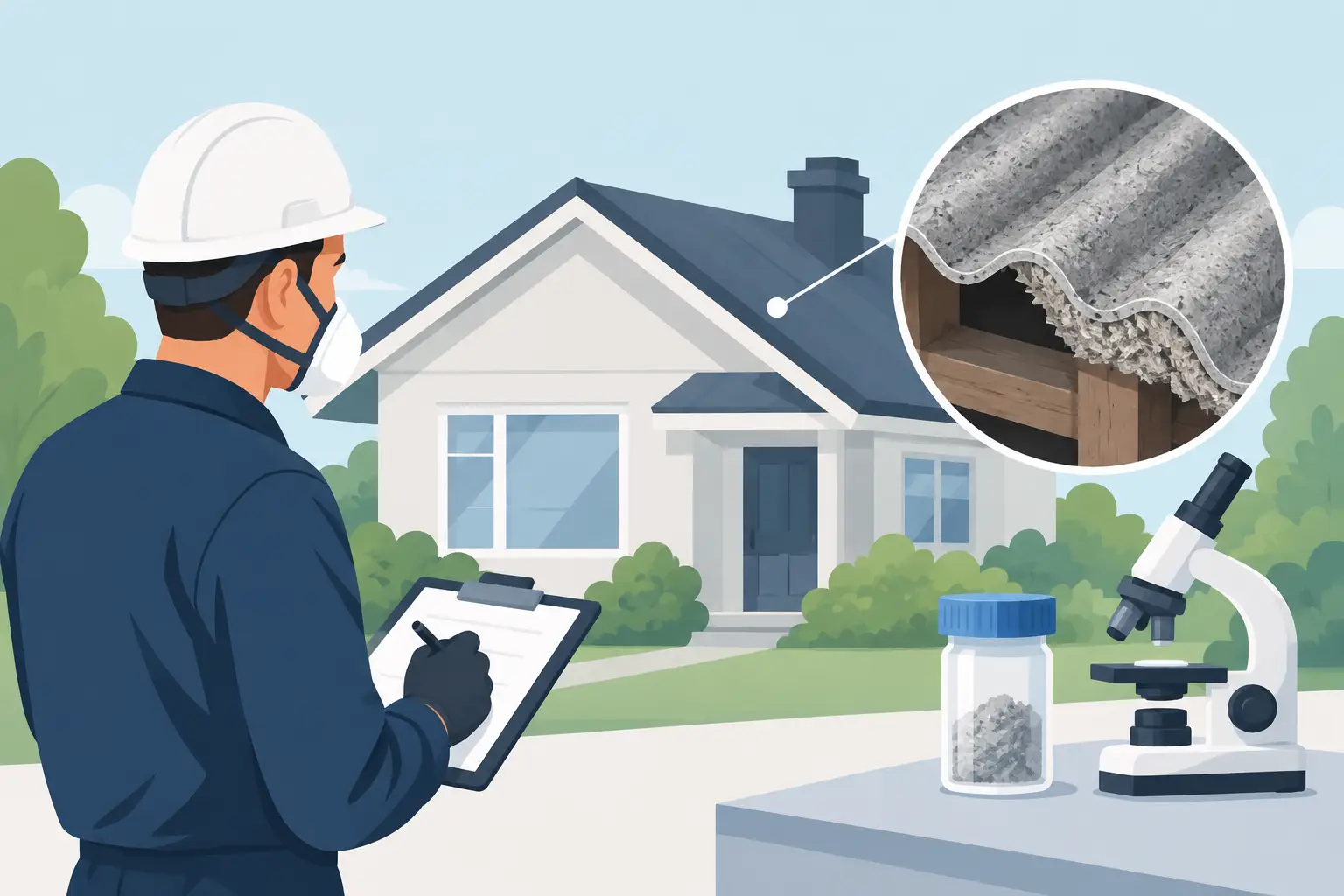
Air quality concerns are not always caused by mold alone. Dust, pet dander, pollen, volatile organic compounds, smoke residue, bacteria, and particles released during construction or renovation can also affect indoor conditions. In older buildings, damaged materials may raise concerns about asbestos-containing materials and require proper testing before disturbance.
The source matters. Running an air purifier may reduce some airborne particles, but it will not resolve an active leak, wet building material, or concealed mold colony. Effective results require source control first, followed by appropriate cleaning, filtration, and verification.
Signs Your Building May Need Air Quality Testing
Some properties have obvious warning signs, such as visible staining or fuzzy growth on drywall. Others present more subtle patterns. If occupants experience symptoms that consistently improve when they leave the building, or if a musty smell returns after cleaning, the property deserves closer evaluation.
Common signs include persistent damp or musty odors, repeated condensation, bubbling paint, warped flooring, water stains, recent flooding, and humidity that remains high even with normal heating or cooling. In multi-unit or commercial properties, tenant complaints about odors, headaches, irritated eyes, coughing, or breathing discomfort should be documented and investigated promptly.
These symptoms can have many causes, so they do not prove that mold or a specific contaminant is present. That is why testing and inspection are valuable. Guesswork can lead to unnecessary demolition on one hand or a missed hidden moisture problem on the other.
Why Visible Mold Is Only Part of the Problem
Wiping visible mold from a hard surface may improve its appearance, but it does not establish whether the affected material is clean, whether moisture remains, or whether contamination extends beyond the visible area. Porous materials such as drywall, insulation, carpet, particleboard, and ceiling tiles can retain moisture and may require controlled removal when contamination is significant.
A qualified inspection should look beyond the surface. Moisture meters can identify elevated moisture levels in building materials. Thermal imaging can help locate temperature differences associated with potential moisture intrusion. Air sampling and surface sampling, when appropriate, can provide additional information about indoor conditions and help guide remediation decisions.
Testing is not a substitute for a thorough visual and moisture inspection. Air sample results can vary based on airflow, weather, occupancy, and the location of the source. The most reliable approach combines the building history, visible conditions, moisture measurements, odor patterns, and targeted sampling when it will answer a specific question.
The Connection Between Moisture and Mold
Mold remediation starts with moisture control. If the source of water is not corrected, contamination can return after cleanup. That source may be a leaking pipe, foundation seepage, a failed roof detail, poor grading, an overflowing appliance, inadequate bathroom exhaust, or a ventilation issue in an attic or crawl space.
Humidity also deserves attention. Bathrooms, laundry rooms, basements, kitchens, and poorly ventilated rooms are common trouble spots. Exhaust fans should vent outdoors, not into attics or wall cavities. Dehumidification can be useful in damp areas, but it is not a permanent answer to an active water intrusion problem.
For landlords and commercial property managers, prompt action is especially important. Delayed repairs can affect more than one unit, disrupt operations, create tenant disputes, and increase the amount of material that must eventually be removed. A documented inspection and remediation plan provides a clearer path forward.
What Professional Indoor Air Quality Testing Involves
A proper assessment is designed around the condition of the property, not a one-size-fits-all test. The process usually begins with a discussion of the building history: leaks, flooding, renovations, odors, visible staining, previous mold work, and occupant concerns.
The inspection then evaluates likely moisture pathways and affected areas. This may include moisture readings, thermal imaging, visual inspection of accessible cavities, and evaluation of ventilation conditions. When air or surface samples are needed, they should be collected carefully and interpreted in context rather than treated as a simple pass-or-fail result.
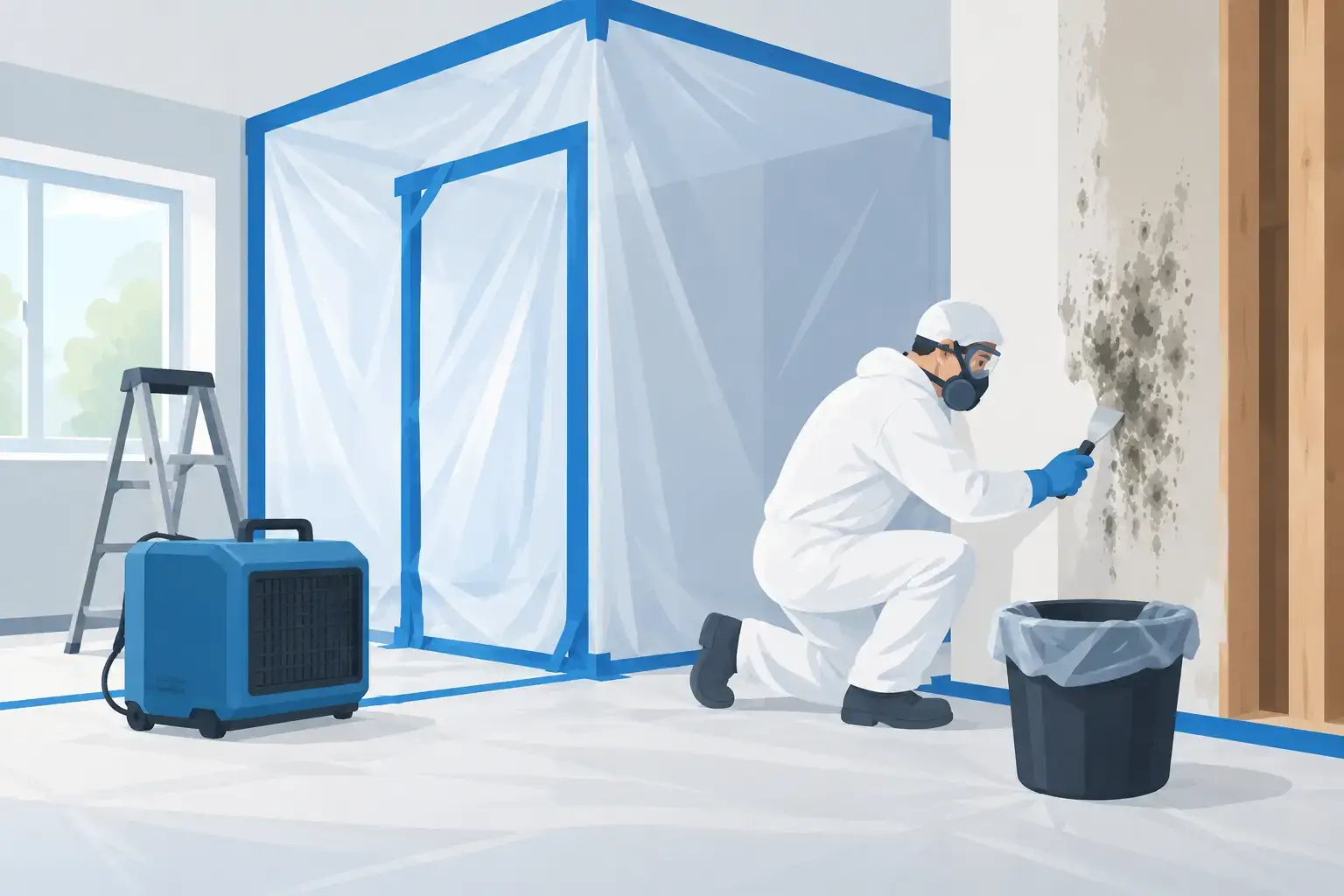
If mold contamination is confirmed, the remediation plan should address containment, removal of affected materials when necessary, HEPA filtration, cleaning of surrounding surfaces, and correction of the moisture source. Negative air pressure systems may be used to keep disturbed particles from spreading into unaffected areas.
After remediation, post-remediation verification can help confirm that the work area has been properly cleaned and that conditions support safe reoccupation. The appropriate verification method depends on the scope of the project, the materials affected, and the concerns that led to the assessment.
What You Can Do Before Help Arrives
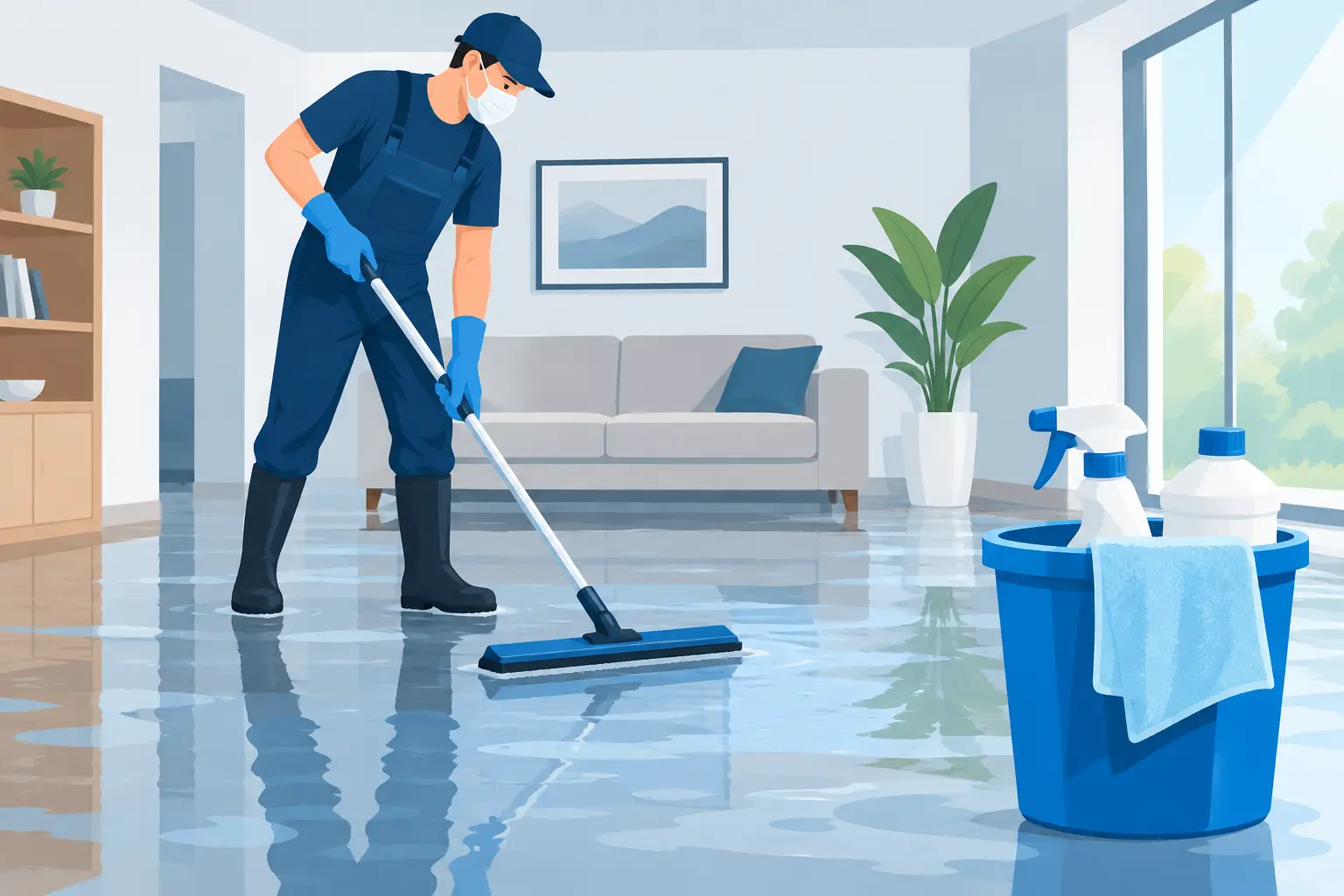
Property owners can take sensible steps without disturbing suspected contamination. Stop the water source if it is safe to do so, remove standing water promptly, and document visible damage with photos. Improve ventilation where possible and use a dehumidifier in a damp space, provided it does not delay a needed repair.
Avoid aggressively scrubbing large mold-affected areas, sanding damaged drywall, or tearing out materials without containment. Those actions can release particles into other rooms and make the situation harder to control. Do not paint over staining or mold before the moisture source and affected materials have been assessed.
Small, isolated surface spots on nonporous materials may sometimes be manageable with careful cleaning. However, recurring mold, musty odors, extensive visible growth, water-damaged porous materials, or contamination after flooding call for professional evaluation. The threshold for expert help should also be lower in properties with vulnerable occupants or complex HVAC systems.
Choosing a Remediation Provider
The right provider should explain what was found, what may still be unknown, and why each recommended step is necessary. Be cautious of anyone who promises to solve a hidden contamination issue without inspecting for moisture or who recommends widespread demolition before establishing the extent of damage.
Look for clear procedures, appropriate containment practices, and training or certifications relevant to water damage, mold remediation, and indoor environmental assessment. Certified professionals use specialized equipment and follow a defined process: inspect, identify the source, contain the affected area, remove or clean contaminated materials, dry the structure, and verify results.
Mold Removal Remediation provides this end-to-end approach for properties facing mold, water damage, and air contamination concerns. A focused inspection can protect the building without recommending work that the evidence does not support.
A healthy indoor environment is rarely created by masking an odor or cleaning what is easy to see. When a building gives signs of moisture or contamination, a timely inspection gives you the information needed to protect the people inside and make repairs that last.