


A cracked basement tile, aging pipe insulation, or a textured ceiling can turn a routine repair into a health and safety concern. This asbestos sampling checklist home guide helps property owners recognize when testing is needed, protect the area before it is disturbed, and prepare for a qualified inspection. The central rule is simple: suspected asbestos-containing material should be left intact until it can be assessed properly.
Asbestos is not a danger simply because it is present. The risk increases when fibers become airborne through cutting, sanding, drilling, scraping, demolition, or deterioration. Those fibers are too small to see and can remain suspended in indoor air. For homeowners, landlords, and property managers, a careful response protects occupants, contractors, and the property itself.
When to Use an Asbestos Sampling Checklist at Home
Use this checklist before renovation, repair, demolition, or cleanup involving materials in an older building. Many asbestos-containing products were widely used for their heat resistance, durability, and fire-resistant properties. A building’s age can raise suspicion, but it cannot confirm whether a material contains asbestos.
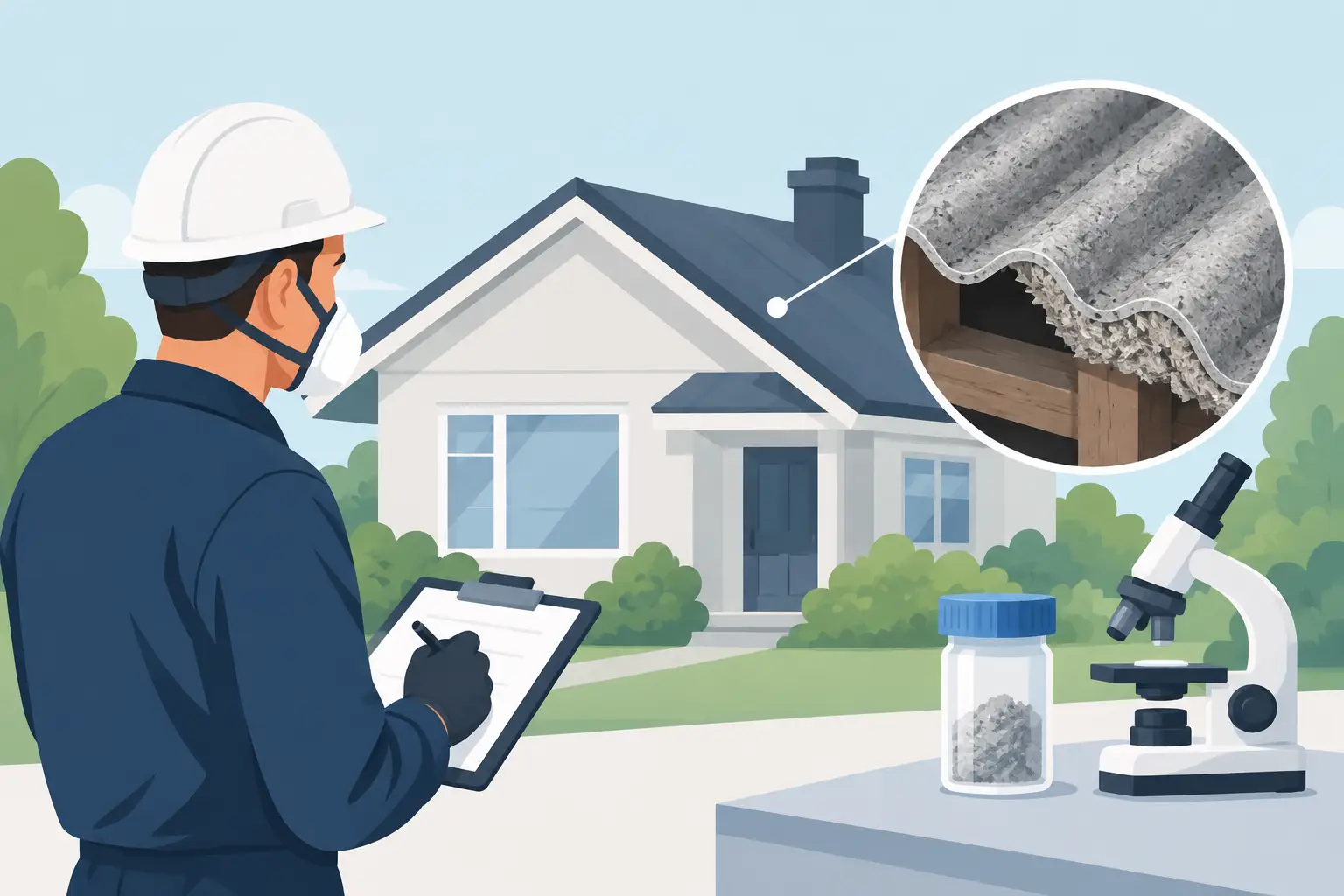
Common materials that may warrant testing include resilient floor tile and its adhesive, popcorn or textured ceiling coatings, drywall joint compound, pipe and boiler insulation, duct wrap, cement siding, roofing materials, furnace gaskets, and vermiculite attic insulation. Materials in good condition should not be disturbed just to satisfy curiosity. Testing is most useful when work may damage or remove the material.
A visual inspection cannot identify asbestos. Two materials can look identical while only one contains asbestos. Laboratory analysis of a properly collected sample is the reliable way to determine what is present.
Home Asbestos Sampling Checklist: Before Anyone Touches It
Before arranging sampling, pause all work in the immediate area. Tell family members, tenants, employees, cleaners, and contractors not to touch the suspected material. Do not sweep debris, vacuum with a standard household vacuum, or use a fan that could move dust through the room.
Document the concern without creating further damage. Take clear photos from a safe distance, note the room and location, estimate the material’s condition, and record any planned work. For example, write down whether a contractor intends to remove flooring, open a wall, replace pipe insulation, or install recessed lighting through a textured ceiling.
Check whether the material is intact, damaged, or already producing visible debris. Intact material may be managed in place until testing and a work plan are arranged. Damaged insulation, crumbling ceiling texture, or debris near a return-air vent deserves faster professional attention because the chance of fiber release is higher.
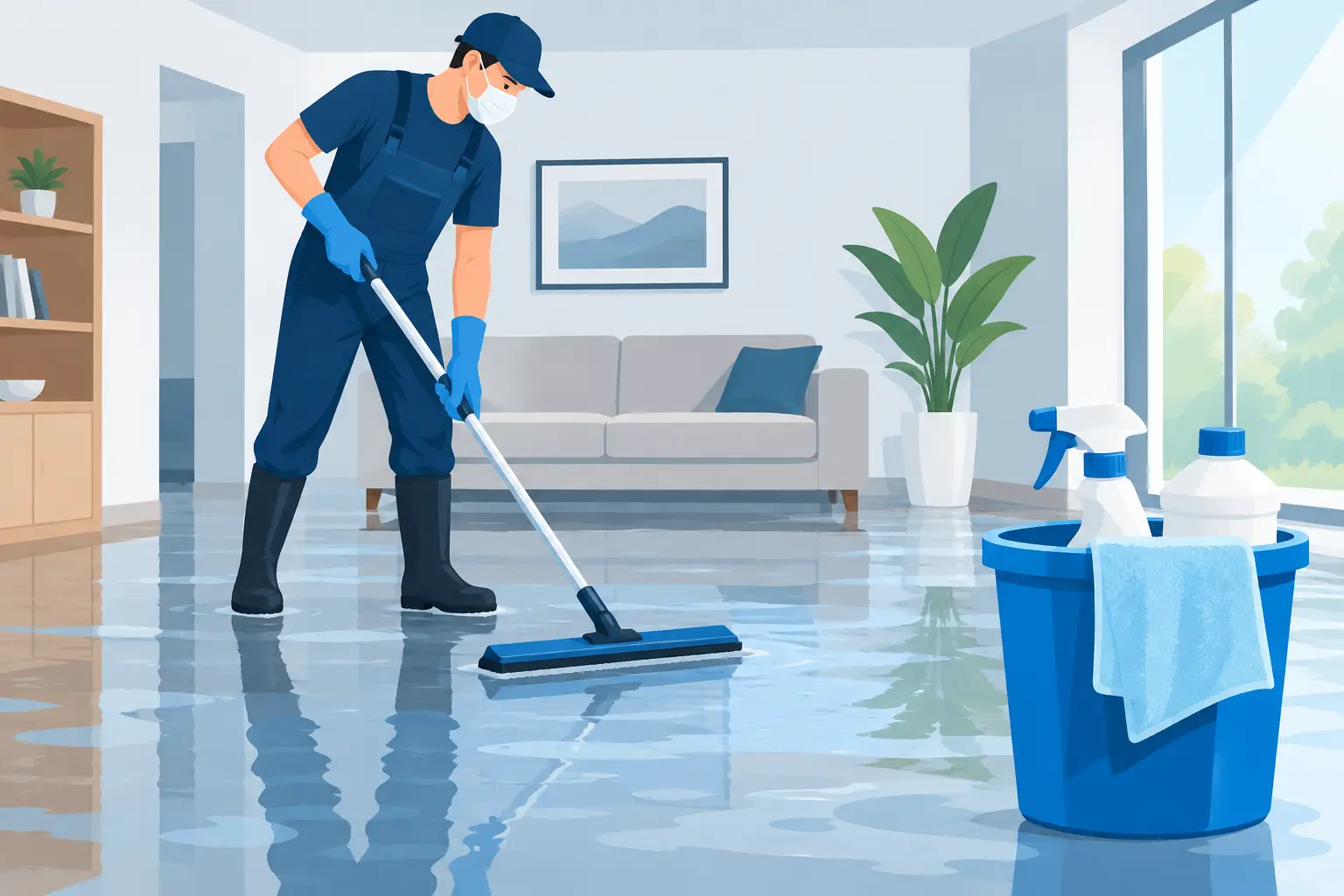
If the area has suffered water damage, fire damage, or a plumbing leak, treat it with extra caution. Moisture can cause materials to deteriorate, and cleanup activities often create the disturbance that releases fibers.
What Not to Do When You Suspect Asbestos
The wrong sampling method can create a larger contamination problem than the original material. Homeowners should not break off a piece of insulation, scrape ceiling texture into a bag, drill through tile, or pull apart old duct wrap without proper controls.
Avoid these common mistakes:
- Do not sand, saw, scrape, crush, or power-wash suspected material.
- Do not use a household vacuum, broom, leaf blower, or compressed air to clean dust or debris.
- Do not place loose material in regular trash without confirming local disposal requirements.
- Do not allow untrained contractors to begin demolition before materials have been evaluated.
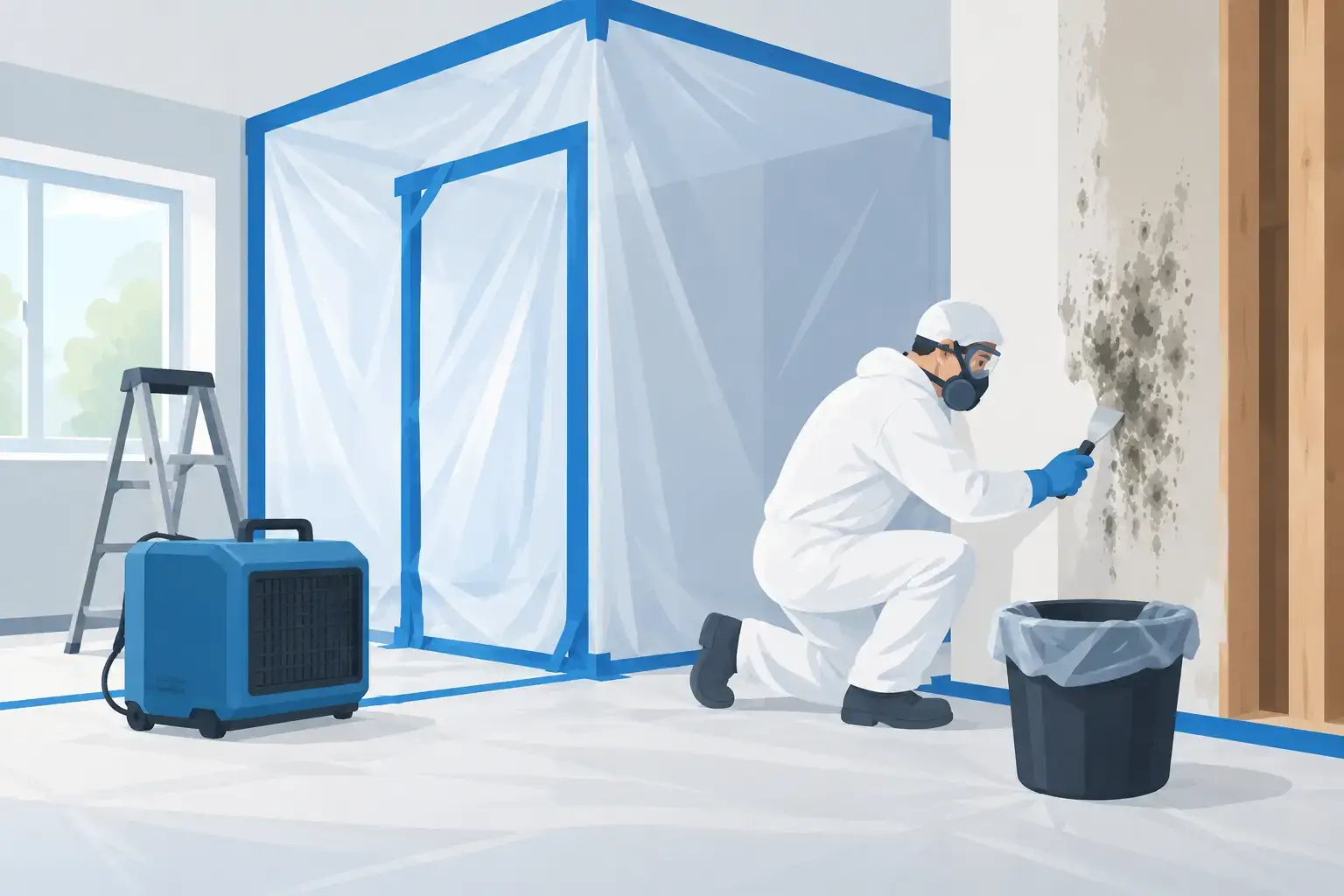
A disposable dust mask is not a substitute for an asbestos-control plan. Proper assessment may involve controlled sample collection, protective equipment, containment procedures, and laboratory chain-of-custody documentation. The level of precaution depends on the material, its condition, the location, and the scope of proposed work.
Prepare the Area for Professional Sampling
Professional sampling is usually a small, targeted process, but preparation helps keep it efficient and prevents accidental disturbance. Clear people and pets from the work area. Remove personal items only if they can be moved without rubbing against damaged material or generating dust. If the suspected source is overhead or near HVAC equipment, avoid operating fans or forcing air through the area until a professional advises otherwise.
Make access easy. Provide the inspector with information about the building’s age, previous renovations, water damage, known repairs, and areas where similar materials appear. The same-looking flooring or ceiling finish may be present in multiple rooms, and each location can matter when planning a renovation.
Be prepared to discuss the goal of testing. Sampling before a kitchen renovation is different from investigating deteriorating pipe insulation in a mechanical room. The first situation may focus on identifying materials before demolition. The second may require immediate containment recommendations if debris is present.
A qualified inspector can determine how many samples are needed and where they should be collected. Taking too few samples can produce incomplete information, while uncontrolled sampling creates unnecessary risk. The objective is not to collect the largest piece of material. It is to obtain a representative sample safely and send it to an appropriate laboratory for analysis.
Questions to Ask Before Scheduling Testing
Choose a provider that explains the process in plain language and follows applicable local and state requirements. Ask whether the company uses trained, qualified personnel, how samples are labeled and documented, which laboratory method will be used, and how results will be reported.
You should also ask what happens after a positive result. A useful testing service does more than send an email stating that asbestos was found. It should help you understand the affected material, the level of disturbance planned, whether the material can remain in place, and whether professional abatement is needed before repairs continue.
For landlords and property managers, documentation matters. Keep inspection notes, laboratory reports, work scopes, clearance records when applicable, and contractor invoices with the property file. Clear records can support maintenance planning, tenant communication, and future renovation decisions.
Understanding Test Results and Next Steps
A negative result means the tested sample did not contain asbestos at the laboratory’s reporting threshold. It does not automatically apply to every similar-looking material elsewhere in the building. If materials differ by location, color, installation date, or construction layer, additional evaluation may be appropriate.
A positive result does not always mean immediate removal. If the material is intact and will not be disturbed, management in place may be the safest option. This can include labeling, periodic condition checks, and avoiding activities that could damage it. Removal becomes more likely when the material is friable, deteriorating, accessible to occupants, or located within a planned renovation area.
When abatement is required, the work should be planned around containment, controlled removal, HEPA filtration, proper waste handling, and final cleaning. In some circumstances, post-work air monitoring or clearance testing provides added reassurance that the area is ready for reoccupation. Requirements vary by jurisdiction and project type, so the work plan should match the property and the applicable rules.
Special Situations That Need Fast Action
Some circumstances should not wait for a routine renovation consultation. Call a qualified asbestos professional promptly if insulation has fallen from pipes or ducts, a damaged ceiling is shedding debris, demolition has already begun, or a suspected asbestos-containing material was cut, drilled, or sanded.
Keep people away from the affected area, close the door if possible without disturbing debris, and avoid trying to clean it yourself. If dust may have reached an HVAC system, tell the inspector before the system is operated or serviced. Fast, controlled action can limit the spread of contamination and reduce downtime for the home or building.
Mold Removal Remediation approaches asbestos concerns with the same safety-first discipline used for indoor contamination investigations: assess the source, control exposure, identify the correct scope of work, and protect the property through qualified remediation practices.
The most helpful next step is often the least dramatic one: stop work, preserve the material as found, and arrange professional assessment before the next repair begins. That decision can prevent a manageable concern from becoming a costly cleanup.