

Visible mold may be gone, but the work is not automatically finished. Sanitization after mold removal is the controlled cleaning phase that addresses fine particles, contaminated dust, lingering odors, and surfaces that may have been exposed during the remediation process. For homeowners, landlords, and commercial property managers, this step helps turn a contained work area back into a safe, usable indoor space.
Mold remediation is not the same as spraying a disinfectant and calling the job complete. Effective restoration starts with identifying the moisture source, isolating the affected area, removing damaged materials when necessary, and cleaning remaining surfaces with the right methods. Sanitization supports that process by reducing residual contamination without spreading it to clean areas of the property.
What Sanitization After Mold Removal Actually Means
Post-remediation sanitization is a detailed cleaning process performed after mold-affected materials have been removed or treated. Its purpose is to remove settled spores, fragments, dust, and other debris that can remain on nonporous and semi-porous surfaces after demolition, cleaning, and containment removal.
The exact scope depends on the size of the affected area, the type of materials involved, the cause of the moisture problem, and whether the contamination was contained properly. A small bathroom issue may require targeted HEPA vacuuming and surface cleaning. A larger basement flood, attic contamination, or commercial water-loss event may require a broader cleaning plan that includes contents, HVAC-adjacent areas, and air filtration.
Sanitization is not a substitute for physical mold removal. If mold has penetrated drywall, insulation, carpeting, ceiling tiles, or other porous materials, applying chemicals alone may leave the underlying problem in place. Those materials may need to be removed under containment before final cleaning can begin.
Why Final Cleaning Matters for Health and Property
Mold spores occur naturally in indoor and outdoor environments. The concern is elevated indoor contamination, especially when moisture allows mold to grow on building materials. During a professional remediation project, containment barriers, negative air pressure, and careful work practices help prevent particles from moving through the property. Final sanitization provides another layer of control before the work area is returned to normal use.
This is particularly relevant for people with asthma, allergies, respiratory sensitivities, or weakened immune systems. It also matters in rental properties, offices, schools, retail spaces, and healthcare-related environments where property owners have a responsibility to maintain safe conditions for occupants.
From a property perspective, incomplete cleaning can leave behind musty odors, visible dust, and tenant concerns even after the source materials have been removed. More seriously, cleaning without correcting the original water intrusion can lead to new growth. A sanitized room is only as protected as the moisture control measures behind it.
What a Professional Post-Remediation Process Includes
A qualified remediation team tailors sanitization to the building and the contamination level. Still, a thorough process commonly follows a clear sequence.
Containment Stays in Place Until Cleaning Is Complete
The affected zone should remain contained during removal and detailed cleaning. Prematurely taking down barriers can release particles into hallways, adjoining rooms, or HVAC pathways. Professional teams use containment systems and negative air equipment to keep air moving in the correct direction while work is underway.
HEPA Vacuuming Removes Fine Debris
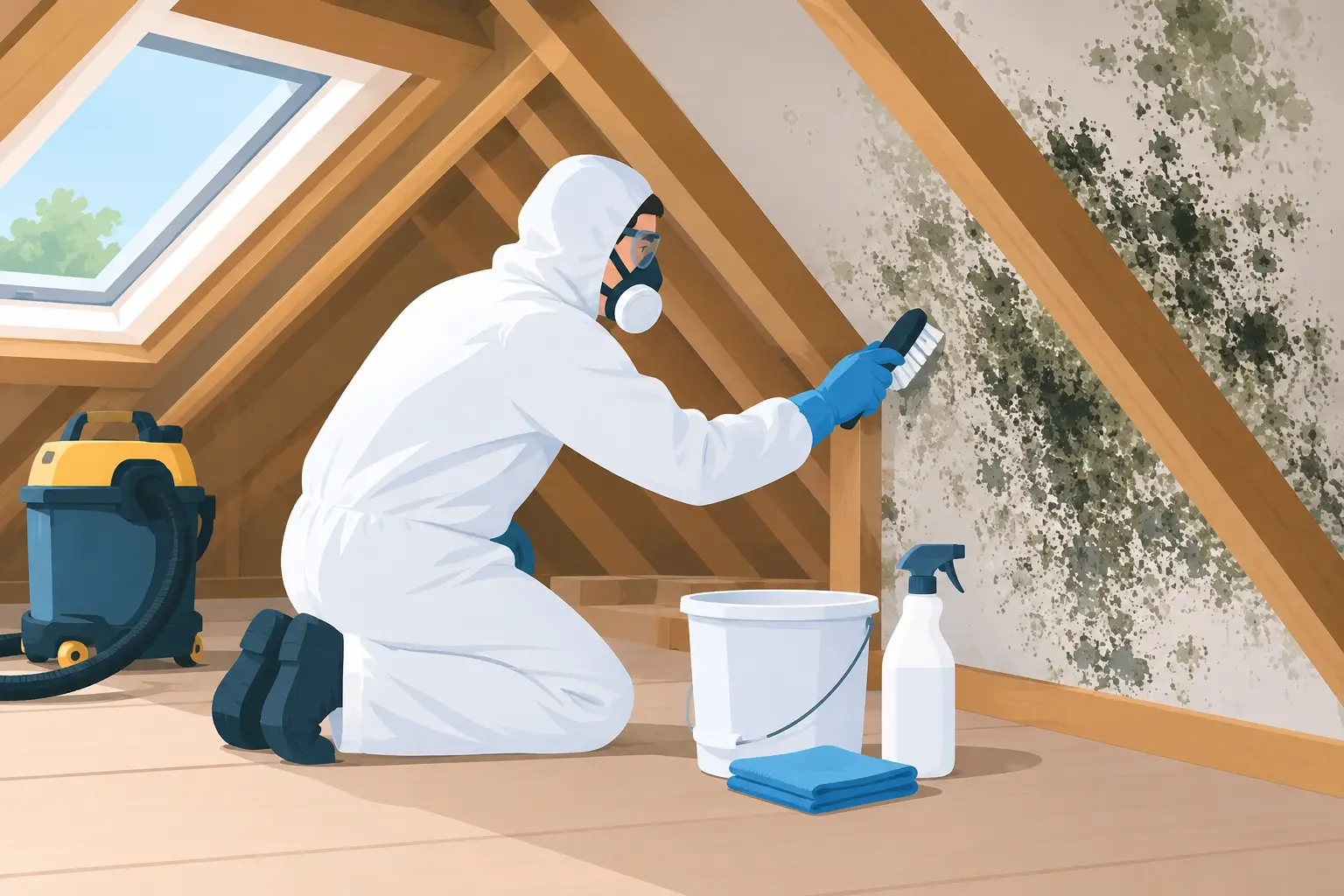
Ordinary household vacuums can exhaust fine particles back into the air. HEPA-filtered vacuums are designed to capture very small particulate matter from floors, ledges, framing, and other surfaces within the work area. Vacuuming is often performed more than once, especially after dust-producing removal work.
Damp Wiping and Surface Cleaning Follow
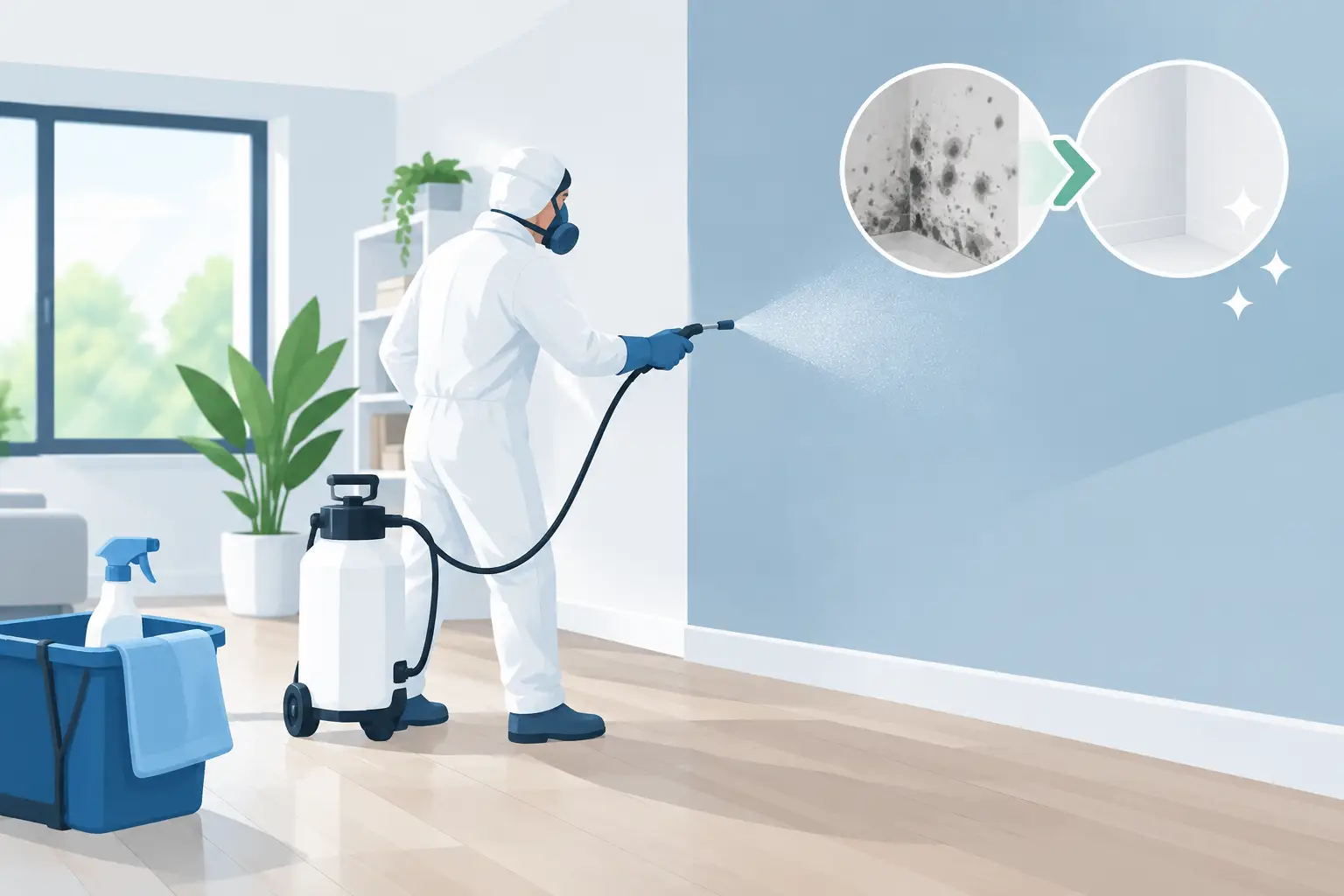
After HEPA vacuuming, hard surfaces are cleaned using appropriate methods and products. The goal is to physically remove remaining residue rather than simply mask odors. Technicians select cleaning agents based on the material, the contamination history, and the manufacturer instructions for the product being used.
Not every surface can or should be treated the same way. Wood framing, concrete, metal, glass, finished flooring, and personal contents all require different decisions. Aggressive cleaning can damage finishes, while weak cleaning may not adequately remove residue. This is where professional judgment matters.
Air Filtration Helps Clear Suspended Particles
Air scrubbers equipped with HEPA filtration can operate during and after remediation to capture airborne particles. The required runtime varies based on the size of the contained area, the amount of work performed, and the condition of the indoor air. Air filtration is useful, but it does not replace source removal and surface cleaning.
Odor Treatment Is Considered Carefully
Musty odors are a warning sign, not merely a cosmetic issue. If odor remains, the remediation team should first consider whether hidden moisture, missed contamination, or contaminated materials are still present. Odor-neutralizing treatments may be appropriate after removal and cleaning, but they should not be used to cover up an unresolved mold problem.
Sanitization Does Not Mean Every Item Can Be Saved
One of the most difficult parts of a mold project is deciding what can be cleaned and what should be discarded. Nonporous items such as metal, plastic, and glass are generally easier to clean when they are structurally sound. Some solid wood furniture and certain hard-surface belongings may also be recoverable with specialized cleaning.
Porous materials are more complicated. Wet insulation, moldy drywall, damaged ceiling tiles, upholstered furniture, paper products, and heavily contaminated carpeting may hold contamination below the surface. Trying to sanitize these items without proper evaluation can create a false sense of security and prolong the problem.
Contents should be assessed individually. Sentimental, high-value, or business-critical items may justify specialized restoration methods. In other cases, replacement is the safer and more cost-effective decision.
When Air Testing and Clearance Are Worth Considering
A visual inspection after cleaning is essential, but it is not always enough. Mold can exist in concealed cavities, and fine particles are not always visible. Post-remediation verification may include moisture readings, a detailed visual inspection, and, where appropriate, indoor air quality or clearance testing.
Testing is especially valuable after large remediation projects, water damage affecting multiple rooms, commercial remediation, tenant disputes, or situations involving vulnerable occupants. It can provide added documentation that the work area meets the project’s remediation goals.
Air samples should be interpreted in context. A single test result does not identify every hidden issue, and outdoor conditions can affect indoor comparisons. The strongest verification combines testing with a dry structure, corrected moisture source, completed cleaning, and a careful inspection of the remediated area.
Common Mistakes That Undermine Mold Sanitization
The most common mistake is cleaning first and investigating later. If a leak, condensation issue, roof defect, plumbing failure, or poor ventilation remains, mold can return even after an extensive sanitization effort. Moisture control must be part of the solution.
Another mistake is relying on bleach or fragranced products for every situation. These products may be unsuitable for certain materials, and strong odors can make occupants think a space is clean when contamination or moisture remains. Effective remediation relies on source removal, controlled cleaning, and proper drying.
Removing containment too early, using standard vacuums, and reopening HVAC systems before the work area is cleared can also move contamination beyond the original zone. These errors can turn a contained problem into a wider property concern.
Protecting the Space After Remediation
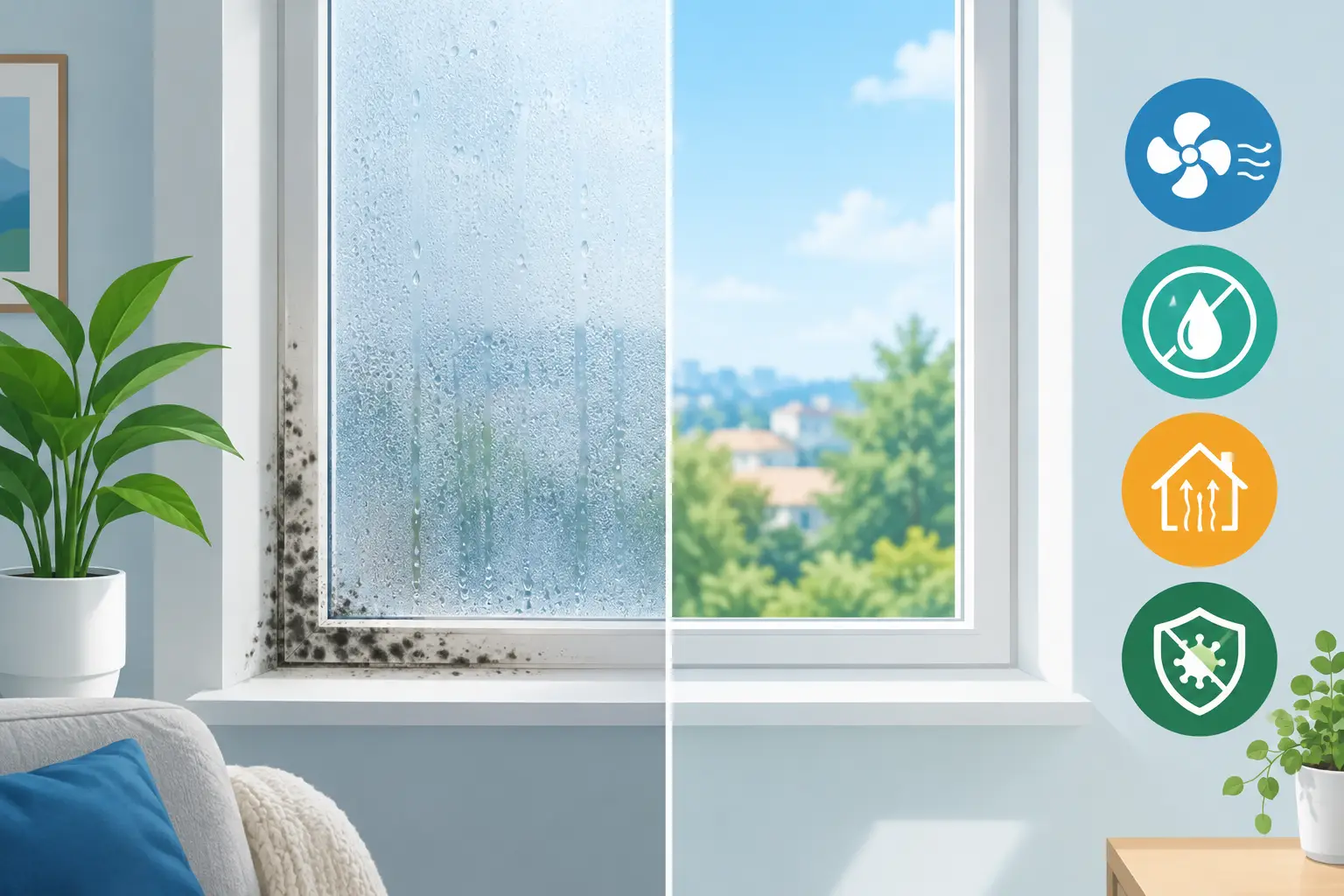
Once sanitization and verification are complete, the focus shifts to prevention. Keep indoor humidity under control, address leaks promptly, use bathroom and kitchen exhaust fans, and monitor areas with a history of water intrusion. Basements, attics, laundry rooms, crawl spaces, and areas near plumbing fixtures deserve regular attention.
Property managers and business owners should document the moisture event, remediation scope, and follow-up findings. Clear records support maintenance planning, tenant communication, insurance discussions, and future property transactions. For homeowners, photos, invoices, and any post-remediation test results can provide useful proof that the issue was addressed professionally.
If a space still smells musty, shows new staining, feels damp, or triggers recurring occupant complaints after mold removal, do not assume the sanitization failed in isolation. The underlying moisture source or a hidden area may need further investigation. A certified remediation professional can help determine whether the property needs additional cleaning, moisture diagnostics, or post-remediation air quality testing before the concern grows again.