


A basement can go from wet to contaminated faster than most property owners expect. Basement mold after flooding often starts behind finished walls, under flooring, and inside insulation long before dark spots appear on a surface. If your basement took on water, the real issue is not just drying what you can see. It is finding where moisture stayed trapped and stopping mold from spreading through the air and into the rest of the building.
Why basement mold after flooding gets serious quickly
Floodwater creates the perfect conditions for growth. Drywall, wood framing, carpet, ceiling tiles, cardboard storage, and fabric all hold moisture. Once those materials stay damp for more than a day or two, mold can begin developing, especially in a basement where airflow is limited and humidity stays high.
That is why a flooded basement is rarely just a cleanup job. Even if the water is gone, hidden moisture can remain inside cavities, beneath vinyl flooring, behind baseboards, and under subfloors. Many property owners assume they are safe because the space looks dry. In practice, visible dryness and safe moisture levels are not the same thing.
There is also a major difference between clean water from a supply line and contaminated water from storms, groundwater intrusion, or sewer backup. The more contaminated the water source, the more careful the removal and sanitization process needs to be. In those cases, surface cleaning alone is not an appropriate response.
The first 24 to 48 hours matter most
Speed makes a real difference after a flood. The longer wet materials remain in place, the more likely it is that mold will take hold and spread. Fast action can reduce structural damage, protect indoor air quality, and limit how much material has to be removed.
Start by shutting off electrical hazards if the area is unsafe, then remove standing water as quickly as possible. Dehumidification and high-airflow drying should begin immediately. Wet contents such as rugs, boxes, upholstered furniture, and stored paper goods need to be removed from the basement or discarded if they cannot be safely dried.
At this stage, many people reach for bleach. That is one of the most common mistakes. Bleach is not a complete remediation strategy for porous materials, and it does not address moisture trapped behind surfaces. It may lighten staining, but it does not solve the underlying contamination if the material remains wet or mold has penetrated below the surface.
Signs mold is already growing after a basement flood
Sometimes mold is obvious. More often, it announces itself indirectly. A musty odor is often the first warning sign, especially if the basement still smells damp days after cleanup. Peeling paint, bubbling drywall, warped trim, discoloration along lower walls, and persistent humidity are all red flags.
You may also notice health-related complaints. Occupants with asthma, allergies, or respiratory sensitivity often react first. Symptoms can include coughing, sinus irritation, eye irritation, headaches, or worsening breathing issues while in the building. That does not mean every symptom is caused by mold, but after flooding, indoor contamination should be taken seriously.
In finished basements, hidden mold is especially common. Water can wick upward into drywall and insulation without leaving dramatic surface evidence. If the basement was flooded and materials were not professionally dried and tested, hidden contamination is a real possibility.
When you can clean it yourself and when you should not
There are limited cases where do-it-yourself cleanup is reasonable. If the affected area is small, the water source was clean, the materials are non-porous, and drying started immediately, a controlled cleanup may be enough. Hard surfaces such as concrete or metal can often be cleaned and dried successfully.
But that only applies when the damage is truly minor. Once you are dealing with soaked drywall, insulation, carpeting, wood trim, repeated flooding, sewage-related water, or a musty smell that lingers after drying, professional remediation is the safer path. The issue is not just removing visible mold. It is identifying hidden moisture, preventing spores from spreading during demolition, and verifying that the area is actually dry and clean.
For landlords and commercial property owners, there is another layer to consider. Delayed or incomplete response can lead to tenant complaints, habitability concerns, and bigger restoration costs later. A low-cost cleanup that misses hidden contamination can become an expensive problem.
How certified remediation handles basement mold after flooding
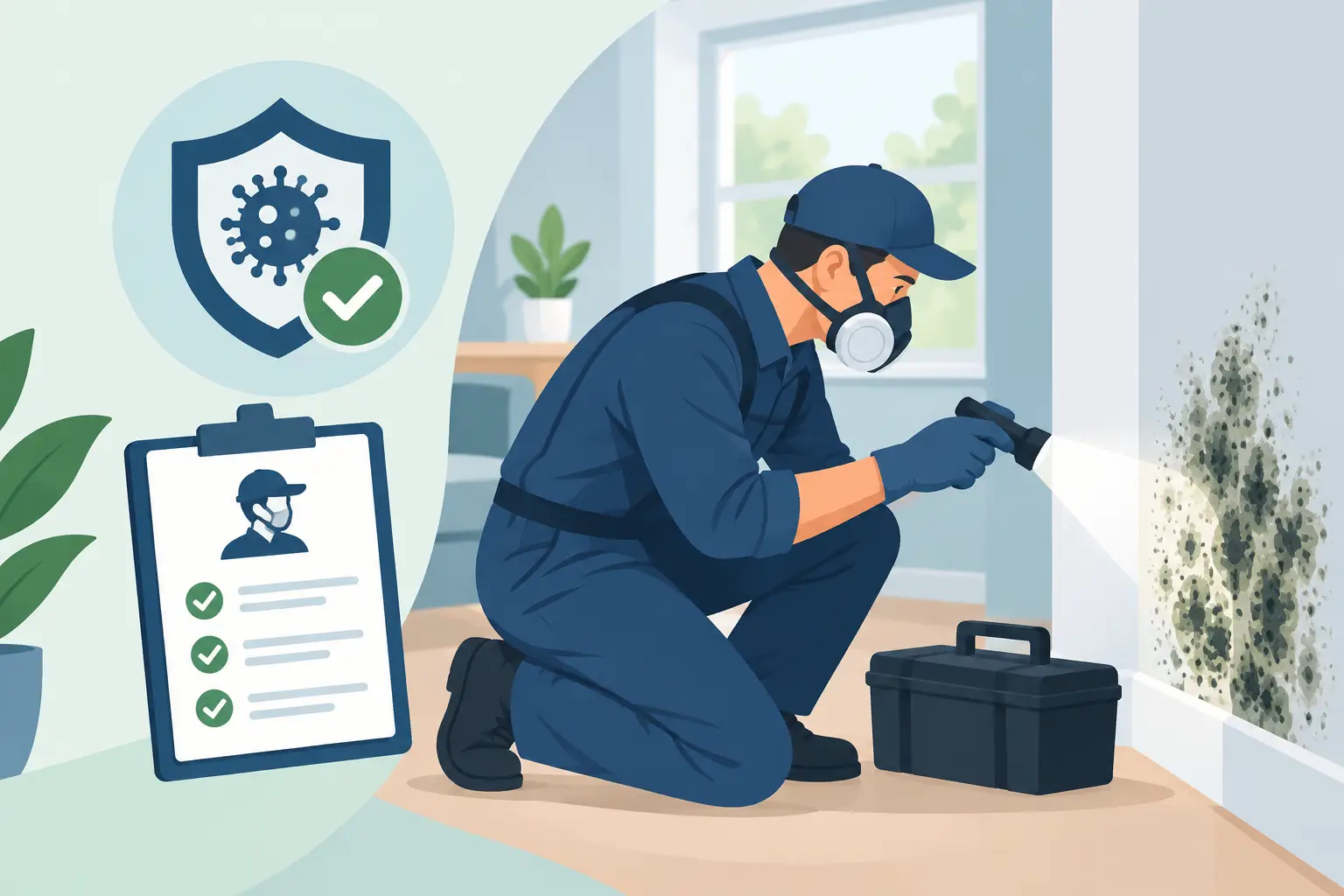
A proper remediation process is structured, not cosmetic. First comes inspection. Moisture meters, thermal imaging, and visual assessment help determine how far water traveled and which materials are affected. This matters because the visible damage line is not always the real boundary of contamination.
The next step is containment. If mold is present or likely, the affected area should be isolated to keep spores from spreading to upper levels or adjacent rooms. Professional teams often use HEPA filtration and negative air pressure systems during removal. That protects indoor air quality while contaminated materials are taken out.
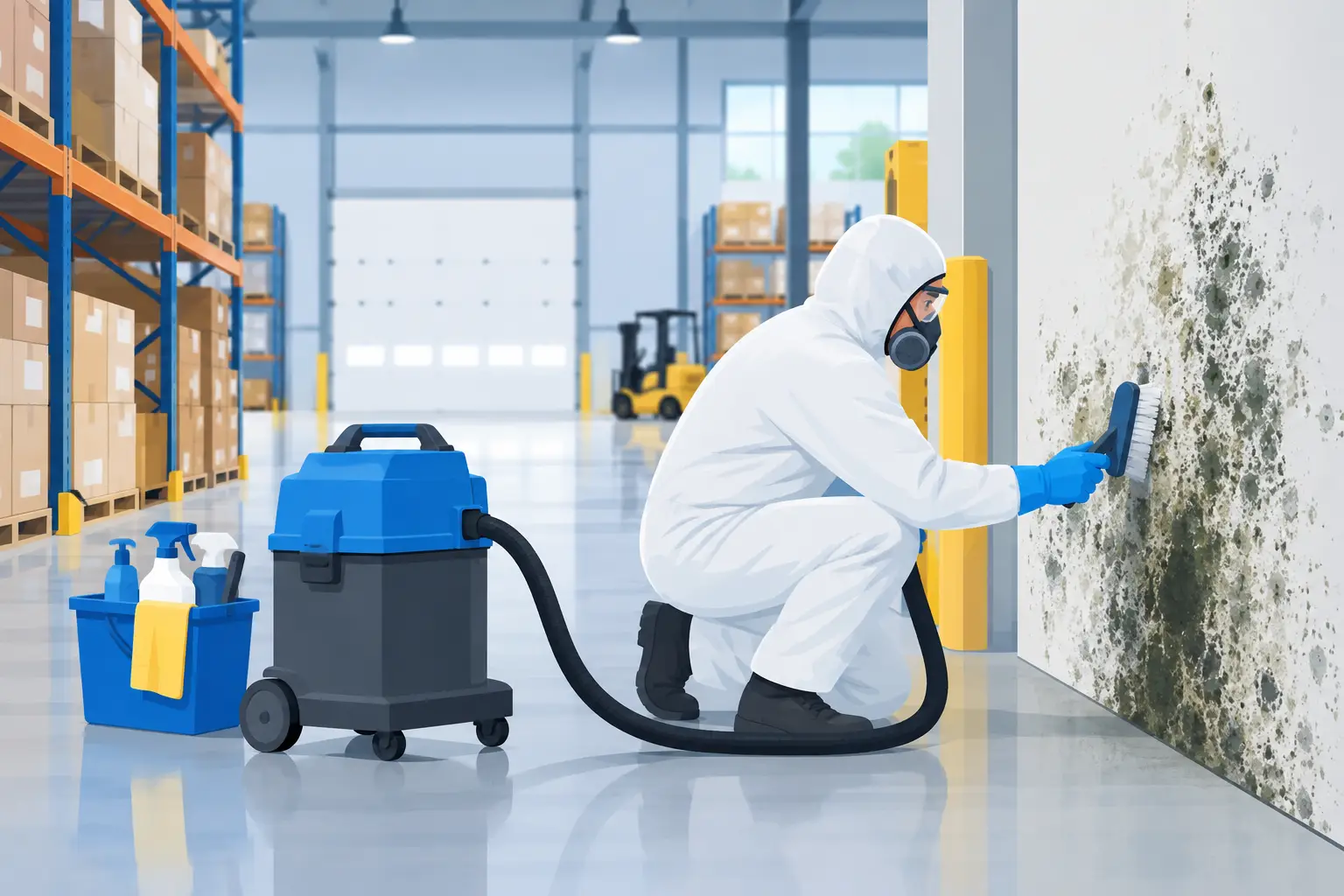
Then comes controlled demolition and removal. Porous materials that cannot be salvaged, such as wet drywall, insulation, carpet pad, or contaminated contents, are removed safely. Structural elements that can be saved are cleaned using remediation-specific methods, not just general household disinfectants.
Drying and dehumidification continue throughout the process. Remediation is not complete when the mold is gone from sight. It is complete when the moisture source is corrected, the structure reaches acceptable moisture levels, and cleaning has addressed settled spores and debris. In many cases, post-remediation verification or air quality testing provides added confirmation that the environment is safe.
Why hidden moisture is the problem most people miss
A basement is already one of the most moisture-prone parts of any building. After a flood, that risk increases because water migrates into places that are hard to inspect without the right tools. Subfloor systems, wall cavities, sill plates, and utility penetrations can all hold moisture long after the surface appears dry.
This is where experience matters. A certified team does not just ask where the water was standing. They look at how it moved, how long materials stayed wet, what the basement is made of, and whether there are existing issues such as poor drainage, cracks, high humidity, or ventilation problems.
That broader view is what helps prevent repeat contamination. If the flood cleanup ignores the reason moisture remains, mold can return in the same area weeks or months later.
Preventing mold from returning after remediation
The best remediation work can still be undermined if moisture control is not addressed. Prevention starts with fixing the source of water intrusion. Depending on the property, that may involve foundation repair, sump pump replacement, drainage correction, plumbing repair, or sealing around entry points.
Humidity control is just as important. Basements should stay dry year-round, not only after storms. Dehumidifiers, improved airflow, insulation adjustments, and regular moisture checks can make a major difference. Finished basements need extra attention because enclosed materials trap moisture more easily than unfinished concrete spaces.
Storage habits also matter. Keep boxes, fabrics, and paper goods off the floor and away from exterior walls. If the basement has flooded before, avoid storing anything absorbent in vulnerable areas. It is a simple step, but it reduces both mold risk and cleanup costs.
What property owners should do next
If your basement flooded recently, do not wait for visible mold before taking action. Musty odor, damp materials, staining, or persistent humidity are enough to justify an inspection. The sooner moisture mapping and contamination assessment begin, the more control you have over the outcome.
For homeowners, that means protecting both health and property value. For landlords and business owners, it also means reducing liability, protecting occupants, and avoiding a larger restoration project later. In the Toronto and GTA area, Mold Removal Remediation addresses these problems with certified inspection, containment, removal, and air quality-focused remediation.
A dry-looking basement is not always a safe one. After flooding, the smart move is to treat moisture like a hidden hazard until proven otherwise.