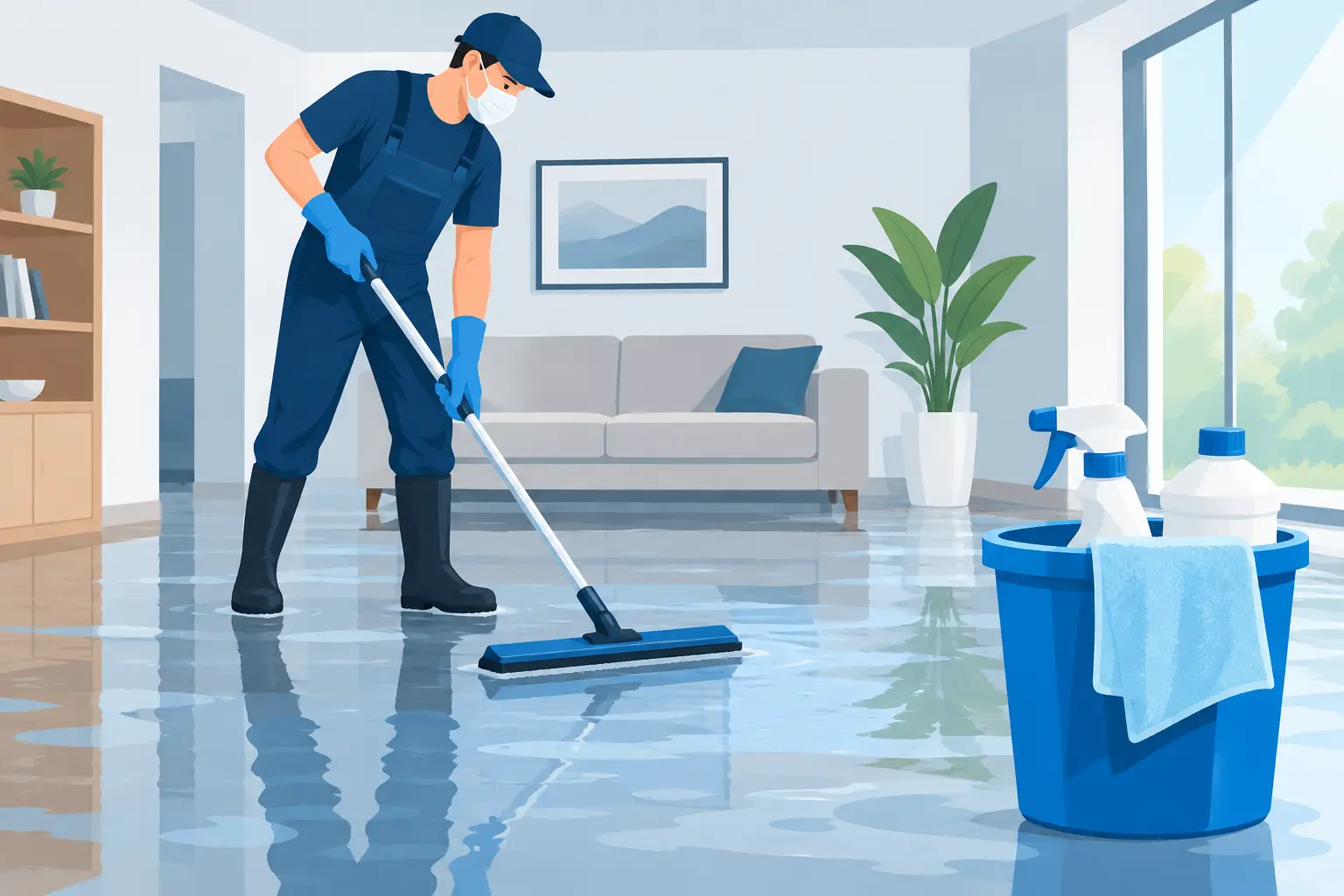



A small patch of mold on bathroom caulk may be a cleaning job. Mold spreading behind a baseboard after a leak is a different situation entirely. Professional mold removal versus DIY comes down to more than what you can see: the affected area, the materials involved, the moisture source, and the chance that spores have traveled into other parts of the property all matter.
For homeowners, landlords, property managers, and business owners, the wrong approach can turn a contained problem into a larger cleanup. The goal is not simply to make staining disappear. It is to correct the conditions that allowed mold to grow and return the indoor environment to a safe, dry condition.
Professional Mold Removal Versus DIY: The Core Difference
DIY cleaning focuses on a visible surface. Professional remediation addresses the full contamination event. That includes inspecting the affected area, locating active or past moisture intrusion, determining whether materials can be cleaned or must be removed, isolating the work zone, and verifying that cleanup has been effective.
This distinction matters because mold often grows where it cannot be easily seen. A musty odor in a basement, recurring stains near a window, buckling flooring, or peeling paint after water damage can point to moisture inside walls, beneath flooring, or above ceilings. Wiping the visible growth may improve appearance while leaving the source untouched.
Professional teams use tools such as moisture meters and thermal imaging to identify damp building materials without opening every wall. When conditions warrant it, air quality testing and targeted sampling can help clarify whether indoor contamination is affecting occupied spaces. The findings guide a remediation plan based on the property, not assumptions.
When DIY Mold Cleanup Can Be Reasonable
DIY is not automatically irresponsible. A small, isolated area of surface mold can often be cleaned by the property owner when the material is nonporous, the water issue has been resolved, and there is no indication of hidden spread. Examples may include light mold on tile, glass, metal, or a small area of sealed bathroom trim caused by condensation.
The work still requires care. Wear appropriate personal protection, improve ventilation, avoid dry brushing or sanding, and clean using a method suitable for the surface. The area must be dried completely afterward. A bathroom fan that does not vent properly, a slow plumbing leak, or consistently high humidity will allow growth to return regardless of how thoroughly the surface is scrubbed.
DIY becomes less appropriate when mold is on porous materials. Drywall, insulation, carpet padding, ceiling tiles, unsealed wood, and upholstered materials can hold contamination below the surface. Cleaning may not remove mold roots or moisture from these materials, and aggressive scrubbing can release particles into the air.
A practical rule is to be cautious once the visible area approaches 10 square feet, keeps returning, or follows a significant leak, flood, sewage backup, or long-term humidity problem. The size of the stain is not always the size of the issue behind it.
Why Larger Mold Problems Need Containment
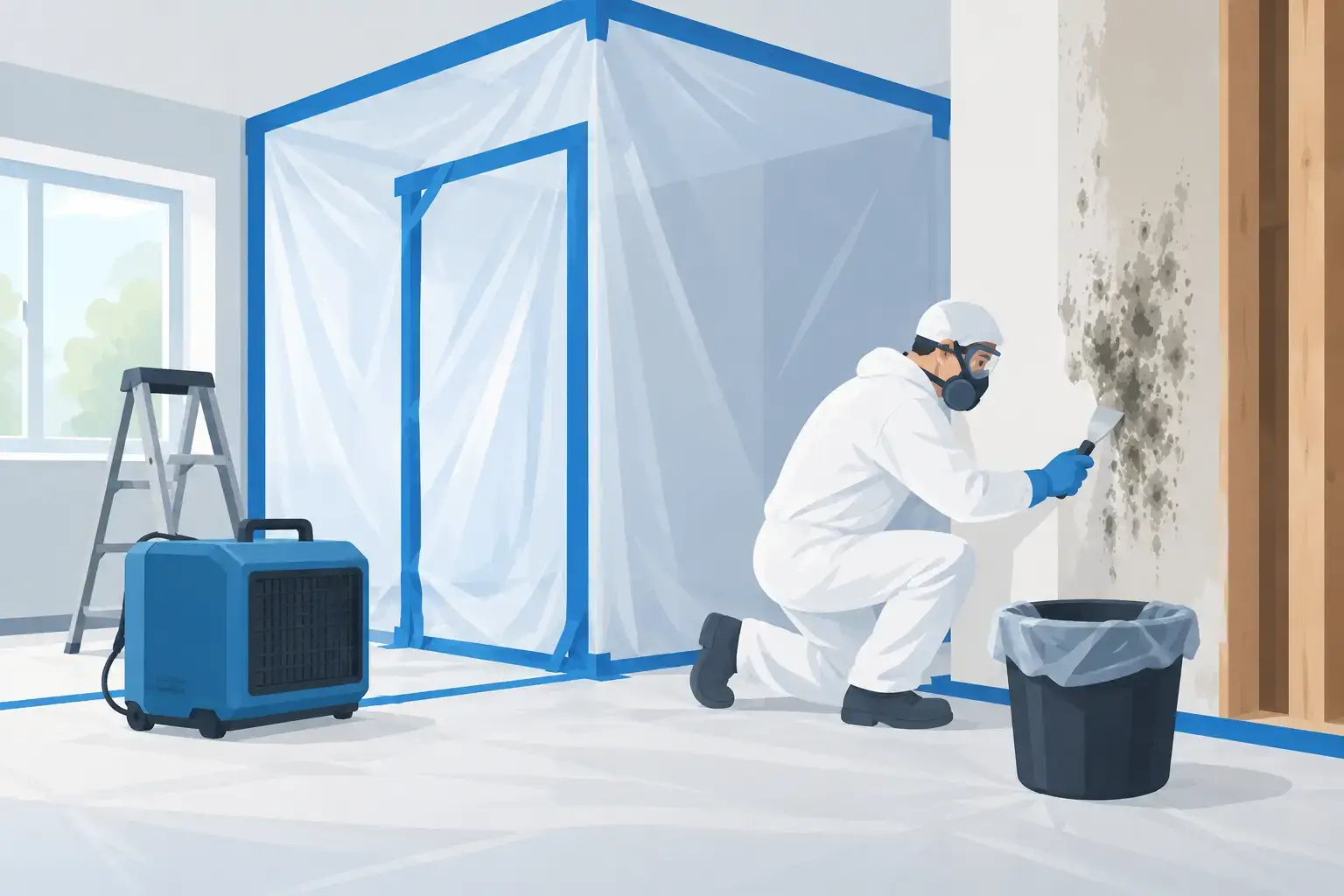
Mold removal can disturb spores. Without proper containment, opening a wall or tearing out wet drywall can spread particles to hallways, bedrooms, offices, HVAC pathways, and contents that were not originally affected.
Certified remediation professionals control this risk with physical barriers, negative air pressure, and HEPA-filtered air scrubbers. Negative pressure helps keep airborne particles inside the contained work area rather than allowing them to move into clean portions of the building. Workers also use protective equipment and follow controlled removal procedures for contaminated materials.
This is especially relevant in occupied properties. A landlord addressing a tenant complaint, a facility manager responsible for employees, or a homeowner with children, older adults, or people with respiratory sensitivities should not have to guess whether a demolition project is releasing contamination through the property.
Professional cleanup also includes detailed HEPA vacuuming and cleaning of the contained area after removal. The objective is controlled remediation, not a rushed tear-out followed by a coat of paint.
The Moisture Source Is the Real Repair
Mold is a moisture problem before it becomes a mold problem. A dependable remediation plan identifies why materials became wet and what must change to prevent recurrence.
The cause may be a roof leak, plumbing failure, foundation seepage, window intrusion, appliance leak, poor grading, condensation on cold surfaces, or inadequate ventilation. In commercial settings, it may involve a roof penetration, mechanical system issue, restroom leak, or water damage that was never fully dried.
A professional inspection separates the symptoms from the cause. If drywall is removed but the plumbing leak remains active, new materials can become contaminated. If a basement is cleaned without managing chronic humidity or water intrusion, the same musty conditions can return within weeks or months.
This is where a lower upfront DIY cost can become more expensive. Repeated cleaning, replacement of damaged belongings, tenant disruptions, business downtime, and growing repair needs can outweigh the cost of identifying the issue correctly at the start.
Health, Liability, and Occupied Buildings
Mold affects people differently. Some occupants may notice musty odors or irritation, while others may have no obvious symptoms. Regardless of individual response, visible mold and persistent dampness should be addressed promptly because they signal an indoor environmental condition that needs correction.
For property owners and managers, the concern is also documentation and duty of care. Tenant complaints, employee concerns, insurance discussions, and future property transactions all become more difficult when a water-damage issue has been handled informally without a clear record of inspection, repairs, and remediation.
Professional providers can document moisture findings, affected materials, containment procedures, removal work, and post-remediation conditions. This does not replace legal or medical advice, but it gives property decision-makers a factual basis for the actions taken.
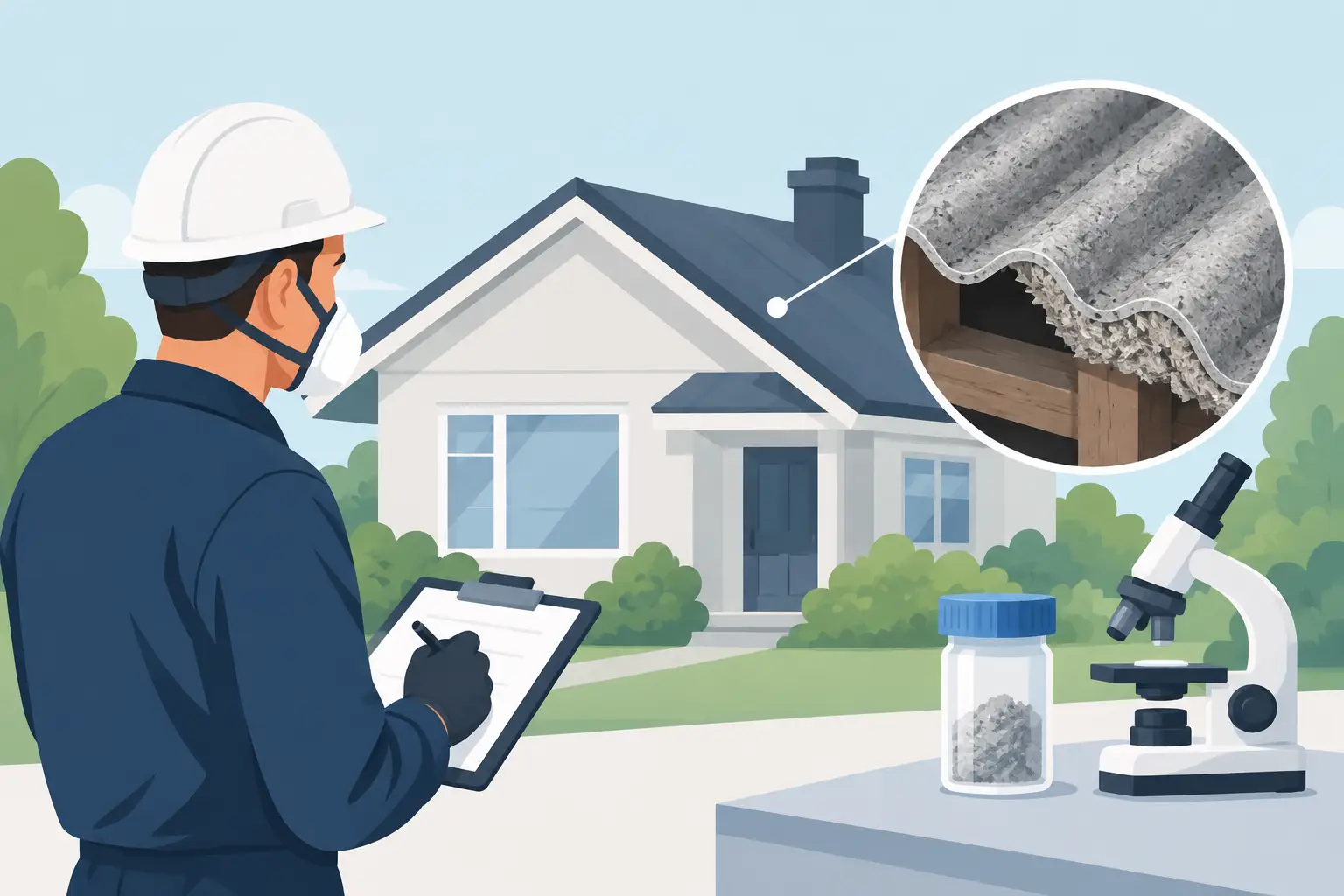
Before disturbing older building materials, consider whether asbestos-containing materials may be present. Some flooring, ceiling textures, pipe insulation, mastics, and other materials can require testing before renovation or removal. Treating a mold project as simple demolition without checking this risk can create a more serious contamination issue.
What a Professional Mold Remediation Process Looks Like
The best remediation work is methodical. It starts with an assessment of the visible damage, moisture history, building materials, odor conditions, and likely hidden areas. The scope should explain what is affected, what needs to be removed or cleaned, and how the moisture source will be corrected.
Next comes containment and air control when needed. Contaminated porous materials are removed carefully, while salvageable structural surfaces are cleaned using appropriate HEPA vacuuming and remediation methods. The team manages waste so it does not travel through unaffected rooms.
After cleanup, the affected area must be dry. Repairs should not close walls or ceilings until moisture conditions are resolved. Depending on the circumstances, post-remediation verification or air quality testing can provide added confidence that the area has been properly cleaned before reconstruction or reoccupation.
Credentials matter here. Look for a remediation provider with recognized training, insurance, worker safety coverage, clear scope documentation, and equipment suited to containment and moisture investigation. A credible contractor will explain what they found, what they recommend, and why a particular step is necessary.
Choosing the Right Response for Your Property
There is no benefit in paying for a major remediation project when a small surface issue can be safely cleaned and the source is obvious and resolved. There is also no savings in treating hidden or widespread contamination with household products and hoping the odor disappears.
Choose DIY only when the area is small, isolated, on a cleanable surface, and clearly tied to a corrected moisture issue. Seek a professional inspection when growth is extensive or recurring, the property smells musty, water damage has affected walls or flooring, occupants have raised concerns, or you suspect contamination behind finished materials.
For Toronto and GTA property owners, Mold Removal Remediation approaches these cases as indoor environmental problems, not cosmetic cleaning jobs. The right response begins with evidence, controls contamination during the work, and focuses on the condition that caused the damage.
If you are unsure where your situation falls, resist the urge to cover stains or begin demolition immediately. Preserve the area, stop active water if it is safe to do so, and get a clear assessment before a manageable moisture issue becomes a larger property and air-quality concern.