

A basement renovation can turn risky before the first wall comes down. Old pipe wrap, ceiling texture, vinyl floor backing, drywall compound, and furnace insulation may look ordinary, yet some materials can contain asbestos. Asbestos testing provides the answer before drilling, cutting, sanding, demolition, or cleanup sends dangerous fibers into the air.
For homeowners, landlords, property managers, and business owners, testing is not about creating alarm. It is about making a safe, informed decision. A certified inspection and laboratory analysis can identify suspect materials, define the scope of work, and prevent a manageable concern from becoming an exposure event or a costly project delay.
What asbestos is and why disturbance matters
Asbestos is a group of naturally occurring mineral fibers once used in many building products for heat resistance, fire protection, strength, and insulation. It was especially common in older residential, commercial, industrial, and institutional properties. A building’s age can raise suspicion, but age alone cannot confirm whether a material contains asbestos.
The greatest concern is usually not a material sitting undisturbed in good condition. Risk rises when asbestos-containing material is damaged, deteriorating, or disturbed. Renovation work can break materials apart and release microscopic fibers. These fibers cannot be identified by sight or smell, and ordinary household vacuuming can make the situation worse by redistributing dust.
That is why a visual opinion is never enough. Materials that appear identical can have different compositions. Laboratory analysis of properly collected samples is the reliable way to determine whether asbestos is present.
When asbestos testing should happen
Testing should be considered before any work that could disturb suspected building materials, particularly in a property built before modern asbestos restrictions took effect. Do not assume that a recent coat of paint, new flooring, or a renovated room means all older materials were removed.
Common situations include planned remodeling, water or fire damage, a leaking roof that has damaged ceiling materials, replacement of old flooring, removal of textured ceilings, and repairs around heating ducts or plumbing. Testing is also appropriate when brittle insulation, crumbling pipe wrap, damaged ceiling tiles, or loose debris is found in a mechanical room, crawl space, attic, or unfinished basement.
For landlords and commercial property managers, the trigger may be a tenant complaint, maintenance request, capital improvement, or contractor proposal. Testing early protects occupants and helps avoid stopping a project after demolition has already begun. In occupied buildings, that timing matters: it gives the property owner a chance to plan containment, access restrictions, notifications, and qualified removal without unnecessary disruption.
Materials commonly included in asbestos testing
An inspection focuses on suspect materials that may be disturbed or have been damaged. The exact scope depends on the building, its history, and the planned work. A qualified professional may assess materials such as:
- Pipe, boiler, and duct insulation
- Textured ceilings and decorative plaster finishes
- Vinyl floor tile, sheet flooring, mastic, and backing
- Drywall joint compound and some wall or ceiling systems
- Roofing, siding, caulking, and cement products
- Fireproofing, sprayed insulation, and acoustic materials
Not every older material contains asbestos, and not every sample location represents every room. For example, flooring installed in different years may have different backing or adhesive. A thorough inspection documents distinct materials and locations so testing reflects the real scope of the property or project.
How professional asbestos testing works
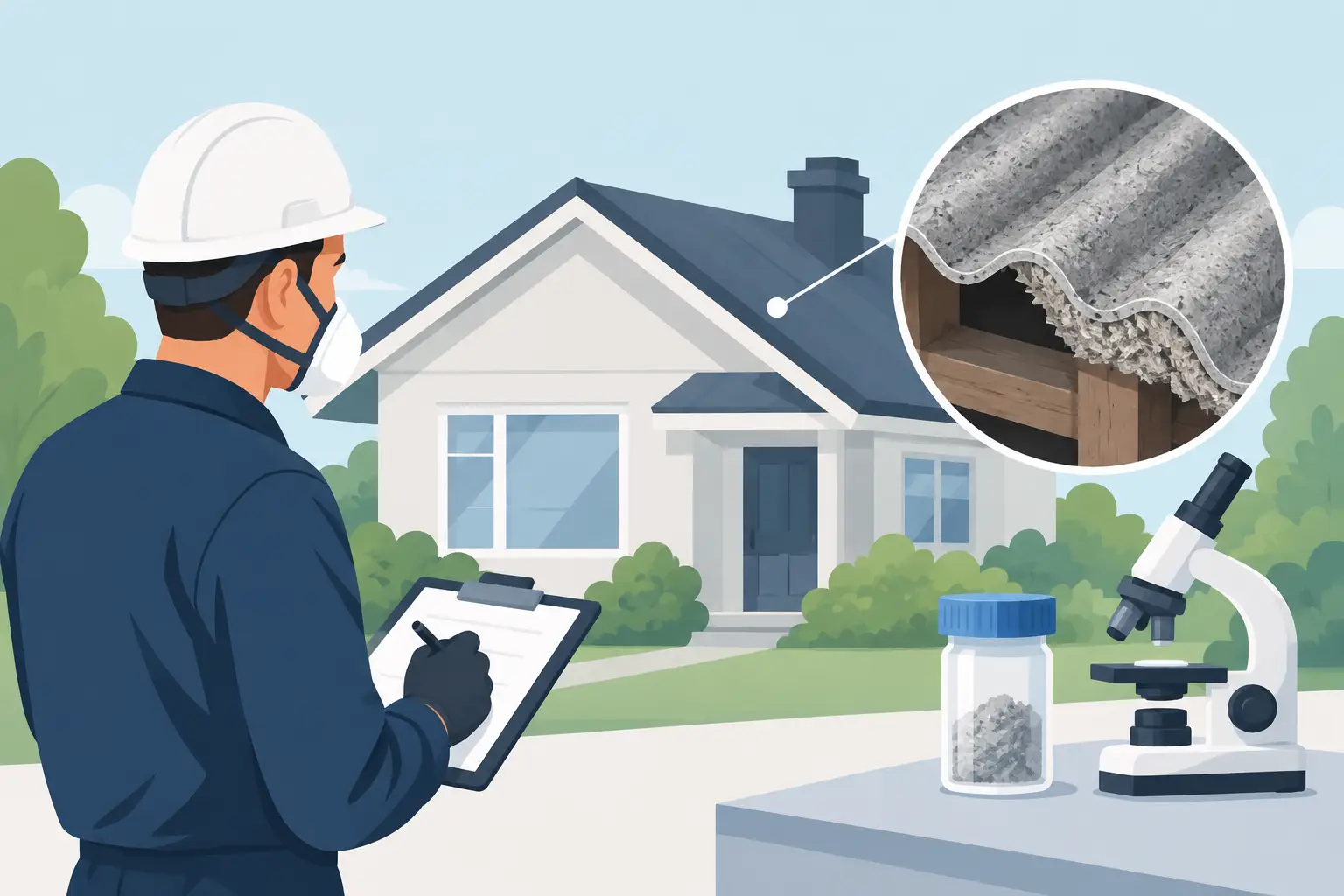
A proper process starts with an inspection, not a guess. The inspector reviews the building area, notes material condition, considers prior renovations, and identifies materials that could be affected by planned work. If sampling is appropriate, samples are collected carefully using controlled methods designed to minimize fiber release.
The sample is then sealed, labeled, and sent to an accredited laboratory for analysis. Results identify whether asbestos was detected and, depending on the report, the type and percentage present. The findings should be explained in plain language, along with what they mean for the proposed repair, renovation, or removal.
If asbestos is confirmed, the next step depends on its condition and the work planned. Intact material that will remain undisturbed may sometimes be managed in place through monitoring, labeling, repair, or encapsulation. Material that is damaged or will be disturbed generally requires a controlled abatement plan. There is no one-size-fits-all response, which is why the inspection stage is so valuable.
At Mold Removal Remediation, the approach is built around identifying the hazard before it spreads. Certified professionals can assess suspect materials, coordinate appropriate testing, and help property owners understand the safest path forward for their home, rental property, or business.
Why do-it-yourself sampling is a poor trade-off
Property owners sometimes consider collecting a sample themselves to save time or money. The trade-off is significant. Cutting, scraping, or breaking a suspect material without proper controls can release fibers, contaminate nearby surfaces, and expose the person taking the sample. It can also produce a sample that does not accurately represent the material in question.
Do not sand a ceiling to see what is underneath, pull up old flooring to inspect its backing, or sweep debris around damaged insulation. Avoid drilling, sawing, or scraping until the material has been assessed. If a material is already damaged, limit access to the area and avoid creating air movement that could spread dust.
Professional sampling also provides better documentation. That can be useful when coordinating contractors, addressing tenant concerns, planning a real estate transaction, or maintaining records for a commercial property. A clear report reduces confusion and gives everyone involved a common basis for making decisions.
Testing, removal, and clearance are different services
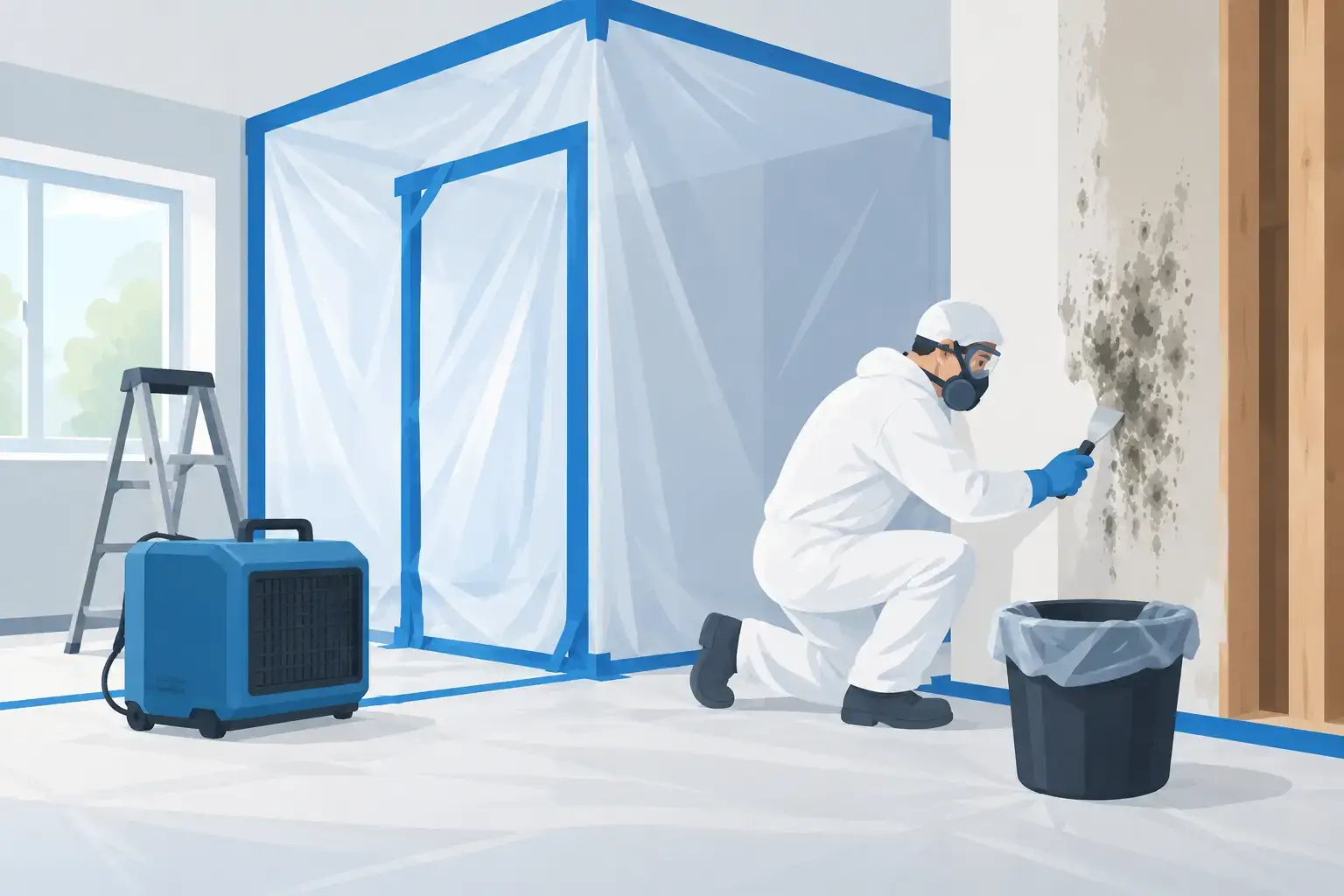
These terms are often used interchangeably, but they serve different purposes. Asbestos testing determines whether a material contains asbestos. Abatement or removal addresses confirmed asbestos-containing materials through containment, controlled work practices, HEPA filtration, and safe disposal. Clearance testing or post-work verification helps confirm that the area meets the applicable project requirements after remediation.
Keeping these steps separate helps prevent two common mistakes: removing material unnecessarily because it merely looks suspicious, or treating a positive laboratory result as though it automatically means the entire building is unsafe. The right response is based on the material, its condition, location, occupancy, and the work being planned.
A qualified remediation provider should explain the scope before work begins. Ask what areas will be contained, how dust migration will be controlled, what protective measures workers will use, how waste will be handled, and whether post-removal verification is recommended. Clear answers are a sign that the work is being planned for safety rather than speed alone.
What to do while you wait for results
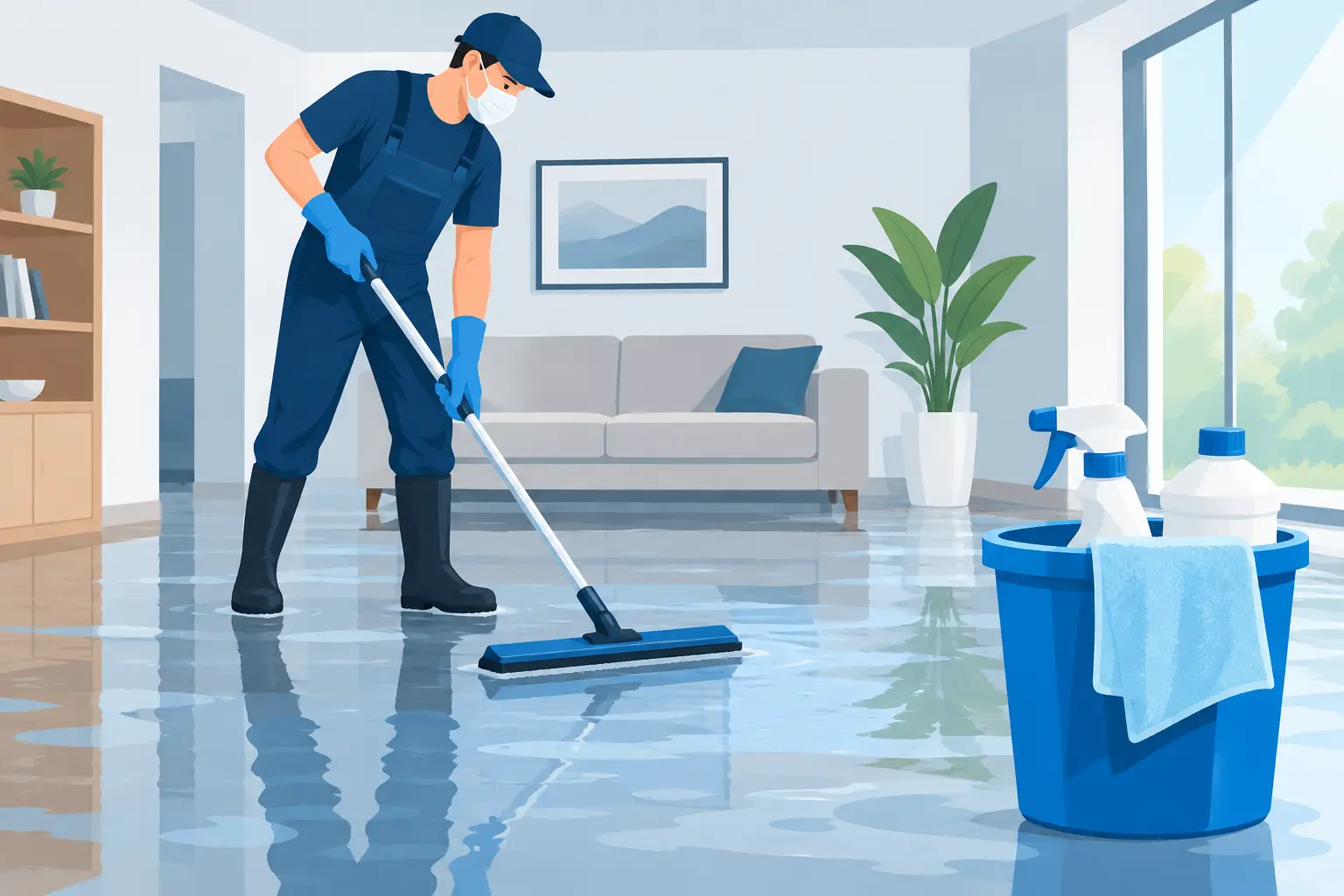
Treat the area carefully, but do not panic. Keep children, pets, tenants, and unnecessary foot traffic away from damaged suspect materials. Do not clean the area with a standard vacuum, broom, or compressed air. If there is a leak, stop the source if it can be done safely without disturbing the material, then arrange for professional assessment.
If renovation is scheduled, pause work in the affected area until results are available. A brief delay before demolition is far less disruptive than a contamination issue after walls, ceilings, or flooring have been opened. For businesses and multifamily properties, this may also mean coordinating access so occupants are protected and operations can resume with confidence.
Can asbestos be identified by appearance?
No. Color, texture, age, and location can indicate that a material should be treated as suspect, but they cannot confirm asbestos. Laboratory analysis is required for a dependable answer.
Does a positive test mean the entire property must be evacuated?
Not necessarily. The response depends on whether the material is intact, damaged, friable, or likely to be disturbed. A professional can recommend whether management in place, repair, containment, or removal is appropriate.
Should testing happen before mold remediation or water-damage repairs?
Often, yes. If repairs may disturb older drywall, ceiling materials, flooring, insulation, or other suspect products, asbestos should be considered before opening or removing them. This is especially relevant when moisture damage has weakened building materials.
The safest next step is simple: if a material is old, damaged, or in the path of renovation, leave it alone until it has been properly assessed. Timely asbestos testing gives you facts, protects the people in the building, and allows repairs to move forward with the right controls in place.