

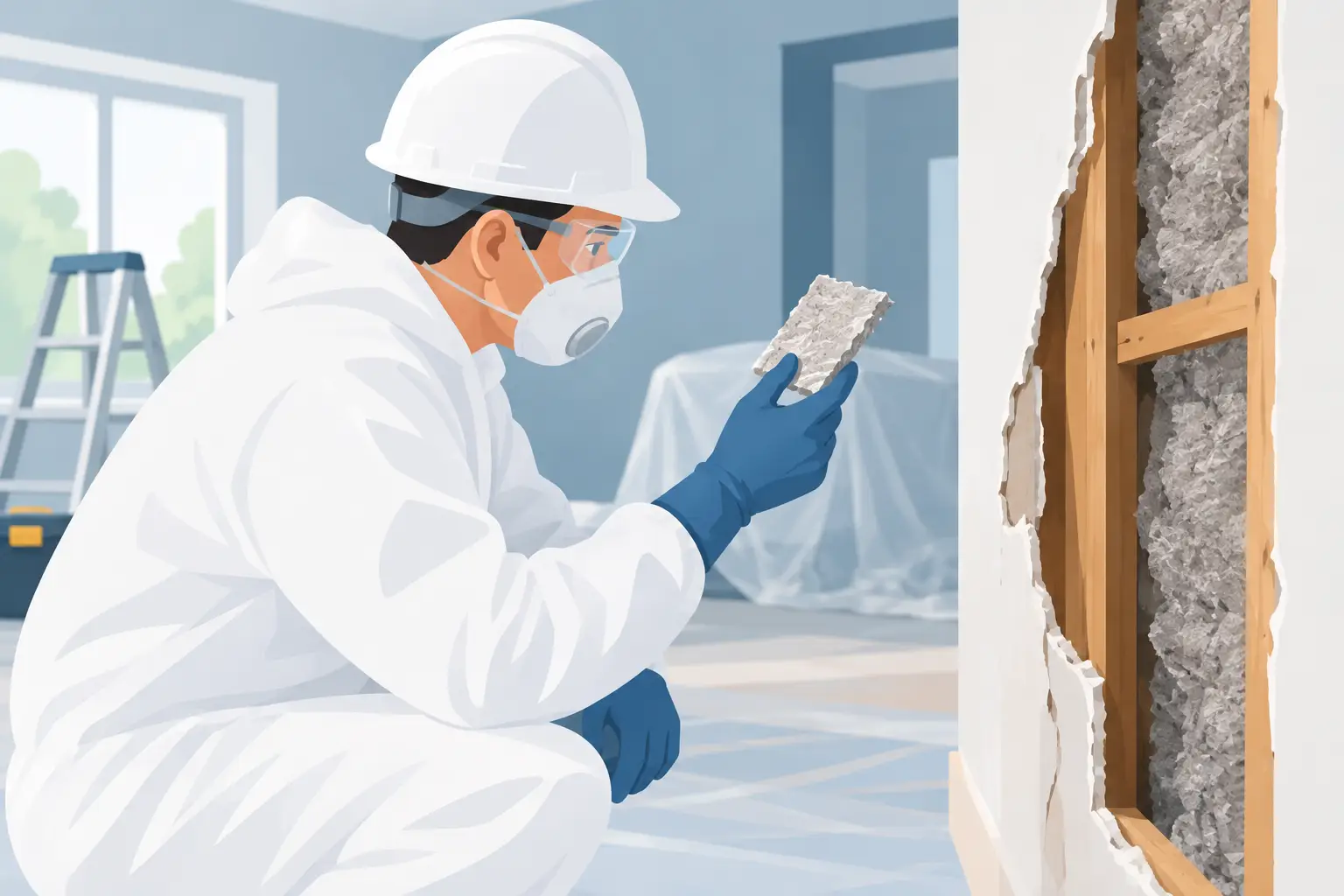
A wall opened for a bathroom remodel can reveal more than old plumbing. Damaged pipe wrap, brittle floor tile, textured ceiling material, or insulation around ductwork may trigger an asbestos renovation discovery. At that point, the priority is no longer keeping the project on schedule. It is preventing fibers from becoming airborne, protecting everyone on site, and getting clear answers before work continues.
Asbestos is not always obvious by appearance, and a material that looks harmless can become hazardous when it is cut, drilled, sanded, broken, or removed. Homeowners, landlords, property managers, and business owners should treat a suspected discovery seriously, especially in older buildings where asbestos-containing materials may be present behind finished surfaces.
Why an Asbestos Renovation Discovery Changes the Job
Asbestos was used in many building materials because it resists heat, fire, and wear. It can be found in pipe and boiler insulation, vinyl floor tile and mastic, ceiling texture, drywall joint compound, roofing materials, fireproofing, cement products, and some duct insulation. Its presence does not automatically mean a building is unsafe. Intact material that will not be disturbed may sometimes be managed in place.
Renovation is different because it disturbs building materials. Once asbestos fibers are released into the air, they are too small to see and can travel beyond the immediate work area. People may inhale the fibers during demolition, cleanup, or reentry into a poorly contained space. That is why a suspected material should never be handled as ordinary construction debris.
The right response also protects the project itself. Continuing work without testing can contaminate adjacent rooms, delay other trades, create disposal problems, and increase the scope and cost of cleanup. A short pause for professional assessment is often far less disruptive than correcting a preventable exposure later.
What to Do Immediately When You Find Suspect Material
The first step is simple: stop disturbing the material. Turn off tools, do not sweep or vacuum debris with a household vacuum, and keep workers, occupants, children, and pets away from the area. Do not attempt to bag, scrape, wet, or remove the material yourself unless you have received direction from a qualified asbestos professional.
If dust or debris has already been created, avoid tracking it through the property. Leave work boots, tools, and disposable protective materials inside or immediately adjacent to the controlled work area when possible. Close doors to limit traffic, but do not create airflow that could spread dust through the building. Central heating or cooling systems serving the area may need to be shut down until the situation is assessed.
Take notes about where the material was found, what activity exposed it, and whether dust was generated. Photos can be useful for the inspection team, but do not move closer or touch the material just to document it. The goal is to preserve the scene and prevent further disturbance.
Testing Is the Only Reliable Way to Confirm Asbestos
Visual inspection alone cannot confirm whether a material contains asbestos. Many common materials have similar colors, textures, and ages. A trained inspector identifies suspect materials, evaluates the condition of the area, and collects samples using procedures designed to minimize fiber release. Those samples are then analyzed by an appropriate laboratory.
Testing should be planned around the renovation scope, not just the first material that raised concern. If a project involves opening multiple walls, removing flooring, replacing ceiling systems, or accessing mechanical equipment, each distinct suspect material may require assessment. This is particularly relevant in apartment buildings, commercial properties, and homes with several past renovations, where materials can vary from room to room.
A proper assessment also considers whether the material is friable. Friable materials can be crumbled or reduced to powder by hand pressure when dry and generally present a higher risk of fiber release when disturbed. Non-friable products, such as certain floor tiles or cement boards, can still create a hazard if they are cut, ground, broken, or removed improperly.
Why DIY Removal Can Make the Problem Worse
A common mistake after an asbestos renovation discovery is treating the material like a small demolition task. Disposable masks, plastic sheeting from a hardware store, and a standard shop vacuum are not a substitute for a controlled asbestos abatement process. Incorrect removal can spread fibers into hallways, HVAC pathways, furniture, and neighboring units.
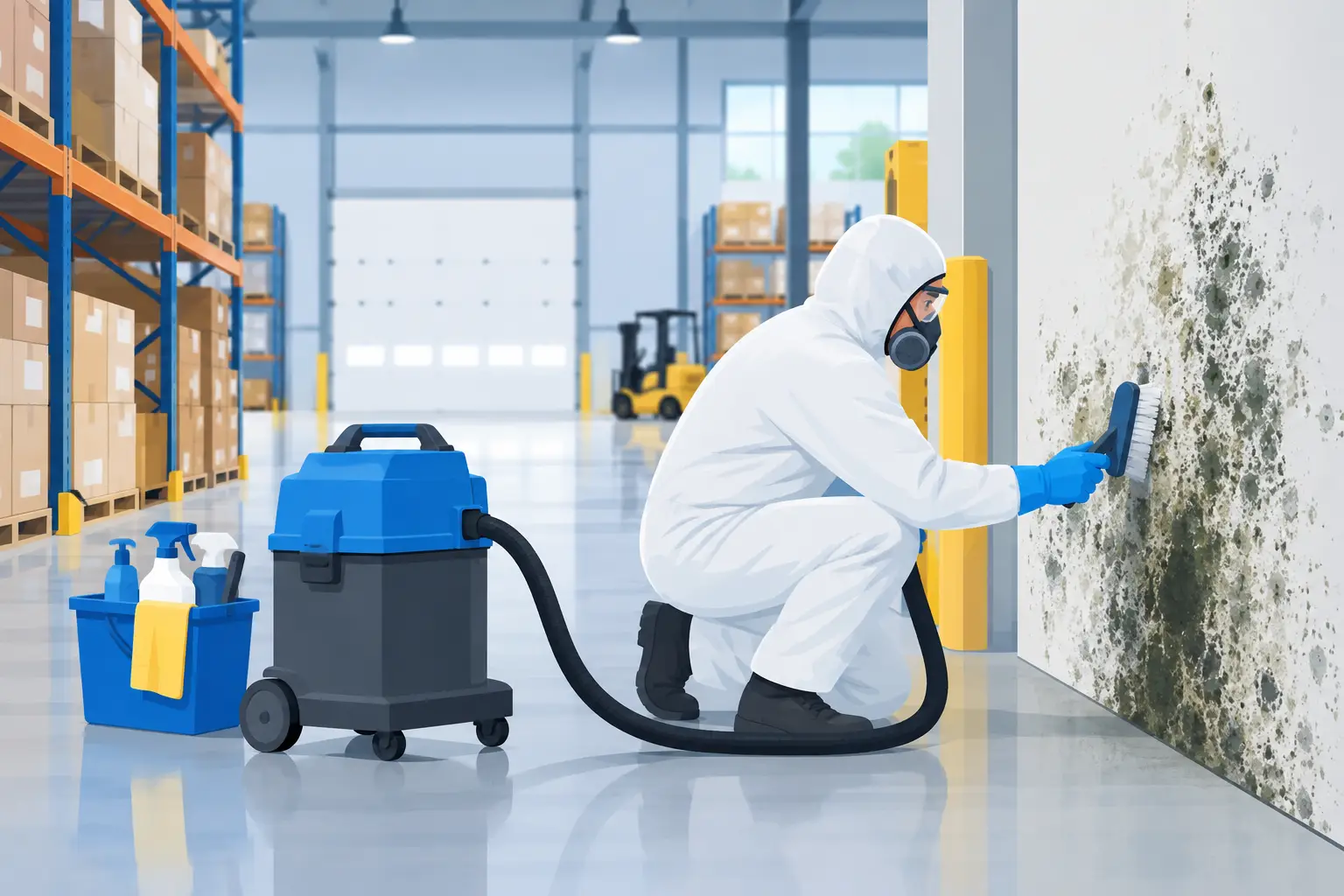
Professional removal is built around containment and controlled work practices. Depending on the material and project conditions, this may include isolating the work zone, using negative air pressure, installing HEPA-filtered air filtration, protecting floors and openings, using specialized cleaning methods, and following regulated packaging and disposal procedures. The exact approach depends on the material type, quantity, condition, location, and level of disturbance.
There is also a difference between removing a small, intact item and demolishing a deteriorated insulation system in a confined mechanical room. A qualified contractor can explain the scope before work begins, including what areas will be contained, how long access will be restricted, and what clearance steps are needed before renovation resumes.
The Safe Path From Discovery to Renovation Restart
Once testing confirms asbestos, the project should move forward in a deliberate sequence. First, the affected materials and work area are defined. Next, a written removal plan establishes containment, worker protection, cleaning procedures, waste handling, and any required notifications or documentation. Only then should abatement begin.
During removal, occupants should respect the containment boundary and avoid entering the work area. Property managers should also communicate clearly with tenants, staff, or neighboring businesses when the work could affect access, noise, or shared spaces. Clear communication reduces anxiety and helps prevent someone from accidentally entering a controlled zone.
After removal, the area needs more than a quick visual check. Detailed cleaning is performed using appropriate HEPA equipment and damp-wiping methods. Depending on the scope and local requirements, clearance procedures or air testing may be used to verify that the contained area is suitable for reoccupation and the next phase of renovation.
Only after the affected area is released should construction restart. New drywall, flooring, insulation, or finishes should never be installed over an unresolved asbestos concern. Covering the issue may seem faster, but it can create a larger problem for future repairs, maintenance, inspections, or property transactions.
Planning Ahead Before Demolition Begins
The best asbestos renovation discovery is the one that happens before demolition. If your property was built before modern asbestos restrictions, arrange an assessment before opening walls, removing old flooring, replacing a boiler, updating ductwork, or renovating textured ceilings. This is especially valuable when project timelines are tight, because test results and remediation needs can be incorporated into the schedule instead of stopping work mid-project.
For landlords and commercial property owners, pre-renovation testing also supports safer contractor coordination. General contractors, maintenance staff, electricians, plumbers, and tenants should not be asked to work around unknown suspect materials. Identifying hazards early helps define responsibility, protect occupants, and avoid avoidable downtime.
Mold Removal Remediation provides professional asbestos testing and remediation support for property owners who need a clear, safety-focused response. Certified assessment, controlled removal methods, and post-work cleaning help replace uncertainty with a documented plan.
If a renovation has uncovered suspicious material, do not let schedule pressure decide the next step. Secure the area, arrange qualified testing, and let confirmed results determine the safest path forward for your property and the people who use it.