


A musty odor after a leak, a dark patch beneath a window, or mold on a basement wall can quickly become a health and property concern. Learning how to clean mold spores means more than wiping away what you can see. The work must control moisture, prevent spores from spreading through the home, and address contaminated materials that cannot be safely cleaned.
Mold spores are naturally present in indoor and outdoor air. The problem begins when moisture allows them to grow on drywall, wood, carpet, insulation, furnishings, or other building materials. Cleaning visible mold without correcting the water source often leads to a repeat problem, sometimes in a larger hidden area.
How to clean mold spores without spreading them
The goal is not to create a perfectly spore-free building. That is not realistic. The goal is to remove active growth and contaminated debris, clean affected surfaces appropriately, dry the area thoroughly, and prevent conditions that allow mold to return.
Before starting, assess the size and location of the affected area. A small patch of surface mold on a nonporous bathroom surface is very different from mold following a sewage backup, flooding, a long-term roof leak, or water damage inside walls. If mold covers more than about 10 square feet, appears in HVAC equipment, involves porous materials, or follows contaminated water, professional remediation is the safer choice.
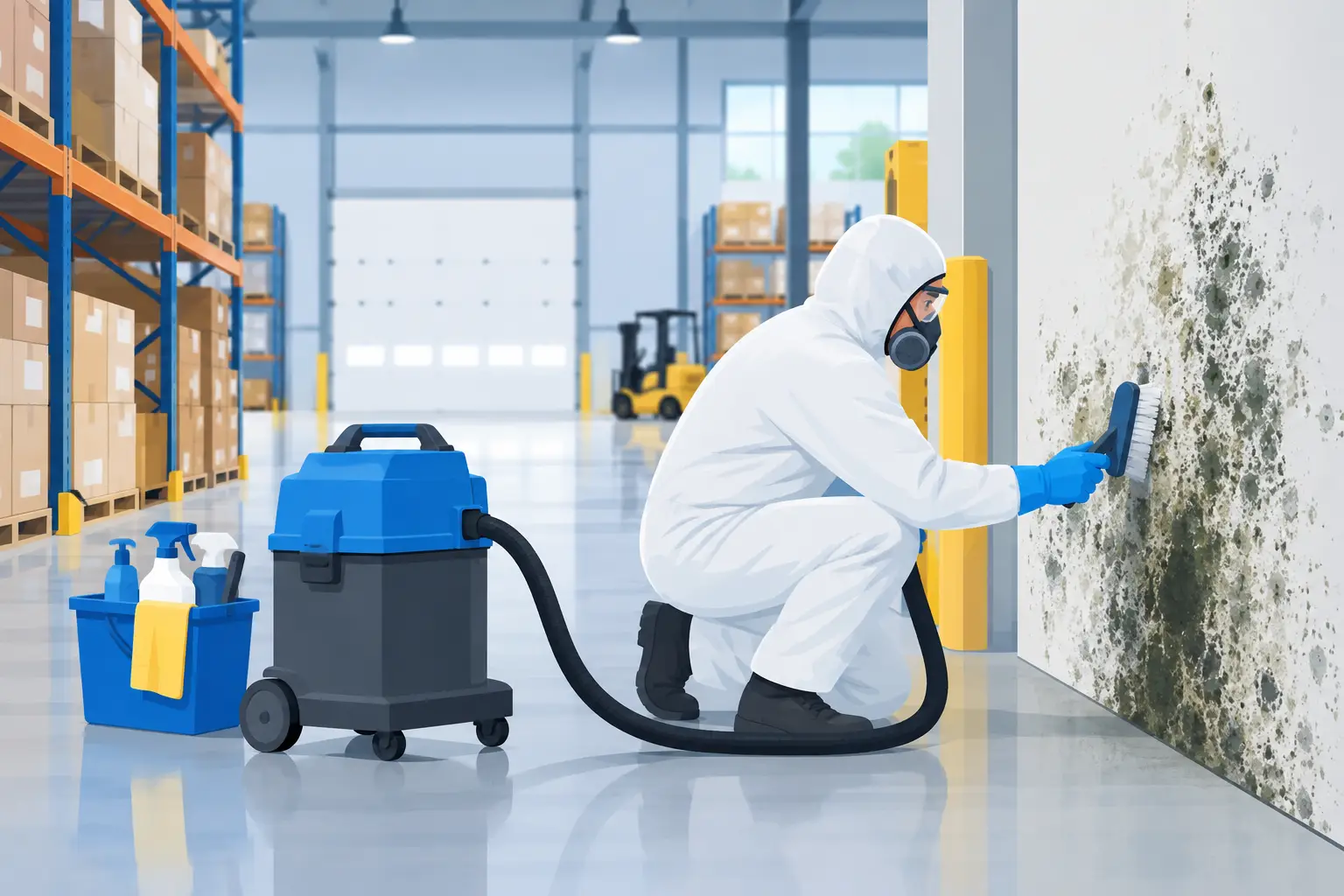
Do not dry-scrub, sand, or brush moldy materials. These actions can send a high concentration of spores into the air and onto nearby belongings. Avoid using a standard household vacuum as well. Without HEPA filtration, it may recirculate fine particles rather than contain them.
Start with safety and moisture control
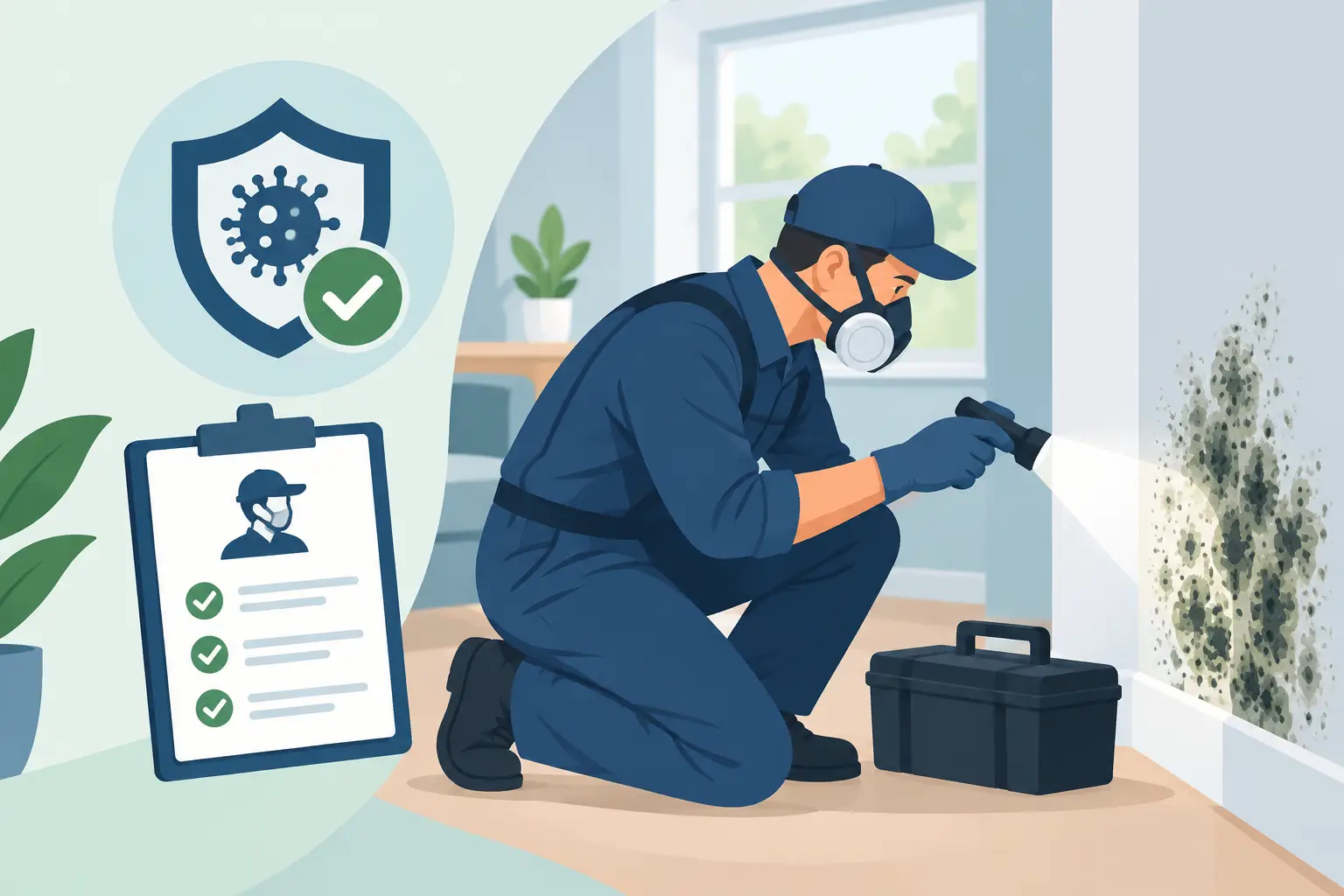
Keep children, older adults, pets, and anyone with asthma, severe allergies, immune suppression, or respiratory conditions out of the work area. Wear gloves, eye protection, and at least a properly fitted N95 respirator for a limited, small-scale cleaning task. Disposable coveralls can help prevent spores from being tracked through the house.
Find and stop the moisture source before cleaning. That may mean repairing a plumbing leak, clearing a blocked drain, addressing window condensation, improving bathroom ventilation, or correcting foundation seepage. If materials remain damp, mold can regrow even after a careful cleaning.
Close doors to the affected room where possible. For a small area, opening a window may improve ventilation if outdoor humidity is low and air is not blowing toward other occupied spaces. Avoid running central HVAC while actively disturbing mold near supply or return vents. In larger projects, certified remediators use containment barriers and negative air pressure to keep particles from migrating into clean areas.
Clean nonporous and semi-porous surfaces carefully
Hard, nonporous materials such as tile, metal, glass, and many sealed countertops can often be cleaned when mold growth is limited. Use a mild detergent and water, scrub gently with a disposable cloth or sponge, then dry the surface completely. Cleaning products can remove surface contamination, but drying is what helps prevent recurrence.
Semi-porous materials, including unfinished wood, concrete, and some grout, require more judgment. Mold can penetrate below the surface, especially after long-term moisture exposure. If staining remains after cleaning, or the material stays damp, smells musty, or feels soft, it may require professional evaluation and treatment rather than repeated DIY cleaning.
Do not rely on fragrance sprays, air fresheners, or fogging products to solve a mold problem. They can mask odors temporarily, but they do not remove mold growth or repair moisture damage.
Remove materials that cannot be reliably cleaned
Drywall, ceiling tiles, carpet padding, insulation, paper-faced products, and upholstered furnishings can hold mold beneath the surface. If these porous materials have visible growth or have been wet for an extended period, removal is often necessary. Bag debris before carrying it through the property so particles are not spread into hallways, stairwells, or other rooms.
For a small removal task, use heavy-duty plastic bags and seal them before disposal. Do not tear out large sections of drywall or insulation without proper containment. Opening a wall can expose hidden colonies and spread settled spores into the home.
Use HEPA cleaning after removal
Once visible mold and unsalvageable materials have been removed, clean nearby hard surfaces using damp wiping methods. A HEPA vacuum can be used on appropriate dry, solid surfaces after the area is fully dry. This is different from a standard vacuum because HEPA equipment is designed to capture very fine particles.
Wash reusable clothing separately in hot water when practical, and clean shoes before walking into unaffected rooms. Dispose of gloves, cloths, and other single-use cleaning supplies in sealed bags. Small details matter because spores can travel on hands, footwear, tools, and dust.
When mold spore cleaning requires a professional
DIY cleaning has limits. A certified mold remediation company should assess the issue when the source of moisture is unclear, when there is a persistent musty smell without visible mold, or when mold returns after cleaning. Hidden contamination behind walls, beneath flooring, above ceilings, and inside HVAC systems requires diagnostic tools and controlled removal methods.
Professional remediation is also appropriate after flooding, pipe bursts, roof leaks, sewage backups, and major condensation damage. These situations may affect multiple building materials and create conditions for widespread mold growth before it becomes visible.
A thorough remediation process typically begins with an inspection and moisture assessment. Technicians may use moisture meters and thermal imaging to locate wet materials beyond the visible damage. Depending on the scope, they establish containment, run HEPA air filtration and negative air equipment, remove affected materials, clean remaining structural surfaces, and verify that the area is dry and suitable for restoration.
For landlords, property managers, and business owners, a professional assessment can also provide a clearer record of what was found, what was removed, and what steps were taken to correct the cause. That documentation can be valuable when responding to tenant concerns, maintenance planning, or insurance questions.
Prevent mold spores from returning
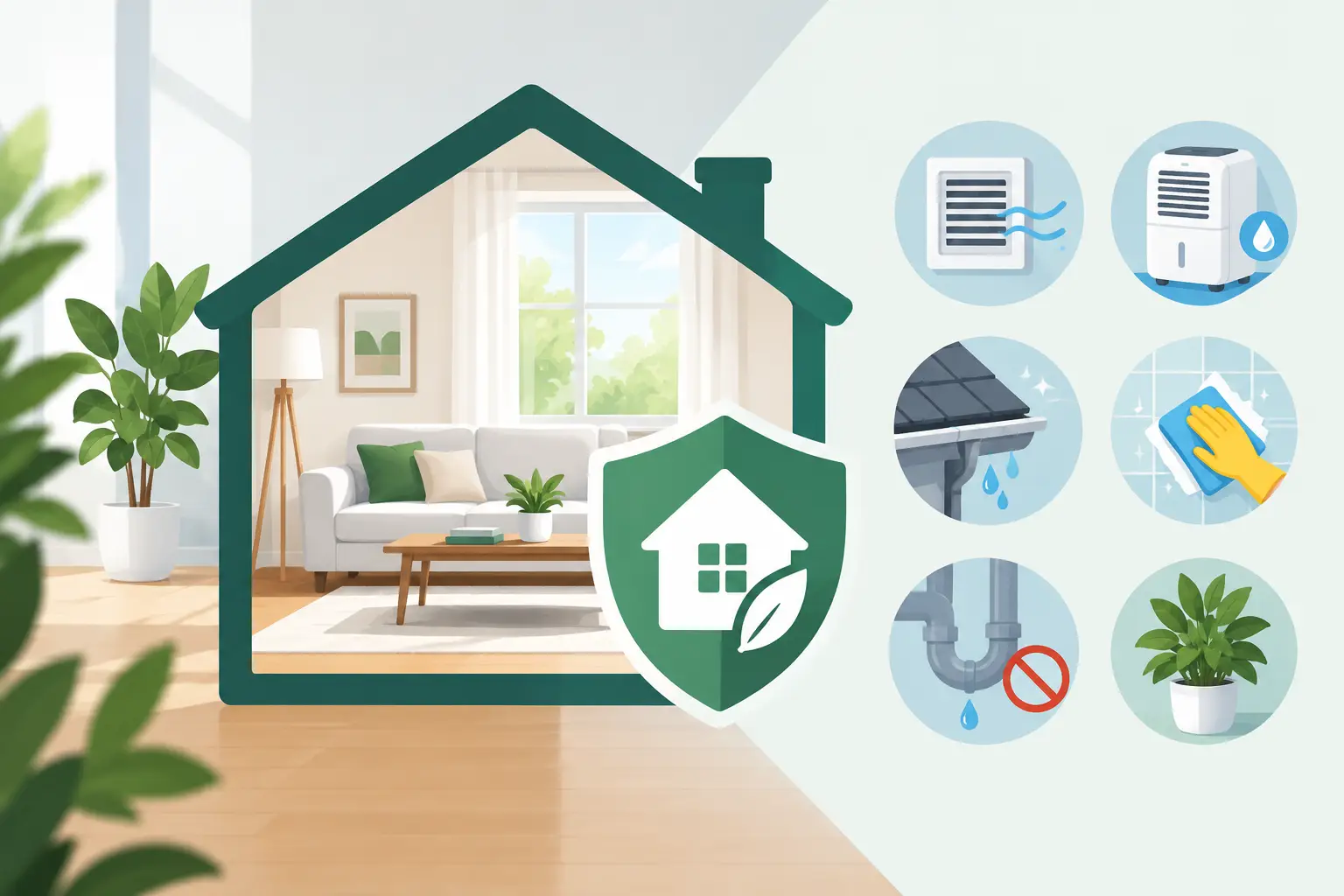
After cleaning, keep indoor humidity under control. Many homes benefit from maintaining relative humidity between 30% and 50%, although the right approach depends on the season, local climate, and building conditions. Use bathroom and kitchen exhaust fans, repair plumbing leaks promptly, and ensure clothes dryers vent outdoors.
Check vulnerable areas regularly: basements, crawl spaces, attics, window sills, under sinks, around washing machines, and behind furniture placed against exterior walls. Condensation on windows or pipes is an early warning sign that humidity, insulation, airflow, or ventilation may need attention.
If a leak occurs, dry wet materials as quickly as possible. Fans and dehumidifiers can help with limited clean-water incidents, but they are not a substitute for identifying water trapped behind walls or under flooring. When materials cannot be dried promptly, an inspection can prevent a minor leak from becoming a larger remediation project.
Common questions about mold spores
Can I clean mold spores with bleach?
Bleach is not a complete mold remediation solution. It may discolor or damage some surfaces, produce irritating fumes, and does not reliably address mold growth inside porous materials. For small areas on suitable nonporous surfaces, detergent and water followed by complete drying is often a practical approach. Never mix bleach with ammonia or other cleaners.
Is mold still a concern if the stain remains?
Not every remaining stain means active mold growth, but staining should not be dismissed automatically. If the area is dry, odor-free, and has been cleaned appropriately, it may be cosmetic. If it remains damp, spreads, smells musty, or returns, further investigation is needed.
Can an air purifier remove mold from my home?
A HEPA air purifier can reduce airborne particles in a room, but it cannot remove established mold colonies or fix water intrusion. It may support cleaner air during and after remediation, but source control and proper cleaning remain the priority.
Mold concerns are most manageable when addressed early, before moisture damage spreads behind finishes or through ventilation systems. If you cannot confidently identify the source, define the affected area, and clean it without disturbing surrounding materials, a certified inspection is the safer next step.