

A wet basement after a storm, a burst pipe behind a wall, or a strong musty odor spreading through a rental unit can turn into a mold problem faster than most people expect. In those moments, an emergency mold removal service is not about convenience – it is about limiting contamination, protecting indoor air quality, and stopping hidden damage before it spreads deeper into the building.
Mold does not wait for a convenient time. Once moisture is present, growth can begin within 24 to 48 hours, especially in drywall, insulation, wood framing, carpet backing, and ceiling materials. That speed is why emergency response matters. The earlier the source is identified and the affected area is contained, the better the chances of avoiding larger structural damage, longer downtime, and more expensive remediation.
What counts as a mold emergency?
Not every patch of mold requires the same level of response, but some situations should be treated as urgent from the start. If mold appears after flooding, sewage backup, roof leaks, plumbing failures, or fire suppression water, the risk is higher because moisture often travels beyond what is visible. What looks like a stain on the ceiling may also mean wet insulation, contaminated framing, and airborne spores moving through the property.
A mold issue also becomes urgent when people in the building are experiencing symptoms such as coughing, throat irritation, headaches, sinus congestion, or worsening asthma around the affected area. For landlords, property managers, and business owners, complaints from tenants or staff should not be delayed or brushed aside. Health concerns, habitability issues, and potential liability all raise the stakes.
Another common emergency is hidden mold. You may not see obvious growth, but the warning signs are there – a persistent musty smell, recent water damage, bubbling paint, warped baseboards, stained drywall, or elevated moisture readings. In these cases, waiting often leads to a larger remediation zone later.
Why emergency mold removal service needs more than surface cleaning
When people are under pressure, it is tempting to wipe visible mold away with household cleaners and assume the problem is solved. That approach can make matters worse. Surface cleaning may remove staining on the outer layer, but it does not address active growth inside porous materials or the moisture source feeding it.
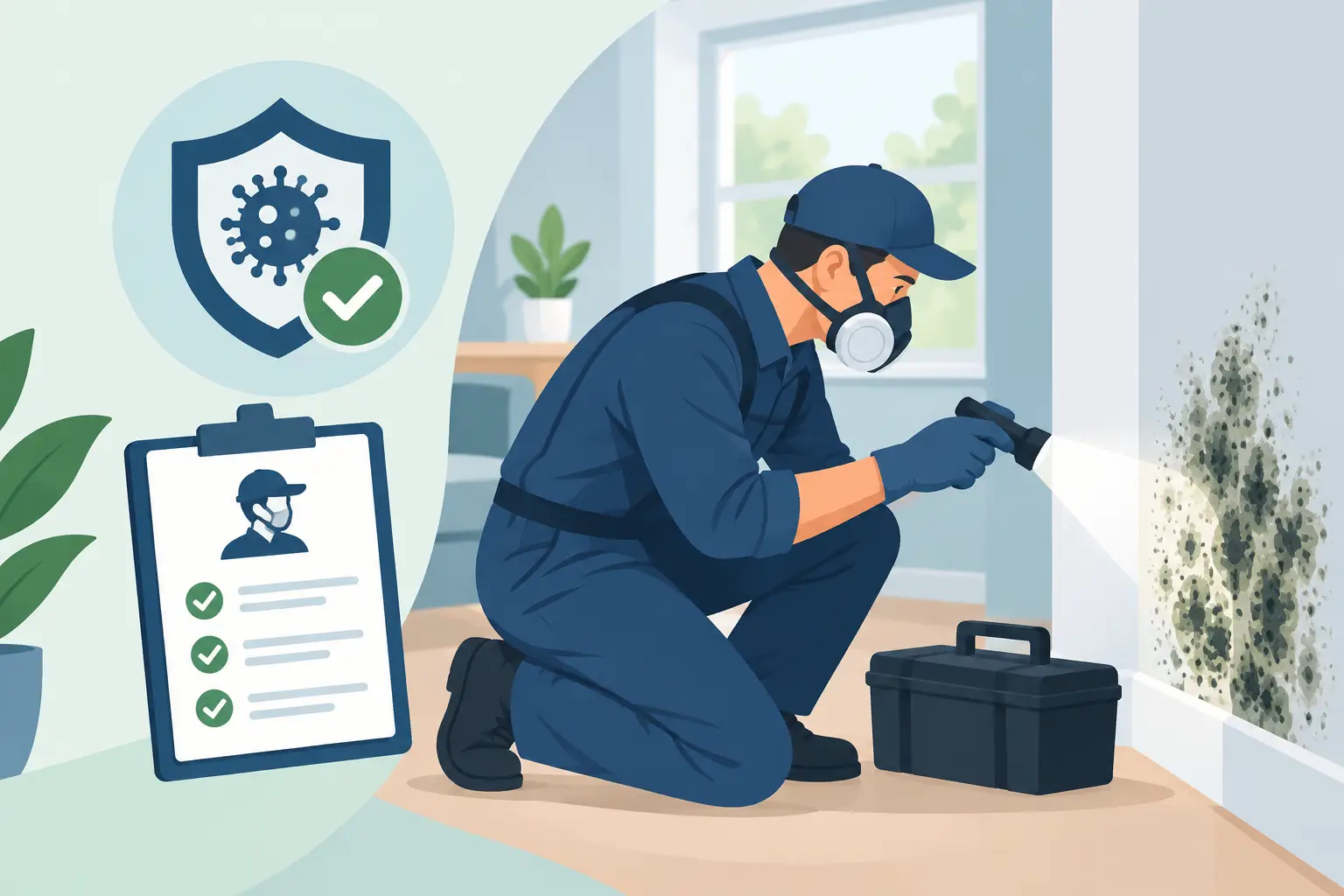
A proper emergency mold removal service starts with diagnosis, not guesswork. Certified technicians inspect the affected area, look for hidden moisture, and evaluate whether contamination has spread into adjacent cavities, HVAC pathways, or neighboring units. Professional tools such as moisture meters and thermal imaging help locate wet materials that are not obvious during a basic visual check.
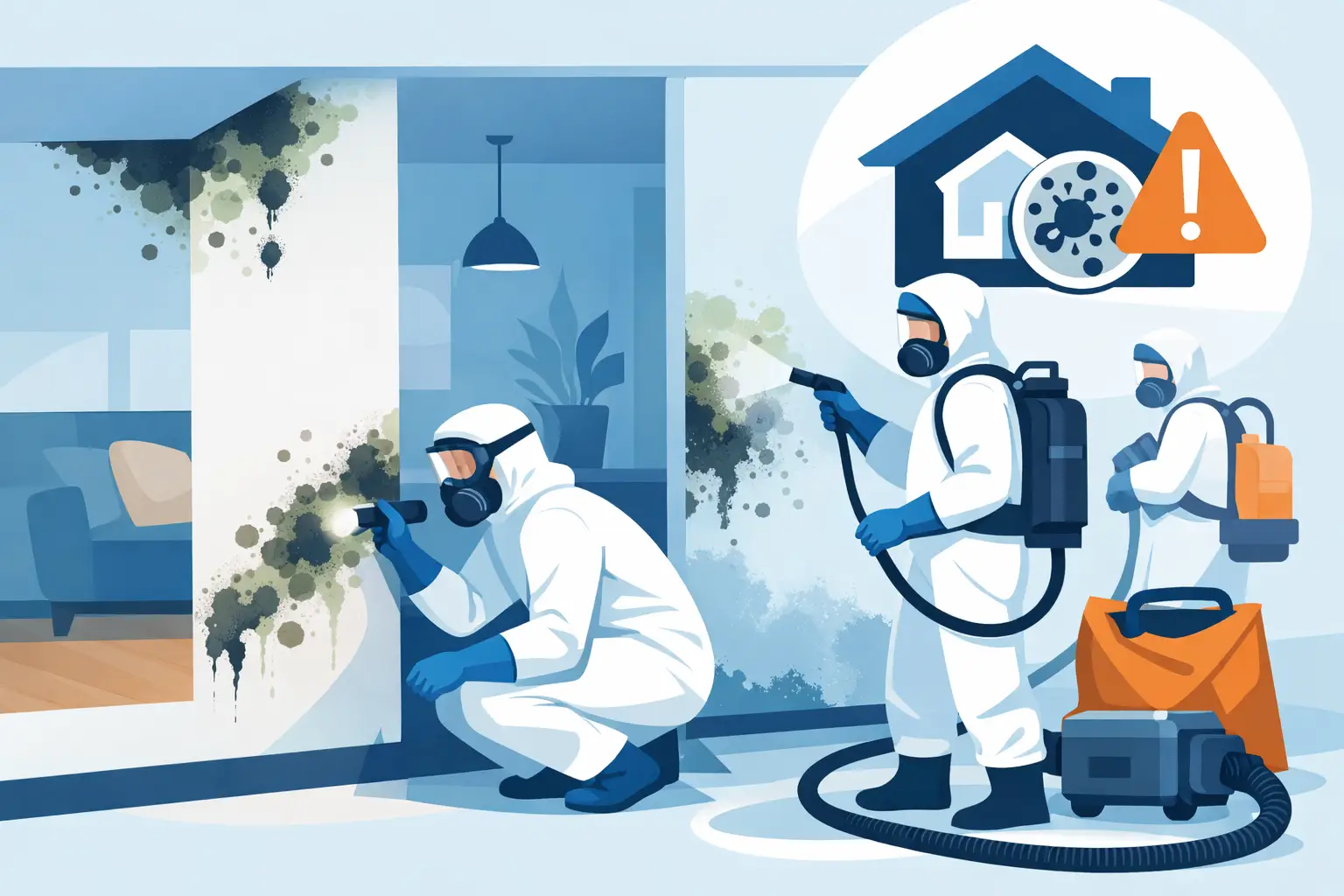
Containment is another critical difference. Without it, disturbing mold growth can release spores into clean parts of the property. A trained remediation team will usually isolate the affected area, establish negative air pressure where needed, and use HEPA-filtered air scrubbers to control airborne particulates during removal. That process is especially important in occupied homes, apartment buildings, offices, clinics, and retail spaces where indoor air quality cannot be treated casually.
What happens during an emergency mold removal service call
A professional response should feel organized from the first contact. In urgent cases, the initial goal is to understand what happened, when the moisture event occurred, whether the property is occupied, and whether there are vulnerable occupants such as children, older adults, or people with respiratory conditions.
Once on-site, the inspection focuses on three questions: Where is the moisture coming from, how far has it spread, and what materials are affected? That may involve checking walls, ceilings, crawl spaces, attics, flooring systems, and mechanical areas. If water intrusion is still active, stopping that source comes first. Mold remediation cannot succeed if moisture remains uncontrolled.
From there, the crew will determine whether materials can be cleaned or need to be removed. Non-porous and some semi-porous surfaces may be salvageable depending on the extent of contamination. Drywall, insulation, carpet underlayment, ceiling tile, and other porous materials often need removal when growth is established. It depends on the material, the duration of moisture exposure, and how deeply contamination has penetrated.
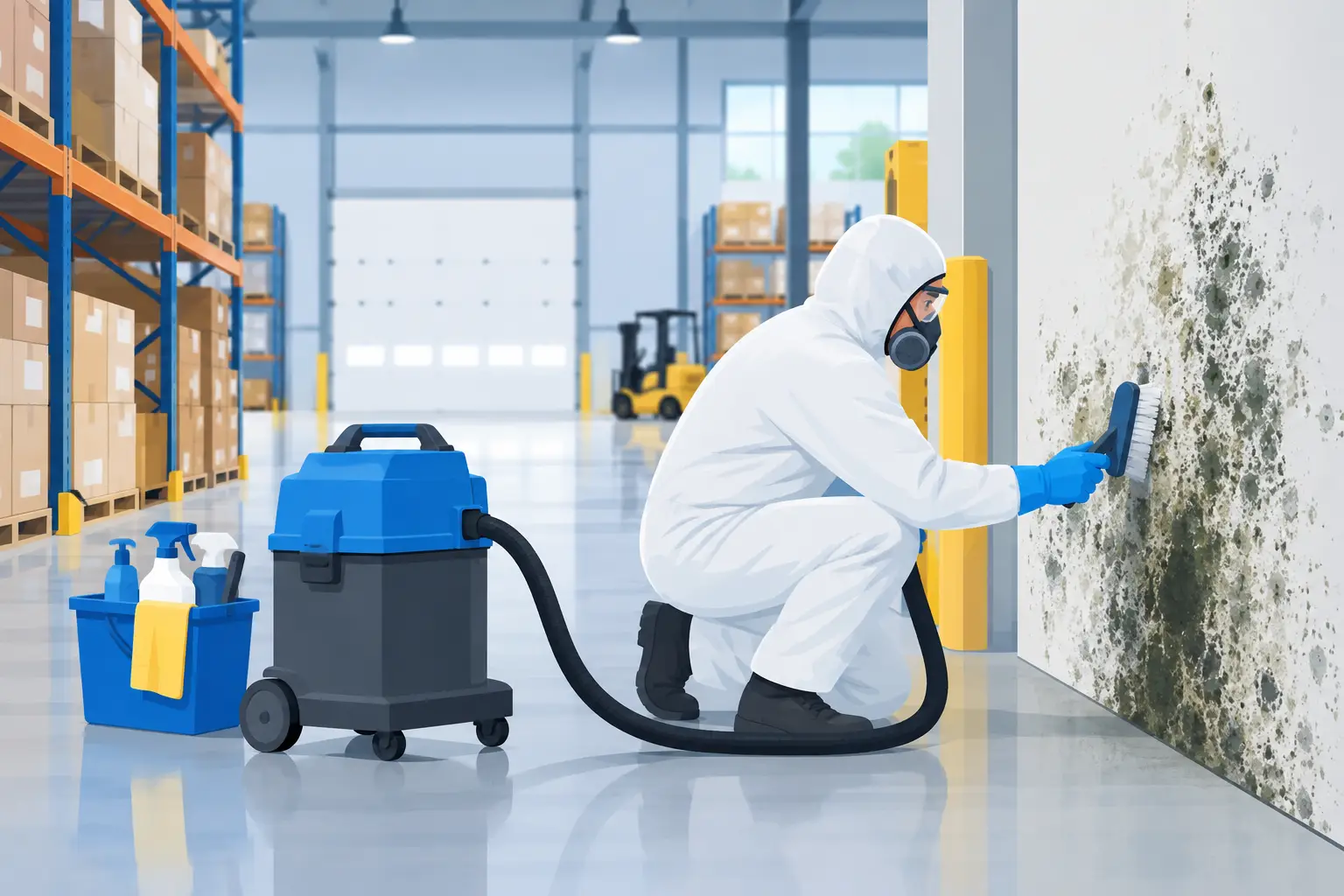
A serious emergency mold removal service should also include controlled demolition where necessary, detailed cleaning of surrounding surfaces, HEPA vacuuming, air filtration, and steps to dry the area fully. In many cases, post-remediation verification or air quality testing is advisable, especially when the concern involves health complaints, tenant disputes, real estate transactions, or commercial occupancy standards.
Emergency mold removal service for homes, rentals, and businesses
The urgency of mold response looks a little different depending on the property type. For homeowners, the immediate concern is usually family health, damage to finishes, and uncertainty about how far contamination has spread. Many people call only after they see black spotting on drywall or smell something unusual, but by then the moisture issue may have been active for weeks.
For landlords and property managers, the pressure is often operational as well as health-related. An unresolved mold complaint can affect tenant satisfaction, lease obligations, insurance discussions, and future repair costs. Fast documentation, clear findings, and a defined remediation process matter just as much as the cleanup itself.
Business owners have another layer to consider: interruption. Mold in an office, restaurant, retail unit, warehouse, or healthcare space can disrupt staff productivity, customer confidence, and compliance expectations. Emergency service is valuable because it helps reduce downtime while keeping the work controlled, documented, and safety-focused.
Why certification and equipment matter in an emergency
An emergency is not the time to hire someone who treats mold like ordinary janitorial work. Remediation requires training, containment knowledge, and an understanding of how contamination behaves in indoor environments. Certified firms follow a process designed to protect occupants and prevent cross-contamination during removal.
That includes using the right equipment for inspection and remediation. Moisture meters help confirm wet materials. Thermal imaging helps locate hidden moisture patterns behind walls and ceilings. HEPA filtration captures airborne particles during work. Negative air pressure systems help prevent spores from migrating into unaffected areas. These are not extras. In many emergency cases, they are essential to doing the job correctly.
For Toronto and the GTA, companies such as Mold Removal Remediation position this kind of response around certified inspection, containment, safe removal, and post-remediation validation. That full-process model is important because emergency work should not stop at removing what is easy to see.
What to do before the crew arrives
If you suspect a serious mold event, a few immediate steps can help reduce risk. Limit access to the affected area, especially for children, seniors, tenants with health issues, or employees working nearby. Do not run fans directly on visible mold, since that can spread spores. If the moisture source is active and safe to shut off, such as a plumbing supply line, do so. Then document what you see with photos and note when the water event occurred.
Just as important, avoid tearing into walls or removing materials on your own unless you have been instructed to do so for safety reasons. Disturbing contaminated materials without containment can enlarge the problem. Emergency response works best when the site conditions are still controlled enough for accurate assessment.
How quickly should you act?
The short answer is immediately. If the problem involves recent flooding, an active leak, sewage, a spreading odor, or visible mold in multiple areas, same-day evaluation is the safest route. Delaying by even a few days can change a manageable cleanup into a more invasive remediation project.
That said, urgency does not mean panic. It means bringing in qualified professionals early enough to make informed decisions. Sometimes the affected area is smaller than expected. Other times, the visible mold is only the edge of a much larger moisture issue. The point of emergency service is to find out which situation you are dealing with before assumptions become expensive.
A mold problem rarely stays confined to the place where it first appears. It follows moisture, airflow, and time. Acting quickly with a certified emergency mold removal service gives you the best chance to protect the people in the building, preserve more of the property, and move forward with confidence instead of guesswork.