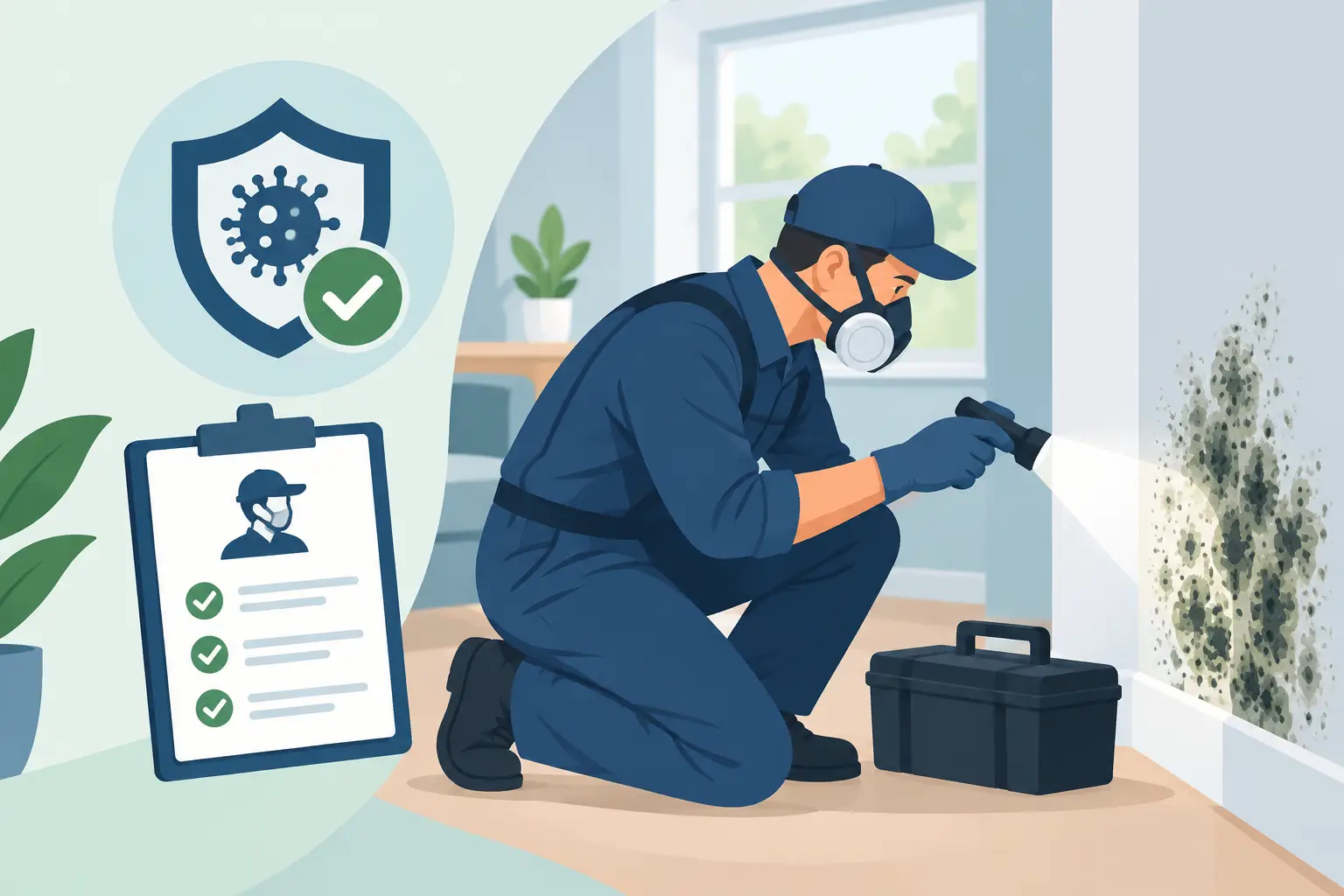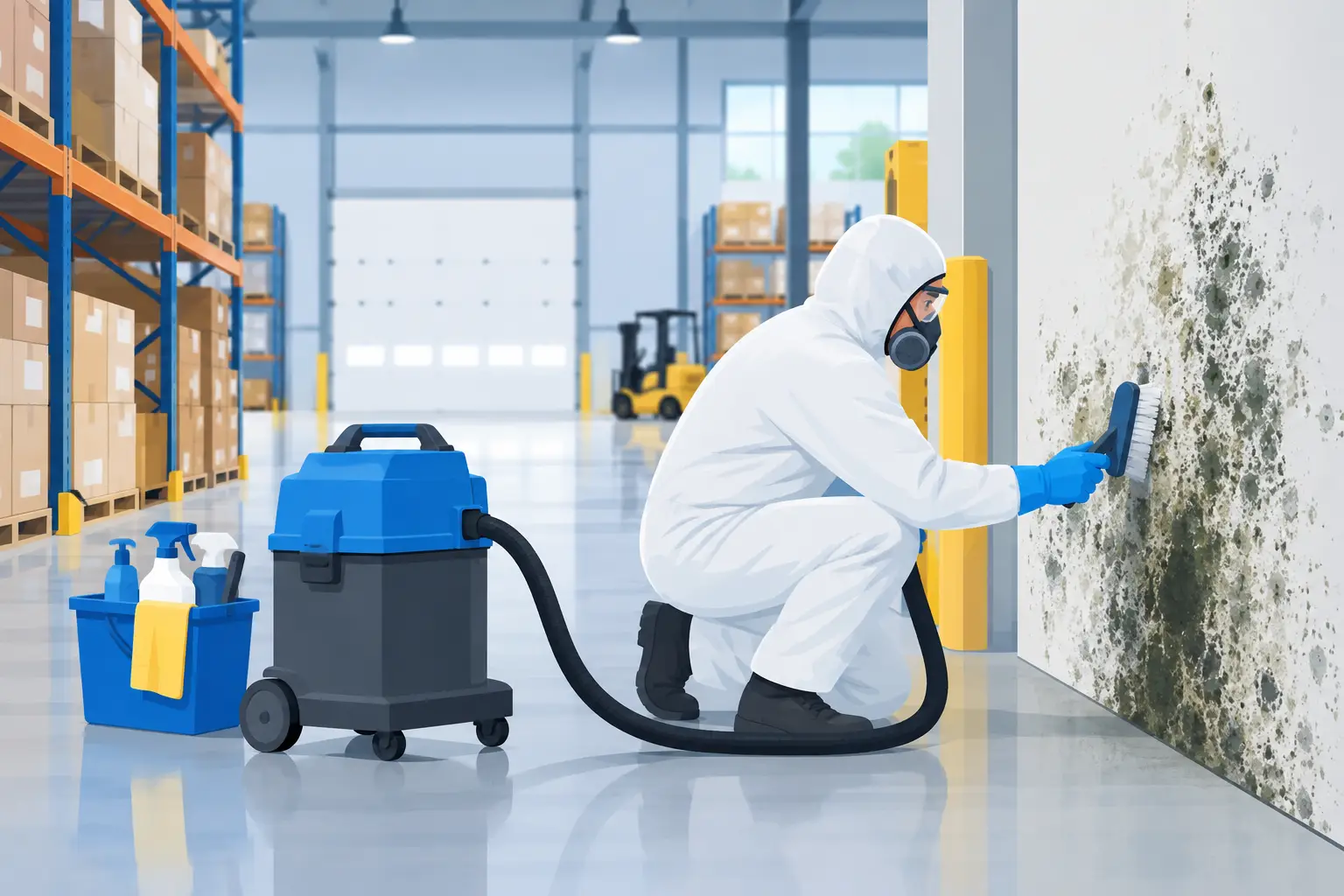


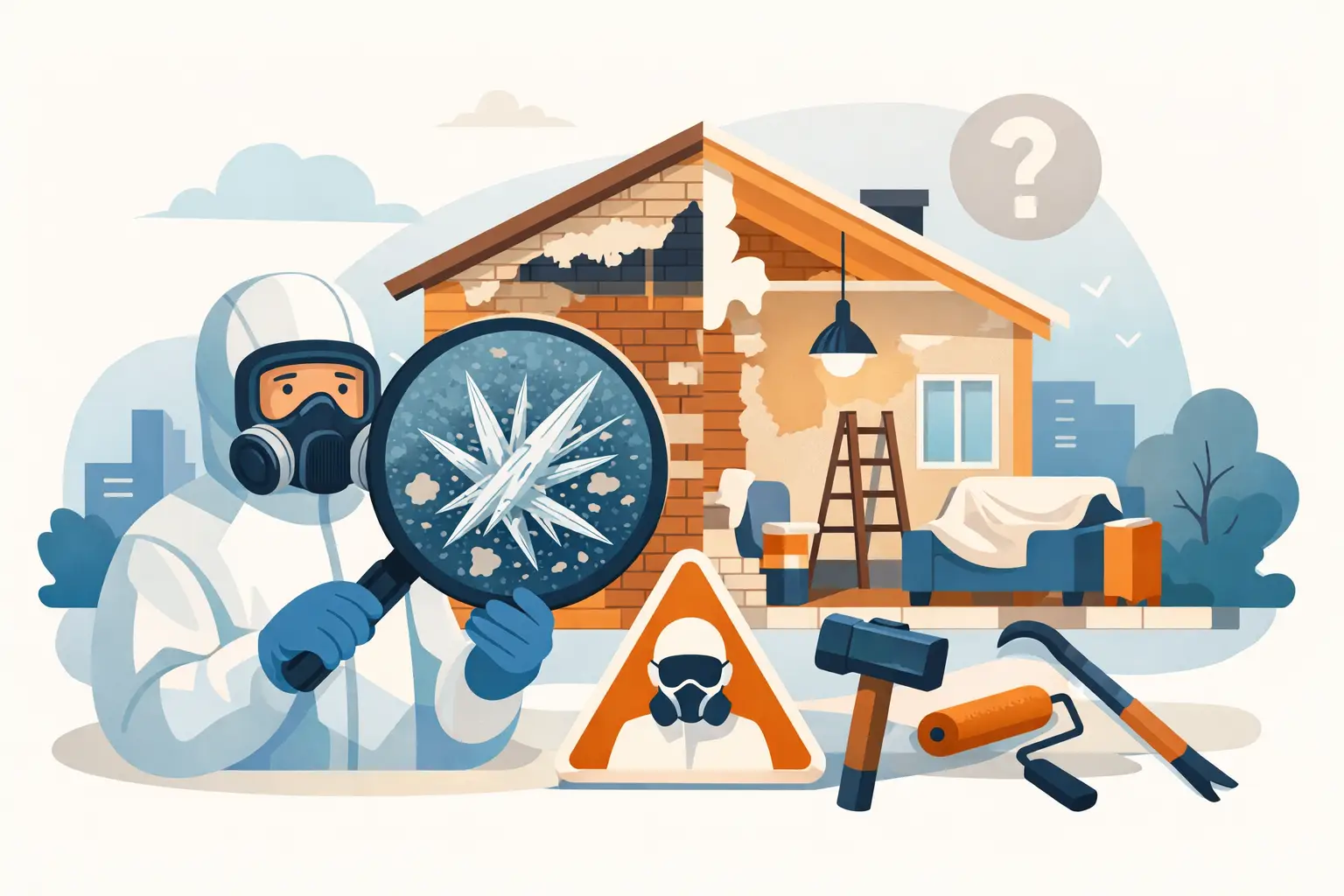
A cracked section of old floor tile, a deteriorating pipe wrap, or a planned wall removal can raise the same question: who needs asbestos testing? The answer is not limited to people who can see obvious damage. Anyone responsible for a property with suspect building materials should arrange professional testing before those materials are disturbed.
Asbestos is a health concern because its fibers can become airborne when materials are cut, drilled, sanded, broken, or removed. The fibers are too small to reliably see, and a material cannot be confirmed as asbestos-containing by appearance alone. Laboratory analysis is the dependable way to identify the risk and make an informed decision about next steps.
Who Needs Asbestos Testing?
Asbestos testing is most appropriate for homeowners, landlords, property managers, contractors, and business owners who own or manage an older building and plan to disturb existing materials. It is also appropriate after water damage, fire damage, or accidental breakage has affected insulation, flooring, ceilings, walls, or mechanical systems.
The need for testing depends on the building’s age, the material involved, its condition, and the work planned. Intact material in an area that will not be disturbed may not require immediate removal. However, testing before renovation or repair prevents a routine project from releasing hazardous fibers into occupied spaces.
Homeowners Planning Repairs or Remodeling
Homeowners often need asbestos testing before kitchen, bathroom, basement, or whole-home renovations. Older homes can contain asbestos in materials that are easy to overlook, including vinyl floor tile and adhesive, textured ceiling finishes, drywall joint compound, duct insulation, pipe insulation, furnace components, vermiculite attic insulation, and exterior siding.
A contractor may be able to identify materials that are suspicious, but suspicion is not confirmation. Sampling and laboratory analysis establish whether asbestos is present and help determine whether the work can proceed normally or requires containment and licensed abatement procedures.
Testing is especially prudent before demolishing a wall, replacing old flooring, opening a ceiling, installing recessed lighting, or removing insulation around pipes. These projects can turn a concealed material into dust quickly.
Landlords and Property Managers
Landlords and property managers have an added responsibility: protecting tenants while maintaining a safe, habitable property. If a unit needs repairs after a leak, tenant damage, aging plumbing failure, or renovation between occupancies, testing suspect materials before work begins helps prevent exposure and costly project delays.
This is particularly relevant in multi-unit buildings. Dust generated in one apartment can travel through hallways, utility openings, ventilation pathways, or shared work areas if the job is not properly contained. A clear testing record also gives property managers documented information to guide contractors, communicate with occupants, and plan the work responsibly.
Tenant complaints should not be dismissed simply because there is no visible dust. Damaged ceiling texture, crumbling pipe insulation, broken floor tile, or deteriorated mechanical-room insulation warrants a timely professional assessment.
Business Owners and Commercial Property Operators
Commercial properties may contain a larger range of older building materials, from boiler and pipe insulation to ceiling tiles, fireproofing, floor finishes, roofing products, and electrical panel components. Business owners, facility managers, and commercial landlords should consider asbestos testing before renovation, maintenance, demolition, or emergency restoration work.
Office renovations, retail build-outs, restaurant upgrades, school repairs, and warehouse maintenance can all disturb hidden materials. The stakes can be higher in occupied workplaces because a poorly planned project may affect employees, customers, tenants, or visitors while interrupting operations.
Testing allows a property operator to scope the project accurately. Rather than stopping work after suspect material is uncovered, the team can plan containment, removal, clearance procedures, scheduling, and occupant protection before construction starts.
Buildings Most Likely to Require Assessment
Age matters, although it is not the only factor. Asbestos was commonly used in many construction materials for its heat resistance, durability, and insulating properties. Buildings constructed or renovated before modern restrictions are more likely to contain it.
If you do not know a building’s renovation history, treat older materials as suspect until they are evaluated. Newer buildings can also contain legacy materials if an old layer was covered instead of removed during a prior renovation.
The highest concern is usually not simply whether asbestos exists, but whether it can be disturbed. For example, an intact material concealed behind a sealed wall may present a very different situation from friable, damaged insulation above a ceiling or around a pipe. A qualified professional can assess the condition, location, accessibility, and planned activity before recommending action.
Situations That Call for Testing Right Away
Some circumstances should move asbestos testing from a future consideration to an immediate step. Water damage can weaken ceilings, insulation, drywall systems, and flooring. Fire damage, storm damage, or a collapsed section of ceiling can similarly create debris that should not be swept, vacuumed with a household vacuum, or handled casually.
Testing is also needed when workers discover an unfamiliar material after opening a wall, ceiling, or floor. Stop work in the affected area, limit access, and avoid drilling, cutting, bagging, or moving the material until a qualified assessment is completed.
Four common triggers are worth remembering:
- A renovation, demolition, or major repair will disturb older materials.
- A leak, flood, or fire has damaged insulation, ceiling texture, flooring, or wall systems.
- Pipe wrap, duct insulation, ceiling material, or floor tile is cracked, fraying, or producing debris.
- A contractor or inspector identifies a material that may contain asbestos.
Fast action does not mean rushing into removal. It means preventing further disturbance, identifying the material correctly, and selecting a safe work plan.
What Professional Asbestos Testing Involves
Professional testing begins with a visual assessment of the property and the planned scope of work. The inspector identifies suspect materials and determines where samples can be collected with minimal disturbance. Samples are then sent to an appropriate laboratory for analysis.
The process should be controlled. Improper sampling can create unnecessary dust or leave a homeowner with an unreliable result. Certified environmental professionals use suitable protective methods, document sample locations, and explain what the findings mean for the specific project.
A positive result does not always mean every material must be removed immediately. If the material is intact and will remain undisturbed, management in place may be an option. If it is damaged, friable, or located where construction will disturb it, professional removal and containment may be necessary. The right recommendation depends on the condition of the material and how the space will be used.
After abatement, air quality testing or clearance procedures may be appropriate to verify that the work area has been cleaned and is ready for reoccupation. This is especially valuable in homes, multi-unit properties, and businesses where occupants need confidence that the area is safe.
Why DIY Sampling Can Create More Risk
Online kits and do-it-yourself sampling may seem like a shortcut, but the collection step is where risk can increase. Scraping, snapping, or drilling a suspect material can release fibers, particularly if the material is dry, brittle, or damaged.
There is also the question of sample quality. A poorly selected or contaminated sample may not represent the material being tested. Without a professional assessment, property owners can receive a lab result but still be unsure which materials are affected, whether the area needs isolation, or how to proceed with repairs.
For projects involving occupied spaces, employee safety, tenants, or substantial construction work, professional testing is the more responsible choice. It provides a clearer record, safer collection process, and practical recommendations based on the condition of the property.
Make Testing Part of the Project Plan
The best time to arrange asbestos testing is before bids are finalized, materials are ordered, and demolition begins. Early testing helps avoid change orders, work stoppages, exposure concerns, and rushed decisions after a crew has already opened up the building.
At Mold Removal Remediation, the approach is built around careful inspection, controlled sampling, and clear guidance on what to do next. Whether you are preparing to renovate an older home, responding to damaged building materials, or managing a commercial property, a professional assessment gives you facts before the work creates a larger problem.
If a material is old, damaged, or about to be disturbed, treat uncertainty as a reason to pause and test – not a reason to guess.